

A growing body of scientific research is illuminating the profound impact of dietary choices on cardiovascular health, particularly on the intricate function of our arteries. While the allure of unhealthy foods is undeniable, emerging evidence suggests that strategic food pairings and consistent dietary patterns can significantly mitigate potential harm and even bolster arterial well-being. This exploration delves into the science behind how certain foods can protect arteries, contrasting the robust health observed in vegetarian diets with the detrimental effects of high-fat meals and examining the surprising protective capabilities of specific fruits and nuts.
The Vegetarian Advantage: A Clear Superiority in Arterial Function
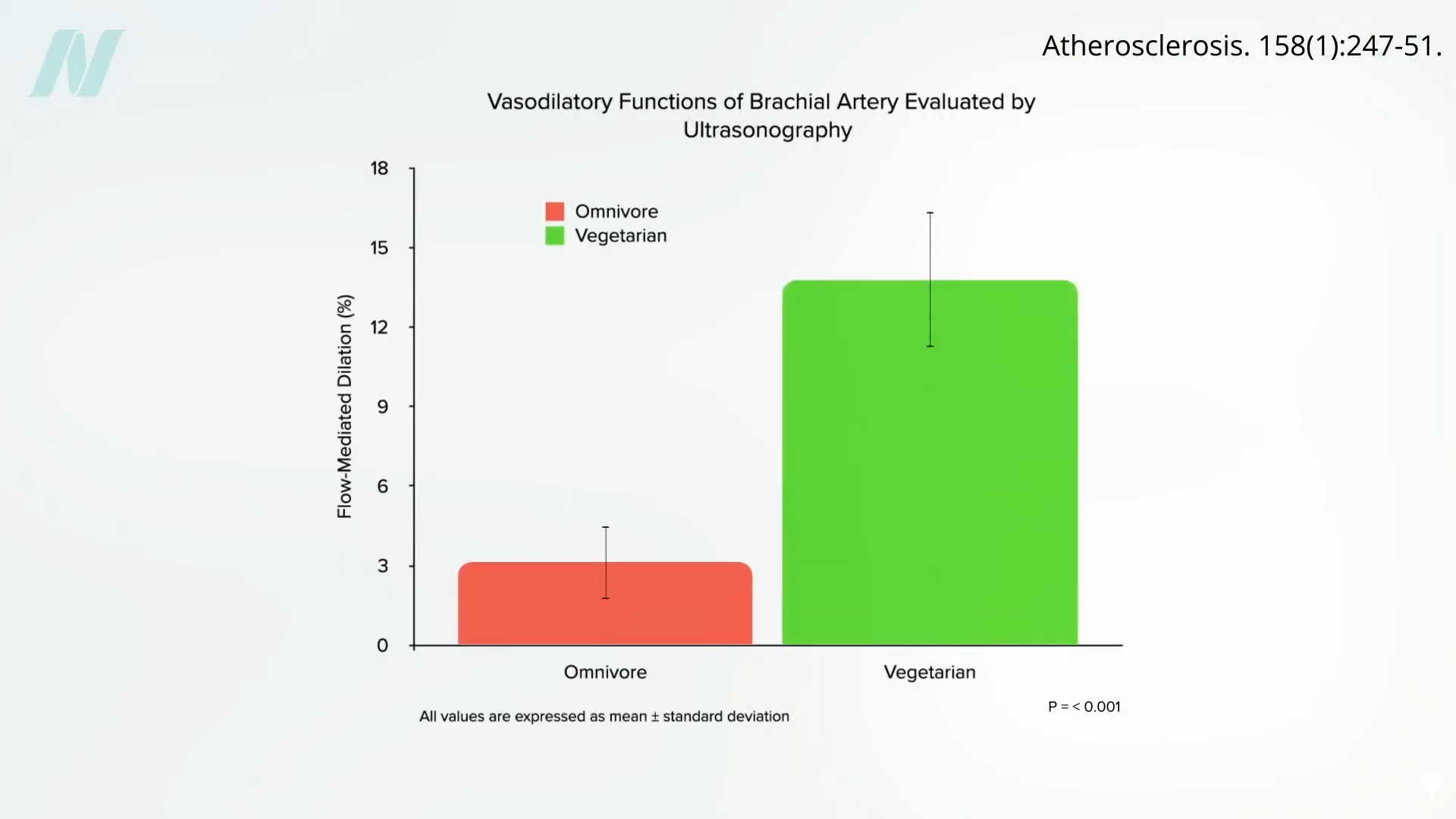
Studies comparing the arterial function of vegetarians and meat-eaters consistently reveal a striking difference. Vegetarians exhibit a significantly enhanced ability of their arteries to dilate, a crucial process that allows for greater blood flow. This difference is not marginal; research indicates it can be up to four times greater among those adhering to a vegetarian diet. This finding, observed across multiple studies, highlights a fundamental benefit of plant-based eating patterns on vascular health.
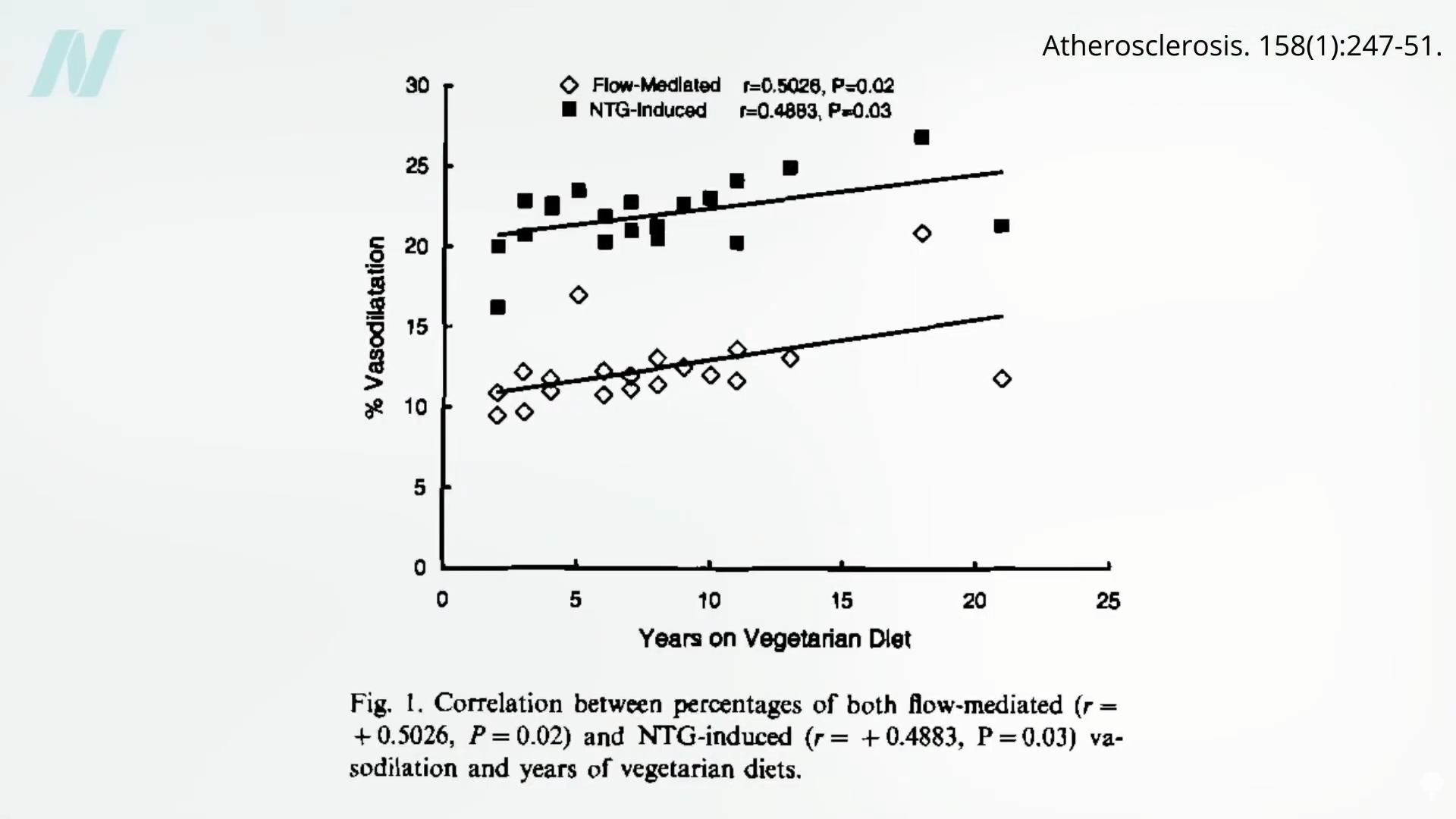
While it’s true that vegetarians often possess other healthy lifestyle markers—such as being younger, smoking less, maintaining slimmer physiques, and having lower incidences of diabetes, high cholesterol, high blood pressure, and heart disease—researchers have meticulously controlled for these confounding factors. Studies have recruited healthy non-smokers and even a cohort of omnivores matched for similar body mass index, blood pressure, and cholesterol levels. Despite these rigorous controls, the superior artery function in vegetarians persisted. The longer an individual maintained a meat-free diet, the more pronounced the positive effect on their arterial function became. This correlation suggests that vegetarian diets, independent of other lifestyle choices, exert a direct and beneficial influence on the circulatory system, potentially explaining the lower rates of atherosclerosis and cardiovascular mortality observed in these populations.
The prevailing hypothesis is that this protective effect stems from the food itself. It’s likely a combination of the absence of detrimental components found in meat, such as saturated animal fats, and the increased consumption of nutrient-dense whole plant foods. Vegetarians often consume a higher daily intake of vegetables, contributing essential vitamins, minerals, and fiber that support overall health and vascular function.
Deconstructing Unhealthy Meals: The Role of Fat and Sugar
The impact of a single meal on arterial function can be swift and significant. Research comparing a high-fat fast-food meal, such as an Egg McMuffin, Sausage McMuffin, and hash brown patties, with a sugary cereal meal like Frosted Flakes, revealed starkly different outcomes. Within hours of consumption, the fatty fast-food meal impaired artery function. Conversely, the sugary cereal, while not ideal, did not elicit the same immediate negative response.
This observation points towards the detrimental role of fat, specifically animal fat, in acute vascular impairment. In contrast, high-fat whole plant foods, such as nuts, do not appear to have the same negative impact. In fact, a comprehensive systematic review of randomized controlled trials on nut consumption and arterial function has demonstrated that regular nut intake actually leads to significant improvements in artery function over time.
The Power of Nuts: A Targeted Approach to Arterial Health
The question then arises: can nuts counteract the artery-crippling effects of less healthy food choices? Research suggests that for certain nuts, the answer is a qualified yes. A study examining the impact of walnuts on arterial function found that they could indeed mitigate the negative effects of a salami sandwich. However, almonds, while still a healthy food, did not demonstrate the same level of protective benefit in that specific context.
This finding underscores the nuanced nature of dietary recommendations. Just as different fruits offer varying degrees of health benefits—blueberries, for instance, are often lauded for their superior antioxidant properties compared to bananas—different nuts also possess unique nutritional profiles that influence their impact on the body. Walnuts have emerged as a particularly potent option, akin to the "blueberries of nuts" in their demonstrated cardiovascular benefits.
Berries: Nature’s Arterial Boosters
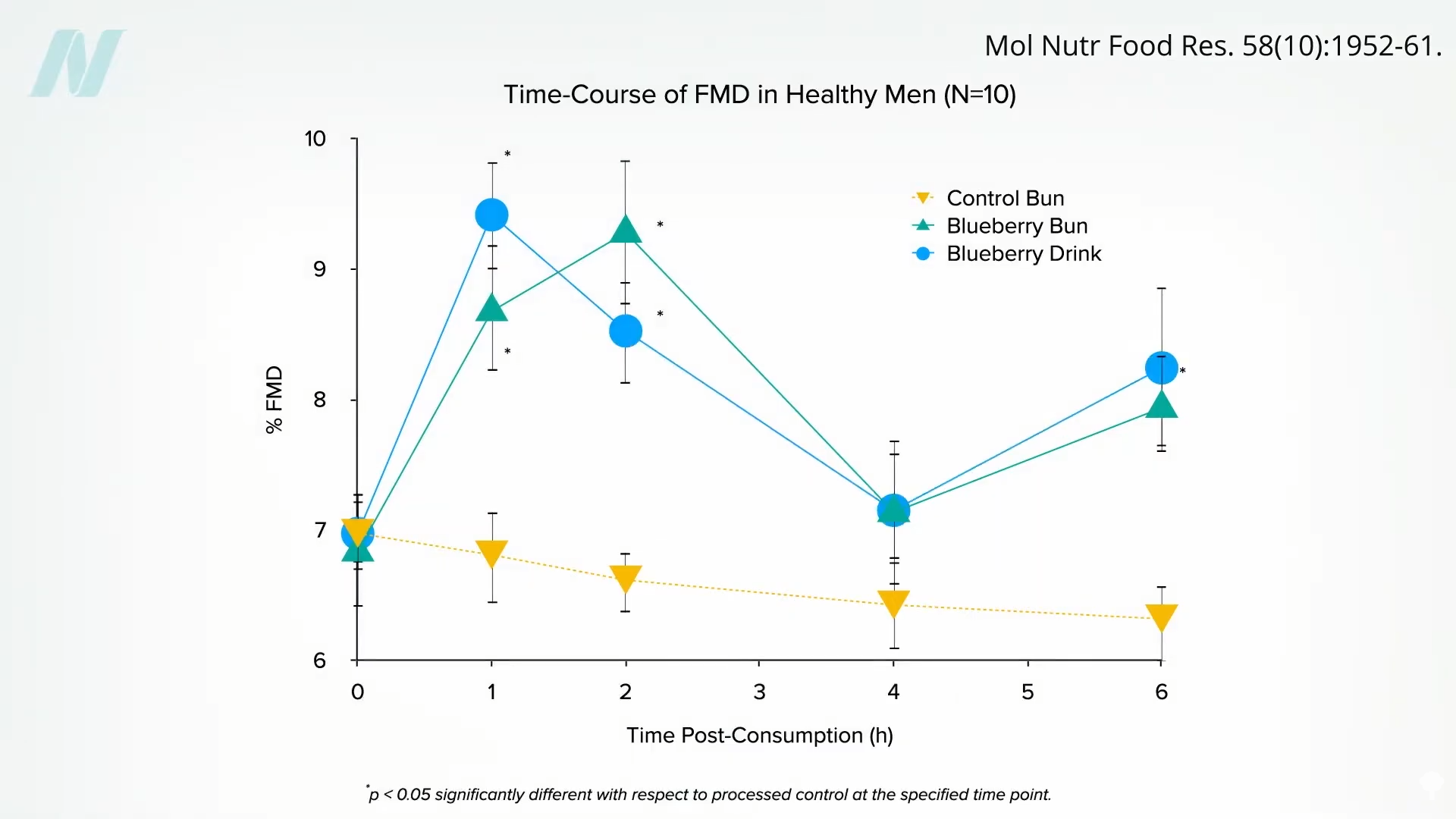
Berries, particularly blueberries, have also garnered significant attention for their artery-protective qualities. A randomized, controlled crossover trial investigated the effects of cooked and raw blueberries when consumed with a high-carbohydrate meal. Participants were given buns made from white flour, eggs, butter, and salt, a composition high in sugar and eggs. This meal alone led to a gradual decline in artery function over six hours. However, when the equivalent of a cup of wild blueberries was incorporated into the same bun, there was a notable boost in artery function, almost as if the blueberries had been consumed with water. This suggests that the beneficial compounds within blueberries can actively counteract the negative vascular effects of a less healthy dietary component.
While strawberries also contain beneficial compounds, a study involving two cheese blintzes, whipped cream, sugary syrup, egg, and bacon showed that strawberries failed to rescue artery function from such a substantial caloric and fat load. This highlights that while berries are protective, the magnitude of the unhealthy meal can overwhelm even their potent effects.
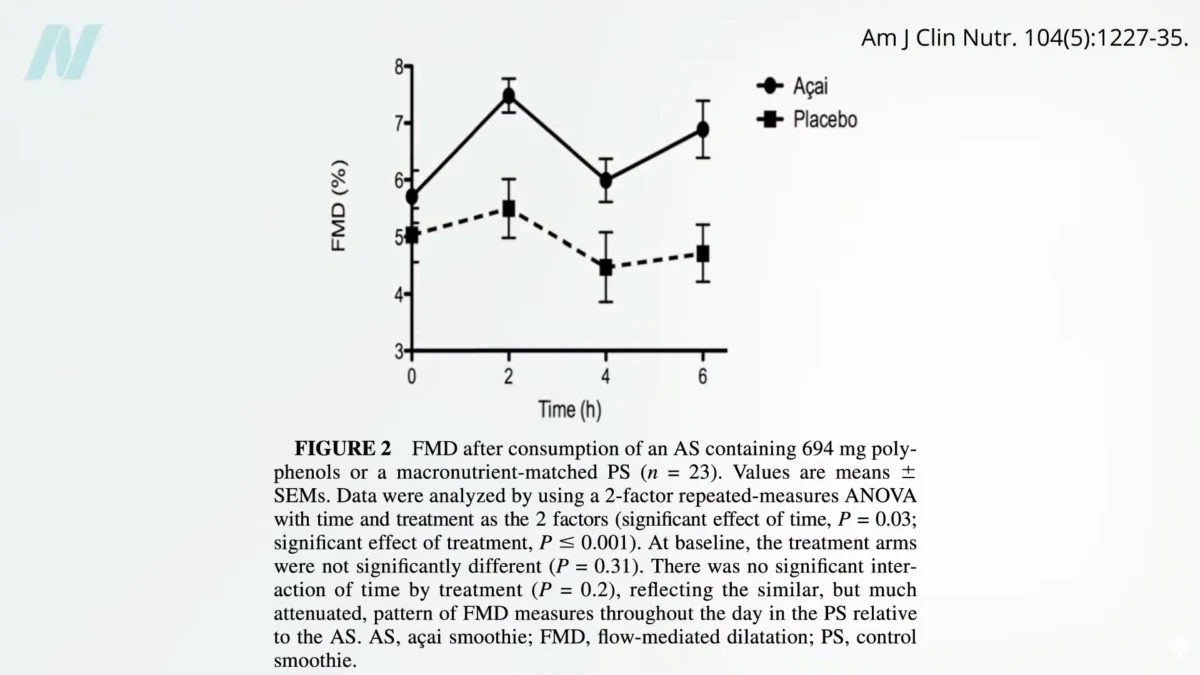
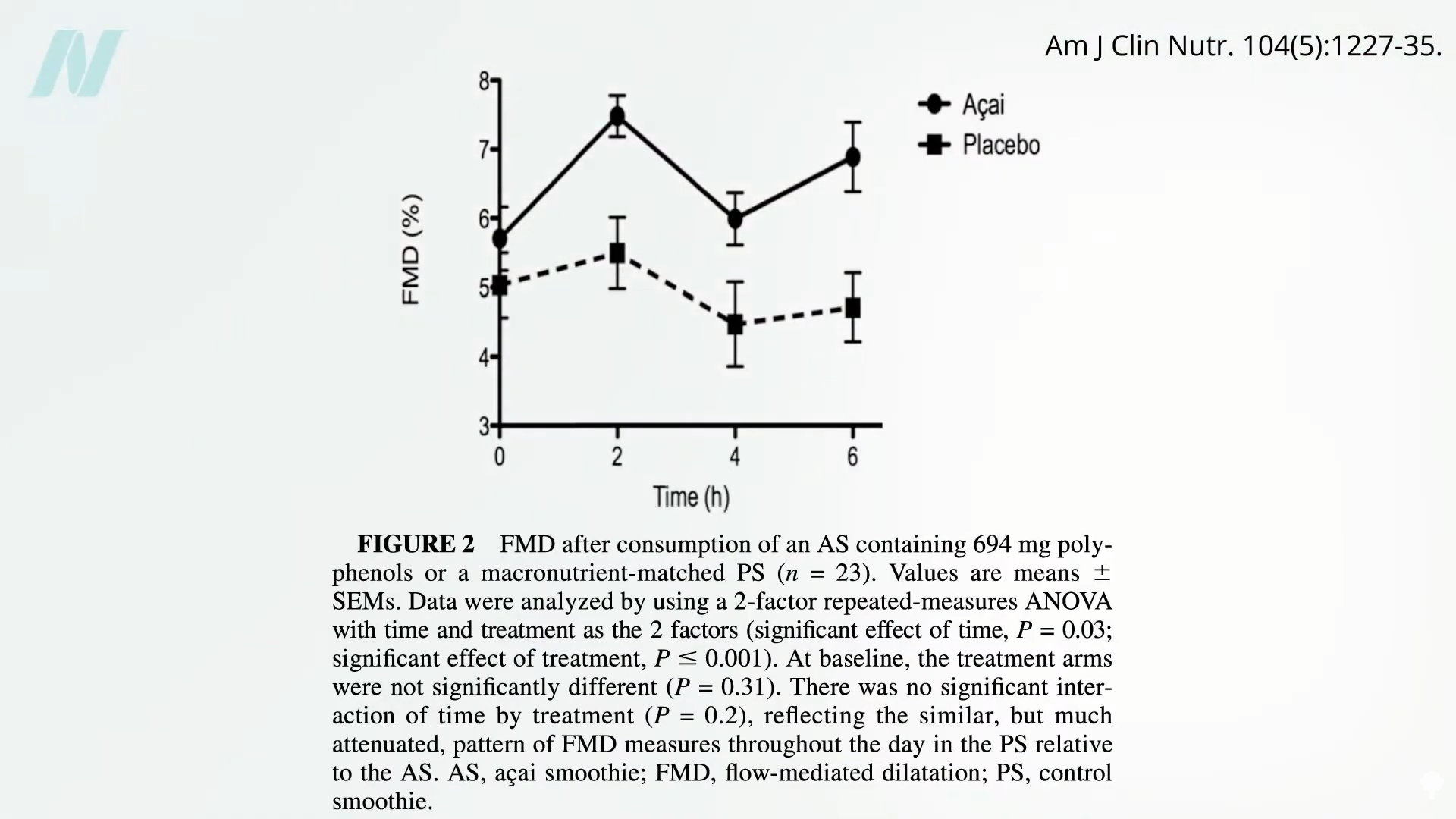
Further research has explored the impact of other berries, such as acai. One study found that acai smoothie packs, blended with banana and water, significantly rehabilitated arterial function compared to a control smoothie with the same banana and water, but colored to mimic the acai. This points to the inherent beneficial properties of acai in improving vascular health.
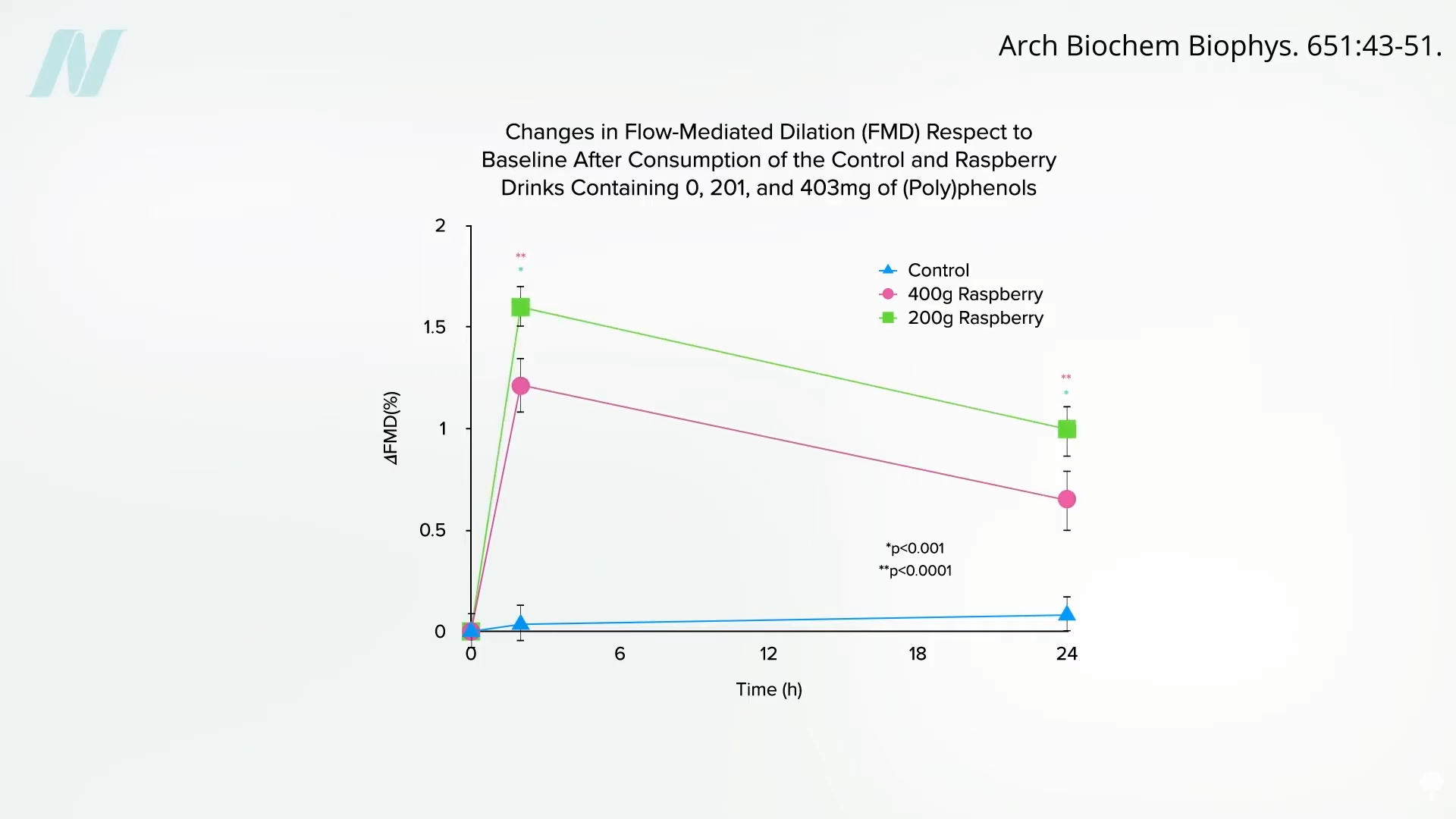
Raspberries have also demonstrated remarkable artery-protective capabilities. A double-blind, randomized, controlled trial investigated the effects of raspberry smoothies. Participants who consumed either a smoothie made with red raspberries or a placebo drink were monitored for changes in artery function. The placebo drink had no effect, but both raspberry smoothie variations significantly improved artery function for up to 24 hours. Notably, a smaller dose of raspberries (three-quarters of a cup) appeared to be as effective as a larger dose (one and a half cups), suggesting a dose-response plateau, similar to what has been observed with blueberries.
While the immediate improvement in artery function from a single berry smoothie might be around 1%, the cumulative effect at a population level is substantial. Each 1% increase in arterial function is associated with a 12% reduction in the risk of cardiovascular events such as heart attacks and strokes. This finding underscores the significant public health implications of incorporating berries into the diet.
The Nuances of Juice: Whole Fruit vs. Concentrated Sugars
The debate extends to berry juices. Studies on cranberry juice have shown that higher concentrations of juice can improve artery function. A 25% cranberry juice drink provided a moderate boost, while a 50% concentration maintained its effect for up to eight hours. Even higher concentrations demonstrated improvements in artery function within hours of consumption.
However, it is crucial to distinguish between whole berries and concentrated juices, especially when consumed alongside unhealthy meals. Research indicates that berry juice may not be as effective in counteracting artery dysfunction caused by high-fat meals. One study combining grapes, blueberries, strawberries, lingonberries, and black aronia berries into a cocktail found no significant improvement in artery function after a high-fat meal. While consuming the berries alone would likely be beneficial, their ability to mitigate the damage from a subsequent high-fat meal was limited in this specific formulation.
Furthermore, the consumption of fruit juice with fatty meals can potentially exacerbate negative effects. Studies involving orange juice with fatty meals, such as bacon and cheese muffins, have shown that orange juice can lead to a prolonged period of elevated fat levels in the blood. This is theorized to occur because the body preferentially burns the rapidly absorbed free sugars in the juice for energy, sugars that are not encased in cell walls as they are in whole fruits. This can delay the metabolism of dietary fats, potentially leading to adverse health outcomes. Even plain orange juice, when consumed with a high-fat meal like ham and cheese croissants, proved ineffective in preventing arterial dysfunction, as were green tea and red wine in that context.
Broader Implications and Future Directions
The consistent findings across these studies highlight a critical principle: diet plays a pivotal role in maintaining cardiovascular health, particularly the intricate functioning of our arteries. The evidence strongly supports the benefits of whole plant foods, especially fruits and nuts, in promoting vascular well-being. While the occasional indulgence in less healthy foods may be difficult to avoid entirely, understanding which foods can help mitigate the damage is invaluable.
The research presented here, primarily stemming from the work of Dr. Michael Greger and his organization NutritionFacts.org, aims to provide evidence-based nutritional guidance. This series, focusing on the impact of fast food and dietary interventions, builds upon previous explorations into how single meals can impair arteries and lungs, and whether exercise can counteract the effects of high-fat meals.
The implications of this research are far-reaching. By making informed dietary choices, individuals can proactively support their cardiovascular health, potentially reducing their risk of heart attacks, strokes, and other related conditions. Further research continues to explore the specific mechanisms by which different foods exert their effects and to identify optimal dietary strategies for long-term cardiovascular wellness. The consistent message is clear: prioritizing a diet rich in whole, plant-based foods offers a powerful and accessible path to healthier arteries and a healthier life.

