

The intense physical exertion that follows a demanding workout often leaves athletes and fitness enthusiasts alike feeling the strain throughout their bodies. This pervasive soreness, commonly known as delayed onset muscle soreness (DOMS), is a familiar byproduct of pushing physical limits. However, emerging research is shedding light on a less obvious, yet potentially significant, factor influencing post-exercise discomfort and recovery: the intricate relationship between our gut microbiome and the consumption of polyphenols, powerful plant compounds found in everyday foods.
A recent comprehensive review, published in the esteemed journal ScienceDirect, has synthesized a wealth of scientific literature to explore how these naturally occurring phytochemicals might interact with the trillions of microorganisms residing in our digestive tracts, ultimately impacting our body’s response to exercise. This groundbreaking research moves beyond the conventional focus on muscular repair, directing attention towards the gut as a crucial mediator in the complex equation of athletic performance and recovery. The study, which meticulously analyzed over 80 published papers, consolidates findings from laboratory investigations, mechanistic research explaining biological processes, and human intervention trials, aiming to unravel the bidirectional interplay between polyphenols, gut bacteria, and the physiological demands of exercise.
Understanding Polyphenols: Nature’s Potent Plant Compounds
Polyphenols are a vast and diverse group of naturally occurring compounds found abundantly in the plant kingdom. They are primarily known for their antioxidant properties, which play a vital role in protecting cells from damage caused by free radicals. These beneficial compounds are not a single entity but are categorized into four main classes based on their chemical structures: phenolic acids, stilbenes, lignans, and flavonoids. Flavonoids, in particular, represent the largest and most extensively studied group of polyphenols, and are commonly found in a wide array of palatable foods.
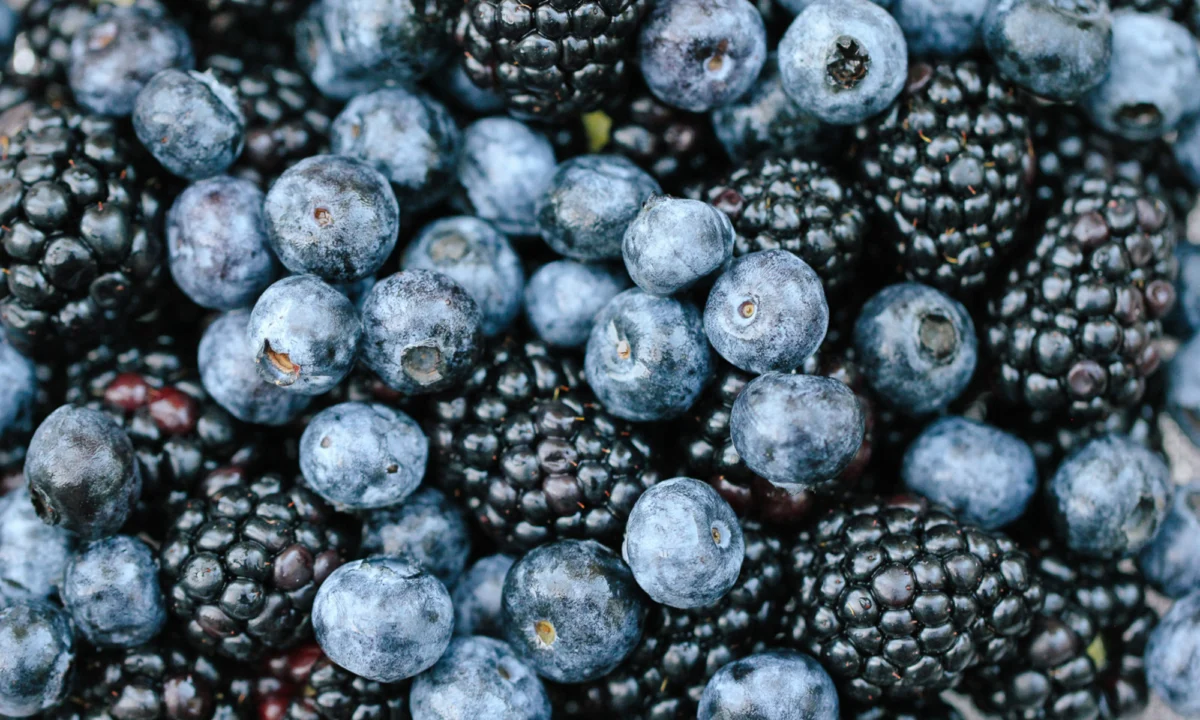
Sources of these remarkable compounds are readily available in our diets. Berries, such as blueberries and blackberries, are renowned for their high polyphenol content. Other significant sources include coffee, cocoa (the primary ingredient in chocolate), tea (both green and black varieties), red wine, apples, onions, and various nuts and seeds. The widespread availability and inclusion of these foods in a balanced diet mean that most individuals are regularly consuming polyphenols, often without conscious awareness of their physiological impact.
The scientific community has long recognized the potential health benefits associated with polyphenol consumption, with research consistently linking them to improvements in cardiovascular health, reduced inflammation, and enhanced cognitive function. More recently, specific polyphenols have been investigated for their positive effects on exercise-related outcomes, including accelerated muscle recovery and improved vascular function. However, the precise mechanisms underpinning these benefits have remained an area of active investigation. The review in ScienceDirect proposes that the gut microbiome may serve as a critical, yet often overlooked, pathway through which polyphenols exert their exercise-enhancing effects.
The Gut Microbiome: A Hidden Partner in Exercise Recovery
The human gut is a bustling ecosystem, home to trillions of microorganisms, including bacteria, viruses, fungi, and archaea, collectively known as the gut microbiome. This complex community plays a fundamental role in numerous bodily functions, from nutrient absorption and immune system regulation to influencing mood and metabolism. Emerging research indicates a profound connection between the composition and activity of the gut microbiome and an individual’s response to physical stress.
During strenuous exercise, particularly in conditions of elevated ambient temperature, the digestive system can experience significant physiological strain. This stress can manifest as gastrointestinal discomfort, such as nausea, cramping, or diarrhea, commonly referred to as "runner’s trots" or exercise-induced gastrointestinal distress. One proposed reason for this discomfort is the temporary compromise of the gut’s protective lining. This intestinal barrier, composed of a single layer of epithelial cells, is crucial for preventing the translocation of bacteria and toxins from the gut lumen into the bloodstream. Intense physical activity can lead to reduced blood flow to the intestines, increased gut permeability, and an inflammatory response, potentially weakening this barrier.
The review highlights a compelling hypothesis: polyphenols may act as prebiotics, selectively feeding beneficial gut bacteria. Certain studies have observed an increase in the populations of specific beneficial microbes, such as Akkermansia muciniphila and various Lactobacillus species, following the consumption of polyphenol-rich foods or supplements. These bacteria are known for their contributions to gut health. Akkermansia muciniphila, for instance, is recognized for its role in maintaining the integrity of the gut lining by promoting mucin production, the primary component of the protective mucus layer. Lactobacillus species are well-established probiotics, contributing to a balanced gut environment and supporting immune function.
When these beneficial microbes are nourished by polyphenols, they can proliferate and enhance their metabolic activities. A key byproduct of this microbial activity is the production of short-chain fatty acids (SCFAs), such as acetate, propionate, and butyrate. SCFAs are vital for maintaining gut health; butyrate, in particular, serves as a primary energy source for the cells lining the colon and plays a significant role in reducing inflammation within the gut. Furthermore, SCFAs have been implicated in modulating systemic inflammation and influencing energy metabolism throughout the body, both of which are critical factors in exercise recovery.
Evidence from human trials lends support to this connection. One recent study, cited within the review, investigated the impact of tart cherry polyphenols on muscle function following exercise-induced muscle damage. Participants who exhibited higher levels of specific gut-derived compounds after consuming tart cherry extract demonstrated superior muscle function post-exercise compared to those who did not. This suggests that the gut microbiome’s metabolic response to tart cherry polyphenols may be a key factor in mitigating exercise-induced muscle damage and accelerating recovery.
Beyond the Gut: Direct Polyphenol Actions
While the influence of polyphenols on the gut microbiome is a significant area of focus, the review also acknowledges that these compounds exert beneficial effects through other direct mechanisms within the body, independent of gut microbial metabolism. Polyphenols possess potent antioxidant and anti-inflammatory properties that can directly combat the cellular damage and inflammatory cascade triggered by intense physical exertion.
One proposed direct mechanism involves enhanced fat metabolism. Polyphenols may influence enzymes and signaling pathways involved in lipid oxidation, potentially promoting the body’s ability to utilize fat as a primary fuel source during endurance exercise. This could lead to improved energy availability and reduced reliance on glycogen stores, thereby delaying fatigue.
Furthermore, polyphenols are known to support endothelial function, the health of the inner lining of blood vessels. Improved blood flow is crucial for delivering oxygen and nutrients to working muscles and for efficiently removing metabolic waste products. By promoting vasodilation and reducing oxidative stress within the vascular system, polyphenols can contribute to better nutrient and oxygen delivery, facilitating both performance and recovery.
The anti-inflammatory effects of polyphenols are also critically important in the context of exercise. While inflammation is a natural and necessary part of the repair process following exercise-induced muscle damage, excessive or prolonged inflammation can hinder recovery and increase the risk of injury. Polyphenols can modulate inflammatory signaling pathways, helping to dampen the inflammatory response without completely suppressing the beneficial aspects of this physiological process.
Navigating the Nuances: Limitations and Future Directions
Despite the promising findings, the researchers emphasize that this is an evolving field of study, and caution against premature conclusions or the overreliance on specific supplements. The sheer diversity of polyphenols—with over 8,000 identified in commonly consumed foods—means that only a fraction have been subjected to rigorous scientific scrutiny regarding their specific effects on human physiology and the gut microbiome.
Much of the existing evidence is derived from mechanistic studies conducted in vitro (in laboratory settings) or in vivo on animal models, as well as relatively small-scale human trials. While these studies provide valuable insights into potential biological pathways, they do not always translate directly to broad recommendations for human populations. The complex interactions within the gut microbiome and between different polyphenols can vary significantly between individuals, influenced by genetics, diet, lifestyle, and other environmental factors.
The review also points out that the bioavailability of polyphenols—how effectively they are absorbed and utilized by the body—can be influenced by their chemical structure and the food matrix in which they are consumed. For instance, polyphenols bound within plant cell walls may be less accessible to absorption than those in a more soluble form. The role of gut bacteria in metabolizing and transforming these compounds before they can be absorbed further complicates the picture.
Practical Applications: Embracing Whole Foods for Polyphenol Benefits
Given the current state of scientific understanding, the researchers advocate for a practical, food-centric approach to harnessing the potential benefits of polyphenols for exercise recovery and performance. They caution against the widespread use of isolated polyphenol supplements or extracts, as there is insufficient evidence to recommend specific dosages or formulations. Instead, the emphasis is placed on incorporating a variety of polyphenol-rich whole foods into a regular diet.
This strategy offers a synergistic approach, as whole foods contain a complex matrix of nutrients, fiber, and other bioactive compounds that likely work together to promote health. For athletes and active individuals, this translates to prioritizing fruits, vegetables, whole grains, nuts, seeds, coffee, and tea. Examples include:
- Berries: A cornerstone for polyphenol intake, offering anthocyanins and other flavonoids.
- Dark Chocolate and Cocoa: Rich in flavanols, known for their cardiovascular benefits.
- Coffee and Tea: Significant sources of chlorogenic acids and catechins, respectively.
- Apples and Pears: Contain quercetin and other flavonoids.
- Onions and Garlic: Provide organosulfur compounds and flavonoids.
- Nuts and Seeds: Offer lignans and other beneficial phytonutrients.
A balanced dietary pattern that emphasizes these whole food sources ensures a diverse intake of polyphenols, maximizing the potential for positive interactions with the gut microbiome and direct physiological effects. This approach is not only effective but also sustainable and enjoyable, aligning with general recommendations for a healthy diet.
The Evolving Landscape of Exercise Science
The integration of gut microbiome research into exercise physiology marks a significant advancement in our understanding of human performance. The review’s findings underscore the notion that optimizing athletic outcomes may require a holistic approach that considers not only training protocols and macronutrient intake but also the intricate world within our digestive tracts.
As scientific inquiry continues to delve deeper into the complex mechanisms of polyphenol-gut microbiome interactions, future research will likely focus on identifying specific polyphenol structures that elicit the most significant beneficial effects, understanding individual variations in response, and developing evidence-based dietary strategies for athletes. The development of personalized nutrition plans that consider an individual’s gut microbiome profile and polyphenol metabolism could become a cornerstone of future sports science.
In conclusion, the recent review published in ScienceDirect provides a compelling overview of the potential role of polyphenols and the gut microbiome in exercise recovery and performance. While the research is still in its nascent stages, the evidence suggests that embracing a diet rich in polyphenol-containing whole foods is a sensible and scientifically supported strategy for individuals seeking to enhance their athletic endeavors and optimize their post-exercise recuperation. The journey of discovery into the gut’s influence on our physical capabilities is ongoing, promising further insights into the multifaceted nature of human health and performance.

