

Recent scientific investigations are shedding new light on the profound and immediate effects of dietary choices on vascular function, particularly focusing on the artery-dilating capabilities of the endothelium. Research consistently indicates that plant-based diets confer significant advantages in this regard, a stark contrast to the detrimental impacts observed after consuming meals high in animal fats. While the ideal scenario for cardiovascular health remains a diet rich in whole, unprocessed plant foods, emerging studies are exploring the potential of specific foods to mitigate the transient negative effects of less healthy dietary choices.
Vegetarian Diets and Superior Artery Function
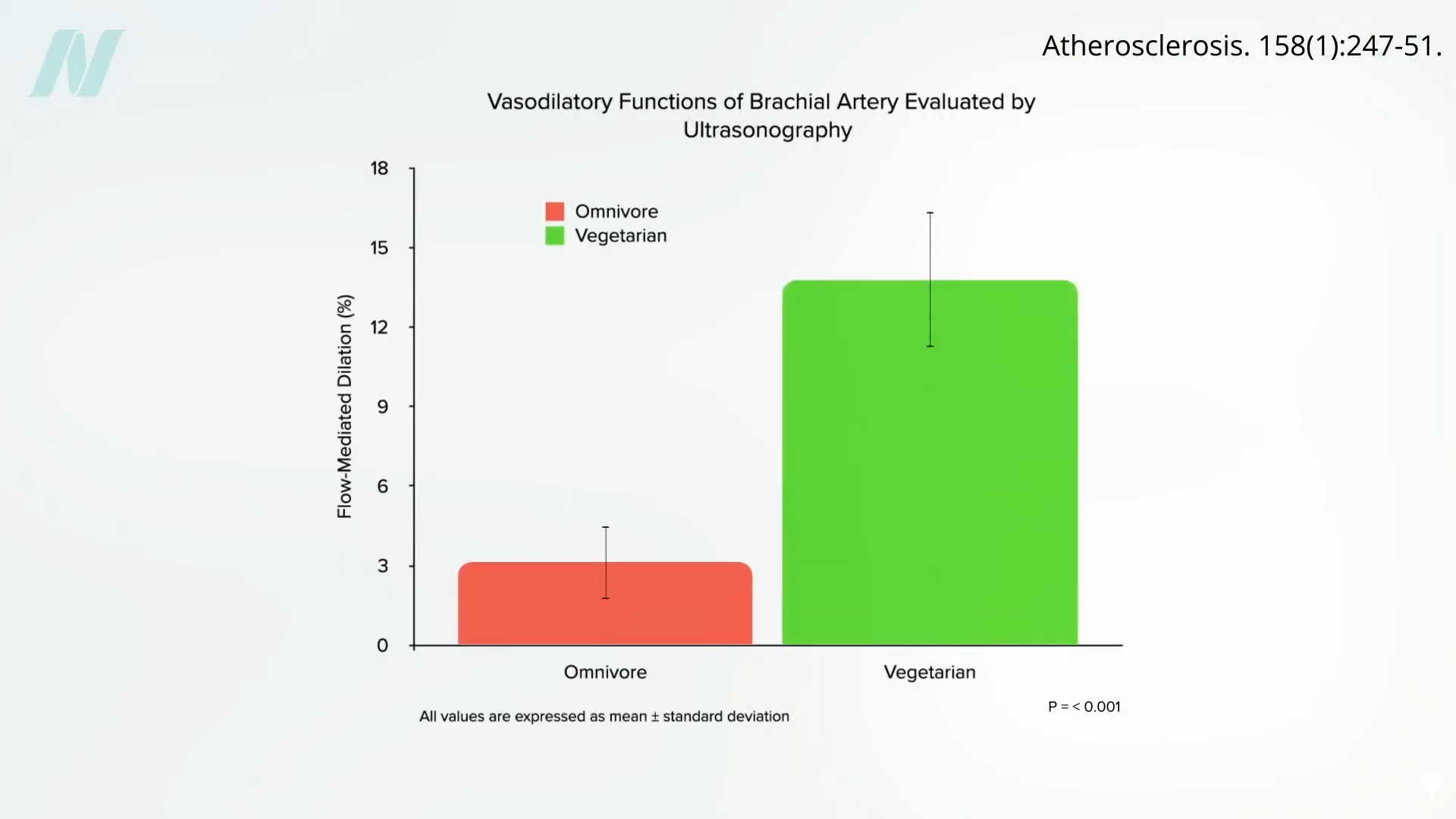
A foundational study that has significantly influenced this area of research compared the arterial function of vegetarians and meat-eaters. The findings revealed a remarkable difference: vegetarians exhibited significantly better endothelial function, characterized by a fourfold improvement in their arteries’ ability to dilate and allow for increased blood flow. This enhancement is crucial for maintaining healthy circulation and preventing the cascade of events that lead to cardiovascular disease.

Initially, researchers acknowledged that vegetarians often exhibit healthier lifestyle habits, such as lower rates of smoking, smaller body mass indexes, and reduced prevalence of conditions like diabetes, high cholesterol, and hypertension. However, the study meticulously controlled for these confounding factors. Participants were carefully selected to include only healthy, non-smoking individuals. Furthermore, a cohort of meat-eaters was recruited who were similarly slim and presented with comparable blood pressure and nearly identical cholesterol levels. Despite these efforts to equalize the groups, the vegetarians consistently demonstrated superior artery function.
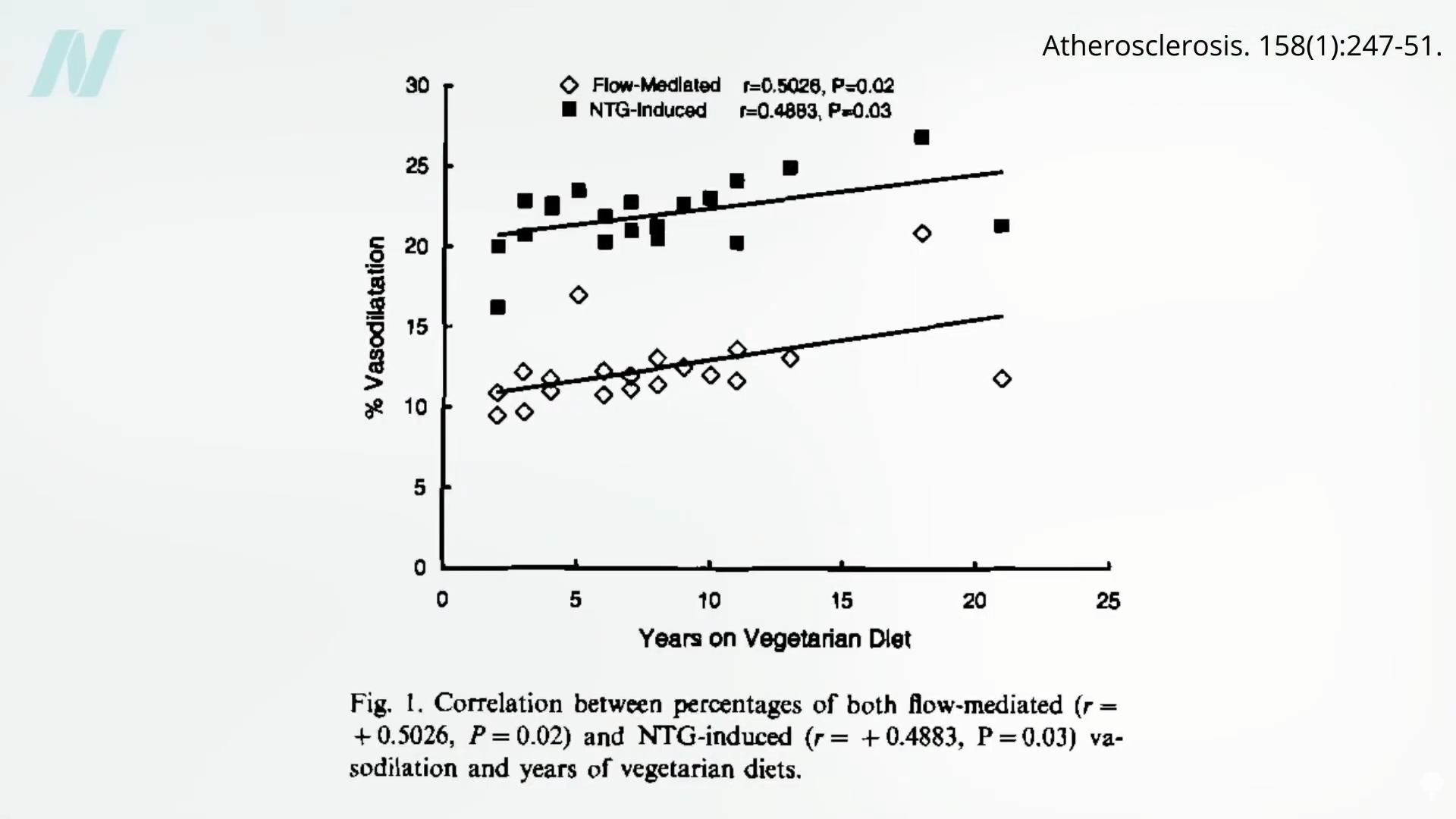
The research further illuminated a dose-response relationship: the longer an individual adhered to a meat-free diet, the more pronounced the improvement in their arterial function. This trend defied the typical age-related decline in vascular health. Instead, as individuals spent more years abstaining from meat, their artery function not only stabilized but actively improved. This compelling evidence strongly suggests that vegetarian diets, independent of other lifestyle factors, exert a direct and beneficial influence on vascular health, potentially explaining the observed lower rates of atherosclerosis and cardiovascular mortality in these populations.
The implications of these findings are far-reaching. They point towards the food itself as the critical determinant of vascular well-being. While the absence of the potentially harmful components of meat is undoubtedly a factor, the increased consumption of nutrient-dense whole plant foods, such as vegetables, likely plays an equally significant role. Studies indicate that vegetarians may consume, on average, an additional serving of vegetables daily, contributing vital antioxidants and anti-inflammatory compounds to their diet.
The Impact of "Junk Food" Meals on Arterial Function
To further dissect the impact of dietary components, researchers have conducted studies comparing the effects of different types of "junky" meals. One notable comparison involved an Egg McMuffin, Sausage McMuffin, and hash brown patties versus Frosted Flakes cereal. The results were illuminating: the high-fat fast-food meal significantly impaired artery function within hours of consumption. In contrast, the sugary cereal meal, while not ideal, did not elicit the same immediate negative vascular response.
This observation led to the hypothesis that animal fat, rather than fat in general, might be the primary culprit behind the immediate artery dysfunction. This is supported by research on high-fat plant-based foods. For instance, whole plant foods rich in healthy fats, such as nuts, do not appear to have the same adverse effect. In fact, a comprehensive systematic review of randomized controlled trials examining the impact of nut consumption on artery function revealed that regular nut intake leads to significant, long-term improvements in vascular health.
Nuts as Potential Arterial Protectors
The question then arises: can nuts counteract the artery-damaging effects of unhealthy foods? Research suggests that certain nuts possess this capability, though the extent varies. Studies have indicated that walnuts, for example, can help mitigate the negative vascular impact of a salami sandwich, while almonds may not offer the same degree of protection. This highlights the nuanced nutritional profiles of different nuts and their distinct physiological effects.
The analogy is drawn to fruits, where some, like blueberries, are demonstrably more beneficial than others, such as bananas. Similarly, within the nut category, walnuts appear to be the "blueberries" of nuts in terms of their vascular benefits. This suggests that not all healthy foods are created equal, and specific food choices can have differential impacts on health outcomes.
Berries: A Powerhouse for Arterial Health
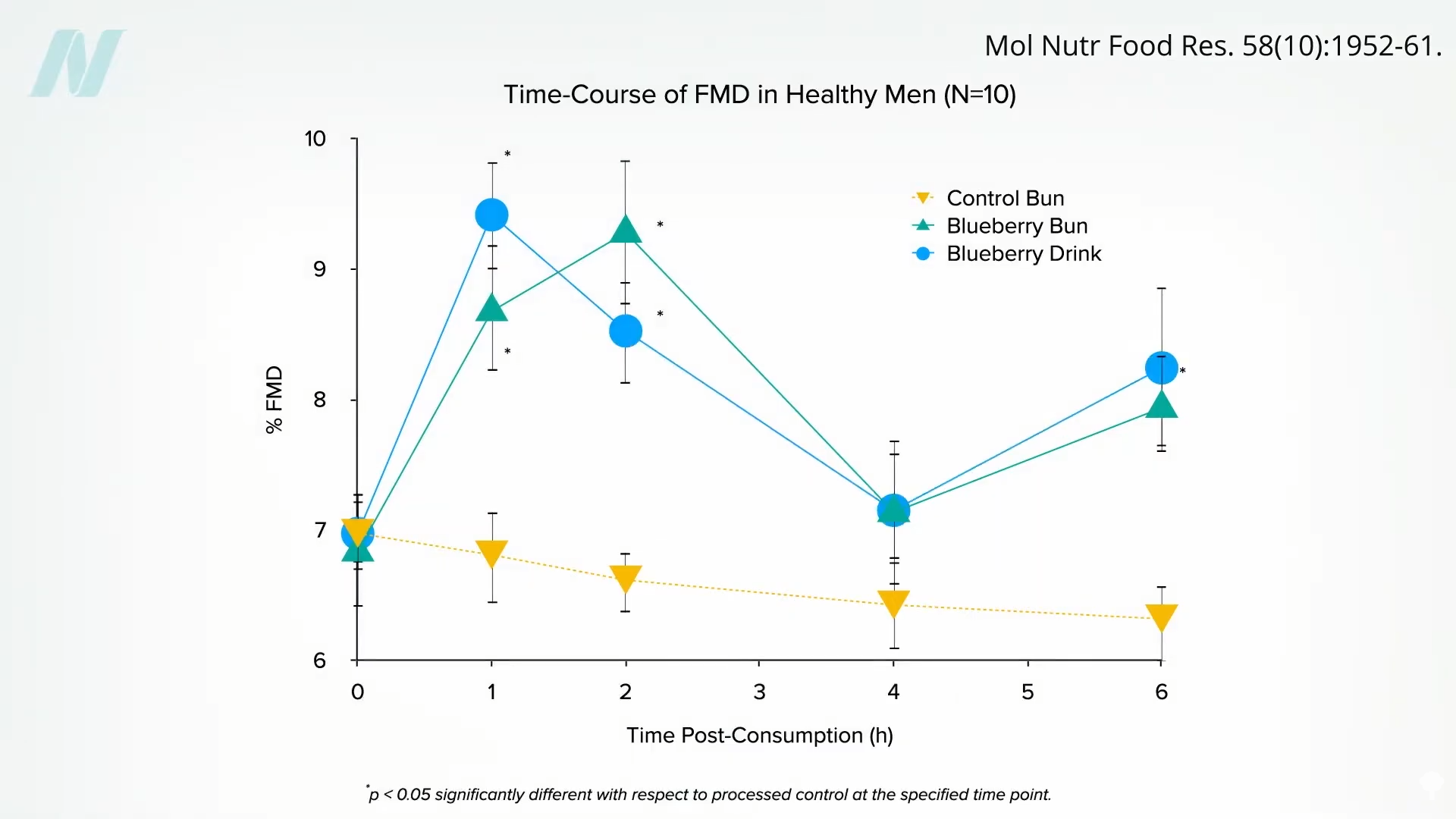
The "blueberry of berries" is indeed blueberries themselves. A randomized, controlled crossover trial investigated the effects of consuming cooked blueberries, raw blueberries, or no blueberries at all. Participants were fed a standard bun composed of white flour, eggs, butter, and salt, laden with sugar and eggs – a meal designed to negatively impact artery function. Over a six-hour period, a gradual decline in artery function was observed in the control group. However, when the equivalent of one cup of wild blueberries was incorporated into the same bun, a significant boost in artery function was recorded, nearly mirroring the effect of consuming blueberries mixed with plain water. This demonstrates the potent capacity of blueberries to counteract the negative vascular effects of a high-fat, high-sugar meal.
While blueberries show remarkable efficacy, the protective power of other berries can vary. A study examining strawberries in conjunction with a rich breakfast of two cheese blintzes, whipped cream, sugary syrup, eggs, and bacon, found that the strawberries were unable to fully rescue artery function from the combined assault of these unhealthy components. This suggests that while berries are beneficial, the sheer magnitude of an unhealthy meal can overwhelm their mitigating effects.
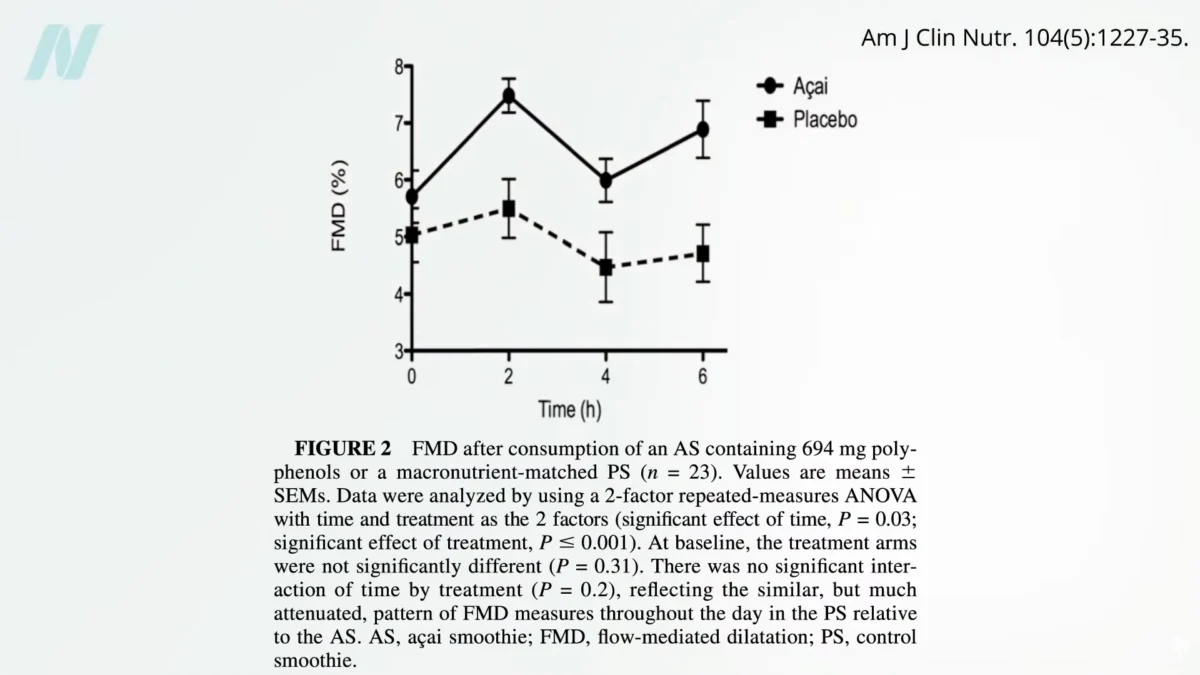
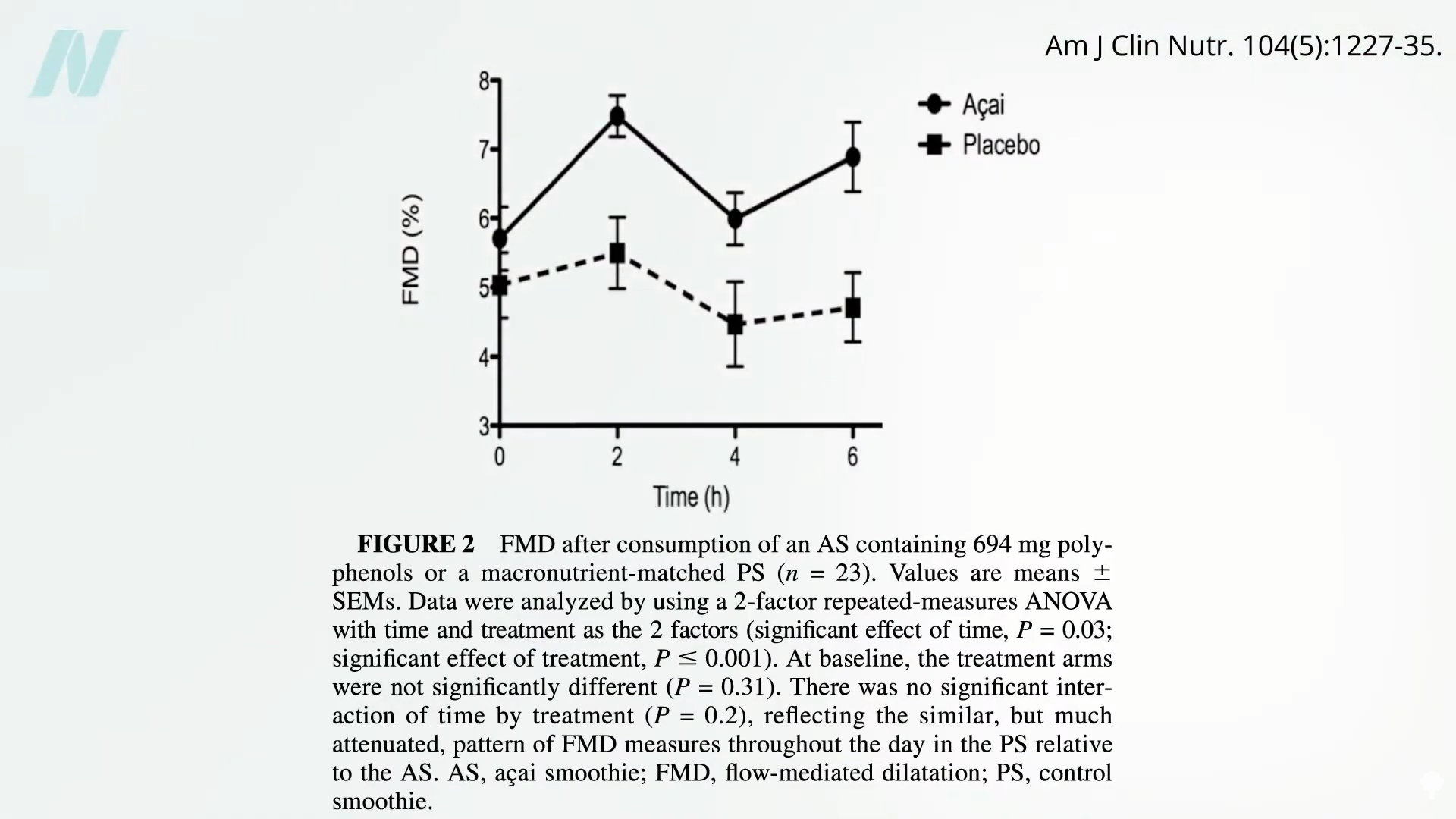
Acai berries, another potent superfruit, have also been investigated for their vascular benefits. A study compared the effects of an acai smoothie against a control smoothie with a similar fat content. The acai smoothie, blended with half a small banana in water, significantly rehabilitated arterial function compared to the control. Even when the control smoothie was colored to mimic the appearance of the acai version, the physiological benefits of the acai were evident, underscoring the unique properties of this berry.
The Remarkable Impact of Raspberries and Cranberries
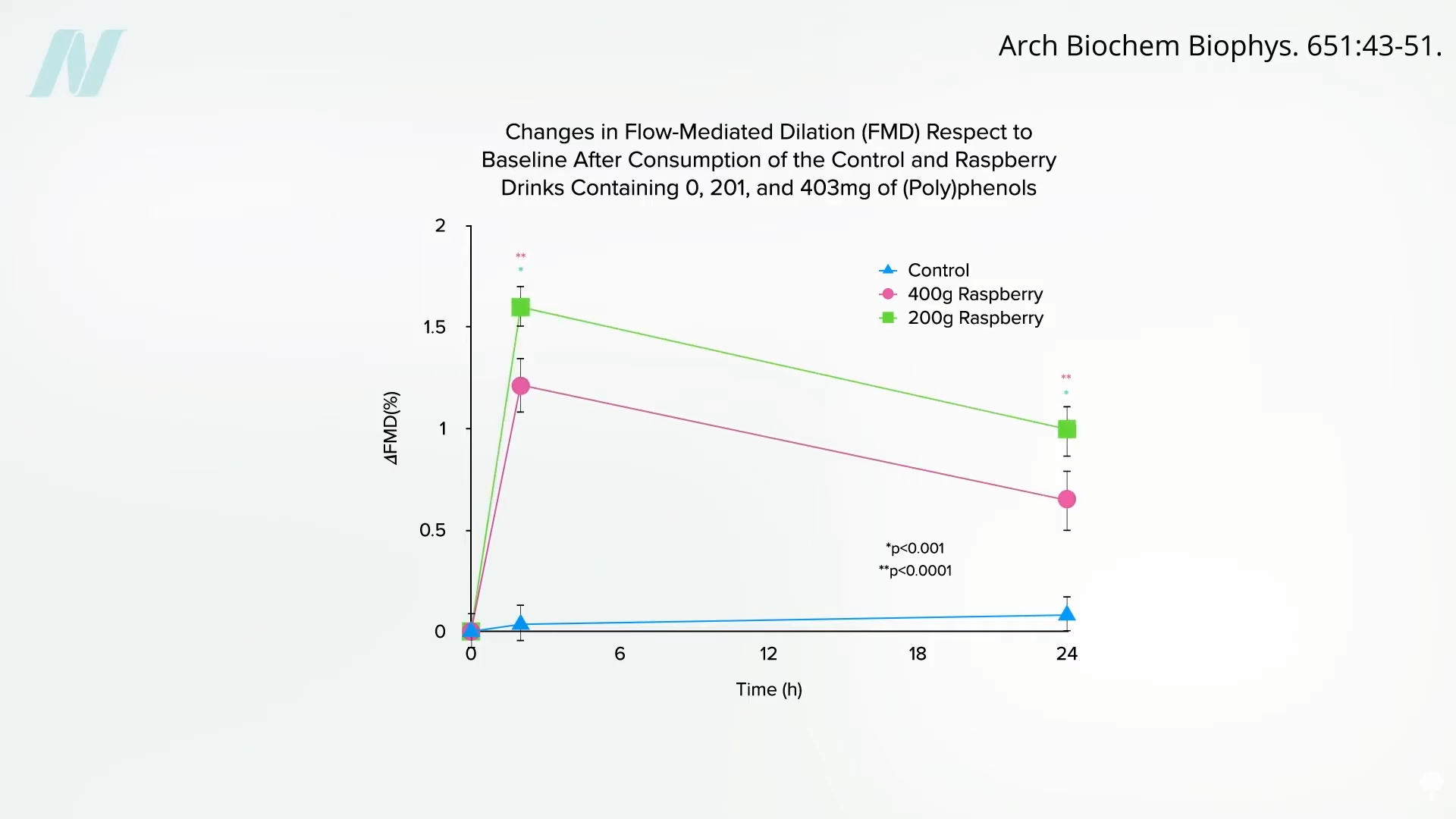
Red raspberries have emerged as another significant player in promoting arterial health. A rigorous double-blind, randomized, controlled trial investigated the effects of raspberry consumption. Participants consumed either a smoothie made with red raspberries or a placebo drink designed to match in color and taste. The placebo had no effect on artery function. However, both raspberry smoothie formulations, irrespective of the dosage (approximately ¾ cup versus 1½ cups), led to significant improvements in artery function, which persisted for up to 24 hours.
While the acute improvement in artery function might appear modest, around 1%, its long-term implications at a population level are substantial. Each 1% increase in endothelial function is associated with a 12% reduction in the risk of major cardiovascular events, such as heart attacks and strokes. This finding underscores the profound preventive potential of regular berry consumption.
Cranberry juice has also demonstrated positive effects on vascular health. Researchers tested various concentrations of cranberry juice against a placebo. A 25% cranberry juice drink provided a modest improvement in artery function at two hours, while a 50% concentration sustained these benefits for up to eight hours. Higher concentrations, including nearly pure juice and an ultraconcentrated version, also showed significant improvements in artery function within hours of consumption. These studies were conducted with berry juice alone, highlighting their intrinsic vascular benefits.
Limitations and the Importance of Meal Context
However, the context of consumption is critical. When berry juice was tested against a high-fat meal – a cocktail of grapes, blueberries, strawberries, lingonberries, and black aronia berries – the combined juice did not show a significant protective effect against the artery dysfunction induced by the high-fat meal. While consuming berries alone would likely offer benefits, their capacity to counteract a significant artery-damaging meal may be limited.
Further research has explored the efficacy of other beverages in mitigating the effects of unhealthy meals. A study involving ham and cheese croissants, a high-fat meal, tested the impact of accompanying drinks such as water, orange juice, green tea, or red wine. The results indicated that orange juice, green tea, and red wine offered no protection against the artery dysfunction caused by the croissants. In fact, consuming orange juice with a fatty meal, such as bacon and cheese muffins, may exacerbate the situation. Research suggests that the body preferentially burns the rapidly absorbed free sugars from the juice, potentially leading to a prolonged period of elevated blood fat levels, as these sugars are not encased in cell walls like those found in whole fruits.
The Doctor’s Note: A Broader Perspective on Fast Food and Lifestyle
These findings are part of a broader investigation into the effects of fast food and dietary choices on health. Previous reports in this series have explored how single meals can impair arterial and lung function, and whether exercise can effectively counteract the negative effects of high-fat meals. The overarching message from this body of research is clear: while certain foods possess remarkable properties that can support vascular health and potentially mitigate the transient negative impacts of less healthy options, the most robust and sustainable approach to cardiovascular well-being lies in the consistent adoption of a whole-foods, plant-based diet. The immediate and cumulative effects of our dietary choices on our arteries are undeniable, making informed food selection a cornerstone of long-term health.

