

The human body, a marvel of evolutionary engineering, relies on a delicate balance of minerals for optimal function. Among these, potassium plays a critical, yet often overlooked, role in maintaining cardiovascular health. Our modern dietary habits, however, have drifted significantly from the potassium-rich diets our ancestors thrived on, leading to a global health crisis marked by rising rates of hypertension and its devastating consequences. While whole, plant-based foods remain the gold standard for potassium intake, the advent of potassium chloride salt substitutes presents a compelling, albeit nuanced, avenue for improving public health.
The Evolutionary Disconnect: From Abundance to Deficiency
The fundamental premise underlying optimal human nutrition is rooted in our evolutionary past. Scientific consensus suggests that our Paleolithic ancestors consumed a diet teeming with potassium, derived from a wide array of fruits, vegetables, leafy greens, roots, and tubers. This ancestral dietary pattern, characterized by a high potassium-to-sodium ratio, is believed to have been crucial for maintaining healthy blood pressure and overall physiological equilibrium.
Estimates suggest that ancestral potassium intake may have reached as high as 15,000 milligrams per day. This stands in stark contrast to current dietary recommendations and actual consumption levels in many developed nations. The transition to modern, processed food diets has led to a dramatic shift: a reduction in potassium-rich whole foods and a simultaneous surge in the consumption of calorie-dense, nutrient-poor processed items laden with added fats, sugars, and, critically, sodium. This dietary upheaval has not only stripped away essential fiber but also significantly diminished our intake of potassium.
The consequences of this evolutionary disconnect are starkly evident in global health statistics. High blood pressure, or hypertension, has emerged as the second leading risk factor for death worldwide, claiming over 10 million lives annually. This staggering figure underscores the profound impact of lifestyle and dietary choices on public health. The World Health Organization consistently ranks unhealthy diets, characterized by imbalances in nutrient intake, as a primary driver of mortality.
The Salt-Sodium Imbalance: A Silent Killer
The pervasive presence of sodium in the modern diet is a critical factor contributing to hypertension. Sodium chloride, commonly known as table salt, is a ubiquitous ingredient in processed foods, restaurant meals, and even many seemingly innocuous snacks. While sodium is an essential mineral, excessive intake disrupts the body’s fluid balance and places undue strain on the cardiovascular system.
In traditional, predominantly plant-based diets, the intake of sodium was naturally low, while potassium levels were high. This inherent potassium-rich, sodium-poor environment facilitated a healthy blood pressure regulation. However, the modern food landscape has inverted this balance, leading to a chronic overconsumption of sodium and a deficit in potassium.
The Promise of Potassium-Rich Foods
The most direct and beneficial approach to rectifying this dietary imbalance lies in embracing whole, unprocessed plant foods. Greens, beans, fruits, and vegetables are not only excellent sources of potassium but also provide a wealth of other essential nutrients, fiber, and antioxidants that contribute to overall well-being.
Studies have consistently demonstrated that increasing the consumption of potassium-rich foods can lead to significant reductions in blood pressure. This effect is attributed to potassium’s ability to counteract the pressor effects of sodium, promoting vasodilation (widening of blood vessels) and aiding in the excretion of excess sodium through the kidneys.
Exploring Salt Substitutes: A Practical Approach
Recognizing the widespread issue of high sodium intake and potassium deficiency, researchers and health professionals have explored alternative strategies to mitigate these risks. Among these, potassium chloride-based salt substitutes have emerged as a promising, albeit debated, intervention.
Potassium chloride is the most common ingredient used in salt substitutes, effectively replacing sodium chloride. The fundamental principle behind these substitutes is to swap out detrimental sodium for beneficial potassium, thereby lowering overall sodium intake while simultaneously increasing potassium consumption.

Evidence for Efficacy:
A meta-analysis of numerous randomized controlled trials provides compelling evidence for the effectiveness of potassium chloride salt substitutes in lowering blood pressure. These studies, which involved replacing regular salt with substitutes containing varying percentages of potassium chloride, consistently demonstrated a reduction in both systolic and diastolic blood pressure.
Intriguingly, even substitutes with a relatively low percentage of potassium chloride (less than 30%) yielded significant results. Furthermore, a substantial portion of participants in these trials could not distinguish between regular salt and potassium chloride substitutes with less than 30% potassium chloride content, suggesting a palatable and accessible option for many individuals.
Navigating the Nuances: Taste and Safety Considerations
While the blood pressure-lowering benefits of potassium chloride salt substitutes are well-documented, considerations regarding taste and safety are paramount. The U.S. Food and Drug Administration (FDA) generally regards potassium chloride as "Generally Recognized As Safe" (GRAS). However, a significant concern for some individuals, particularly when using 100% potassium chloride substitutes exclusively, is the potential for an altered taste profile. Some users report a bitter or metallic aftertaste, which can vary depending on the specific food being seasoned.
Personal experiences with salt substitutes highlight this variability. While effective in enhancing the flavor of certain dishes, such as pesto, the same substitute may render other foods, like watermelon, unpalatable. This suggests that individual palates and culinary applications play a role in the successful adoption of these substitutes.
The Role of Healthy Kidneys: A Crucial Regulator
The body’s ability to regulate potassium levels is intrinsically linked to kidney function. Healthy kidneys play a vital role in excreting excess potassium, preventing potentially harmful accumulations in the bloodstream. This natural regulatory mechanism is why healthy individuals can generally consume higher amounts of potassium without adverse effects.
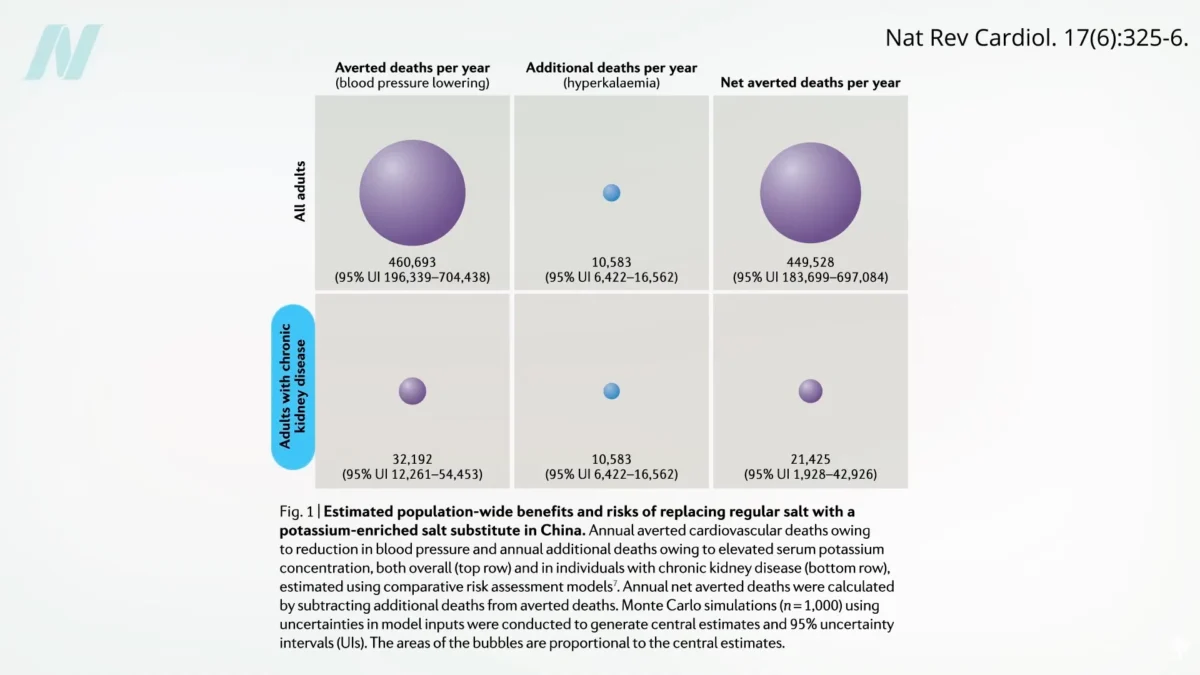
Research indicates that healthy kidneys can effectively manage potassium intake, even at significantly elevated levels. Studies have shown that individuals can consume up to 15,000 mg of potassium per day, a level consistent with our ancestral dietary intake, without experiencing dangerous hyperkalemia (high blood potassium). This is further supported by findings from long-term potassium supplementation studies, which have not shown adverse effects at doses as high as 3,000 mg per day.
The normal range for blood potassium levels is typically between 3.5 and 5.0 millimoles per liter (mmol/L). Even with increased potassium intake, such as that seen in salt substitution trials where participants receive approximately 2,000 mg daily, blood potassium levels typically increase only marginally, by about 0.14 mmol/L. This slight increase rarely pushes levels into the danger zone.
Identifying At-Risk Populations: The Kidney’s Crucial Role
While potassium is generally safe for most individuals, there are specific populations for whom excessive potassium intake, particularly from supplements or exclusive salt substitute use, can pose a significant risk. This risk is primarily associated with individuals who have severely impaired kidney function.
The kidneys’ diminished capacity to excrete excess potassium can lead to a dangerous buildup in the bloodstream, known as hyperkalemia. This condition can manifest with symptoms ranging from muscle weakness and fatigue to more severe cardiac arrhythmias and even cardiac arrest.
Key populations at higher risk include:

- Individuals with Chronic Kidney Disease (CKD): As kidney function deteriorates, the ability to filter and excrete potassium is compromised.
- Individuals with Diabetes: Diabetes can lead to diabetic nephropathy, a form of kidney damage that impairs potassium regulation.
- Individuals with Severe Heart Failure: Advanced heart failure can affect kidney perfusion and function, impacting potassium balance.
- Individuals on Medications that Impair Potassium Excretion: Certain medications, including some diuretics, ACE inhibitors, and ARBs, can interfere with the kidneys’ ability to eliminate potassium.
- Older Adults: Age-related decline in kidney function can increase susceptibility to potassium imbalances.
- Individuals with Adrenal Insufficiency: Conditions affecting the adrenal glands can disrupt hormonal regulation of potassium.
For individuals within these at-risk groups, close monitoring of kidney function and careful management of potassium intake are essential. Consultation with a healthcare professional to assess kidney function and discuss appropriate dietary strategies, including the judicious use of salt substitutes, is strongly advised.
Extreme Cases and Historical Context
While rare, extreme dietary habits can lead to potassium imbalances even in individuals with healthy kidneys. One documented case involved an individual who consumed up to 20 bananas daily for an extended period, leading to a significant elevation in blood potassium levels. Similarly, excessive consumption of any single food item, such as consuming 10 pounds of carrots daily, often facilitated by juicing, can also lead to imbalances.
Historically, concerns regarding the safety of salt substitutes have surfaced. A 1940s report highlighted cases of lithium poisoning due to the use of lithium chloride as a salt substitute, a practice thankfully abandoned in favor of potassium chloride. More contemporary concerns have focused on the acute toxicity of potassium chloride itself. While a tablespoon of potassium chloride substitute might seem a small amount, it’s important to note that even small quantities of regular salt, ingested rapidly, can be fatal. Ingesting large amounts of salt water was even historically used as a suicide method in ancient China, underscoring the inherent toxicity of excessive mineral intake when the body’s regulatory mechanisms are overwhelmed.
The Evolving Paradigm of Kidney Care and Diet
Historically, dietary recommendations for individuals with kidney disease often involved strict limitations on fruits and vegetables due to their potassium content. This approach was rooted in the concern for preventing hyperkalemia. However, a significant paradigm shift is underway in the management of chronic kidney disease (CKD).
Emerging research strongly supports the benefits of a whole-food, plant-based diet for individuals with CKD. This dietary approach may not only help slow the progression of the disease but also potentially delay the onset of kidney failure. The rationale behind this evolving perspective is that the myriad benefits of plant-based diets, including their anti-inflammatory and antioxidant properties, may counteract the detrimental effects of kidney disease.
Consequently, the practice of universally restricting dietary potassium in kidney patients is increasingly being reserved for individuals with documented hyperkalemia, defined as a blood potassium level of 6 mmol/L or higher. For many individuals with CKD, the key to halting disease progression may lie not in avoiding produce but in embracing it.
Conclusion: A Balanced Approach to a Healthier Future
The journey towards optimal health in the modern era requires a conscious effort to re-align our diets with the nutritional wisdom of our evolutionary past. While the convenience of processed foods has contributed to a widespread deficiency in potassium and an excess of sodium, promising solutions are emerging.
Embracing a diet rich in whole, unprocessed plant foods remains the cornerstone of achieving adequate potassium intake and combating hypertension. For those seeking to reduce sodium consumption and bolster potassium levels, potassium chloride salt substitutes offer a viable and effective option, provided they are used judiciously and with an awareness of individual health status, particularly kidney function.
Ultimately, fostering a deeper understanding of our body’s intricate nutritional needs, coupled with informed dietary choices, is paramount. Consulting with healthcare professionals to assess individual risk factors and tailor dietary strategies is essential. The potassium paradox highlights that by looking to our ancestral dietary patterns and embracing innovative solutions, we can forge a path towards a healthier future, one where balanced nutrition empowers us to thrive.
Doctor’s Note:
Individuals experiencing a health crisis should contact the National Suicide Prevention Lifeline at 800-273-8255, available 24 hours a day, seven days a week.
This article is the final installment in a three-part series. The preceding articles, "The Mineral Intake Recommendations Only 1 in 6,000 U.S. Adults Meet" and "Are Potassium Chloride Salt Substitutes Worth Trying?", offer further insights into mineral health and dietary strategies.

