

The pursuit of an optimal diet has long been a central focus of public health and nutritional science. While vegetarian diets are often lauded for their nutrient density, a nuanced approach is required to accurately assess dietary quality and its impact on health. Research increasingly points to the significance of whole plant foods, leading to the development of metrics like the "phytochemical index" as a powerful tool for evaluating and improving dietary patterns. This index, defined as the percentage of dietary calories derived from foods rich in phytochemicals, offers a straightforward yet comprehensive method for quantifying the healthfulness of an individual’s diet, with profound implications for disease prevention and overall well-being.
Understanding Dietary Quality: Beyond Vegetarianism
The question of how to best achieve a "perfect diet score" is complex, extending beyond simple dietary classifications. While vegetarian diets have demonstrated higher nutrient density compared to non-vegetarian counterparts, this alone does not guarantee optimal health. A key finding is that individuals adhering to vegetarian diets may still consume significant amounts of refined grains, such as white rice and white bread, which have undergone processing that strips away essential nutrients. This highlights a critical distinction: a diet can be free of animal products without necessarily being rich in whole, unprocessed plant foods.
The scientific consensus emphasizes the paramount importance of whole plant foods in promoting health. This understanding has spurred the development of scoring systems designed to quantify the intake of these beneficial components. Such systems typically consider the consumption of fruits, vegetables, whole grains, legumes (beans, chickpeas, split peas, lentils), and nuts and seeds, often measured per a standardized calorie intake (e.g., per 1,000 calories). However, a simple tally of these foods does not account for the inclusion of less healthy options, such as processed snacks or high-calorie, low-nutrient foods.
To address this, proportional intake measures have been proposed. These metrics assess the percentage of a person’s diet that consists of whole plant foods relative to their total caloric intake or weight. Within this framework, dietary components that detract from overall health, such as animal-derived foods (meat, dairy, eggs), added sugars, and unhealthy fats, would lead to a reduction in the overall score. This approach moves beyond the "what" of dietary consumption to the "how much" and "in proportion to," providing a more accurate reflection of dietary quality.
The Phytochemical Index: A Simple Yet Powerful Metric
Among the various proposed proportional intake measures, McCarty’s "phytochemical index" has emerged as a particularly compelling tool due to its inherent simplicity and scientific backing. Defined as the percentage of dietary calories derived from foods rich in phytochemicals, this index provides a score ranging from 0 to 100. Phytochemicals are biologically active compounds naturally present in plants, believed to be responsible for many of the health benefits associated with consuming whole plant foods. These compounds are known for their antioxidant, anti-inflammatory, and other protective properties.
The utility of monitoring phytochemical intake in clinical settings has been recognized as a significant advantage in helping individuals optimize their diets for health and disease prevention. While direct quantification of phytochemicals in food or tissue samples can be technically challenging, expensive, and time-consuming, the phytochemical index offers a practical and accessible proxy for this assessment. By focusing on the caloric contribution of phytochemical-rich foods, it provides a straightforward yet effective way to gauge the healthfulness of a diet.

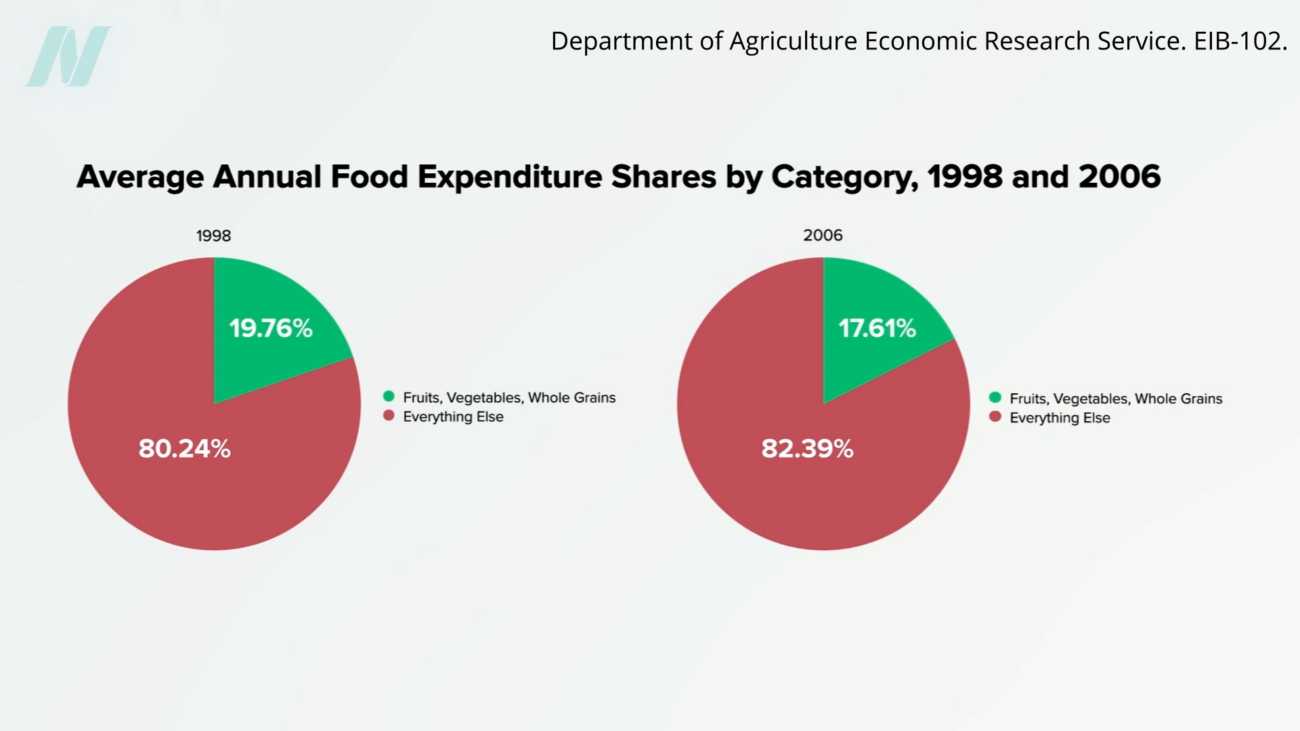
Theoretically, a diet composed entirely of whole, unprocessed plant foods – excluding refined grains, white potatoes, hard liquors, added oils, and added sugars – could achieve a perfect phytochemical index score of 100. This ideal scenario stands in stark contrast to the dietary habits of many populations. For instance, in the United States, the average diet is estimated to score as low as 20 on this index, reflecting a significant reliance on processed foods and a limited intake of nutrient-dense plant-based options. This trend has been observed to worsen over time, with studies indicating a decline in the proportion of whole plant foods in typical shopping baskets.
Research and Evidence: Correlating Phytochemical Intake with Health Outcomes
The scientific community has actively explored the correlation between the phytochemical index and various health outcomes. Researchers have utilized this index to investigate its association with weight management, a critical factor in overall health. Studies have consistently demonstrated that vegetarian diets are associated with lower body weight and body mass index (BMI) compared to non-vegetarian diets. This protective association is often attributed to the higher intake of fruits, vegetables, whole grains, and legumes, irrespective of meat consumption.
In one notable study, researchers employed the phytochemical index to track individuals’ weight over several years. They assigned a score from 0 to 100, representing the percentage of a person’s diet consisting of whole plant foods. Even within the healthiest-eating tier of this study, where whole plant foods constituted only an average score of approximately 40, significant benefits were observed. This suggests that even a substantial, rather than exclusive, incorporation of whole plant foods can contribute to preventing weight gain and reducing body fat. The implication here is that a "not all or nothing" approach is effective, and any increase in whole plant food intake can be beneficial.
Broader Health Implications: Beyond Weight Management
The positive influence of diets rich in whole plant foods, as reflected by a higher phytochemical index, extends far beyond weight management. Numerous studies have indicated associations between higher healthy plant intake and improved markers of metabolic health. For example, increased consumption of fruits, vegetables, whole grains, and legumes has been linked to a reduced risk of abdominal obesity and significantly lower odds of elevated triglycerides.
The phytochemical index has been identified as a "useful dietary target for weight loss," shifting the focus from restrictive calorie counting to the promotion of nutrient-dense, lower-calorie foods. This approach not only aids in weight management but also contributes to a more sustainable and health-promoting eating pattern. Research has also extended these findings to childhood obesity, suggesting that similar dietary patterns can be beneficial for younger populations.
Furthermore, even at similar body weights and body fat levels, individuals consuming plant-based diets tend to exhibit higher insulin sensitivity. This improved insulin function is attributed, in part, to the anti-inflammatory and free radical-quenching compounds found in plants. The odds of hyperinsulinemia, an indicator of insulin resistance, have been observed to decrease progressively with greater plant consumption. This is further supported by findings that individuals deriving more than half of their calories from healthy plant foods have a significantly lower risk of prediabetes.
Impact on Chronic Disease and Mental Well-being
The benefits of a high phytochemical index diet are also evident in the reduced incidence of chronic diseases. Studies have reported significantly lower odds of metabolic syndrome and high blood pressure among individuals with higher healthy plant intake. Over a three-year period, those consuming more healthy plants experienced approximately half the odds of being diagnosed with hypertension.
Beyond physical health, emerging research suggests a positive impact on mental well-being. Studies have linked higher healthy plant intake to substantial reductions in depression, anxiety, and psychological distress. Specifically, individuals with higher scores on dietary indices that favor whole plant foods have reported approximately 80% less depression, two-thirds less anxiety, and 70% less psychological distress.
The protective effects of a phytochemical-rich diet have also been investigated in relation to specific diseases. Research has shown a link between a higher dietary phytochemical index and a significantly lower risk of benign breast diseases, such as fibrocystic changes and benign tumors, with individuals scoring highest exhibiting a 70% lower risk. More critically, a higher intake of healthy plant foods has been associated with a substantially reduced risk of breast cancer. One study indicated that consuming twice the proportion of plants compared to the standard American diet was linked to over 90% lower odds of developing breast cancer, even after accounting for numerous other contributing factors.
Future Directions and Clinical Applications
The robust body of evidence supporting the phytochemical index as a valuable tool for assessing and improving dietary quality necessitates further exploration and integration into clinical practice. Researchers continue to investigate its predictive capabilities for a wide range of health outcomes, underscoring its potential as a public health intervention.
The simplicity and accessibility of the phytochemical index make it an attractive option for both individuals seeking to improve their diets and healthcare professionals aiming to guide patients towards healthier eating patterns. As the understanding of plant-based nutrition continues to evolve, metrics like the phytochemical index will play an increasingly vital role in translating scientific knowledge into actionable strategies for preventing chronic diseases and promoting long-term health and vitality.
The concept of a "perfect diet score" may be elusive in its absolute form, but the principles embodied by the phytochemical index offer a clear and evidence-based pathway toward achieving significantly improved health outcomes through conscious dietary choices that prioritize whole, nutrient-dense plant foods. The ongoing research in this field promises to further illuminate the profound and far-reaching benefits of this approach to nutrition.

