

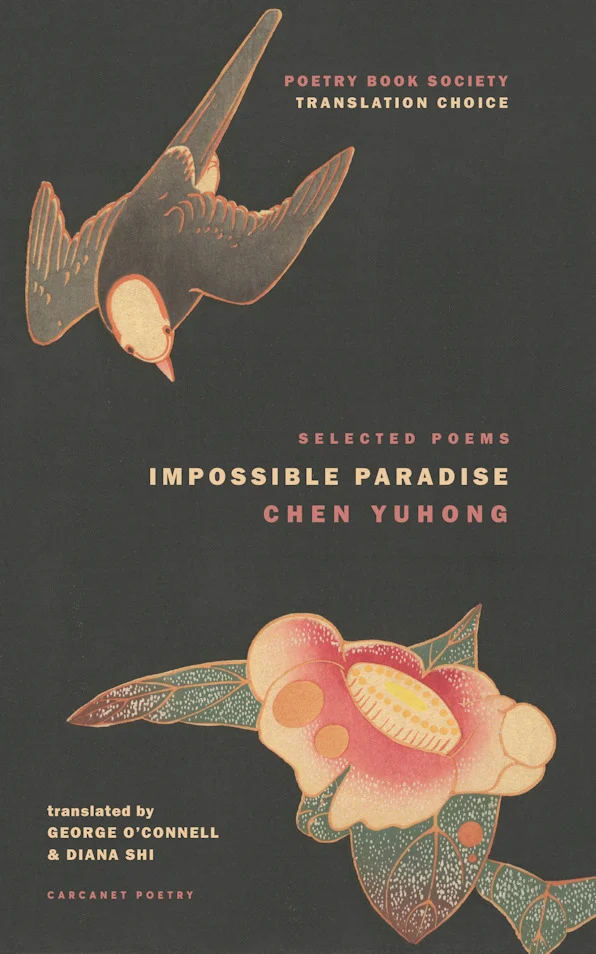
The long-awaited English translation of Taiwanese poet Chen Yuhong’s work, Impossible Paradise, marks a significant moment in the international literary landscape, finally bringing her profound and multi-layered poetry to a global audience. Published by Carcanet Press and expertly translated by George O’Connell and Diana Shi, this collection offers a sweeping retrospective, encompassing nearly three decades of Chen’s acclaimed verse. While her poetry has previously graced the pages of translations in Japanese, French, Dutch, and Swedish, this English rendition represents a crucial bridge, allowing readers in the Anglophone world to engage directly with one of contemporary Taiwan’s most celebrated literary figures.
Chen Yuhong’s unique artistic philosophy is deeply intertwined with the act of translation itself. For her, the process is not merely an academic exercise but a fundamental component of her creative output. This symbiotic relationship is evident not only in her own translated works but also in her extensive experience translating into Chinese the poetry of luminaries such as Louise Glück, Anne Carson, Sappho, and the Buddhist scholar Matthieu Ricard. In a revealing interview with Poetry Nation Review, Chen articulated this connection, stating, "As a translator, I mediate between two languages and cultures, trying to carry across the voice I hear in the host language to the target language. As a poet, I feel the impulse to write, to channel that voice that I hear inside, inspiration you may call it, faithfully into the present, like Pythia repeating Apollo’s words. I translate, I create, and I re-create." This statement underscores a profound understanding of language as a living entity, capable of metamorphosis and revelation through careful, attentive listening and faithful reproduction.
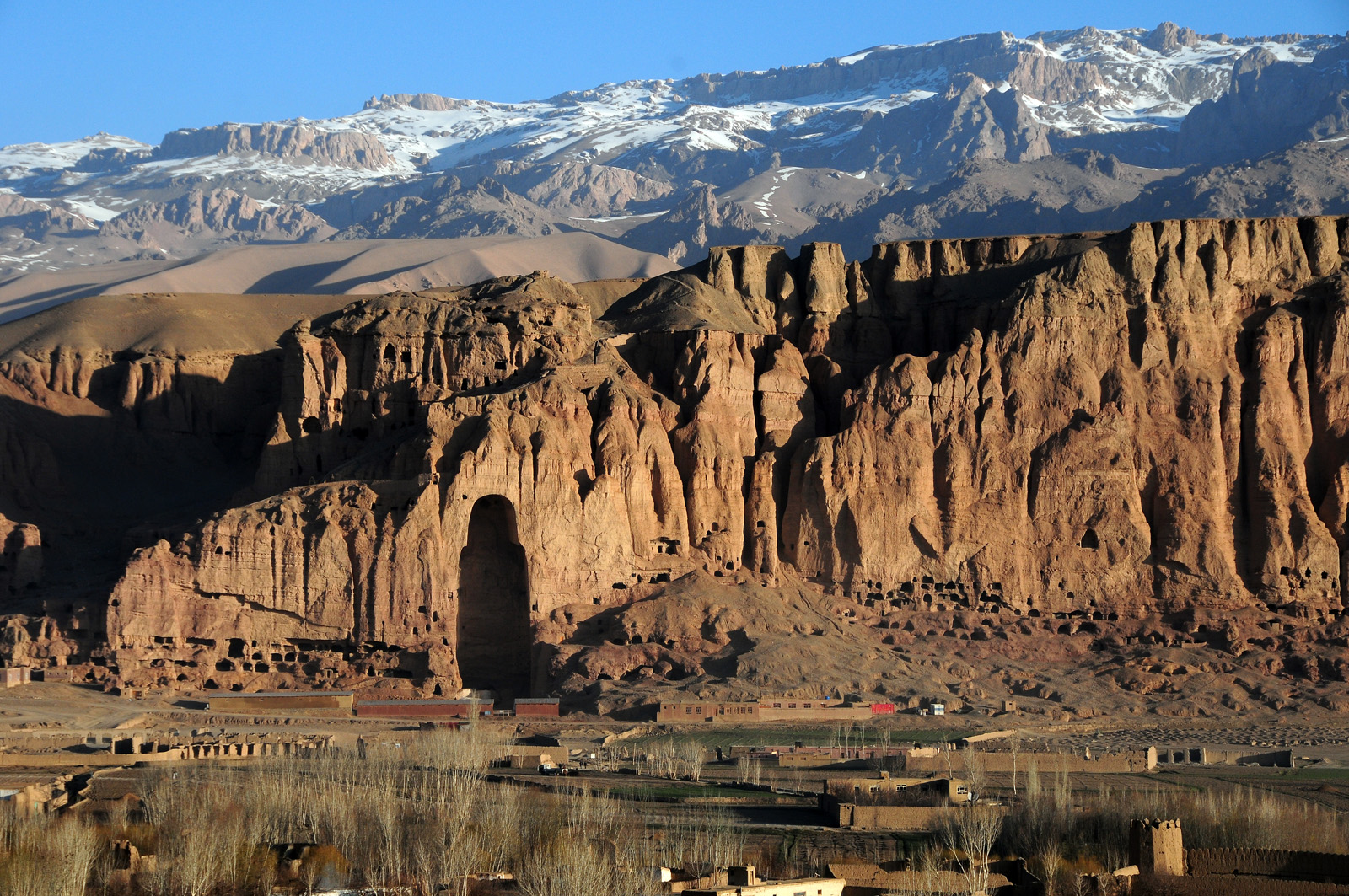
Chen’s poetic voice is deeply rooted in a rich tapestry of influences, drawing inspiration from the classical Chinese poets Li Bai and Li Qingzhao, alongside the profound philosophical tenets of Buddhism and Daoism. Her early upbringing in Catholicism, while formative, eventually led her to explore Buddhist texts as a means of grappling with existential questions surrounding death and reincarnation. She explained in her Poetry Nation Review interview, "They offered me a different way to look at the world, teaching me the impermanence of life and sunyata, or emptiness." Yet, Chen is candid about the enduring nature of these inquiries, quipping, "Will I ever have an answer to all my questions about life and death? Perhaps not." This embrace of the unresolved, the acceptance of mystery, is a hallmark of her poetic style, which deliberately avoids definitive pronouncements, instead cultivating a fertile ground for contradiction and paradox. This is powerfully illustrated in lines from her poem "Erasure," which speaks of a destroyed Buddha statue that endures "amid rubble, amid the broken, / amid the colossal task."
The Significance of Impossible Paradise
The publication of Impossible Paradise is more than just the release of a new book; it signifies a critical expansion of the global literary canon. The inclusion of Chen Yuhong’s work in English translation acknowledges her significant contributions to contemporary poetry and offers a valuable perspective on East Asian literary traditions for a Western readership. The meticulous translation by O’Connell and Shi is paramount to this endeavor, ensuring that the nuanced emotionality and philosophical depth of Chen’s original Mandarin are conveyed with fidelity and artistic grace.
The collection itself is a testament to Chen’s enduring engagement with themes of impermanence, spirituality, and the human condition. Her poetry often navigates the liminal spaces between the sacred and the mundane, the eternal and the ephemeral. The title, Impossible Paradise, itself suggests a poignant exploration of aspirations that may be unattainable, yet nonetheless hold profound significance in shaping human experience.
Contextualizing Chen Yuhong’s Poetic Journey
Chen Yuhong’s artistic development is deeply intertwined with the cultural and intellectual currents of Taiwan. The island’s unique geopolitical position and its rich history of cultural exchange have fostered a vibrant literary scene. Taiwanese poetry, in particular, has often served as a site for exploring national identity, historical memory, and the complexities of modernization. Chen’s work, while deeply personal, resonates with these broader concerns, offering a distinctive voice that is both localized and universal.
Her engagement with classical Chinese literature and Eastern philosophies positions her within a lineage of poets who have sought to reconcile ancient wisdom with contemporary realities. This approach is not uncommon in Taiwanese literature, where a dialogue between tradition and modernity is a recurring theme. Her translations of Western poets also indicate a desire to engage in a cross-cultural literary conversation, enriching her own work through exposure to diverse poetic sensibilities.
A Glimpse into Chen Yuhong’s Poetic Landscape
The selected poems from Impossible Paradise offer compelling insights into Chen’s thematic preoccupations and stylistic nuances.
Buddhist Pine
This evocative poem, set in Taipei in November, explores the contemplative stillness of a "Buddhist pine." The imagery of the pine blending with lichen, its tranquility surpassing that of a cat, and its closeness to the "cleanness of rain" and "tranquility of stone," establishes a profound sense of peace and timelessness. The pine is described as existing "inside, outside time and space, / ambiguous, / polysemous," a "feline plant." This anthropomorphic description imbues the natural world with a subtle sentience, reflecting a Buddhist sensibility of interconnectedness.
The second section of "Buddhist Pine" further develops this theme of enduring tranquility. The seasons leave "no trace" on this "winged apsara." Its "green peaks / mimicking a mountain range" and its classical form, "staunch as a young Greek spear-bearer," suggest a resilience that withstands the passage of time and the fleeting distractions of the natural world, such as the "flickered shadow / of a passing butterfly." The absence of the sounds of modern life—"cars, people, dogs"—reinforces the poem’s focus on quietude and inner contemplation. This section highlights Chen’s ability to blend classical imagery with contemporary observation, creating a unique aesthetic that is both grounded and transcendent.
Erasure
This powerful poem directly addresses the devastating destruction of the Buddhas of Bamyan in March 2001 by the Taliban. The poem recounts the "colossal task" of carving these 6th-century statues and the subsequent act of "digging and chiseling Buddhas / from the cliff face, / packing explosives / to ensure Buddhas’ brains / limbs, ribcages, bellies / are wholly blown to dust." The chilling detail of praying "to make sure / the immortal’s made mortal" underscores the deliberate intent behind this act of cultural vandalism.
The aftermath is depicted with stark imagery: "When the smoke thins / all’s shattered." Yet, amidst this destruction, life persists: "The residents keep farming / and two white doves land in one Buddha’s / empty niche." The poem concludes with a reflection on the nature of spiritual resilience: "All’s normal, / the bodhisattva’s mind ethereal space / where everything’s relinquished. / Buddha lives amid rubble, amid the broken, / amid the colossal task." This passage resonates with Chen’s concept of sunyata, suggesting that even in the face of profound loss and destruction, a spiritual essence can endure, transforming devastation into a space for contemplation and continuity. The poem serves as a poignant commentary on the fragility of human creations and the enduring power of faith and memory.
Necessities
The expansive poem "Necessities" is a lyrical exploration of what constitutes a meaningful existence. Through a series of repeated phrases—"The necessity of…"—Chen enumerates a vast array of experiences, sensations, and philosophical inclinations that contribute to a rich inner life. The poem moves from the fundamental requirements for living—"living, of freedom, idling, taking a stroll, / daydreaming in a trance"—to the need for intellectual and spiritual engagement—"no phone, no TV, but reading, pausing, seeing and hearing, / drinking tea, birdsong in the tree of longing."
Chen’s list is eclectic and deeply personal, encompassing aesthetic preferences ("Giorgio Morandi and Willem de Kooning"), emotional states ("being fickle, suspicious, light and minimal"), and existential realities ("ice and fire," "falling sky to be held aloft, for despair, ecstasy"). She embraces imperfection and ambiguity, acknowledging "the necessity of imperfection, of reading all the Heart Sutra, / of earning the trust of a street dog, of being slightly neurotic." The poem also touches upon the process of artistic creation, with frequent references to "writing poetry" and "not writing poetry," suggesting a complex and evolving relationship with her craft. The inclusion of numerous cultural references, from classical Chinese philosophers like Confucius, Laozi, and Zhuangzi, to Taiwanese poets like Ya Xian, Luo Fu, and Zheng Chouyu, further situates her work within a rich cultural dialogue. Ultimately, "Necessities" is a profound meditation on the multifaceted nature of human experience and the quiet, often overlooked, elements that constitute a life well-lived, concluding with the simple yet profound "The necessity of living."
Broader Impact and Implications
The translation of Chen Yuhong’s work into English holds significant implications for several reasons. Firstly, it enriches the global understanding of contemporary Asian poetry, moving beyond established narratives and introducing new voices and perspectives. The inclusion of a Taiwanese poet specifically addresses the growing interest in the region’s diverse literary output.
Secondly, Chen’s philosophical underpinnings, particularly her engagement with Buddhist thought, offer a nuanced counterpoint to Western literary traditions. Her exploration of impermanence, emptiness, and the interconnectedness of all things provides readers with alternative frameworks for understanding the human condition. This can foster greater cross-cultural understanding and intellectual exchange.
Thirdly, the success of Impossible Paradise may pave the way for further translations of Chen’s work and other Taiwanese poets, creating a more robust and accessible literary bridge between Taiwan and the English-speaking world. This, in turn, can lead to greater recognition for Taiwanese literature on the international stage and a deeper appreciation for its unique artistic and cultural contributions. The meticulous work of translators like O’Connell and Shi is crucial in this endeavor, as their efforts not only render texts but also convey cultural nuances and poetic sensibilities, enabling a more profound connection between authors and their global readership.
The publication of Impossible Paradise by Carcanet Press represents a significant cultural event, offering English-language readers an invaluable opportunity to experience the lyrical power and philosophical depth of Chen Yuhong, a poet whose voice has resonated across Asia for decades and is now poised to captivate a wider international audience. Her poetry, with its intricate weaving of personal reflection, philosophical inquiry, and cultural heritage, stands as a testament to the enduring power of the written word to transcend borders and connect us to the universal human experience.

