

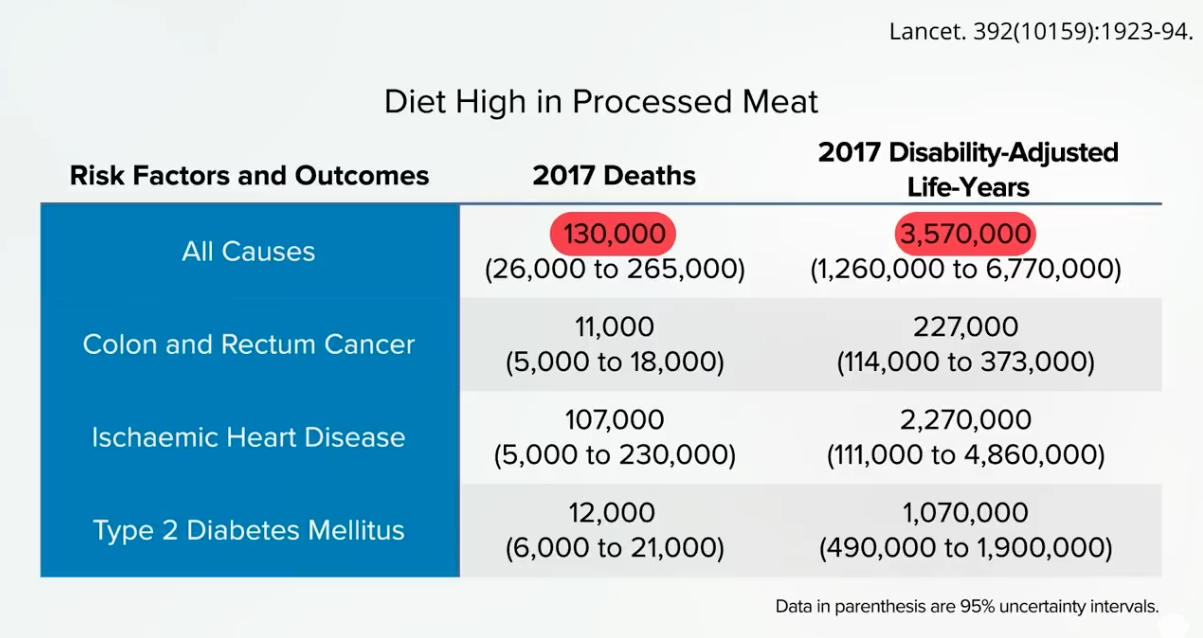
The stark reality of modern dietary habits is casting a long shadow over global health, with new research highlighting the profound and often deadly impact of processed meats. While many meticulously monitor their health by avoiding detrimental habits like smoking, the consumption of processed meats—ranging from common breakfast staples like bacon and sausage to lunch meats and hot dogs—presents a significant, yet often underestimated, threat. A comprehensive analysis, drawing from the Global Burden of Disease Study, indicates that diets heavily reliant on these products contribute to over 100,000 deaths annually worldwide. This alarming figure is largely attributed to cardiovascular diseases, but also encompasses a notable rise in cancer and diabetes diagnoses, collectively leading to millions of years of healthy life lost each year.
The Alarming Statistics: A Global Health Crisis
The Global Burden of Disease Study, a monumental, ongoing research effort that tracks mortality and morbidity from a vast array of health conditions across the globe, provides a critical lens through which to understand the impact of dietary choices. The findings regarding processed meat consumption are particularly concerning. The study suggests that the widespread intake of these food items is directly linked to a substantial burden of premature deaths. These deaths are not isolated incidents; they represent a systemic issue that erodes public health and places immense strain on healthcare systems. The cumulative loss of healthy years of life underscores the significant public health imperative to address dietary patterns involving processed meats.
The scale of the problem is further illuminated by analyses conducted by organizations like the Union of Concerned Scientists. Their estimations suggest that even modest reductions in processed meat consumption among populations, such as limiting intake to just one ounce per week, could potentially avert thousands of cancer deaths annually in countries like the United States. This highlights the substantial public health leverage that can be gained through dietary shifts, even with relatively small changes at an individual or population level.
Decoding Risk: The Concept of Microlives
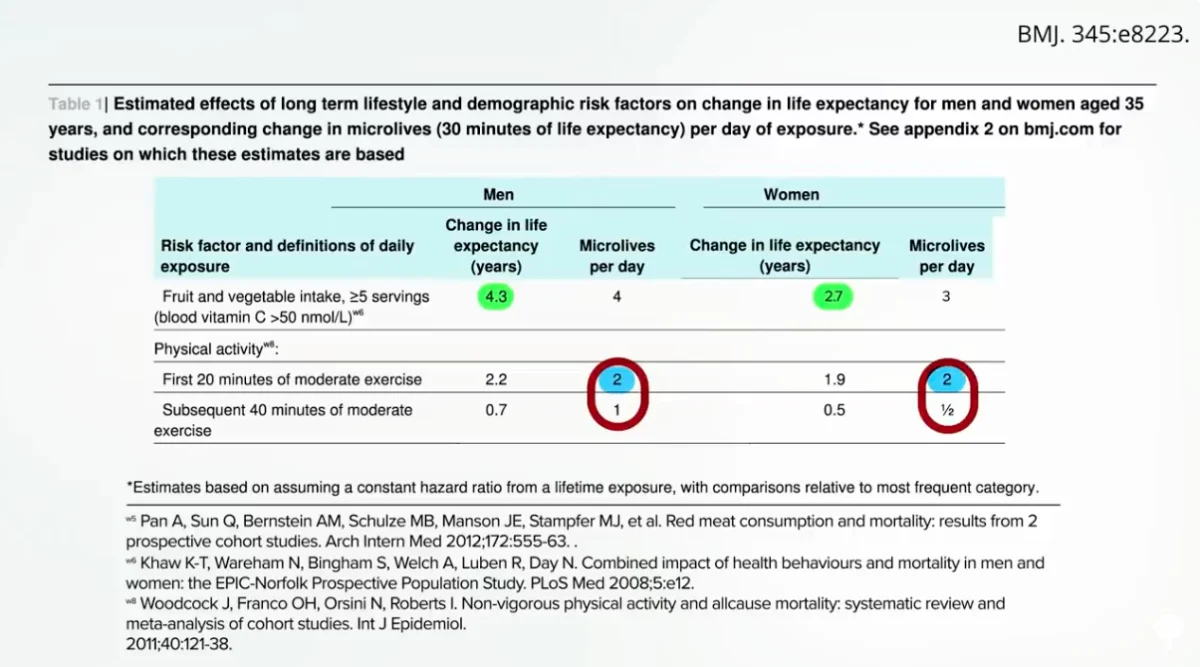
To better grasp the individual impact of such dietary habits, researchers have employed innovative frameworks for understanding risk. The concept of "microlives" offers a tangible way to quantify the long-term consequences of lifestyle choices, including diet. A microlife is defined as a reduction of 30 minutes from one’s life expectancy. This unit of measurement allows for a more intuitive comparison of chronic risks, which do not typically result in immediate fatalities, unlike acute risks such as skydiving.
For instance, the average young adult, say a 22-year-old male or a 26-year-old female, might have approximately 57 years of life remaining. This translates to roughly 20,000 days, or about half a million hours. When broken down further, a microlife represents one of the million half-hour segments that constitute this remaining life expectancy. This framework allows for a direct comparison between different lifestyle choices. For example, consuming a single burger can be associated with the loss of one microlife, equivalent to approximately 30 minutes of life expectancy, mirroring the impact of smoking two cigarettes.
The NutriRECS Controversy and Scientific Scrutiny
Recent scientific discourse has brought the impact of red and processed meat consumption into sharp focus, particularly following the publication of several papers in the Annals of Internal Medicine by the NutriRECS (Nutrition and Lifestyle Recommendations and Evidence Synthesis) group. These studies proposed that adults could continue their current levels of red and processed meat consumption without significant adverse health consequences, a stance that generated considerable debate within the scientific and public health communities.
However, these recommendations faced significant criticism due to perceived methodological limitations and potential misinterpretations of existing nutritional evidence. A notable critique came from a group of Harvard University researchers, including the chair of nutrition, who published a commentary asserting that the NutriRECS recommendations suffered from "important methodological limitations and involve misinterpretations of nutritional evidence." They argued that dietary guidelines should continue to advocate for dietary patterns low in red and processed meats and rich in minimally processed plant-based foods, such as fruits, vegetables, whole grains, nuts, and legumes.
The controversy underscored the importance of rigorous scientific review and the potential for research findings to be influenced by various factors, including funding sources and pre-existing biases. The contrasting viewpoints highlight a critical juncture in public health messaging, emphasizing the need for clear, evidence-based guidance that prioritizes long-term well-being.
Broader Health Implications and Lifestyle Comparisons
The implications of processed meat consumption extend beyond cardiovascular disease. Research suggests a link to increased risks of certain cancers, such as colorectal cancer, and the exacerbation of conditions like type 2 diabetes. The cumulative effect of these chronic diseases significantly diminishes quality of life and lifespan.
In contrast, adopting a diet rich in plant-based foods has been shown to have profound positive effects on longevity and overall health. Studies indicate that consuming at least five servings of fruits and vegetables daily can add an average of four years to a man’s lifespan and three years to a woman’s. This benefit can be twice as impactful as daily exercise.
The concept of microlives also provides a compelling framework for understanding the benefits of exercise. For instance, exercising for 20 minutes can add an hour of life expectancy, a return of three microlives for every one invested. This represents a significant gain, suggesting that dedicating time to physical activity offers a substantial benefit in terms of extended healthy years. Even an hour of daily exercise can result in gaining more time than is spent exercising, illustrating the powerful, compounding effect of consistent physical activity.
The Enduring Debate and the Path Forward
The debate surrounding meat consumption and health is not new. Decades of research have pointed towards the benefits of plant-centric diets for chronic disease prevention and reversal. Dr. Dean Ornish’s groundbreaking Lifestyle Heart Trial, which demonstrated the potential for a plant-based diet and lifestyle program to reverse severe coronary heart disease, stands as a testament to this. In contrast, a control group in his study, which made only modest reductions in meat consumption similar to those suggested in the Annals review, experienced a worsening of their atherosclerosis.
Dr. Ornish has voiced strong concerns about studies that seem to advocate for continued meat consumption without adequate consideration of the extensive body of evidence supporting plant-based approaches. His statement, "I take solace in knowing that the light drives out the darkness. But, these days, the light has to be very bright indeed. Caveat emptor. Don’t be fooled. Your life may depend on it," serves as a potent warning to consumers to critically evaluate health recommendations and prioritize evidence-based strategies for long-term well-being.
Recommendations for a Healthier Future
The overwhelming consensus among public health organizations and a significant portion of the scientific community remains that dietary patterns emphasizing whole, minimally processed plant foods are foundational for optimal health and longevity. This includes a wide array of fruits, vegetables, whole grains, legumes (such as beans, split peas, chickpeas, and lentils), nuts, and seeds.
Conversely, the reduction of processed and red meat consumption is consistently recommended as a key strategy for mitigating the risk of chronic diseases. The choice between a meaty burrito and a bean burrito, or between processed lunch meats and whole plant-based protein sources, therefore, carries significant implications not just for immediate satisfaction, but for the long-term trajectory of an individual’s health and lifespan.
As research continues to evolve and public discourse on nutrition intensifies, understanding the scientific underpinnings of dietary recommendations becomes increasingly vital. The concept of microlives and other risk-assessment tools offer valuable perspectives for individuals seeking to make informed choices that promote a longer, healthier life. Ultimately, the evidence points towards a future where dietary guidelines champion plant-forward eating patterns as a cornerstone of both human and planetary health.

