

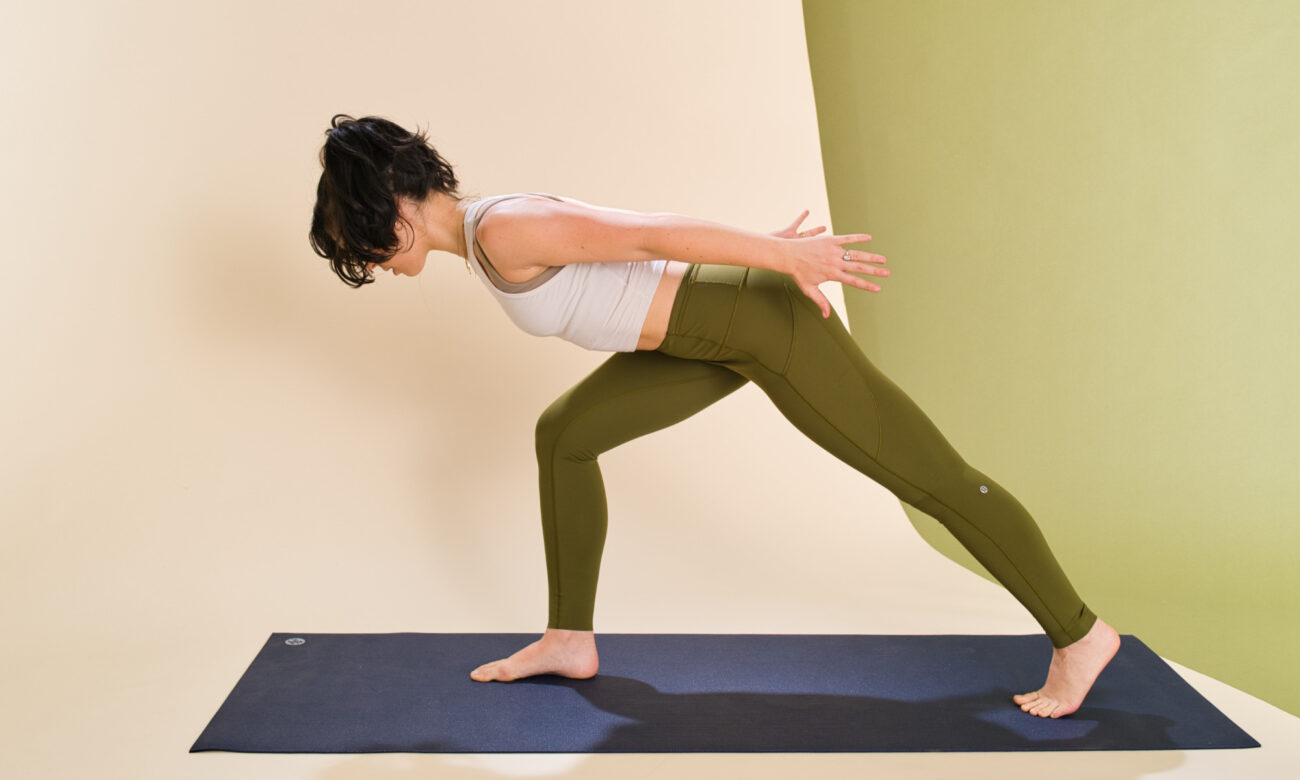
The realm of fitness continually seeks innovative yet accessible exercises that maximize efficacy and minimize time commitment. In this pursuit, the lunge with a chest lift emerges as a compelling solution, offering a dynamic approach to strengthening both the lower body and the core without requiring users to assume a prone position. This variation, championed by fitness professionals, presents a multifaceted approach to physical conditioning, integrating elements of balance, coordination, and muscular engagement that resonate with individuals of all fitness levels.
The Evolving Landscape of Core Training
For decades, core training has been predominantly associated with floor-based exercises such as crunches, sit-ups, and planks. While these foundational movements are undeniably effective, the fitness industry has witnessed a growing demand for exercises that offer greater functional applicability and can be integrated seamlessly into daily routines or performed with minimal equipment. The lunge with a chest lift directly addresses this demand, providing a standing alternative that engages the abdominal muscles, obliques, and lower back in a manner that complements traditional core work. This shift towards functional, on-the-go fitness solutions reflects a broader trend in health and wellness, where convenience and versatility are paramount.
Understanding the Lunge with Chest Lift
This exercise, as demonstrated by certified Pilates instructor Helen Phelan, transforms the standard lunge into a more comprehensive full-body movement. The fundamental mechanics involve performing a lunge while simultaneously lifting the chest, which actively engages the core stabilizers. This dual action requires not only the strength and stability of the legs to maintain the lunge position but also the isometric and dynamic control of the abdominal and back muscles to support the torso and facilitate the chest lift. The precise execution involves stepping forward into a lunge, ensuring the front knee remains aligned over the ankle and the back knee hovers just above the ground. As the body descends into the lunge, the chest is lifted, drawing the shoulder blades down and back. This creates a subtle but significant increase in the demand on the core muscles, which must work harder to prevent the torso from collapsing or rounding forward.
A Deeper Dive into the Benefits
The lunge with chest lift offers a synergistic blend of benefits that extend beyond isolated muscle group training. Primarily, it targets the major muscle groups of the lower body: the quadriceps, hamstrings, and glutes. The dynamic nature of the lunge itself promotes strength, power, and endurance in these areas. However, the addition of the chest lift elevates the exercise by introducing a potent core-strengthening component. The abdominal muscles are engaged to stabilize the spine, the obliques work to prevent rotation, and the erector spinae muscles in the lower back contribute to maintaining an upright posture.
Beyond muscular development, this exercise significantly enhances balance and proprioception. The unilateral nature of the lunge requires constant adjustments to maintain stability, challenging the body’s ability to sense its position in space. The added element of the chest lift introduces a further layer of complexity, demanding greater control and coordination between the upper and lower body. This improved balance and coordination can translate into enhanced athletic performance and a reduced risk of falls, particularly in older adults.

Furthermore, the lunge with chest lift can contribute to improved posture. By strengthening the core and back muscles, individuals can develop a more robust and stable trunk, which is essential for maintaining an upright and aligned posture throughout the day. This can alleviate common issues associated with prolonged sitting, such as slouching and back pain.
Supporting Data and Research
While specific studies solely dedicated to the "lunge with chest lift" may be nascent, the benefits derived from its constituent components are well-documented. Research into the efficacy of lunges consistently highlights their role in enhancing lower body strength and power. A meta-analysis published in the Journal of Strength and Conditioning Research (2019) confirmed that various lunge variations significantly improve muscle activation in the quadriceps and glutes.
Concurrently, a substantial body of evidence supports the effectiveness of exercises that engage the core in a standing or dynamic manner. A study in the Journal of Orthopaedic & Sports Physical Therapy (2017) indicated that functional core exercises, which often involve multi-planar movements and balance components, are crucial for improving spinal stability and reducing the incidence of low back pain. The lunge with chest lift embodies these principles by integrating a lower-body strength exercise with a dynamic core stabilization challenge. The intrinsic demand for maintaining an upright posture against gravity during the lunge, amplified by the chest lift, necessitates a continuous engagement of the transverse abdominis, multifidus, and other deep core muscles.
Expert Endorsements and Methodologies
Fitness professionals are increasingly recognizing the value of compound movements that target multiple muscle groups simultaneously. Helen Phelan, a certified Pilates instructor, exemplifies this approach by integrating the lunge with a chest lift into her training methodologies. Pilates, in general, emphasizes core strength, control, and functional movement, making the lunge with chest lift a natural fit within its principles.
The methodology behind the lunge with chest lift is rooted in biomechanical efficiency. By combining a lower-body exercise with a core stabilization challenge, it allows for a greater caloric expenditure in a shorter period. This time-efficient approach appeals to individuals with busy schedules who seek to maximize their workout results. The standing nature of the exercise also offers a psychological advantage, as it can feel more engaging and less monotonous than repetitive floor exercises.
Adaptability and Modifications
The lunge with chest lift is a versatile exercise that can be adapted to suit various fitness levels. For beginners, the focus should be on mastering the basic lunge form and the controlled chest lift. Modifications can include:

- Reduced Range of Motion: Descending only partially into the lunge to reduce the overall stress on the legs and core.
- Assisted Balance: Holding onto a stable object, such as a wall or chair, for support while performing the lunge.
- Slower Tempo: Performing the movement at a slower, more controlled pace to enhance muscle engagement and balance.
As individuals progress, the intensity can be increased by:
- Deeper Lunges: Increasing the depth of the lunge to further challenge the leg muscles and core.
- Adding Resistance: Incorporating dumbbells or kettlebells to increase the load on the legs and core.
- Incorporating Torso Twists: For advanced practitioners, a subtle torso twist can be added during the chest lift phase, further challenging the obliques and rotational stability.
Chronology of Fitness Trends and the Rise of Functional Training
The evolution of fitness has seen a distinct shift from isolated, bodybuilding-style training towards more functional and holistic approaches. In the late 20th century, the emphasis was largely on aesthetics and building specific muscle groups. The early 21st century marked a growing awareness of the importance of core strength for overall health and injury prevention. This led to a surge in popularity for exercises like planks and Pilates.
More recently, the fitness landscape has embraced the concept of "functional fitness," which prioritizes movements that mimic everyday activities and improve overall physical performance. This trend has led to the development and popularization of exercises that are dynamic, multi-joint, and engage multiple muscle groups simultaneously. The lunge with chest lift is a prime example of this evolution, offering a practical and efficient way to enhance both lower body strength and core stability. The widespread adoption of wearable fitness trackers and the increasing accessibility of online fitness resources have further accelerated the dissemination of such exercises, allowing individuals to discover and integrate them into their routines with unprecedented ease.
Broader Implications and Future Outlook
The lunge with chest lift represents a microcosm of the broader trends shaping the fitness industry: a drive for efficiency, functionality, and holistic well-being. As our understanding of biomechanics and exercise physiology continues to advance, we can expect to see further innovations that build upon established exercises to create more comprehensive and time-effective workouts. The emphasis on standing core exercises also has implications for accessibility, making fitness more achievable for individuals with limited mobility or those who find floor exercises challenging.
The integration of such exercises into diverse settings, from personal training studios to corporate wellness programs, underscores their perceived value. As more individuals seek to optimize their physical health within increasingly demanding lifestyles, exercises like the lunge with chest lift are poised to become increasingly prominent in fitness repertoires. The continued research into the specific benefits and optimal application of such compound movements will undoubtedly further solidify their place in the future of fitness. This evolution signifies a move towards a more integrated and practical approach to physical conditioning, where everyday movements are leveraged to build a stronger, more resilient body.

