

The pervasive phenomenon known as the optimism bias, a psychological tendency to believe that negative events are less likely to happen to oneself than to others, may be a significant impediment to adopting and maintaining a healthy lifestyle for many individuals. Despite widespread awareness of what constitutes a healthy diet, a substantial gap often exists between knowledge and actionable behavior, a disconnect that researchers increasingly attribute to this deeply ingrained cognitive bias.
The Paradox of Nutritional Awareness
In contemporary society, information regarding nutrition is abundant, yet often contradictory. Public health campaigns, media reports, and scientific studies frequently present a complex and sometimes inconsistent landscape of dietary advice. However, even amidst this informational maze, a fundamental understanding of healthy eating principles is widely disseminated. For instance, the detrimental effects of excessive consumption of sugary, carbonated beverages are generally acknowledged. The core issue, therefore, appears not to be a lack of knowledge regarding healthy dietary choices, but rather a failure to translate this awareness into tangible lifestyle changes.
Understanding the Behavioral Inertia
The difficulty individuals face in altering their dietary habits is multifaceted. While ignorance and confusion undoubtedly play a role, the critical factor often lies in the motivation to change. We are constantly bombarded by a culture that encourages immediate gratification and consumption, often overlooking or downplaying the long-term consequences of our choices. As experts have noted, a primary hurdle in behavioral change is fostering the recognition of the necessity for that change in the first place. Without a perceived threat or a genuine understanding of personal risk, individuals are less likely to initiate the arduous process of altering ingrained habits.
The Illusion of Being Healthier Than Average
This psychological barrier is particularly evident when individuals are asked to self-assess their dietary habits. Studies have consistently shown that when people are questioned about their consumption of potentially unhealthy foods – such as meat, greasy items, sweets, alcohol, and butter – they tend to report consuming less than the perceived average person. This self-serving comparison allows them to maintain a sense of being at lower risk than their peers. Consequently, they may dismiss health advice, believing their existing habits are already sufficiently healthy, even when objective assessments reveal otherwise.
Research has demonstrated that individuals often rate their own eating behaviors as healthier than they actually are, irrespective of the reality of their dietary patterns. This discrepancy highlights a significant challenge for public health initiatives. While efforts to educate the public about healthy eating are crucial, they may fall short if they do not directly address this deeply entrenched optimism bias.
When Reality Checks Backfire
When health professionals or public health campaigns attempt to confront individuals with the reality of their dietary habits, a peculiar psychological defense mechanism often emerges. Instead of acknowledging the data and reassessing their behaviors, individuals may adjust their self-perception to maintain their belief in being healthier than average. This involves not only downplaying the frequency of engaging in risky behaviors – such as stating, "I don’t eat that much meat" – but also minimizing the perceived significance of those behaviors. The rationalization might be, "Meat isn’t that bad for you anyway."
This pattern mirrors the psychological coping mechanisms observed in other high-risk behaviors, most notably smoking. Smokers often develop a "personal fable," a belief that negative consequences, such as lung cancer, are unlikely to befall them. This illusion is supported by a series of false beliefs that allow them to continue their habit without overwhelming anxiety.

The Smoking Analogy: A Window into Unhealthy Eating
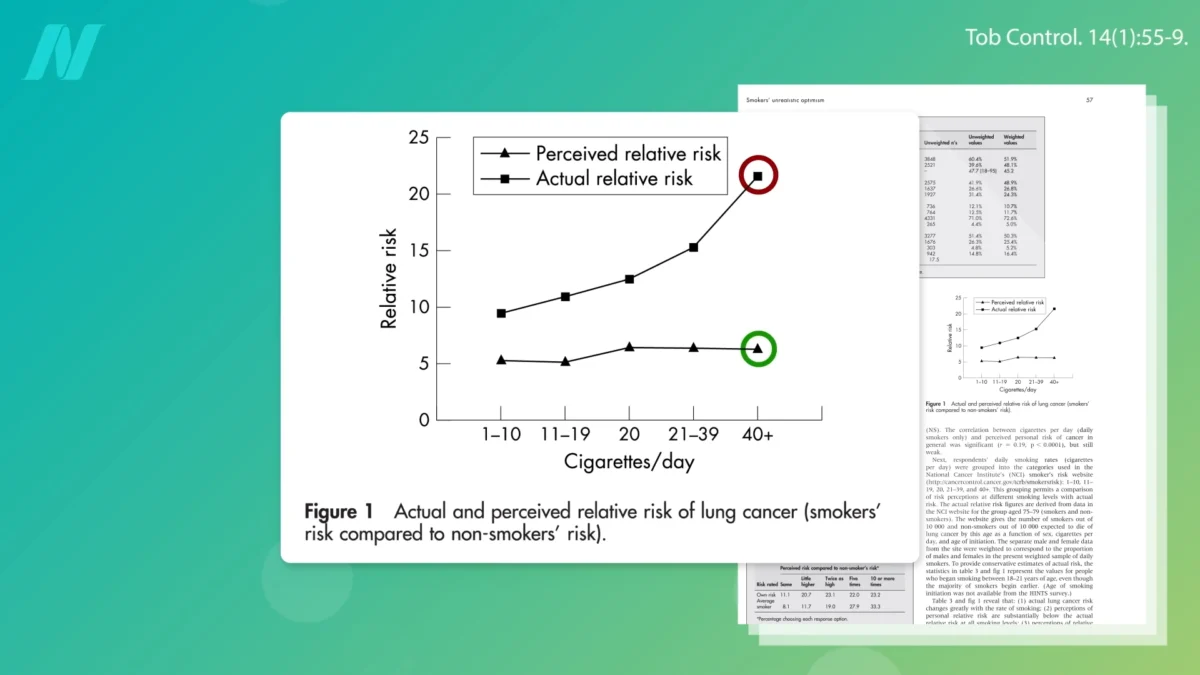
The persistence of smoking, despite overwhelming evidence of its health detriments, offers a compelling parallel to why many continue to consume unhealthy foods. A primary reason is the conviction that they are less at risk than others who engage in the same behavior. This optimism bias is compounded by an underestimation of the actual risks. For instance, smokers often underestimate the dramatic increase in lung cancer risk associated with their habit. While a two-pack-a-day smoker might believe their risk is only five times higher than a non-smoker, scientific evidence indicates their risk can be as much as 20 times greater. Furthermore, many smokers attribute lung cancer primarily to genetic factors, thereby deflecting personal responsibility.
The Broad Reach of the Optimism Bias in Diet-Related Diseases
This "optimistic bias" extends beyond smoking to encompass a wide array of health hazards linked to dietary choices. These include the leading causes of mortality and morbidity such as heart attacks, heart disease, obesity, and diabetes. Individuals frequently devise ingenious rationalizations to convince themselves that their personal risk for these conditions is lower than that of others.
This presents a significant challenge for public health advocates. They must develop equally ingenious strategies to understand the origins of this unrealistic optimism and to help individuals cultivate a more accurate perception of their own vulnerability. While considerable effort is dedicated to mitigating optimistic bias, there is a parallel consideration: reducing this bias too drastically could potentially undermine self-esteem and psychological well-being. A stark realization of one’s true risks and the extent to which personal choices contribute to them could lead to feelings of guilt and distress.
The Double-Edged Sword of Prevention Messaging
Health professionals often find themselves navigating a delicate balance when communicating about preventable diseases. Take, for example, the message about the significant power individuals have in preventing cancer. Research, including seminal studies from the mid-20th century that continue to hold relevance, suggests that a substantial majority of human cancers – potentially up to 90% – are preventable. These findings underscore that genetic factors are not the primary drivers of chronic diseases. Studies using identical twins, for instance, have revealed that for many chronic conditions, including cancers, the genetic component is relatively low, with lifestyle and environmental factors playing a far more dominant role. What often runs in families, therefore, are not predisposing genes but rather unhealthy habits.
However, delivering this empowering message about prevention to the general public presents a quandary when considering those already diagnosed with cancer. For individuals facing a cancer diagnosis, the immediate questions often revolve around "Why me?" and "Is this my fault?" Introducing the notion that their condition may be linked to their past choices, even if framed as a message of empowerment for future prevention, can be deeply destructive. Instead of fostering a sense of agency, such messaging could inadvertently lead cancer patients and survivors to feel guilt and self-blame.
Shifting from Guilt to Responsibility
Despite the emotional complexities, the truth regarding the link between lifestyle and chronic disease remains. The challenge for healthcare professionals lies in guiding patients and survivors to transition from feelings of guilt to an acceptance of "responsibility." This involves recognizing that while past choices may have contributed to their current situation, they possess agency and the ability to make different choices moving forward. Empowering individuals with a sense of control over their health trajectory, even after a diagnosis, is crucial. Ultimately, the most effective strategy is to encourage proactive steps towards a healthier lifestyle before such serious health challenges arise.
Implications for Public Health Strategy
The pervasive influence of the optimism bias necessitates a reevaluation of public health communication strategies. Simply disseminating information about healthy choices is insufficient. Interventions must be designed to directly address and counter this cognitive bias. This could involve:
- Personalized Risk Assessment: Developing tools and methodologies that provide individuals with more accurate and personalized assessments of their health risks, moving beyond generalized comparisons.
- Narrative Interventions: Utilizing compelling storytelling and relatable case studies that illustrate the consequences of unhealthy behaviors without inducing overwhelming guilt.
- Framing Health Benefits: Emphasizing the immediate and tangible benefits of healthy lifestyle choices, rather than solely focusing on the avoidance of distant negative outcomes.
- Social Norms Campaigns: Leveraging social influence by highlighting positive health behaviors within peer groups and communities, thereby shifting the perceived norm towards healthier practices.
- Cognitive Behavioral Therapy (CBT) Techniques: Integrating CBT principles into public health campaigns to equip individuals with strategies for challenging their optimistic biases and developing more realistic self-perceptions.
The challenge of overcoming the optimism bias is significant, but understanding its role is the first step towards developing more effective approaches to promoting long-term health and well-being. By acknowledging this psychological phenomenon, public health efforts can be better tailored to meet individuals where they are and guide them toward a healthier future, fostering a sense of empowered responsibility rather than paralyzing guilt.

