

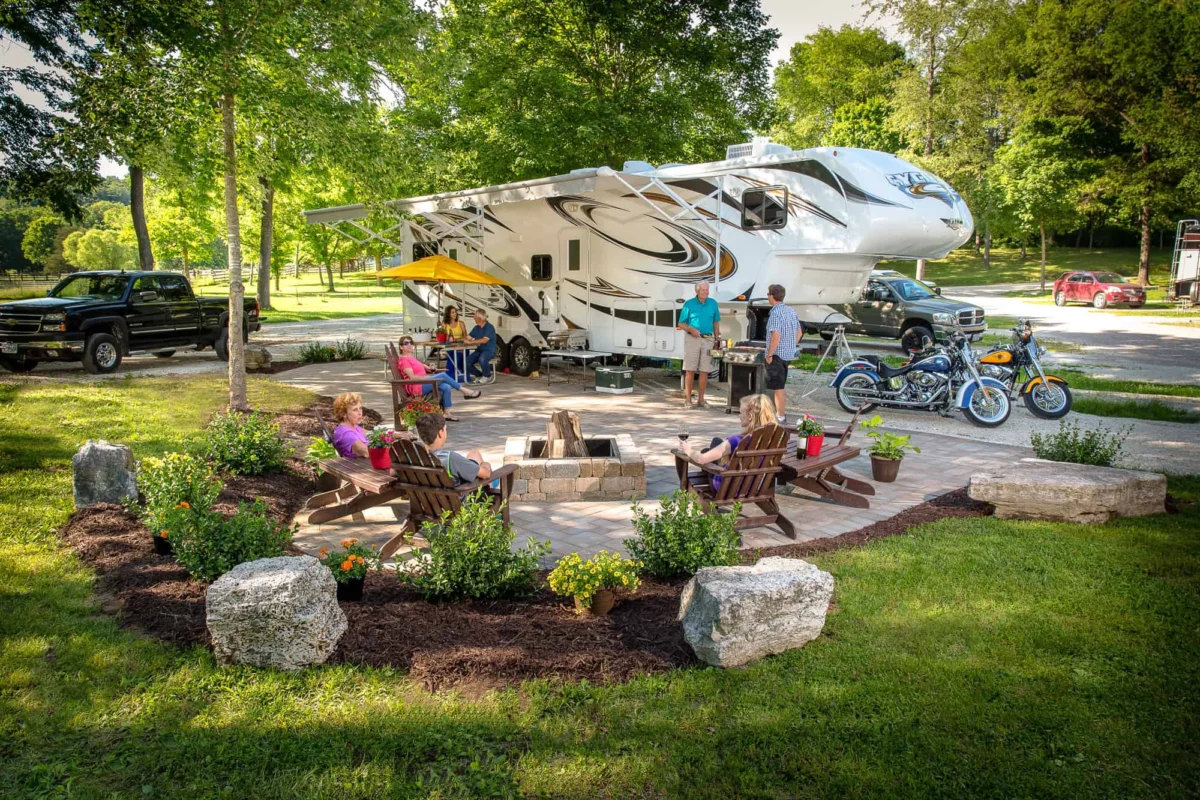
The landscape of North American travel has undergone a seismic shift over the last decade, transitioning from traditional hotel stays toward a more autonomous, nature-centric approach led by the recreational vehicle (RV) industry. At the center of this transition is Kampgrounds of America, Inc. (KOA), a brand that has defined the standardized camping experience for more than 60 years. With a network of more than 500 locations across the United States and Canada, KOA has positioned itself as the infrastructure backbone for both the 8.1 million households that currently own an RV and the estimated 16.9 million individuals expressing interest in joining the community. As the demand for outdoor hospitality continues to rise, understanding the nuances of the KOA system—from its tiered campground categories to its technical hookup specifications—is essential for modern travelers.
The Evolution of Outdoor Hospitality: A Historical Context
To understand the current dominance of KOA in the RV market, one must look back to its inception in 1962. Founded by Dave Drum in Billings, Montana, the first KOA was established to provide basic amenities to travelers heading to the Seattle World’s Fair. At that time, camping was largely an unorganized endeavor, often lacking reliable access to water or electricity. Drum’s vision was to create a "franchise" of the outdoors, ensuring that a traveler in Maine would receive the same level of service and reliability as one in California.
This commitment to standardization revolutionized the industry. Over the ensuing six decades, KOA evolved from a collection of primitive sites into a sophisticated network of hospitality hubs. The chronology of the company’s growth mirrors the technological advancement of the RVs themselves. As motorhomes grew in size and complexity, requiring higher electrical currents and more robust sewage management, KOA updated its infrastructure to meet these demands. Today, the organization is the world’s largest system of open-to-the-public campgrounds, serving as a primary case study in the professionalization of the outdoor recreation sector.
Analyzing the KOA Tiered System: Journey, Holiday, and Resort
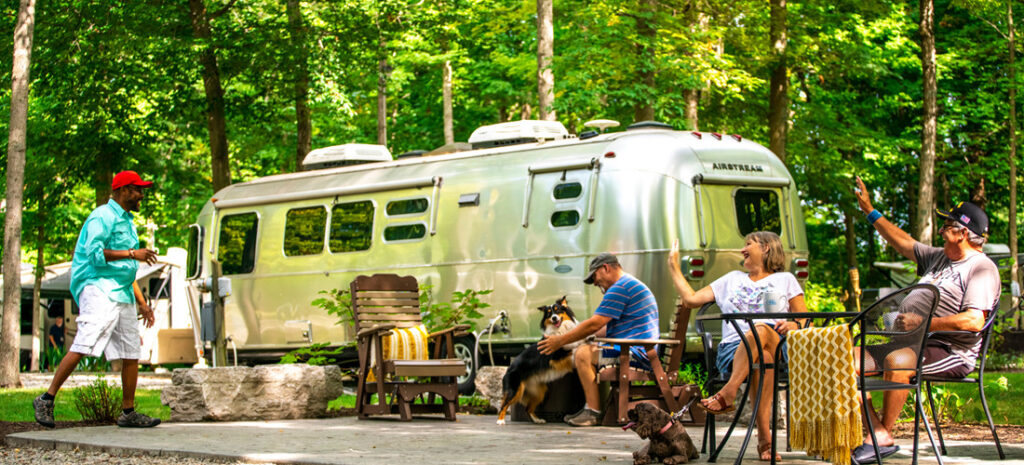
A critical component of the KOA business model is the categorization of its properties into three distinct brands. This segmentation allows travelers to align their campsite selection with their specific itinerary needs, whether they are in the midst of a cross-country transit or seeking a multi-week destination stay.
KOA Journey: The Strategic Waypoint
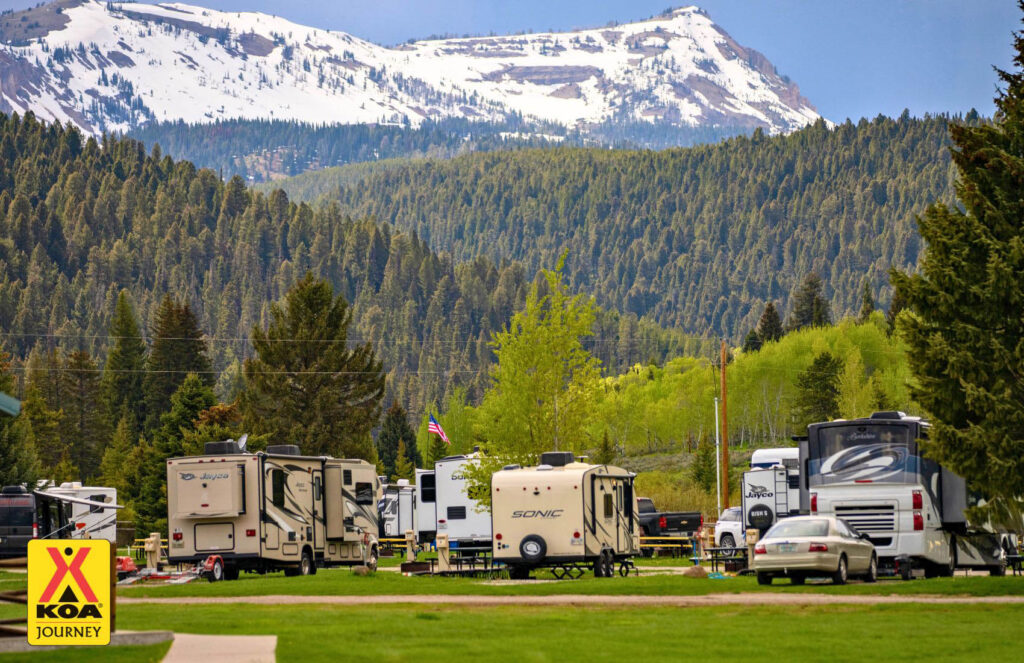
The Journey locations are strategically positioned near major highways and arterial roads. These campgrounds are designed for the "Cross-Country Voyager" who requires a reliable, clean, and efficient place to park overnight before continuing a long-distance trek. Key features of Journey sites include well-lit environments for late-night arrivals and pull-through sites that accommodate large rigs without requiring complex backing maneuvers.
KOA Holiday: The Basecamp for Exploration
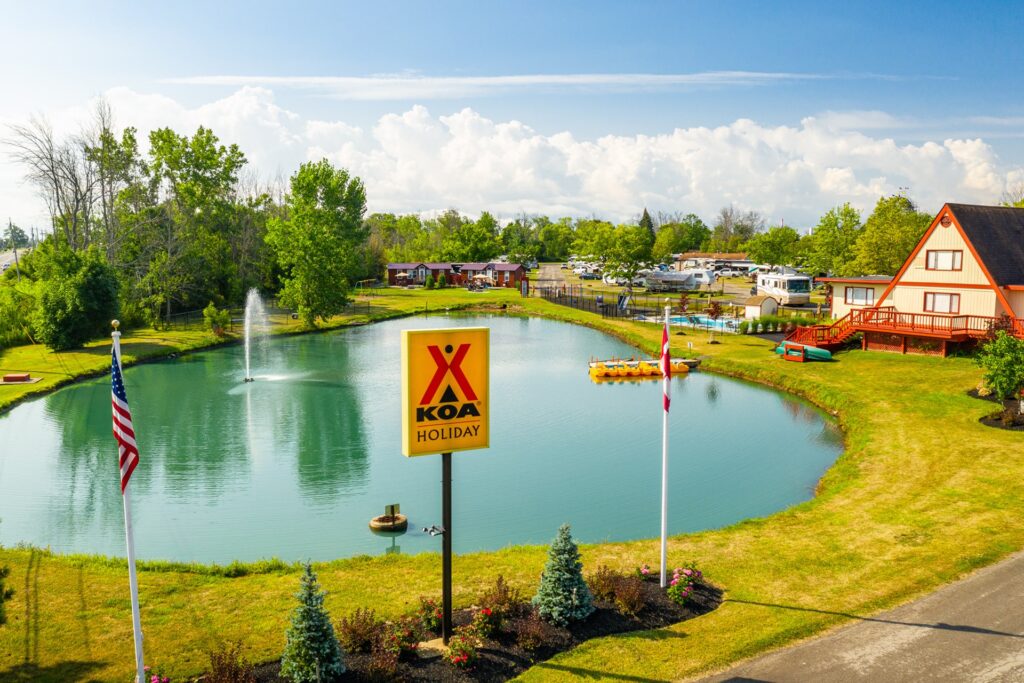
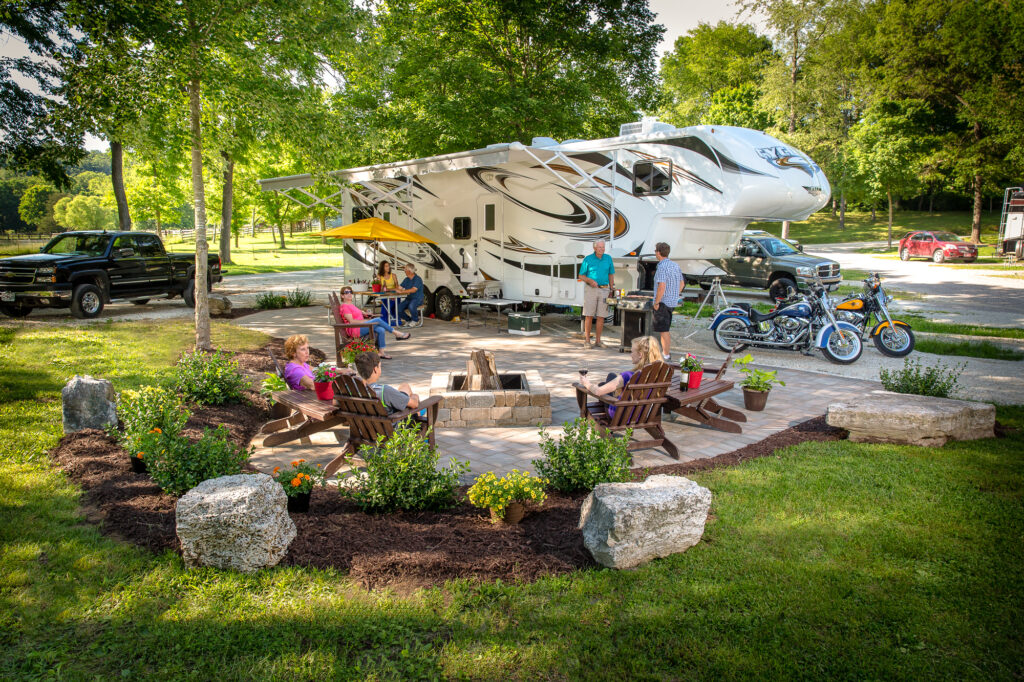
KOA Holiday sites are intended for the "Weekend Warrior" or family vacationer. These are typically located near major regional attractions, such as National Parks, historical landmarks, or coastal regions. They offer enhanced amenities, including upgraded patio sites and organized group activities, serving as a comfortable home base for guests who plan to spend their days exploring the surrounding area.
KOA Resort: The All-Inclusive Outdoor Experience
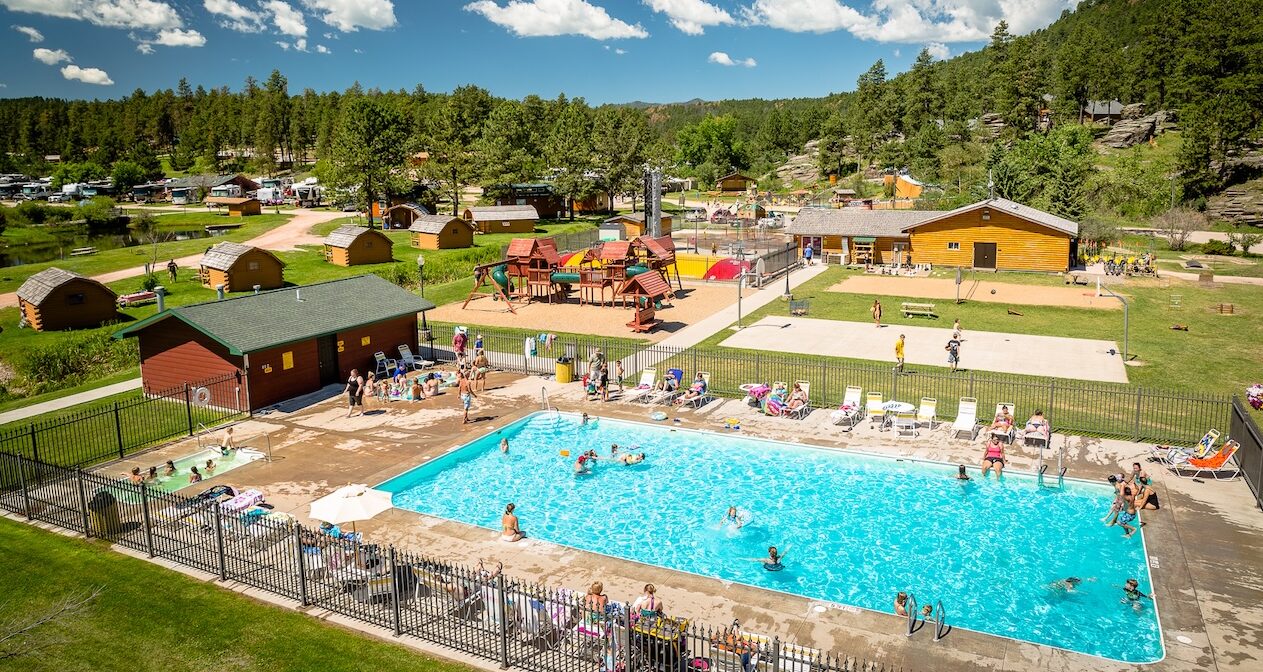
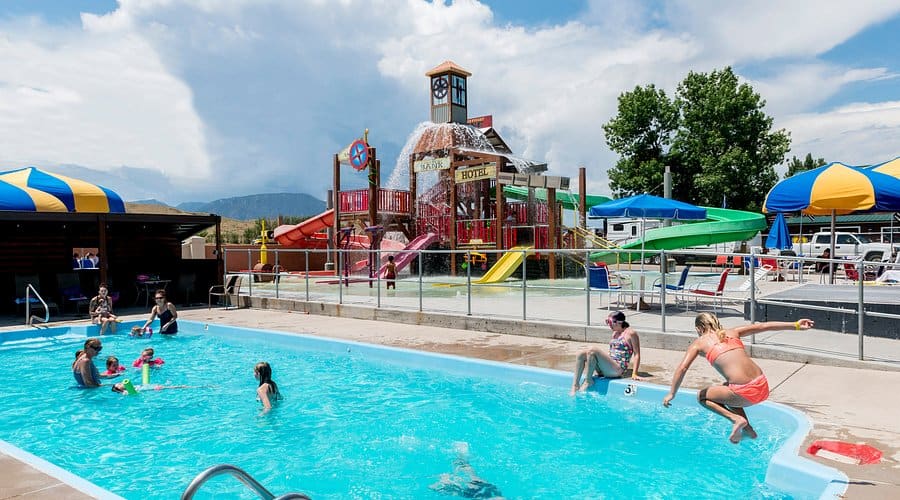
For the "Snowbird" or the luxury traveler, KOA Resorts offer an experience that rivals traditional hotels. These properties feature high-end amenities such as resort-style swimming pools, on-site dining options, and robust recreational schedules. Resorts are designed as destinations in themselves, where the campground is the primary focus of the vacation rather than just a place to sleep.
Technical Specifications and Site Infrastructure
For the modern RVer, the technical capabilities of a campsite are often more important than the scenery. KOA has standardized its site offerings to cater to a wide range of vehicle requirements, from 20-foot camper vans to 45-foot Class A motorhomes.
The Hookup Spectrum
The term "full hookup" is the gold standard in RV camping, and KOA has prioritized this infrastructure across its network. A full-hookup site provides three essential services:
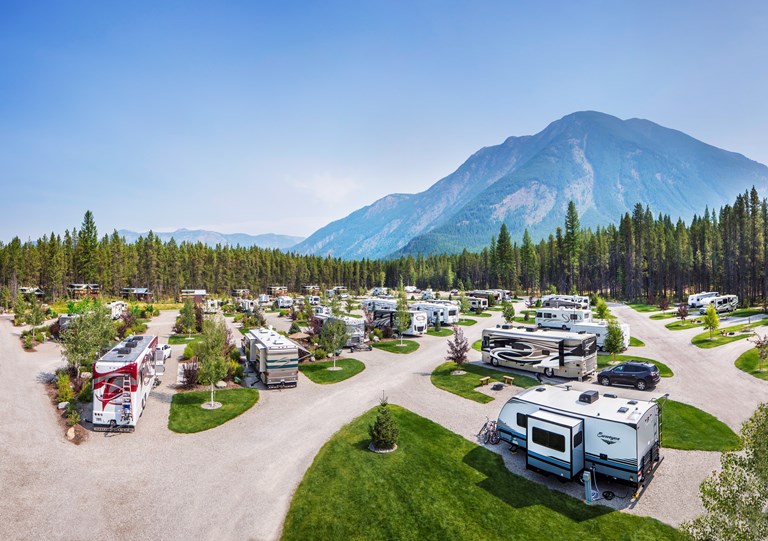
- Electricity: Most sites offer 30-amp or 50-amp service. Modern rigs with multiple air conditioning units and high-end appliances require 50-amp service, a standard that KOA has widely implemented.
- Water: Direct connection to pressurized potable water allows for the use of on-board showers and sinks without depleting the RV’s internal storage tank.
- Sewer: A dedicated sewer inlet allows for the continuous drainage of "grey water" (sinks/showers) and the managed disposal of "black water" (toilets), a necessity for extended stays.
For travelers who do not require all three, "partial hookups" (usually water and electricity) or "dry camping" sites are available at a lower price point, though these are increasingly rare at Resort-level properties.
Site Architecture: Pull-Through vs. Back-In
The physical layout of a KOA site is a significant consideration for drivers. Pull-through sites allow a driver to enter from one side and exit from the other, eliminating the stress of reversing a large trailer or motorhome. Back-in sites, while requiring more technical driving skill, often provide more privacy and better views, as they are frequently located on the perimeter of the campground.
Supporting Data: The RV Demographic Shift
Recent data from the RV Industry Association (RVIA) and KOA’s own annual North American Camping Report highlight a significant shift in the camping demographic. While RVing was once viewed as the province of retirees, the median age of campers has dropped significantly since 2020.
The rise of the "digital nomad" and the expansion of remote work have transformed the RV into a mobile office. Consequently, the demand for high-speed Wi-Fi and reliable cellular coverage has become a top priority for KOA franchisees. According to industry analysis, approximately 40% of active campers now work at least part-time during their trips. This shift has led KOA to invest heavily in "KOA Patio" sites, which provide leveled outdoor spaces that serve as secondary living and working areas.
Pet-Centric Infrastructure: The KampK9 Innovation
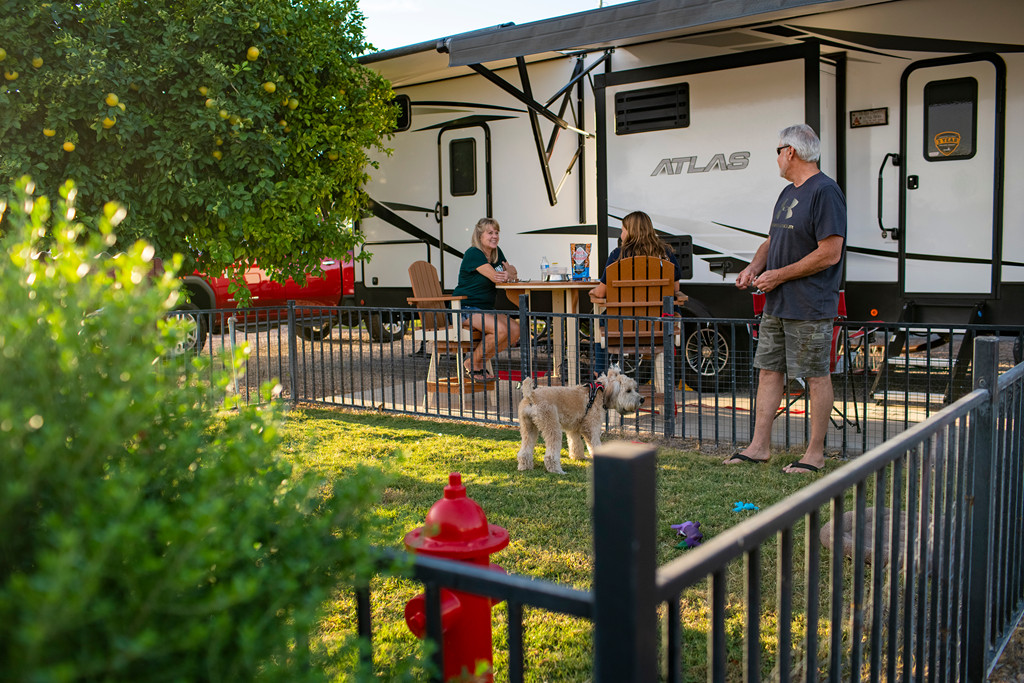
One of the most significant drivers of the RV industry’s growth is the ability to travel with pets. Internal KOA data suggests that 43% of RVers consider pet-friendly facilities a non-negotiable factor when choosing a campground. In response, KOA developed the KampK9 brand—fenced-in, off-leash dog parks found at nearly every location.
Furthermore, the introduction of "Paw Pen" sites represents the next evolution in pet-friendly travel. These sites feature a private, fenced enclosure within the individual campsite, allowing pets to roam freely outside the RV without the need for a tether. This level of specialization has allowed KOA to capture a significant portion of the pet-owning traveler market.
Economic and Health Implications of the Camping Boom
The impact of the KOA network extends beyond simple hospitality; it has profound implications for public health and local economies. A growing body of psychological research indicates that spending time in natural environments reduces cortisol levels, improves sleep quality, and bolsters the immune system. By providing a structured and safe environment for outdoor recreation, KOA lowers the barrier to entry for individuals who might otherwise find nature-based travel intimidating.
Economically, KOA campgrounds serve as vital engines for rural communities. Travelers staying at these locations contribute to local economies by purchasing fuel, groceries, and services, and by visiting nearby tourist attractions. The franchise model also encourages local entrepreneurship, as many KOA locations are family-owned businesses operated under the corporate brand umbrella.
The Digital Transformation of Planning and Booking
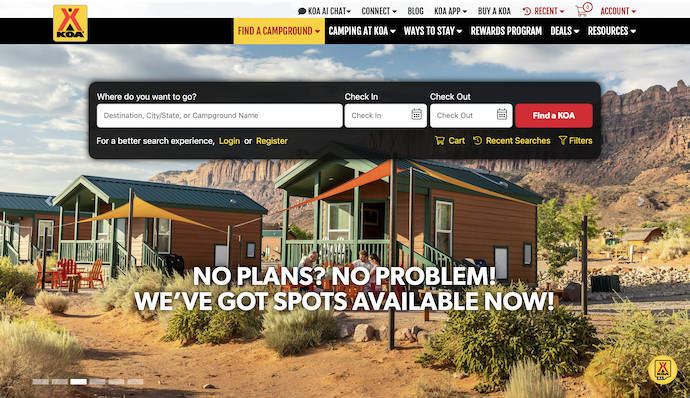
In an era of instant gratification, KOA has modernized the booking process to eliminate the uncertainty of traditional camping. The company’s integrated digital platform allows users to filter searches by rig length, hookup requirements, and specific amenities. This transparency in pricing and availability is a departure from the "first-come, first-served" model that still dominates many public state and national park campgrounds.
The KOA Rewards program further incentivizes brand loyalty. By offering a 10% discount on nightly rates and a points-based system for free stays, KOA has created a closed-loop ecosystem that encourages repeat business. This data-driven approach allows the company to track travel patterns and adjust services to meet emerging consumer needs.
Future Outlook and Industry Analysis
As the RV industry matures, KOA faces the challenge of balancing its heritage with the need for sustainability. The organization has begun implementing "green" initiatives, including solar power integration at various sites and water conservation programs. The future of the brand likely involves the integration of electric vehicle (EV) charging infrastructure, as the first generation of electric RVs begins to enter the market.
In conclusion, Kampgrounds of America has transitioned from a simple roadside stop into a sophisticated, multi-tiered hospitality network. Its success is rooted in a deep understanding of the RV traveler’s needs: reliability, technical infrastructure, and a sense of community. For the millions of North Americans who view the open road as their ultimate destination, the yellow-shirted staff and the familiar A-frame logo of KOA remain the industry’s most recognizable symbols of the modern outdoor experience. As the boundary between home, work, and travel continues to blur, KOA’s role in providing a standardized, high-quality outdoor environment will only become more central to the North American travel narrative.

