

The pervasive human tendency to believe oneself less susceptible to negative outcomes than others, known as the optimism bias, is emerging as a significant impediment to widespread adoption of healthy lifestyle choices, according to a growing body of research. While awareness of basic nutritional guidelines is relatively high among the general population, translating this knowledge into actionable behaviors remains a considerable challenge. This disconnect suggests that factors beyond mere ignorance or confusion about healthy eating are at play, with psychological mechanisms like optimism bias playing a crucial, often underestimated, role.
Understanding the Optimism Bias in Health Behaviors
The optimism bias, a cognitive bias that leads individuals to overestimate the likelihood of experiencing positive events and underestimate the likelihood of experiencing negative events, is deeply ingrained in human psychology. This bias manifests acutely when individuals assess their own health risks. For instance, when surveyed about their dietary habits, many individuals report consuming less meat, greasy foods, sweets, alcohol, and butter than the perceived average person. This self-assessment, even when demonstrably inaccurate, allows them to maintain a perception of being at lower risk for diet-related illnesses compared to their peers.
This phenomenon was underscored in a study where participants, when asked to rate their own eating behaviors, consistently rated them as healthier on average, even when their actual dietary habits were objectively poor. The implication for public health initiatives is substantial: simply informing people about what constitutes a healthy diet may not be enough if they already believe they are doing better than average, regardless of the reality.
The Psychological Defense Mechanism: Minimizing Risk and Blame
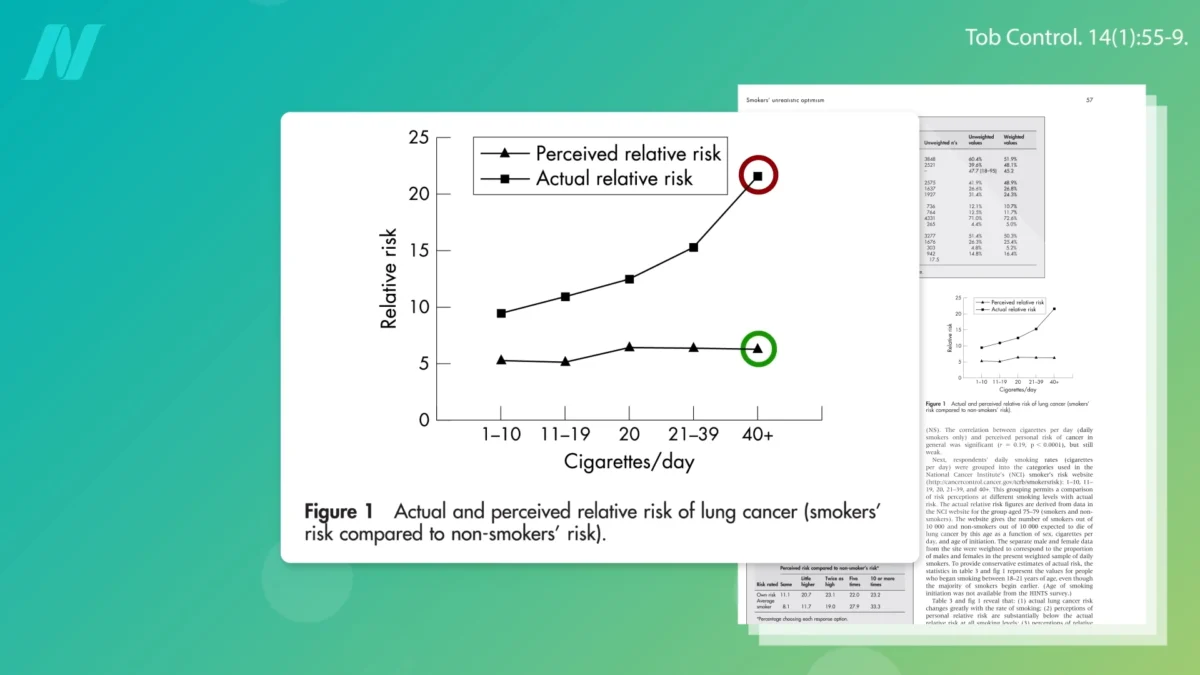
When confronted with evidence that challenges their positive self-perception regarding risky behaviors, individuals often engage in a two-pronged defense: they not only reduce their estimated frequency of engaging in the behavior but also minimize the perceived severity of its consequences. This is akin to the "personal fable" often observed in adolescents, where individuals believe they are unique and invincible. Smokers, for example, frequently underestimate the risks associated with their habit, developing a series of illusions and false beliefs to justify their continued smoking. Studies reveal a strong tendency for smokers to underestimate smoking-related risks, often believing that a two-pack-a-day habit carries only a fraction of the actual increased risk for lung cancer, attributing a significant portion of risk to genetics rather than lifestyle choices.
This pattern of denial and rationalization is not confined to smoking. Many hazards related to diet, such as heart attacks, heart disease, obesity, and diabetes—leading causes of morbidity and mortality—share this "optimistic bias." Individuals can find ingenious reasons to believe their personal risk is lower than that of others, even when objective data points to the contrary. This deeply ingrained bias makes it difficult for individuals to internalize warnings and prompts them to dismiss advice for healthier eating habits, believing they are already adhering to a reasonably healthy diet.

The Challenge for Public Health: Bridging the Awareness-Action Gap
The implications for public health campaigns are profound. If individuals are shielded by an optimism bias, traditional awareness campaigns may fall short. The very act of highlighting the severity of health risks can inadvertently trigger a defensive response, leading people to adjust their self-perception rather than their behavior. This creates a complex paradox for health professionals: how to inform people about the power they hold over their health and disease prevention without inducing guilt or undermining their psychological well-being.
Research on cancer prevention offers a stark illustration of this challenge. A seminal paper from the 1960s, still relevant today, calculated that approximately 90% of human cancers could be preventable, with lifestyle factors playing a far more significant role than genetics. Studies using identical twins have further reinforced this, indicating that for many chronic diseases, including cancers, only about 10% of the risk is attributable to genetic predisposition, while the majority is linked to modifiable behaviors and habits.
Navigating the Emotional Landscape of Health Information
However, presenting this empowering information to individuals diagnosed with cancer can be devastating. The question "Why me?" often reflects a search for an external cause, and the message that their condition might be linked to personal choices can be perceived as blame, leading to feelings of guilt and shame. This is where the delicate balance for healthcare providers becomes critical. Instead of fostering guilt, the aim is to guide patients toward a sense of "responsibility." This involves reframing personal control and agency, empowering them to make different choices moving forward, thereby reclaiming a sense of control over their health trajectory.
The challenge for public health advocates is to develop equally ingenious strategies to counteract this unrealistic optimism. This involves understanding the origins of this bias and devising methods to foster a more accurate perception of personal vulnerability. While efforts to reduce optimistic bias are ongoing, a critical consideration is the potential impact on self-esteem and psychological well-being. A stark realization of one’s true risks, and the extent to which one’s own actions have contributed to those risks, could be psychologically destabilizing.
The Need for Innovative Public Health Strategies
The optimism bias presents a significant hurdle in public health, particularly concerning chronic diseases. The consistent underestimation of personal risk, coupled with the minimization of the consequences of unhealthy behaviors, creates a formidable barrier to behavior change. This bias is not a minor cognitive quirk; it is a deeply ingrained psychological defense mechanism that influences how individuals perceive information, assess risks, and ultimately, make decisions about their health.
As public health initiatives continue to evolve, a deeper understanding of these cognitive biases is paramount. Future campaigns may need to move beyond simple dissemination of information and explore more nuanced approaches that acknowledge and address the psychological underpinnings of health-related decision-making. This could involve personalized interventions, framing messages in ways that are less likely to trigger defensive responses, or leveraging social norms in more effective ways. The ultimate goal remains to equip individuals with the accurate knowledge and the psychological fortitude to translate awareness into sustained, healthy behaviors, thereby mitigating the burden of preventable diseases and fostering a healthier society. The journey from knowing what is healthy to doing what is healthy is a complex one, paved with psychological obstacles that require sophisticated and empathetic solutions.

