

Determining the most widely practiced forms of yoga has long been a subject of anecdotal discussion among practitioners and instructors. However, a landmark initiative by DoYou.com, the DoYou Global Yoga Survey, has provided empirical data, drawing insights from an expansive global participant pool. This comprehensive survey, engaging ten thousand individuals from 124 diverse countries, offers a clear statistical overview of contemporary yoga preferences, revealing discernible trends in style selection and practice motivations. The findings not only highlight the current landscape of yoga but also offer valuable insights into the evolving needs and expectations of practitioners worldwide.
The DoYou Global Yoga Survey: A Window into Global Practice
Launched by DoYou.com, a prominent online platform dedicated to yoga and wellness, the Global Yoga Survey aimed to capture a snapshot of the worldwide yoga community’s preferences, habits, and motivations. The initiative was designed to move beyond regional or anecdotal observations, leveraging a broad international reach to collect data that truly reflects global trends. By surveying 10,000 individuals across 124 countries, the survey provided a robust dataset, allowing for a statistically significant understanding of popular yoga styles. The methodology involved collecting self-reported primary yoga styles, alongside other demographic and practice-related information, to paint a holistic picture of global engagement with yoga. The sheer scale of participation underscores the universal appeal of yoga and the community’s eagerness to understand its collective journey. The results serve as a crucial benchmark for yoga studios, instructors, and content creators, guiding them in tailoring offerings to meet practitioner demand.
Understanding the Top Contenders: A Deep Dive into Popular Yoga Styles
The survey’s findings illuminate a fascinating spectrum of preferences, ranging from dynamic, physically demanding practices to introspective, restorative approaches. While many niche variations exist, the survey identified several dominant styles, with Vinyasa Flow leading the charge.
1. Vinyasa Flow: The Dynamic Frontrunner (57% of Respondents)
Emerging as the undisputed leader, Vinyasa Flow was cited as the primary yoga style by a remarkable 57% of respondents. This widespread popularity is largely attributable to its dynamic nature, characterized by a seamless, fluid movement between poses, often synchronized with breath. The term "Vinyasa" itself translates loosely to "to place in a special way," referring to the intelligent sequencing of poses.
Vinyasa is not a rigid system but rather a broad category that emphasizes creativity and adaptation. While it encompasses more structured forms like Power Yoga and Ashtanga, when referred to broadly, "Vinyasa" offers instructors and practitioners immense flexibility. Classes can be tailored to various skill levels, from beginner-friendly sequences focusing on foundational poses to advanced flows incorporating inversions and arm balances. The continuous movement inherent in Vinyasa effectively elevates the heart rate, builds internal heat, and engages major muscle groups, delivering a comprehensive physical workout. This aligns closely with many individuals’ traditional expectations of exercise, offering tangible benefits such as increased strength, flexibility, stamina, and improved cardiovascular health.
Its appeal also stems from its typically less overtly spiritual focus compared to some traditional forms, making it accessible to a broader audience seeking physical fitness and stress relief without necessarily engaging in deeper philosophical aspects. Practitioners often report immediate physical benefits, including reduced muscle stiffness and an enhanced sense of well-being, reinforcing its appeal as a regular practice. The adaptability of Vinyasa also allows for a diverse range of themes, music, and paces, ensuring that no two classes are exactly alike, which keeps the practice engaging and prevents monotony for long-term practitioners.
2. Hatha Yoga: The Foundational Pillar (42% of Respondents)
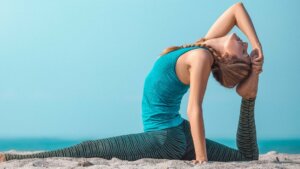
Securing the second position, Hatha Yoga garnered 42% of the votes. Hatha is often considered the foundation from which many contemporary yoga styles have evolved. Historically, "Hatha Yoga" referred to any physical yoga practice, encompassing a vast array of techniques, including asanas (postures), pranayama (breathing exercises), and mudras (hand gestures). In modern Western contexts, Hatha has generally come to denote a slower-paced style that contrasts sharply with the dynamic flow of Vinyasa.
A typical Hatha class focuses on holding individual poses for several breaths, allowing practitioners ample time to explore alignment, deepen stretches, and cultivate body awareness. This deliberate pace makes Hatha an excellent entry point for beginners, providing a gentle introduction to fundamental postures and breathing techniques without the pressure of continuous movement. It is also favored by those seeking a more meditative and introspective practice, emphasizing deep stretching, improved flexibility, and mental calm. Hatha yoga’s benefits extend beyond the physical, promoting stress reduction, improved posture, and enhanced mind-body connection. Its focus on sustained holds helps to build foundational strength and endurance, preparing the body for more advanced practices while respecting its current limitations.
3. Restorative Yoga: The Art of Deep Relaxation (29% of Respondents)
Tying for third place, Restorative Yoga resonated with 29% of survey participants, indicating a significant demand for practices that prioritize relaxation and recovery. In an increasingly demanding world, the appeal of a yoga style designed specifically for stress reduction and healing is profound.
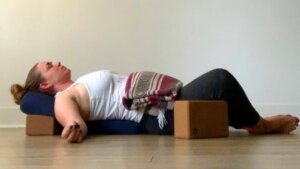
Restorative yoga sequences typically involve a limited number of gentle poses, held for extended durations (often 5-20 minutes or more), with the extensive support of props such as bolsters, blankets, blocks, and eye pillows. The goal is to allow the body to fully surrender and relax into the support, releasing tension without muscular effort. Poses often include gentle forward folds, supported backbends, and mild twists, all aimed at calming the nervous system. This practice is particularly beneficial for individuals experiencing chronic stress, fatigue, injury, or recovering from illness. It encourages deep relaxation, lowers heart rate and blood pressure, and promotes the body’s natural healing processes. Many practitioners find Restorative yoga to be an ideal practice before bedtime, aiding in sleep quality and fostering a profound sense of peace. The emphasis is not on physical exertion but on passive stretching and mental stillness, making it accessible to all body types and levels of physical ability.
4. Power Yoga: Intensity and Strength (29% of Respondents)
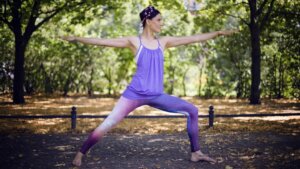
Sharing the third spot with Restorative Yoga, Power Yoga also captured the preference of 29% of respondents. As a direct descendant of Vinyasa, Power Yoga maintains its core tenets but elevates the physical challenge. It is characterized by faster transitions, more rigorous sequences, and longer holds in strength-building poses.
Power Yoga instructors often design classes to be particularly demanding, incorporating advanced postures, core work, and high-intensity intervals to build significant muscular strength, endurance, and cardiovascular fitness. This style appeals strongly to individuals seeking a robust workout that combines the flexibility and mindfulness of yoga with the intensity of a gym session. While sharing the fluid nature of Vinyasa, Power Yoga pushes practitioners to their physical limits, making it a favorite among athletes and those looking to develop serious physical prowess. It offers a powerful means to detoxify the body through sweat, build lean muscle mass, and increase overall stamina. Despite its intensity, the mental focus required to navigate challenging poses contributes to enhanced concentration and mental resilience.
5. Ashtanga Yoga: The Methodical Path (25% of Respondents)
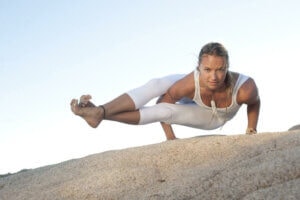
Practiced by 25% of the survey respondents, Ashtanga Yoga stands out for its highly disciplined and structured approach. Developed by K. Pattabhi Jois, Ashtanga is a traditional Vinyasa system characterized by a prescribed sequence of poses, performed in a specific order, linking breath (Ujjayi pranayama) with movement (Vinyasa).
The primary series, known as Yoga Chikitsa (Yoga Therapy), is designed to detoxify and align the body. Unlike the creative freedom of general Vinyasa, every Ashtanga class follows the same fixed sequence of postures, regardless of location or instructor. This consistent routine allows practitioners to internalize the sequence, fostering deep concentration and a meditative state. It also provides a clear framework for observing personal progress, as practitioners work towards mastering each pose before moving on to the next. Ashtanga is a physically demanding practice that builds immense strength, flexibility, and stamina. Its disciplined nature appeals to those who thrive on routine, measurable goals, and a rigorous, transformative practice. The consistency also cultivates a strong sense of self-discipline and mental fortitude.
6. Yin Yoga: Tapping into the Deep Tissues (17% of Respondents)
With 17% of respondents choosing it as their primary style, Yin Yoga presents a fascinating counterpoint to more dynamic practices. While superficially similar to Restorative yoga in its long-held poses, Yin yoga targets deeper tissues – the connective tissues like ligaments, joints, bones, and fascia – rather than just muscles.
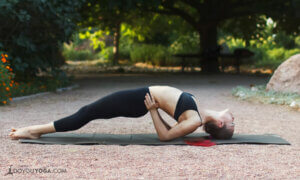
Yin poses are typically held for three to five minutes, or even longer, often with little to no muscular engagement. The focus is on gentle, sustained pressure and stretch, primarily in the hips, pelvis, inner thighs, and spine. This approach aims to increase circulation in the joints and improve flexibility, particularly in areas that tend to become tight from modern lifestyles or more "yang" (active) forms of exercise. Yin yoga is often described as challenging, not due to physical exertion, but because it requires immense patience, concentration, and the ability to sit with discomfort. It offers a profound opportunity for introspection and mindfulness, balancing the fast-paced, muscle-focused practices by promoting joint health, injury prevention, and a deeper understanding of the body’s subtle energies. It’s an excellent complementary practice for athletes and those who engage in high-intensity activities.
7. Bikram/Hot Yoga: Sweating for Serenity (10% of Respondents)
Ten percent of the survey participants indicated a preference for Bikram or Hot Yoga. These styles are defined by their practice in a heated environment, typically ranging from 35-42°C (95-108°F). Bikram Yoga is a highly regimented system, consisting of a fixed sequence of 26 postures and two breathing exercises, performed in a specific order over 90 minutes.
More generic "Hot Yoga" classes offer greater flexibility in sequencing and pose selection while retaining the heated room element. The elevated temperature is believed to enhance flexibility, promote detoxification through profuse sweating, and increase cardiovascular challenge. Practitioners often report feeling deeply cleansed and invigorated after a hot yoga session. However, adequate hydration is paramount for these practices. It is strongly recommended to hydrate well in advance—at least 24 hours prior—and continue hydrating after class to replenish lost fluids and electrolytes. While some medical professionals advise caution for certain individuals due to the heat, many find the intensity and unique benefits of hot yoga deeply rewarding for both physical and mental well-being.
8. Iyengar Yoga: Precision and Alignment (8% of Respondents)
Eight percent of the Global Yoga Survey respondents practice Iyengar Yoga, a distinct subset of Hatha Yoga developed by B.K.S. Iyengar. This style is renowned for its meticulous attention to detail, precision in alignment, and the extensive use of props.
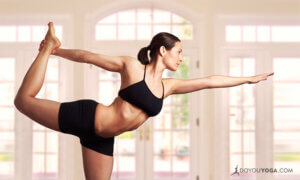
Iyengar Yoga sequences are carefully designed to build strength, flexibility, and stability, with each pose held for a significant duration. The emphasis is on anatomical precision, ensuring that the body is correctly aligned to maximize the benefits of each posture and minimize the risk of injury. Props such as blocks, straps, blankets, and chairs are integral to the practice, enabling students of all physical conditions to access poses safely and effectively, deepening their understanding of alignment. This therapeutic approach makes Iyengar Yoga particularly beneficial for individuals with physical limitations, injuries, or those seeking a deeper, more intellectual understanding of the postures. The focus on precise form cultivates heightened body awareness, mental clarity, and a profound sense of stability, making it a rigorous yet highly rewarding practice for those dedicated to perfecting their physical and mental poise.
Analyzing the Trends: What the Survey Reveals
The results of the DoYou Global Yoga Survey offer a compelling snapshot of the global yoga landscape, revealing several significant trends and implications.
Firstly, the overwhelming popularity of Vinyasa Flow (57%) underscores a global preference for dynamic, fitness-oriented yoga practices. This suggests that a significant portion of the modern yoga community seeks physical benefits – strength, flexibility, and cardiovascular health – alongside the mental benefits of stress reduction. The adaptability of Vinyasa also plays a key role, allowing it to cater to diverse levels and preferences within the broader fitness trend.
Secondly, the strong showing of Hatha Yoga (42%) indicates that despite the rise of dynamic styles, there remains a substantial appreciation for foundational, slower-paced practices. This highlights the enduring value of traditional approaches that emphasize alignment, breath, and a more introspective experience, appealing particularly to beginners or those seeking a less intense, more meditative session.

Thirdly, the identical percentage for Restorative and Power Yoga (29%) is particularly insightful. It reveals a bifurcation in practitioner needs: a significant segment seeks intense physical challenge and measurable results (Power Yoga), while another equally large segment prioritizes deep relaxation, stress recovery, and therapeutic benefits (Restorative Yoga). This suggests that modern lifestyles are creating demands at both ends of the spectrum – the need for vigorous activity and the equally critical need for profound rest.
The inclusion of Ashtanga (25%), Yin (17%), Bikram/Hot (10%), and Iyengar (8%) further illustrates the rich diversity within the yoga world. These styles, while perhaps more niche than Vinyasa or Hatha, cater to specific needs: Ashtanga for discipline and consistency, Yin for deep tissue work and introspection, Hot Yoga for intensity and detoxification, and Iyengar for precision and therapeutic alignment. Their continued popularity confirms that specialized approaches hold significant appeal for dedicated practitioners.
Implications for the Yoga Industry and Practitioners
The survey’s findings carry significant implications for the yoga industry. Studios and online platforms can leverage this data to refine their class schedules, marketing strategies, and instructor training programs. The high demand for Vinyasa suggests that a strong offering in this category is essential for broad appeal, while robust Hatha and Restorative programs will cater to foundational and restorative needs. The parallel demand for Power and Restorative indicates an opportunity for studios to offer balanced programming that addresses both "yang" (active) and "yin" (passive) aspects of practice.
For individual practitioners, these insights can serve as a guide. If unsure where to begin, the top styles offer popular entry points. However, the diversity revealed also encourages exploration beyond the familiar. Trying different styles, even those that seem less aligned with one’s initial preferences, can lead to new discoveries about one’s body, mind, and personal practice. For example, a dedicated Vinyasa practitioner might find immense benefit in a Yin or Restorative class for recovery and deeper flexibility, while someone accustomed to Hatha might enjoy the invigorating challenge of Power Yoga.
Ultimately, the DoYou Global Yoga Survey underscores the dynamic and evolving nature of yoga in the 21st century. It confirms that yoga is not a monolithic practice but a vast, adaptable discipline that continues to meet the diverse physical, mental, and spiritual needs of a global community. Whether one seeks a vigorous workout, deep relaxation, precise alignment, or a methodical path to self-discovery, the world of yoga offers a style tailored to every individual. The journey of exploration itself can be a profound path to self-understanding and holistic well-being.

