

A controversial series of papers published in the Annals of Internal Medicine has ignited a firestorm within the public health and nutrition communities. The studies, which largely discounted evidence not derived from the highest quality randomized controlled trials, concluded that individuals should continue their current levels of red and processed meat consumption. This stance directly contradicts decades of public health advice linking meat intake to significant health risks. Critics argue that the methodology employed by the research panel, known as NutriRECS, systematically excluded a vast body of evidence, leading to recommendations that prioritize consumer preference over established health outcomes.
The NutriRECS Panel and Its Controversial Methodology
The research in question originated from a self-appointed panel that convened under the banner of NutriRECS (Nutrition, Diet, and Food Policy Experts). This panel, which the article notes received "generous support" from entities with financial ties to the meat industry, undertook a systematic review of existing research on the health effects of red and processed meat. Their stated aim was to develop dietary guidelines based on "the preferences of patients" and to balance health benefits against what they termed "taste cost."
A central tenet of the NutriRECS panel’s approach was the strict adherence to the GRADE (Grading of Recommendations Assessment, Development, and Evaluation) criteria. While the GRADE system is a valuable tool for evaluating evidence, particularly in drug trials where randomized, double-blind, placebo-controlled studies are the gold standard, its application to dietary and lifestyle factors has drawn significant criticism. Critics contend that the stringency of these criteria, designed for interventional drug studies, is ill-suited for observational data prevalent in nutritional science.
This strict interpretation meant that a vast amount of epidemiological data, which has consistently linked higher red and processed meat consumption to adverse health outcomes, was classified as "low" or "very low" quality evidence. This exclusion is particularly problematic because, as the original article points out, applying such stringent GRADE criteria to other well-established dietary, lifestyle, and environmental health recommendations would render them unsupported by high- or even moderate-quality evidence. For instance, recommendations to reduce fruit and vegetable intake, limit sugar-sweetened beverages, moderate alcohol consumption, engage in physical activity, practice safe sex, ensure adequate sleep, and avoid passive smoking and air pollution would all face similar challenges under this methodology.
Contradictory Findings Within the Study
Despite their methodological exclusions, the NutriRECS panel’s own meta-analyses revealed associations between meat intake and increased health risks. The papers acknowledged that diets lower in red or processed meat consumption may decrease risks for premature death, cardiometabolic diseases (such as heart disease and type 2 diabetes), and cancer mortality. One of their own summarized findings indicated that a moderate reduction in red and processed meat consumption could lead to a 13% reduction in total mortality, a 14% reduction in heart disease mortality, an 11% reduction in cancer mortality, and a 24% decrease in type 2 diabetes risk.
However, in a move that baffled many in the scientific community, these findings were ultimately overridden by their concluding recommendations. The panel advised to "continue current unprocessed red meat consumption" and "continue current processed meat consumption." This generated a significant backlash, with nutritionists and public health advocates questioning how the panel could acknowledge these risk reductions and still advocate for maintaining current consumption levels. The justification provided was that for the majority of people, the perceived "undesirable effects" of reducing meat intake—primarily the loss of enjoyment—were believed to outweigh the desirable health benefits, such as lowering the risk of major diseases.
The "Taste Cost" Argument and Industry Influence
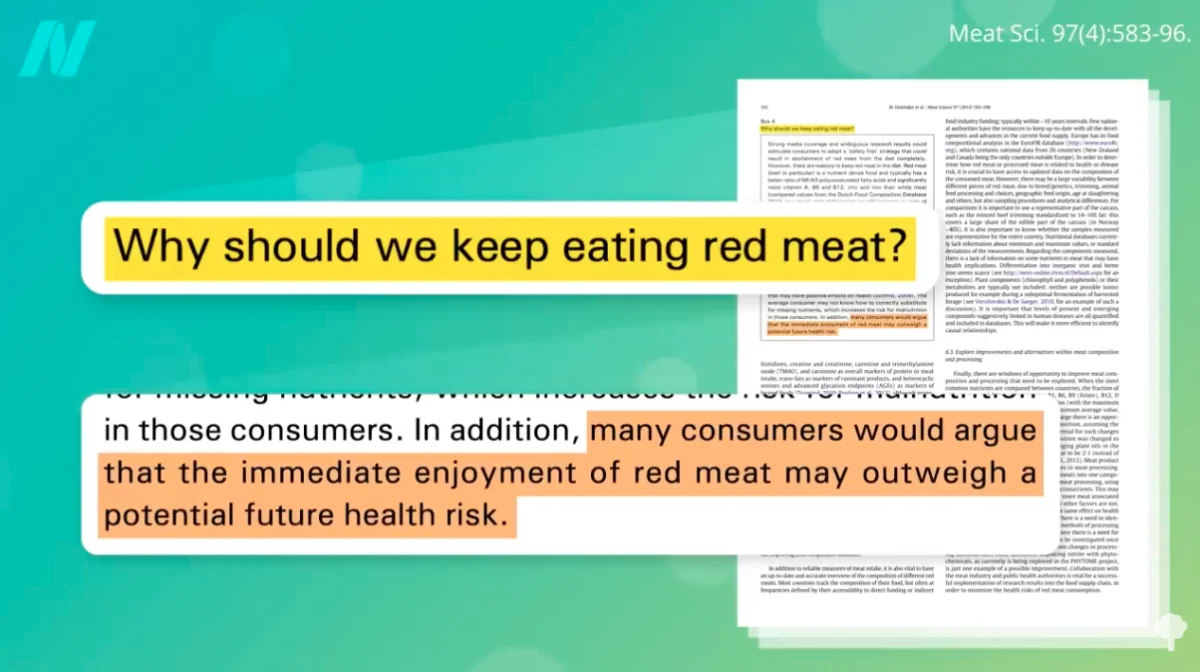
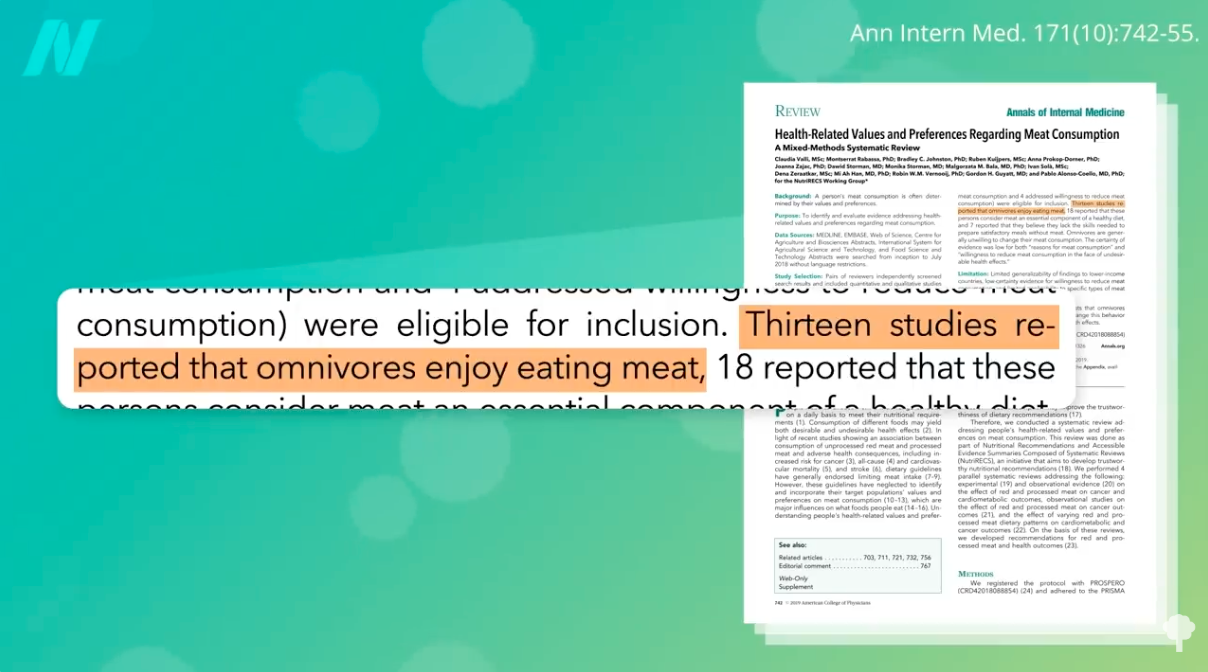
The panel’s rationale appears to be heavily influenced by what they refer to as the "taste cost" associated with dietary changes. They conducted a systematic review of consumer preferences, finding that individuals who eat meat generally enjoy it. This enjoyment factor, combined with the perceived unwillingness of omnivores to alter their consumption habits, even in light of health concerns, formed a cornerstone of their recommendations.
This emphasis on consumer preference over established health risks has been met with strong disapproval. Critics argue that this approach is akin to disregarding the proven benefits of seatbelts or helmets simply because some individuals prefer the sensation of the wind in their hair or the freedom of an unrestrained drive. The logic, they assert, is flawed and potentially dangerous, setting a precedent where subjective enjoyment can trump objective health evidence.
The financial backing of the NutriRECS panel has also come under intense scrutiny. The article highlights that the panel had "generous support" from a group that receives millions annually from the meat industry. This raises serious questions about potential conflicts of interest and whether the recommendations were truly independent or influenced by industry funding. This is not the first time such a panel has faced similar accusations; the article notes that NutriRECS also published a paper criticizing sugar guidelines, funded by the soda and candy industries, further fueling concerns about industry manipulation of nutritional advice.
A Chronology of the Controversy
The publication of these papers in late 2019 marked the culmination of years of research and debate surrounding meat consumption and health. While the specific timeline of the NutriRECS panel’s formation and work is not fully detailed, the Annals of Internal Medicine publication in October 2019 served as the primary catalyst for the widespread public discussion and criticism. The journal’s accompanying press release, which stated, "No need to reduce red or processed meat consumption for good health," amplified the controversy and prompted swift reactions from numerous health organizations and independent researchers.
The scientific community’s response was largely one of disbelief and concern. Many pointed out the selective application of research methodologies and the downplaying of significant health risks. Dr. David Katz, director of Yale’s Prevention Research Center, articulated this sentiment strongly, stating that guidelines "opposing the very data on which they purport to be based are not science; they are anti-science." He drew parallels between the meat recommendations and a hypothetical scenario where guidelines might suggest "No need to quit smoking for good health" or "No need to exercise for good health," based on similar logic that prioritizes immediate gratification over long-term well-being.
Broader Implications for Public Health Guidelines
The implications of the NutriRECS findings and the Annals of Internal Medicine publication are far-reaching. They challenge the established consensus on dietary recommendations, which has consistently advised moderation in red and processed meat consumption due to their links with chronic diseases. The methodology employed by NutriRECS, if applied more broadly, could undermine a wide range of public health advice, from nutrition to lifestyle choices.
The core of the critique lies in the panel’s decision to label a substantial portion of existing nutritional research as "low quality" and then proceed to make recommendations that appear to disregard the identified risks. This has led to accusations that the panel is not engaging in scientific inquiry but rather in a form of "anti-science" that prioritizes perceived consumer preferences and potentially industry interests over public health.
The Future of Dietary Recommendations
The debate highlights a critical tension in public health: how to balance scientific evidence with public behavior and preferences. While acknowledging that dietary changes can be challenging, the prevailing scientific and public health view is that established health risks associated with certain foods should not be dismissed simply because adherence to recommendations might involve some degree of inconvenience or sacrifice of immediate pleasure.
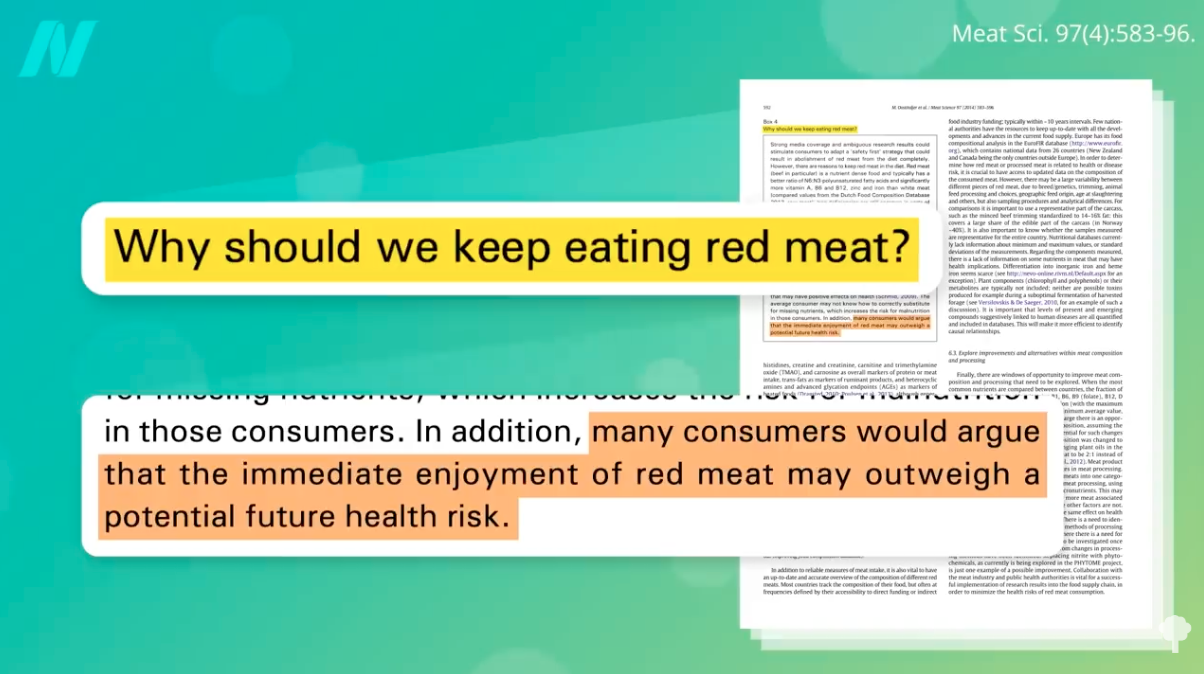
The article concludes by posing a pointed question: if the argument for continuing meat consumption is based on "immediate enjoyment," does that justify ignoring risks similar to those associated with smoking, excessive alcohol consumption, or other behaviors known to be detrimental to health? The analogy of motorcycle helmets, while stark, serves to underscore the perceived absurdity of prioritizing immediate gratification over proven safety measures.
The controversy surrounding the NutriRECS panel and their recommendations serves as a critical case study in the influence of industry funding on scientific research and the potential for methodological biases to shape public health guidance. It underscores the importance of transparency, rigorous independent review, and a commitment to evidence-based decision-making in the development of dietary guidelines that genuinely serve the public interest.
Doctor’s Note: Understanding the nuances of relative risk numbers is crucial for interpreting health studies. For instance, the video "How Much Cancer Does Processed Meat Cause?" offers a detailed explanation of how these statistics are presented and can be understood in practical terms. This series is part of a larger exploration into how industries can impact dietary and health guidelines, with subsequent articles examining how "Big Meat" distorted evidence and the lifespan cost of consuming a burger.

