

The evolution of modern strength and conditioning has increasingly focused on the delicate equilibrium between mechanical stimulus and physiological recovery, challenging the long-standing fitness adage that one should merely stimulate rather than annihilate muscle tissue. While the sentiment of avoiding injury remains foundational, contemporary athletic coaching now emphasizes a more nuanced approach: the strategic application of high-intensity stress followed by structured recovery. This methodology, championed by prominent figures in the field such as Alex Viada of Complete Human Performance and Chad Wesley Smith of Juggernaut Training Systems, suggests that progress is not found in the avoidance of "annihilation," but in the professional management of it through periodized, undulated, and concurrent training plans.
The Paradigm of Stress Management in Athletic Development
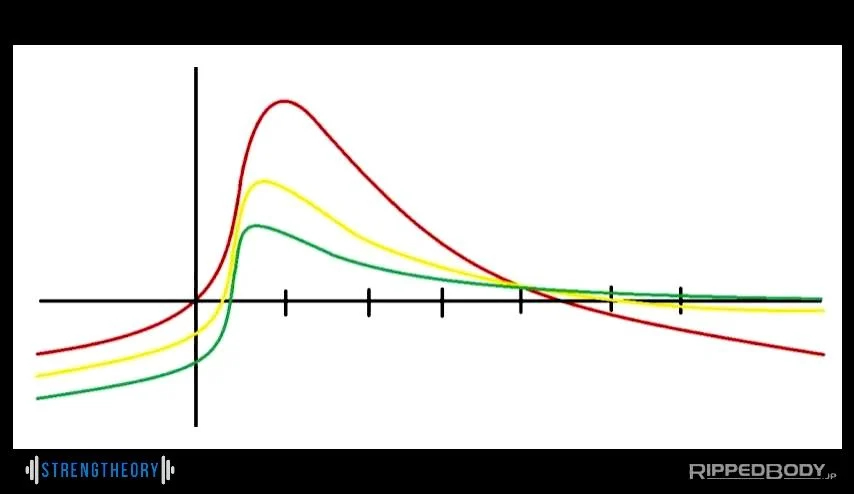
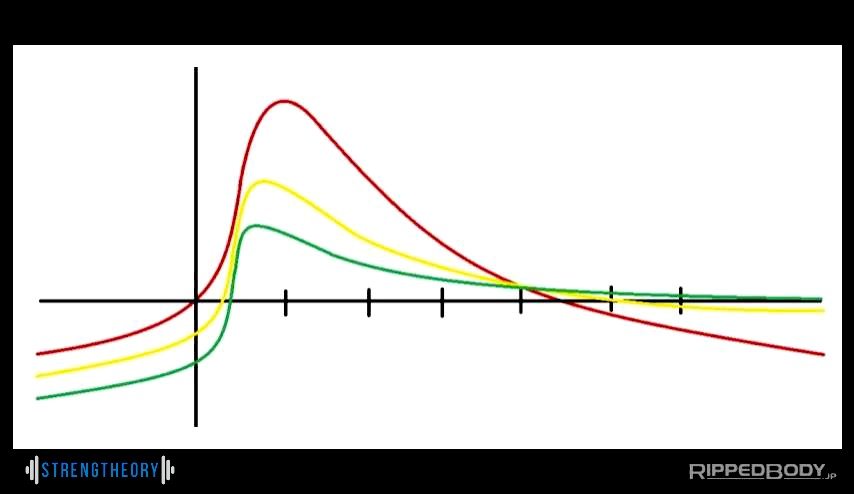
At the core of professional strength coaching is the concept of stress management. Dr. Pat Davidson, a noted exercise physiologist and coach, posits that the primary role of a strength professional is to serve as a manager of biological stress. The objective is to apply the maximum amount of physical stress an individual can survive and adapt to, without crossing the threshold into systemic failure. This approach is rooted in Hans Selye’s General Adaptation Syndrome (GAS), which outlines three stages of stress response: alarm, resistance, and exhaustion.
In a professional training environment, the "alarm" phase is represented by the workout itself, which disrupts homeostasis. The "resistance" phase occurs during recovery, where the body adapts to the stressor by becoming stronger. Strategic coaching ensures that the trainee remains in the resistance phase and avoids the "exhaustion" phase, where the body can no longer compensate for the load, leading to injury or burnout. This requires a sophisticated understanding of training volume, intensity, and frequency, rather than a simplistic adherence to "working hard" every session.
Distinguishing Between Fatigue and Clinical Overtraining
A significant point of confusion in the fitness industry involves the distinction between acute fatigue and clinical overtraining syndrome (OTS). Many recreational trainees misidentify standard muscle soreness or temporary performance decreases as overtraining. However, sports science data suggests that true overtraining is an elusive and extreme physiological state characterized by long-term decrements in performance, hormonal imbalances, and neurological disruptions.
To provide context, researchers often point to extreme endurance feats. For example, in 2015, James Lawrence, known as the "Iron Cowboy," completed 50 iron-distance triathlons in 50 consecutive days across 50 different U.S. states. While Lawrence experienced profound fatigue and required meticulous nutritional and therapeutic interventions, he did not reach a state of clinical overtraining that prevented the completion of his objective. This suggests that the human body possesses a much higher ceiling for stress than is commonly assumed, provided that the stress is introduced through a "smart" progression rather than haphazard intensity.
The Risks of Emulating Elite Athletic Protocols
One of the primary drivers of training injury among the general population is the "Elite Athlete Fallacy." This occurs when recreational lifters attempt to replicate the high-frequency, high-intensity programs of professional athletes without possessing the requisite recovery environment or training history.
Elite powerlifters, such as Chris Duffin, have gained notoriety for "Squatober" challenges or daily max-effort attempts. However, these athletes often dedicate four to six hours daily to training, mobility, and recovery. In contrast, the average trainee typically spends eight to nine hours in a sedentary professional environment, which impacts hip mobility and spinal health. Attempting "daily squatting" or "max effort" protocols without years of progressive loading often leads to "The Tin Man" effect—a state of hyper-rigidity and joint inflammation.
Journalistic analysis of injury data in commercial gyms suggests that a lack of "training age" (the number of years spent training seriously) is a leading predictor of injury when high-stress protocols are introduced. Professional coaches advocate for a "cart before the horse" assessment, ensuring a trainee has mastered explosive movements and structural stability before attempting high-frequency elite programs.
Strategic Modifications: The Case for Reduced Deadlift Frequency
In the hierarchy of strength movements, the deadlift is widely regarded as the most taxing on the Central Nervous System (CNS) and the axial skeleton. Professional observations suggest a "point of diminishing returns" once a trainee reaches a specific strength milestone, typically defined as a 2x bodyweight deadlift.

Data indicates that heavy deadlifting (at or above 85% of a one-rep maximum) more than once per week can lead to systemic fatigue that masks a trainee’s true fitness levels. To mitigate this, modern programs often implement a bifurcated approach to the posterior chain:
- Cluster Sets for Strength: Utilizing 70-80% of 1RM with short rest intervals (e.g., one rep every 15 seconds) to build volume without the neurological "burnout" of a true max effort.
- Speed and Technique Work: Utilizing 60-70% of 1RM to focus on bar speed and technical proficiency, which allows for frequent practice of the movement pattern without the heavy mechanical load.
By limiting "max effort" work to once every two to three weeks, athletes can maintain a higher average performance level across all training sessions.
Incorporating Low Mechanical Loading and Time-Under-Tension
To avoid systemic "annihilation" while still promoting hypertrophy (muscle growth), coaches are increasingly turning to bodyweight movements with altered tempos. This reduces the "mechanical loading" on the joints while increasing metabolic stress—a key driver of muscle growth.
The Bulgarian Split Squat is frequently cited as a premier movement for this purpose. When performed for time rather than repetitions (e.g., 60 seconds per leg) and with controlled tempos (3 seconds down, 3 seconds up), the exercise elicits significant muscular adaptation without the spinal compression associated with heavy back squats. This strategy allows trainees to "work harder" in a localized muscular sense while sparing the nervous system and the spine.
The Role of Non-Exercise Activity in Recovery
While high-intensity intervals and heavy lifting dominate the conversation, "low-intensity steady state" (LISS) activity, specifically walking, remains a critical component of professional recovery protocols. Casual walking increases blood flow to damaged tissues and aids in the clearance of metabolic byproducts without adding to the total "stress bucket" of the athlete. Unlike "rucking" (walking with a weighted pack) or sled dragging, which are considered training stressors, casual walking serves as a parasympathetic nervous system stimulant, moving the body into a "rest and digest" state conducive to repair.

The Mechanics of the Deload: Volume vs. Intensity
A standard professional training cycle typically operates on a four-week "block" periodization. The fourth week is generally reserved for a "deload," a strategic reduction in training stress designed to allow fatigue to dissipate so that new adaptations can manifest.
There are two primary methods for deloading:
- Volume Deloading: Reducing the number of sets and reps (tonnage) while maintaining a relatively high intensity (percentage of 1RM). This is often preferred for maintaining neurological familiarity with heavy weights while allowing muscular recovery.
- Intensity Deloading: Reducing the weight used while maintaining volume, or reducing both. This is typically reserved for competitive athletes in an "off-season" or individuals showing signs of joint inflammation.
Research suggests that overtraining is more frequently a result of excessive volume rather than excessive intensity. Therefore, reducing the total "work" (sets x reps x weight) during week four—while keeping the main lifts heavy enough to maintain technical proficiency—is the most common recommendation among strength professionals.
Implications for Long-term Physical Performance
The shift toward "stress management" over "blind annihilation" has profound implications for the longevity of trainees. By viewing the coach as a stress manager and the program as a fluctuating wave of intensity and recovery, the fitness industry is moving away from the "no pain, no gain" era toward an era of "informed adaptation."
The data is clear: while the human body can survive incredible bouts of stress, the most sustainable path to strength and performance lies in the intelligent application of work. By respecting the differences between elite athletes and the general population, prioritizing recovery-oriented movement, and utilizing strategic deloads, trainees can achieve "annihilation" in a way that builds them up rather than breaking them down. This professionalized approach ensures that the pursuit of fitness results in a stronger, more resilient individual rather than a casualty of avoidable fatigue.

