

The pursuit of a healthy lifestyle often involves navigating the complex relationship between dietary choices and their physiological consequences. A pivotal question in nutritional science and public health is whether consuming certain foods can mitigate the detrimental effects of less healthy dietary components. Recent research and analysis of scientific studies offer compelling insights into how specific foods can actively protect and improve arterial function, even in the face of less-than-ideal dietary patterns.
Vegetarian Diets and Superior Arterial Function
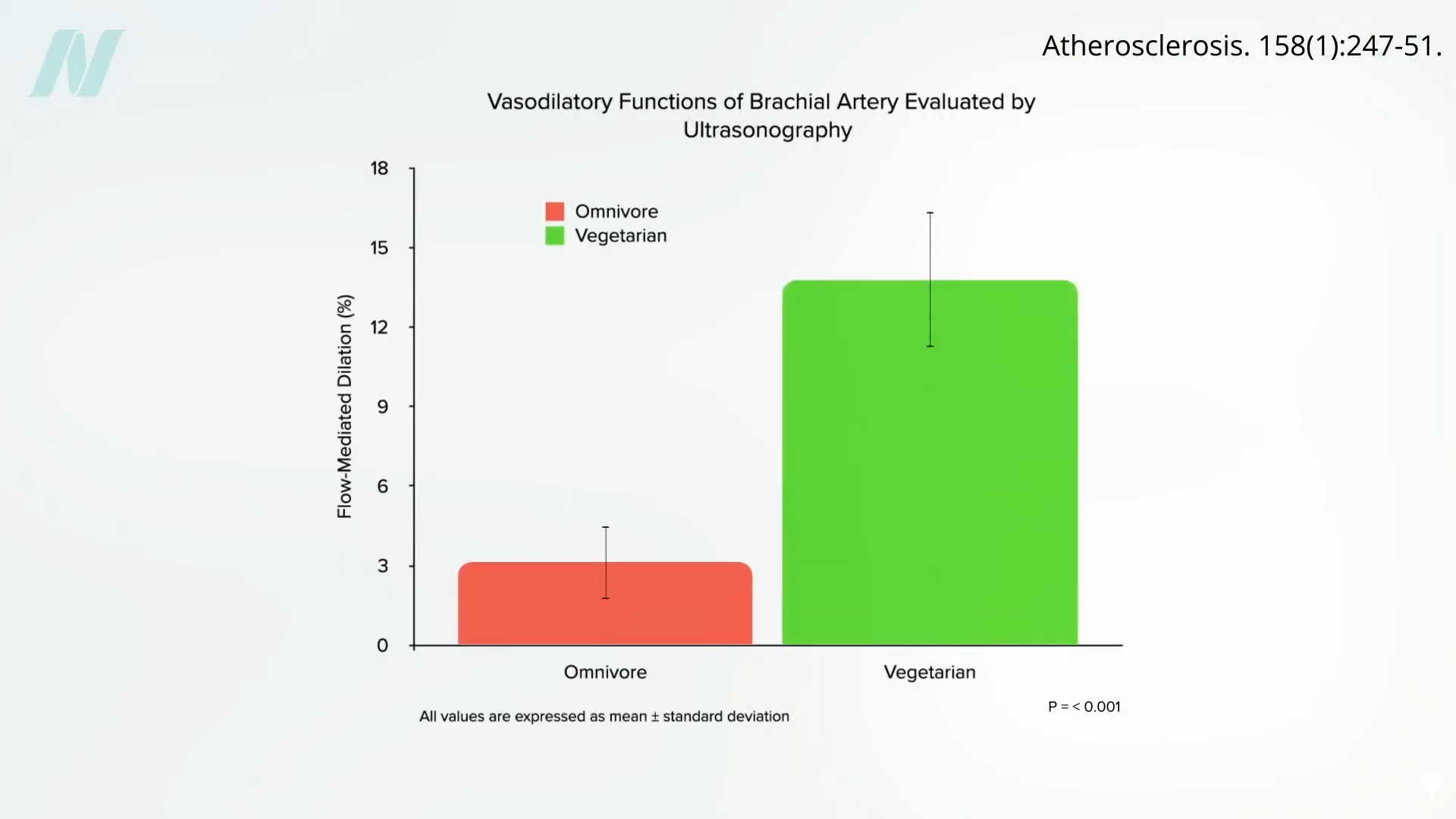
A significant body of evidence points to the profound benefits of vegetarian diets on cardiovascular health, particularly concerning arterial function. A notable study comparing artery function in vegetarians and meat-eaters revealed a striking difference: vegetarians exhibited significantly better arterial dilation, allowing for greater blood flow. This enhancement was not marginal; the research indicated a fourfold improvement in arterial elasticity among vegetarians.

While initial observations might attribute these differences to other lifestyle factors commonly associated with vegetarianism – such as lower rates of smoking, slimmer body mass indexes, and reduced prevalence of conditions like diabetes, high cholesterol, and high blood pressure – researchers meticulously controlled for these variables. The study included healthy, non-smoking participants and carefully matched meat-eaters for body weight, blood pressure, and cholesterol levels. Even within this carefully controlled cohort, the superior arterial function of vegetarians persisted.
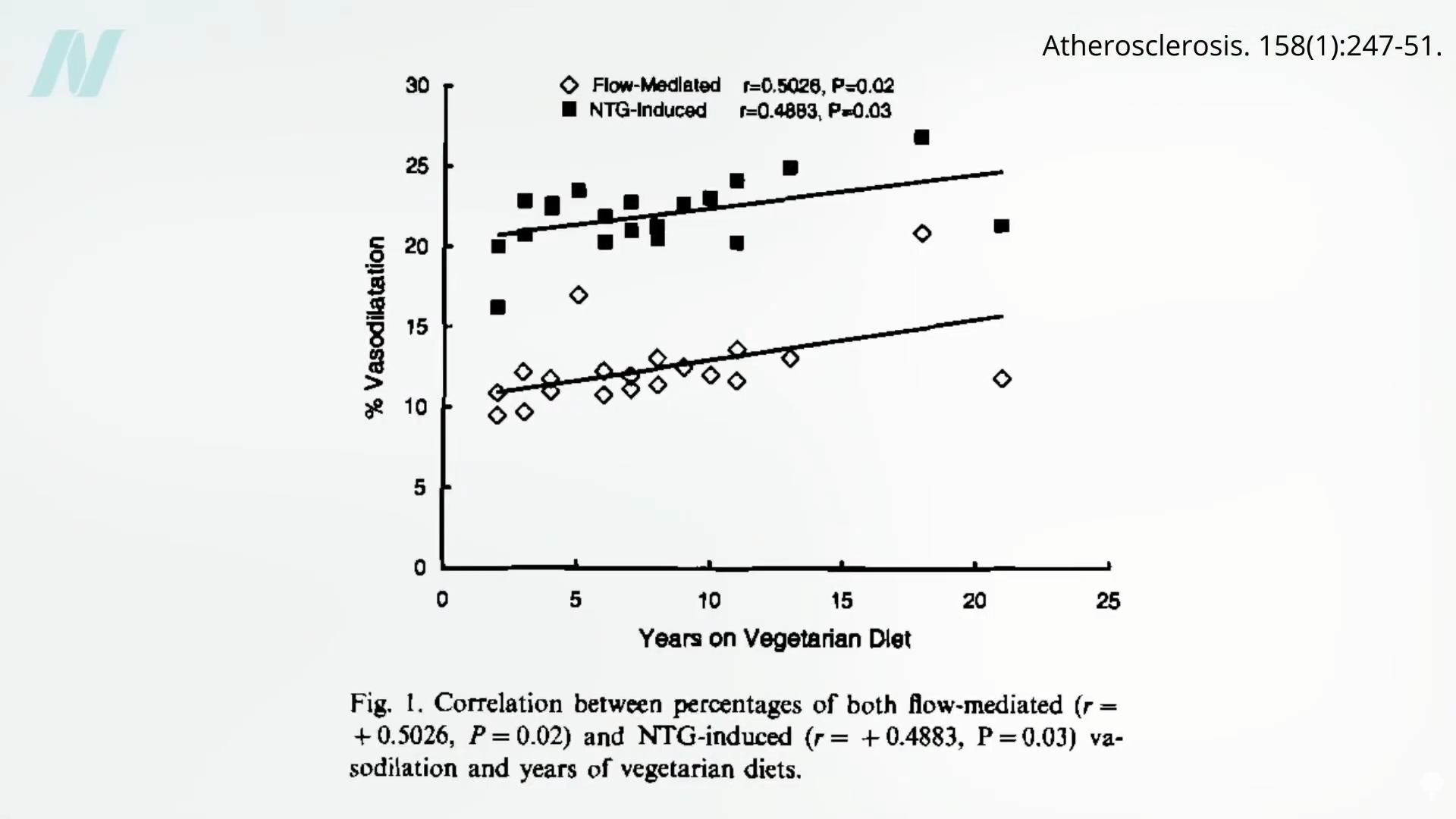
Furthermore, the duration of a meat-free diet appeared to correlate directly with the degree of improved arterial function. Rather than experiencing a decline in arterial health with age, individuals who adhered to vegetarian diets for longer periods demonstrated progressively better artery function. This finding suggests that a vegetarian diet exerts a direct, beneficial effect on the vascular system, potentially explaining the observed lower rates of atherosclerosis and cardiovascular mortality in these populations.
The question then arises: is the benefit solely due to the absence of detrimental effects from meat consumption, or does the inclusion of whole, plant-based foods play an active role? Studies suggest that vegetarians may consume, on average, an additional serving of vegetables daily, contributing vital nutrients and antioxidants that support vascular health.
Unpacking the Effects of Different Food Components
To further dissect these dietary impacts, researchers have investigated the effects of specific meal types on arterial function. A comparative study examined the impact of a high-fat, processed fast-food meal (Egg McMuffin, Sausage McMuffin, and hash brown patties) against a high-sugar cereal meal (Frosted Flakes). Within hours of consumption, the fatty fast-food meal significantly impaired artery function. Conversely, the sugary cereal, while not ideal, did not elicit the same immediate negative vascular response.
This observation led to speculation that animal fat, rather than fat in general, might be the primary culprit. This hypothesis is supported by research on high-fat, whole plant foods like nuts. Unlike animal fats, nuts have been shown to have a neutral or even beneficial effect on arterial function. A systematic review of randomized controlled trials on nut consumption revealed significant long-term improvements in arterial health.
Nuts as Protective Agents: A Differentiated Approach
The protective potential of nuts against the artery-crippling effects of certain foods has been a subject of focused research. For instance, studies have explored whether specific nuts can counteract the impact of a less healthy meal, such as a salami sandwich. The findings indicate that while walnuts demonstrated a capacity to mitigate these negative effects, almonds did not show the same protective benefit in that particular context.
This variation highlights that not all nuts are created equal in their vascular benefits. Just as some fruits are recognized for their superior health properties, certain nuts appear to offer greater advantages. Walnuts, in this regard, are often lauded as being among the most beneficial, akin to blueberries being a standout among berries.
Berries: Potent Allies for Arterial Health
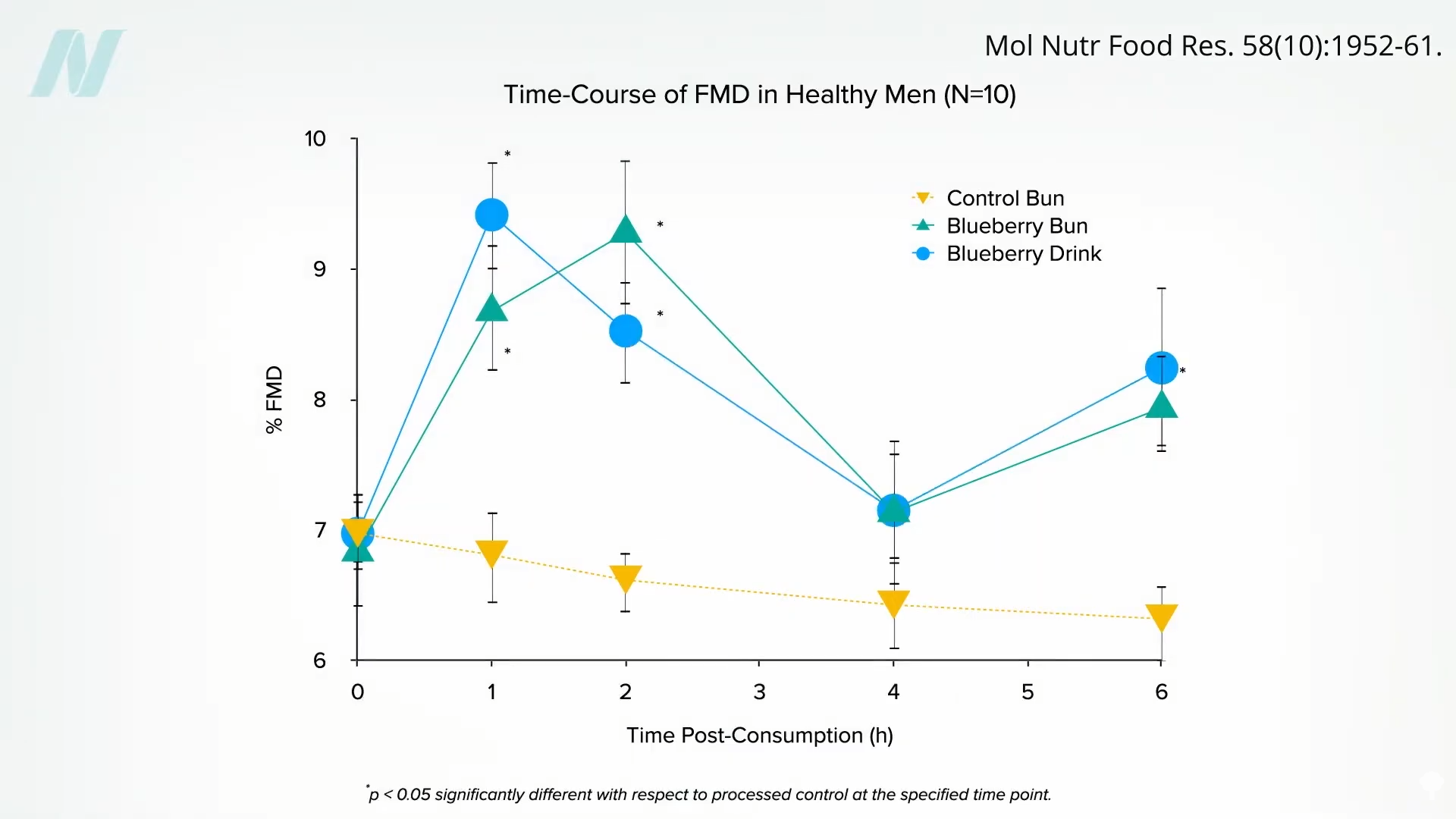
Berries, particularly blueberries, have garnered significant attention for their profound impact on arterial function. Research has directly tested the effects of blueberry consumption. In one study, participants consumed buns made with white flour, eggs, butter, and sugar, which led to a gradual decline in arterial function over six hours. However, when a serving of wild blueberries was added to the same bun, there was a substantial boost in artery function, suggesting a powerful counteracting effect.
While strawberries have also been investigated, their ability to offset the negative impact of a particularly indulgent meal – consisting of cheese blintzes, whipped cream, syrup, egg, and bacon – was not as pronounced. This underscores the concept that the magnitude of the unhealthy meal and the specific composition of the accompanying food can influence the degree of mitigation.
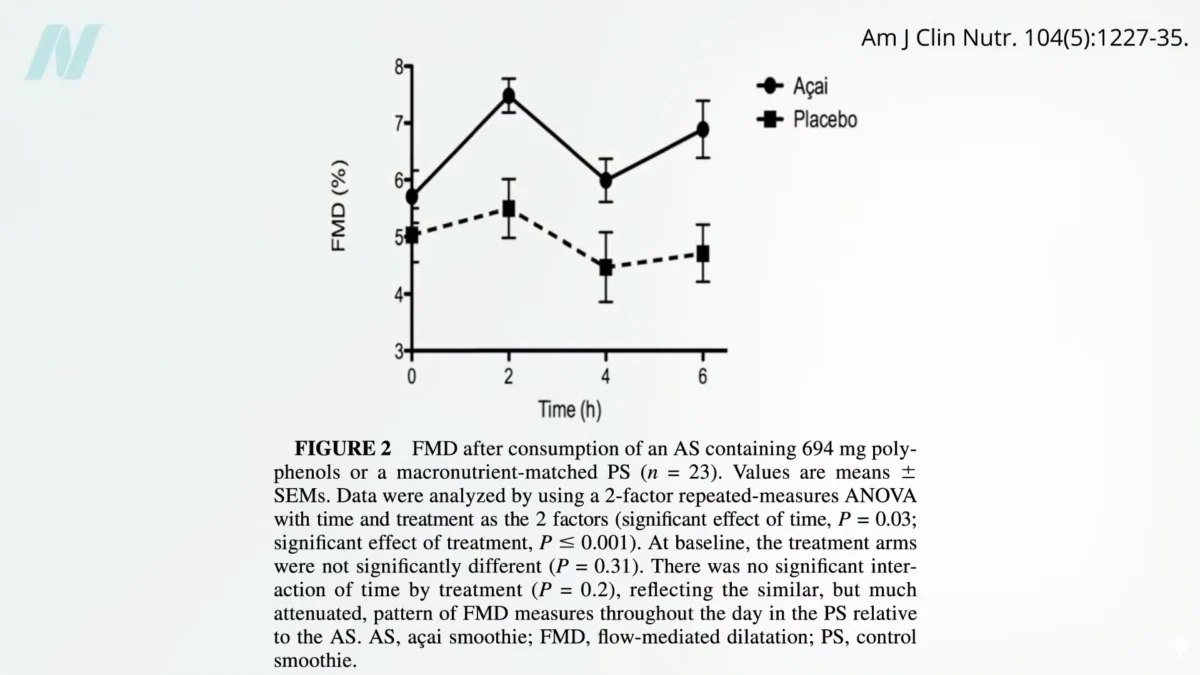
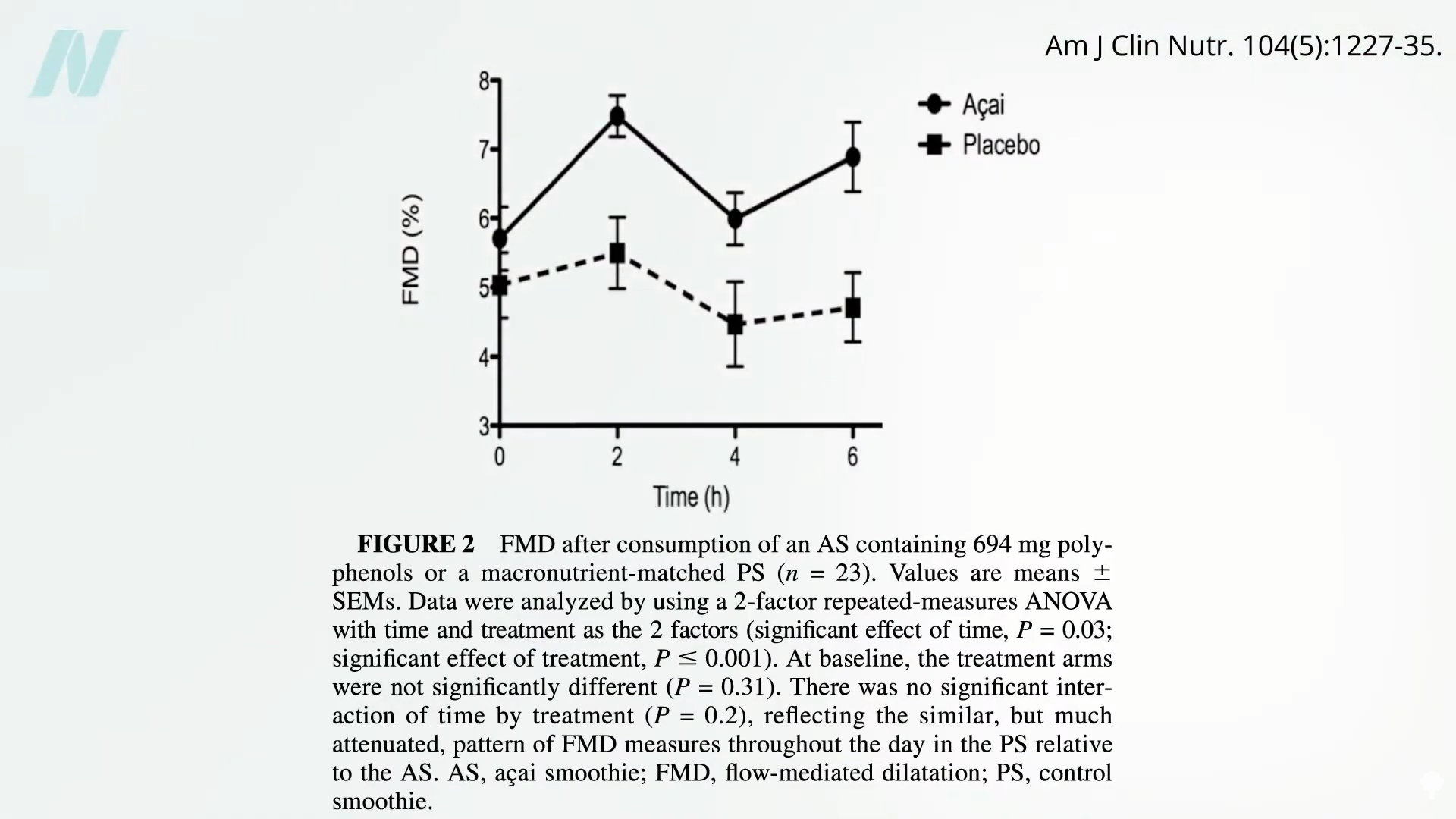
Further research on açaí berries demonstrated that a smoothie containing açaí, blended with banana and water, significantly rehabilitated arterial function when compared to a control smoothie that mimicked the appearance but lacked the açaí. Similarly, studies involving red raspberries have shown that consuming them can acutely improve artery function for up to 24 hours. Even a modest increase of 1% in artery function at a population level is associated with a significant reduction in the risk of cardiovascular events like heart attacks and strokes, highlighting the broad public health implications of berry consumption.
Berry Juices: A Mixed Bag of Benefits
The impact of berry juices on arterial health has also been a focus of investigation. Studies on cranberry juice have shown dose-dependent benefits, with higher concentrations leading to more sustained improvements in artery function. However, it’s crucial to distinguish between consuming whole berries and their juice. While berry juices can offer benefits, their effectiveness in counteracting the immediate negative effects of a high-fat meal has been less consistent. One study found that a mixed berry juice cocktail did not significantly alter artery function following a high-fat meal.
Juices and Arterial Function: A Cautionary Note
The impact of common fruit juices, such as orange juice, when consumed alongside high-fat meals, presents a more complex picture. In some instances, orange juice has shown no beneficial effect, and in others, it may even exacerbate the negative consequences. Research involving bacon and cheese muffins, with or without orange juice, indicated that the presence of orange juice led to a prolonged period of elevated fat levels in the blood. This is theorized to occur because the body prioritizes the rapid absorption and burning of free sugars from the juice for energy, potentially delaying the metabolic processing of fats. This is in contrast to whole fruits, where sugars are encased in cell walls, leading to a slower release and absorption.
Broader Implications for Public Health and Individual Choices
The cumulative evidence from these studies provides a robust framework for understanding the intricate relationship between diet and cardiovascular health. The findings strongly advocate for dietary patterns rich in whole, plant-based foods, particularly fruits like berries and nuts, as proactive measures to support and enhance arterial function.
The research also offers a nuanced perspective on managing dietary indulgences. While completely avoiding unhealthy foods is the ideal, understanding which foods can help mitigate immediate negative impacts can be a valuable tool. However, the overarching message remains that the most effective strategy for long-term cardiovascular well-being lies in prioritizing nutrient-dense, whole foods that actively promote health rather than attempting to merely neutralize damage.
The series of analyses, including those focusing on how single meals can impact arteries and lungs, and the role of exercise in counteracting high-fat meals, contributes to a growing body of knowledge aimed at empowering individuals to make informed dietary and lifestyle choices. The implications extend beyond individual health, informing public health initiatives and dietary guidelines aimed at reducing the global burden of cardiovascular disease. Continued research in this area will undoubtedly further refine our understanding and provide even more targeted strategies for optimizing vascular health through diet.

