

The notion that our arteries age as we do is a stark reminder of the critical link between lifestyle and longevity. Maintaining optimal arterial function throughout life is paramount, and a sedentary lifestyle coupled with a diet rich in unhealthy fats poses a significant threat. These dietary and behavioral choices can accelerate cellular aging, particularly within the mitochondria, the powerhouses of our cells. This dysfunction can trigger a cascade of harmful processes, including the overproduction of free radicals, oxidative stress, and systemic inflammation. Ultimately, these factors contribute to arterial dysfunction, a primary precursor to cardiovascular disease, which remains a leading cause of mortality worldwide.
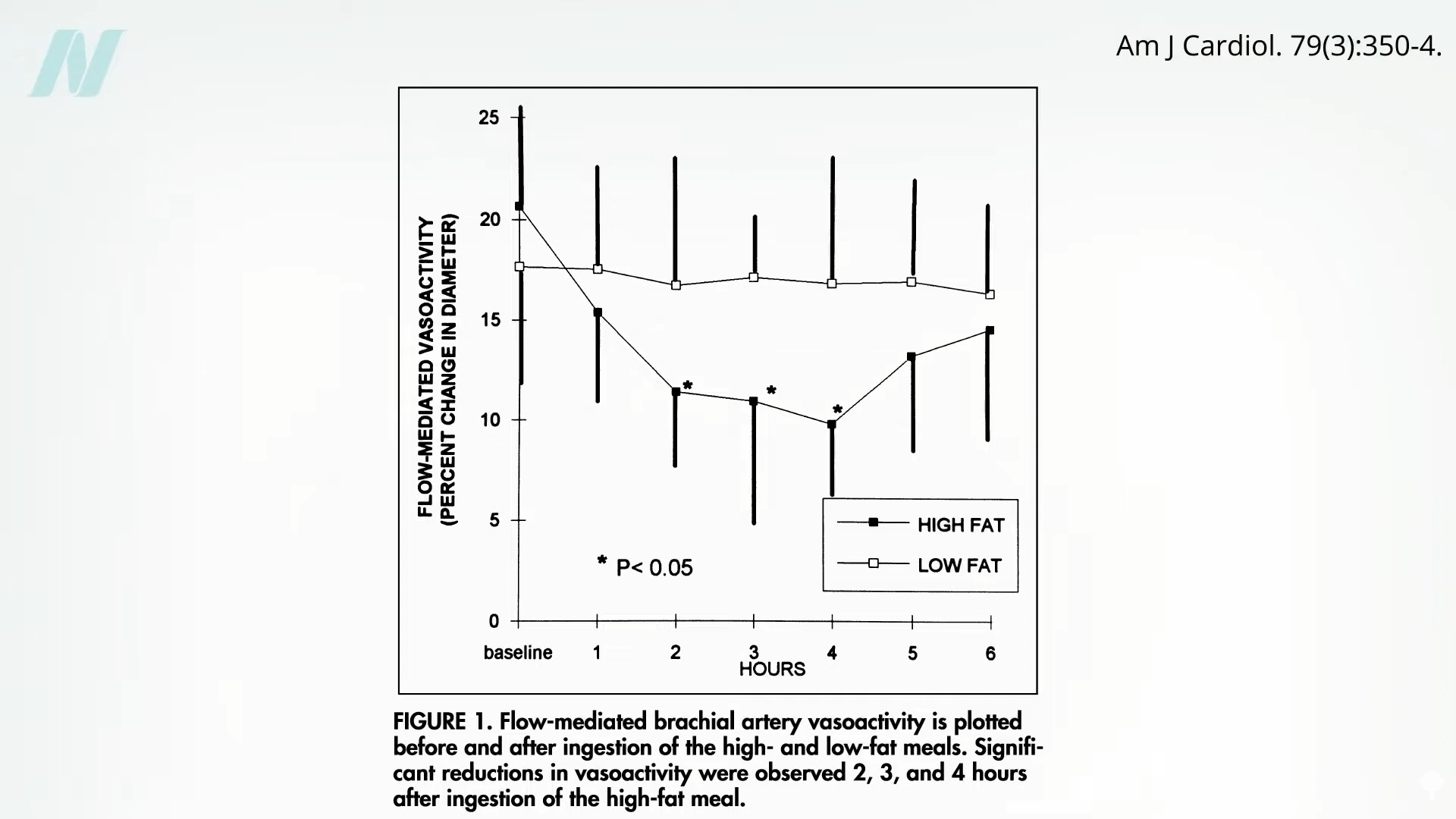
Landmark research, explored in scientific literature and public health discussions, has illuminated the immediate and profound effects of dietary fat on vascular health. Studies conducted over a decade ago, and subsequently referenced in public health communications, revealed a striking finding: a single high-fat meal can impair arterial function within hours of consumption. This adverse effect was contrasted sharply with the consumption of a low-fat meal, which demonstrated no significant detrimental impact on arterial performance in the same timeframe.
The Fast Food Challenge: Unpacking the Study’s Findings
A pivotal study that starkly illustrated these immediate effects involved participants consuming specific fast-food items. The high-fat meal in question consisted of McDonald’s Sausage and Egg McMuffins. Researchers aimed to isolate the specific components responsible for the observed arterial impairment. The study design, by including a contrasting low-fat meal comprising sugary Frosted Flakes, helped differentiate the impact of fat from that of refined carbohydrates. The fact that a meal dominated by processed sugars did not elicit the same negative response in arterial function as the high-fat breakfast sandwich underscored the potent, acute effects of dietary fat.
This finding carries significant implications for daily dietary habits. The human body spends a considerable portion of its waking hours in a post-prandial state, processing nutrients from meals. If these meals are consistently high in fat, arteries are subjected to a continuous assault of inflammation and dysfunction. This relentless exposure is a major contributor to the high prevalence of cardiovascular disease globally.
Beyond the Heart: Impact on Pulmonary Function
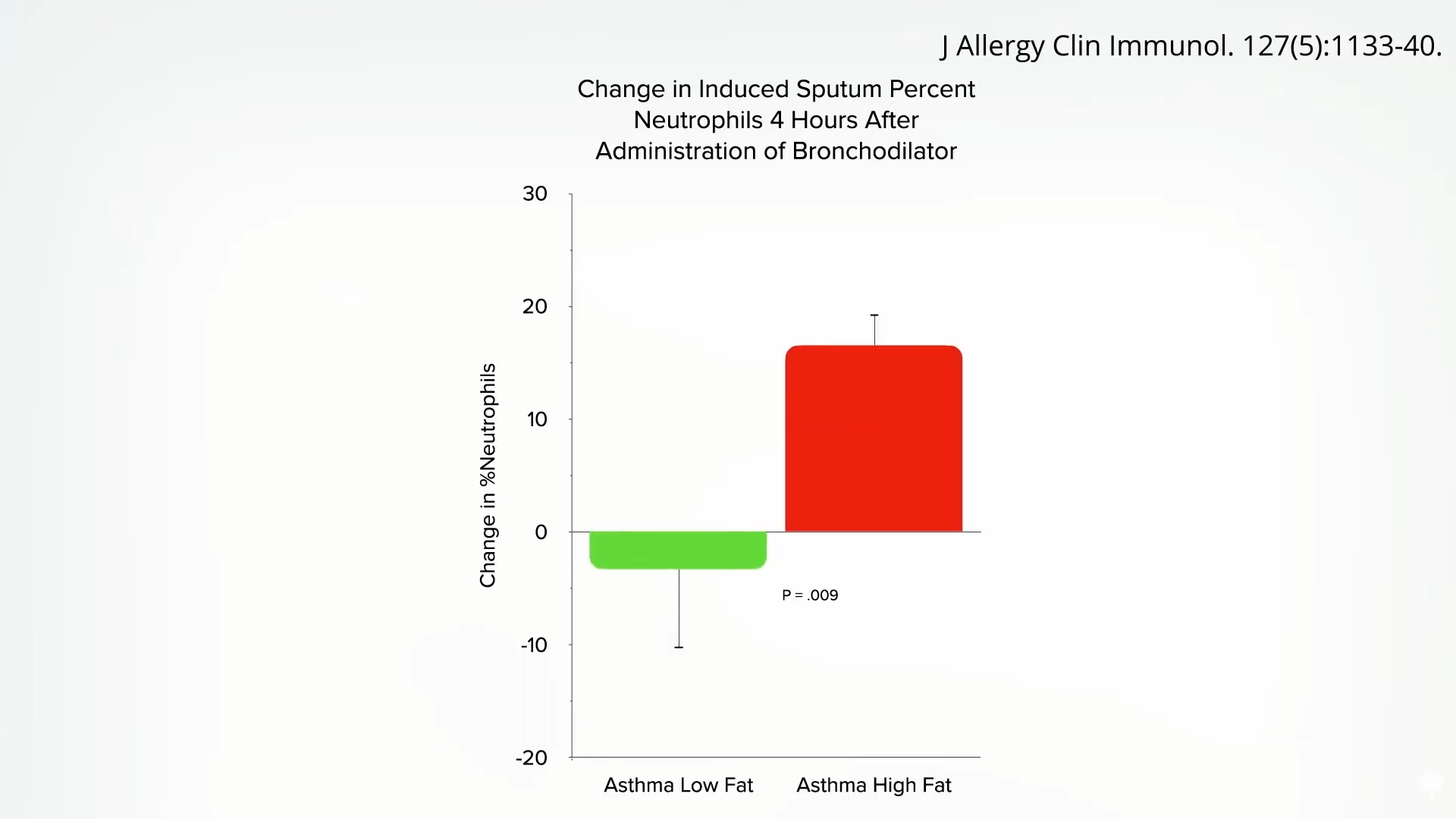
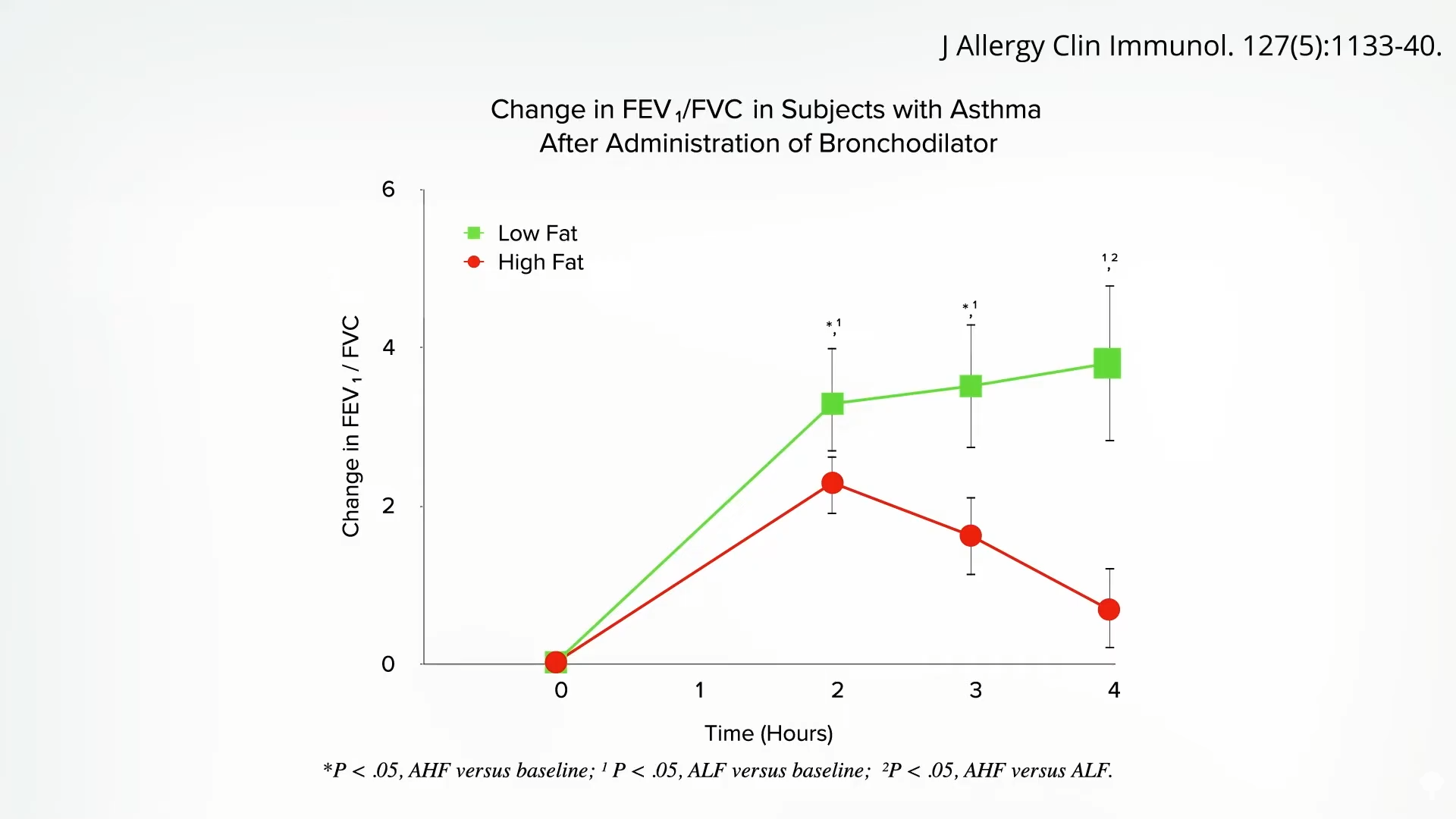
The detrimental effects of high-fat meals extend beyond the cardiovascular system, impacting respiratory health as well. Research has indicated that consuming a high-fat meal can lead to increased airway inflammation and can compromise the effectiveness of bronchodilators, particularly in individuals with asthma. A study examining this phenomenon involved participants with asthma who consumed a high-fat meal. Four hours post-consumption, when sputum samples were analyzed, a significant increase in inflammatory cells was observed in the high-fat meal group compared to a control group.
This inflammatory response in the airways can have a tangible effect on breathing. In the context of asthma, the impaired recovery of bronchodilation after a high-fat meal means that standard doses of rescue inhalers may be less effective. This suggests that dietary choices can directly influence an individual’s ability to breathe, especially for those with pre-existing respiratory conditions. The study demonstrated that even after receiving two doses of their prescribed inhaler, individuals who had consumed a high-fat meal experienced less airway opening compared to those who had consumed a low-fat meal. This highlights a direct correlation between dietary fat intake and respiratory responsiveness.
Widespread Inflammatory Response in the Lungs
Intriguingly, this inflammatory spike in the lungs following a high-fat meal is not confined solely to individuals with asthma. Subsequent research has revealed that even individuals without diagnosed respiratory conditions can exhibit a similar increase in inflammatory cells in their sputum after consuming high-fat meals. A notable study in this area utilized a commercially available breakfast bowl, specifically a Jimmy Dean’s Meat Lover’s breakfast bowl, as the high-fat challenge. The findings indicated a consistent pattern of elevated inflammatory markers in the lungs, suggesting a more generalized physiological response to dietary fat.
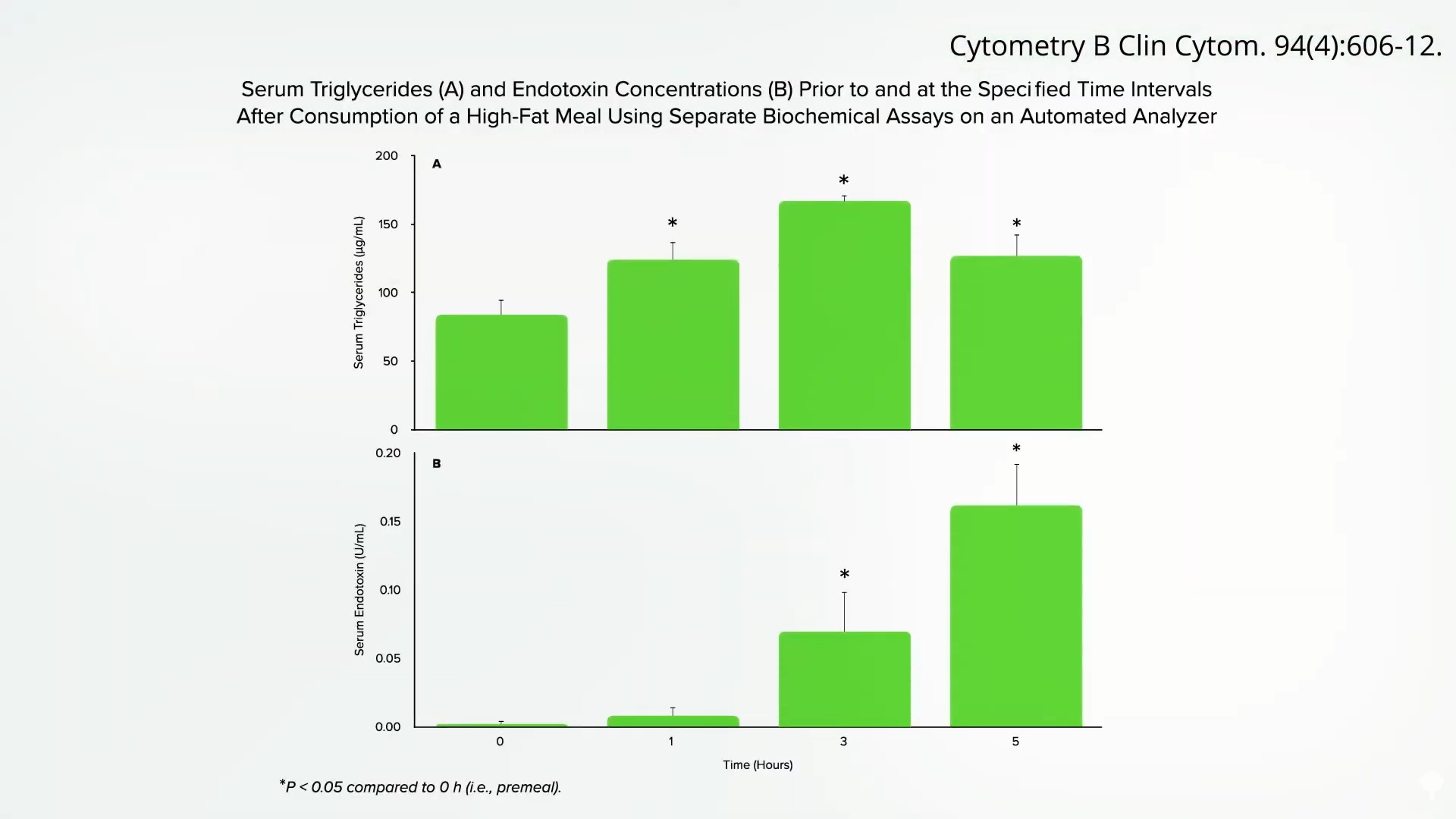
Furthermore, the impact of high-fat meals on blood lipids and inflammatory markers is profound and rapid. Within hours of consuming such meals, levels of pro-inflammatory oxidized LDL cholesterol increase. This oxidized LDL is then readily absorbed by specific types of white blood cells, known as macrophages. These macrophages, engorged with oxidized LDL, transform into foam cells, which are a critical component in the development of arterial plaque. This process contributes to the buildup of inflamed material within artery walls, a key factor leading to heart attacks. This surge in inflammatory indicators, including elevated blood fat and endotoxin levels, has been observed even within hours of consuming meals like pizza, underscoring the acute nature of this physiological response.
The Role of Endotoxins and Dietary Fat
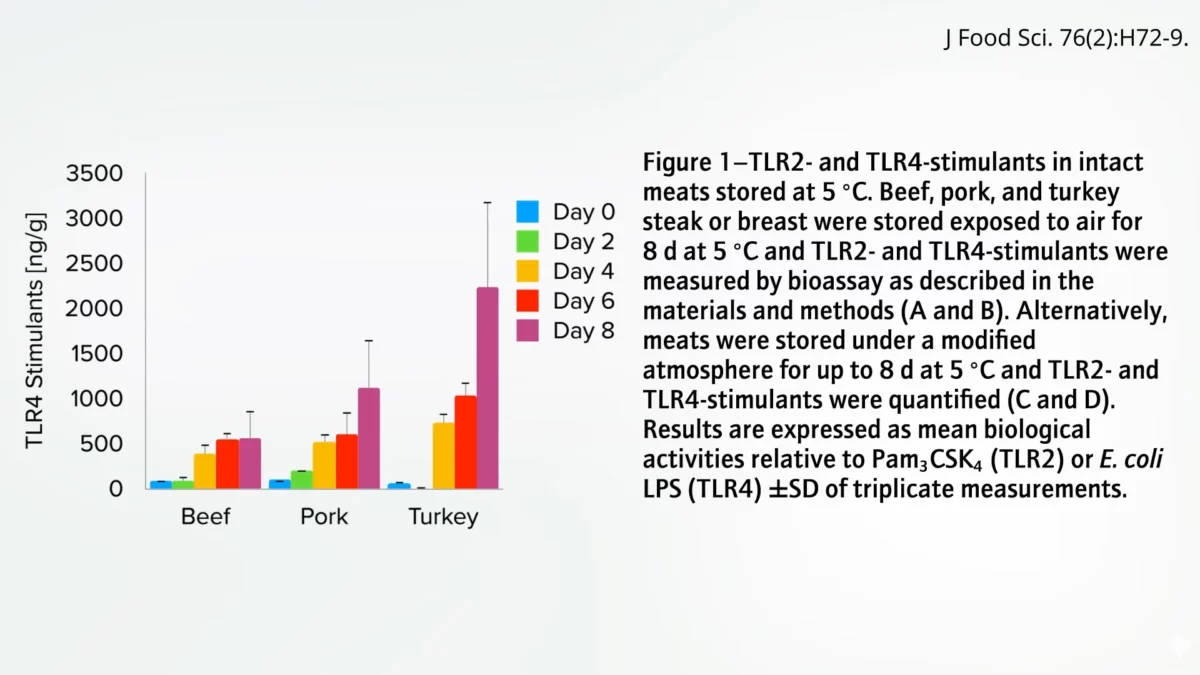
The presence of endotoxins, components of bacterial cell walls, has been implicated as a potential driver of this inflammation. Foods, particularly meats (both red and white), can be contaminated with bacteria, both living and dead, leading to the accumulation of endotoxins. These endotoxins can be absorbed into the bloodstream, triggering an inflammatory cascade. This mechanism provides a plausible explanation for the observed inflammatory responses following the consumption of meat-heavy meals.
However, more recent scientific inquiries, including research published in 2020, propose an alternative or complementary explanation. These studies suggest that the saturated fat itself, circulating in the bloodstream after an unhealthy meal, may be directly inducing inflammation. This perspective shifts the primary focus from exogenous bacterial components like endotoxins to the intrinsic properties of dietary fat in triggering inflammatory pathways. Regardless of the precise initiating factor – whether endotoxins or the fat itself – the evidence points to a direct and immediate link between high-fat consumption and heightened inflammatory states within the body, particularly affecting arterial and pulmonary health.
Broader Implications for Chronic Disease Risk
The cumulative effect of repeated high-fat meals, occurring over many hours of the day, creates a sustained inflammatory environment within the body. This chronic inflammation is a fundamental underlying factor in the development of numerous metabolic diseases, including cardiovascular disease, type 2 diabetes, and obesity. By consistently challenging the body with inflammatory triggers through diet, individuals inadvertently build a foundation for long-term health complications.
The implications of these findings are far-reaching. They underscore the critical importance of dietary choices not just for immediate well-being but for long-term disease prevention. The concept of "meal by meal" responsibility highlights that each dietary decision contributes to the overall risk profile for chronic metabolic diseases. This emphasizes the power of individual agency in shaping health outcomes through conscious food choices.
Doctor’s Note: A Series on Saturated Fat and Fast Food
This in-depth exploration of the immediate effects of high-fat meals is the first in a three-part series dedicated to understanding the impact of saturated fat and fast food on health. The subsequent parts of this series will delve into crucial countermeasures and protective strategies.
The next installment, "Exercising to Protect Your Arteries from Fast Food," will examine the role of physical activity in mitigating the negative consequences of consuming unhealthy foods. It will explore how exercise can bolster arterial function and counter the inflammatory effects initiated by high-fat meals.
The third part, "Foods to Help Protect Your Arteries from Saturated Fat," will focus on dietary interventions and specific food choices that can help defend against the damaging effects of saturated fat. This will provide practical guidance on incorporating protective foods into the diet to support cardiovascular and overall health.
These discussions are vital in an era where processed and fast foods are readily accessible and frequently consumed. By understanding the acute physiological responses to dietary fat and by exploring effective strategies for mitigation and protection, individuals can make more informed decisions to safeguard their health and reduce their risk of chronic diseases. The ongoing scientific discourse, including reassessments of previous findings such as the "butter is back" studies, continues to refine our understanding of dietary fats and their complex interactions with human physiology.

