

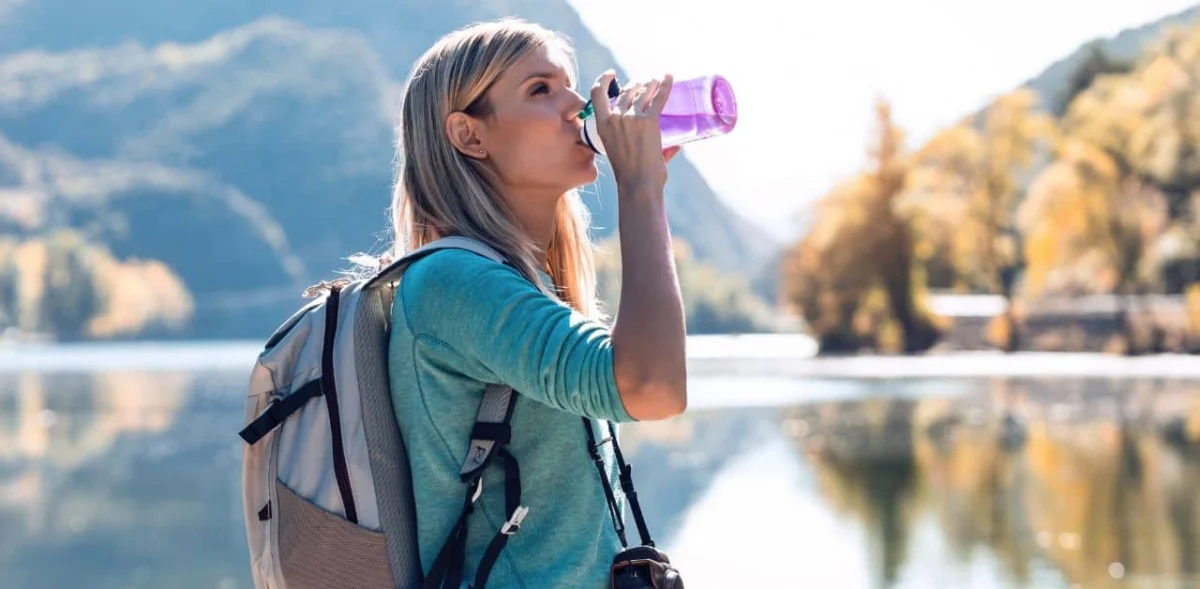
The global travel industry has long grappled with a fundamental paradox: the pursuit of pristine natural beauty versus the environmental degradation caused by the logistics of modern tourism. One of the most visible manifestations of this conflict is the consumption of bottled water. For decades, international travelers have defaulted to factory-sealed plastic bottles as a primary defense against waterborne illnesses. However, this reliance has fueled a burgeoning plastic waste crisis, particularly in developing nations where recycling infrastructure is often inadequate. Understanding the intersection of public health standards, local infrastructure, and environmental sustainability is now essential for the modern traveler.
The Biological Basis of Water Safety
The primary concern regarding tap water in foreign jurisdictions is not necessarily a lack of cleanliness, but rather a difference in microbial composition. Water systems across the globe host diverse communities of microorganisms, many of which are harmless to local populations who have developed immunity through consistent exposure. For a visitor, however, the introduction of unfamiliar bacteria, viruses, or parasites can overwhelm the gastrointestinal system.

According to data from the Centers for Disease Control and Prevention (CDC), traveler’s diarrhea (TD) remains the most common travel-related illness, affecting between 30% and 70% of international travelers depending on the destination and season. While often considered a minor inconvenience, TD can lead to severe dehydration and, in the case of pathogens like E. coli, Giardia, or Cryptosporidium, require intensive medical intervention. The risk is compounded by the varying health standards and treatment protocols utilized by municipal water authorities worldwide.
Geographic Disparities in Water Infrastructure
The safety of tap water is largely a function of a nation’s economic development and its investment in water treatment infrastructure. In regions with high-income economies, water is typically treated through multi-stage processes including sedimentation, filtration, and disinfection (often using chlorine or ozone).
Regions with High Safety Ratings
Based on standardized assessments by the CDC and the World Health Organization (WHO), tap water is generally considered safe for consumption in the following regions:

- North America: The United States and Canada maintain rigorous standards under federal legislation, such as the Safe Drinking Water Act.
- Western and Central Europe: This includes nations such as Switzerland, where alpine sources provide some of the world’s highest-quality water, and the United Kingdom, Germany, and France, which adhere to strict European Union Drinking Water Directives.
- Asia-Pacific: Singapore, Japan, South Korea, Israel, and Brunei have invested heavily in advanced filtration and desalination technologies. In Singapore, the "NEWater" initiative has become a global model for water recycling and sustainability.
- Oceania: Australia and New Zealand maintain high standards, though travelers in remote "outback" or rural areas are often advised to verify local sources.
Regions Requiring Caution
Conversely, many parts of the world struggle with aging pipes, lack of centralized treatment, or contamination from industrial and agricultural runoff. In these areas, travelers are advised to avoid tap water for drinking, and in some cases, for brushing teeth or washing produce.
- Latin America: Mexico and much of Central and South America (including Brazil, Peru, and Colombia) present a high risk for waterborne pathogens.
- Africa: With the exception of a few localized areas in South Africa or specific luxury resorts, tap water is generally unsafe across the continent, including popular destinations like Egypt and Morocco.
- Developing Asia: Despite rapid economic growth, countries like China, India, Thailand, and Vietnam often lack the consistent "point-of-tap" safety required for foreign digestive systems.
The Environmental Toll of the "Safety First" Approach
The default to bottled water has created a staggering environmental footprint. Recent data suggests that the world produces over 450 million tonnes of plastic annually, with single-use beverage bottles accounting for a significant portion of that total. In the United States alone, the average citizen generates approximately 290 pounds of plastic waste per year.
The lifecycle of a plastic water bottle is a masterclass in inefficiency. The production process is carbon-intensive, requiring fossil fuels for the plastic itself and the energy to manufacture it. Furthermore, the transportation of bottled water—often across oceans—adds a massive carbon premium to a resource that should be locally sourced.

Perhaps most critically, the global recycling rate remains dismal. Only about 9% of all plastic ever produced has been recycled. The remainder ends up in landfills, where it takes upwards of 450 years to decompose, or in the world’s oceans. Estimates suggest that by 2050, the weight of plastic in the ocean could exceed the weight of all fish. For travelers visiting islands or coastal regions, the irony is sharp: the very plastic bottle purchased to stay healthy is contributing to the destruction of the ecosystem they came to admire.
Technological Solutions: Moving Beyond the Bottle
For travelers in high-risk regions, the choice is no longer limited to "bottled water or illness." A new generation of portable purification technologies allows for the safe consumption of tap water while eliminating plastic waste.
1. Mechanical Filtration
Modern portable filters, such as those used in "LifeStraw" or "Sawyer" products, utilize hollow fiber membranes with pore sizes as small as 0.1 to 0.2 microns. These are highly effective at removing bacteria (like Salmonella) and protozoa (like Giardia). However, travelers should be aware that standard filters often do not remove viruses, which are smaller than the pore size.

2. Ultraviolet (UV) Purification
Devices like the SteriPen use UV-C light to disrupt the DNA of pathogens, rendering them unable to reproduce. This method is effective against bacteria, protozoa, and viruses. The process is rapid—usually taking less than 90 seconds per liter—but it requires clear water to be effective, as sediment can "shield" microbes from the light.
3. Chemical Disinfection
Iodine or chlorine dioxide tablets remain the most lightweight and cost-effective option for emergency purification. While they are effective against most pathogens, they often impart a chemical taste to the water and require a "dwell time" of 30 minutes to four hours to be fully effective.
4. Thermal Sterilization
Boiling water remains the gold standard for safety. Bringing water to a rolling boil for at least one minute (three minutes at high altitudes) kills all categories of pathogens. The primary drawback is the requirement for a heat source and the time needed for the water to cool.

Official Responses and Global Initiatives
Governments and international bodies are increasingly recognizing the need to reduce plastic dependency in tourism. The United Nations Sustainable Development Goal 6 (SDG 6) aims to ensure availability and sustainable management of water and sanitation for all by 2030. In the tourism sector, the "Global Tourism Plastics Initiative," led by the UN Environment Programme and the World Tourism Organization, encourages hotels and tour operators to eliminate single-use plastics.
Major transit hubs are also adapting. Airports in San Francisco, London, and Dubai have installed high-capacity water refill stations and, in some cases, banned the sale of single-use plastic water bottles entirely. This shift places the onus on the traveler to carry a reusable vessel, a practice that is rapidly becoming a standard etiquette of the "sustainable traveler."
Strategic Recommendations for International Travelers
To navigate the complexities of water safety and environmental responsibility, industry experts suggest a three-tiered "Water Plan" for any international itinerary:

- Research the Infrastructure: Before departure, consult the CDC’s "Yellow Book" or the WHO’s country-specific reports to determine if the destination’s municipal water meets international safety standards.
- Pack for the Risk Level: If traveling to a high-risk region, invest in a dual-system approach—a reusable stainless steel or BPA-free bottle paired with a UV purifier or a high-grade filter.
- Exercise Indirect Caution: In "unsafe" regions, the risk extends beyond the glass. Travelers should avoid ice in cocktails, skip salads that may have been rinsed in tap water, and use purified water for oral hygiene.
Analysis of Long-term Implications
The transition away from bottled water is more than a trend; it is a necessary evolution of the travel industry. As climate change exacerbates water scarcity in popular destinations like the Mediterranean and Cape Town, the luxury of "importing" water in plastic containers becomes increasingly untenable.
The economic implications are also significant. By investing in purification technology, a frequent traveler can save hundreds of dollars annually, as the cost of bottled water in tourist districts is often inflated by 500% to 1,000% over the cost of production.
Ultimately, the shift toward sustainable water consumption represents a broader movement in global citizenship. By choosing to purify local tap water, travelers support the idea that safe water should be a universal right, handled through permanent infrastructure rather than disposable commodities. This approach not only protects the individual’s health but also preserves the integrity of the global landscapes that make travel a worthwhile endeavor. The choice between a plastic bottle and a reusable one is a small daily decision, but its cumulative impact is the difference between a future of pristine oceans or a planet choked by the remnants of our journeys.

