

The burgeoning field of precision medicine, once heralded as a revolution in healthcare, is now facing significant criticism regarding its efficacy and potential for exploitation. While the allure of personalized genetic insights promises tailored health interventions, mounting evidence suggests that many direct-to-consumer (DTC) genetic testing services may be overhyped, inadequately validated, and potentially misleading, serving vested interests rather than genuine consumer well-being. This scrutiny extends to the very foundation of precision medicine, raising questions about its ability to deliver on its ambitious promises and its impact on healthcare expenditure.
The Declining Cost of Genetic Information
In the past two decades, the cost of sequencing an individual’s entire genome has plummeted dramatically. What once required an investment of approximately $100 million is now achievable for around $1,000. Furthermore, partial DNA sequencing can be obtained for as little as $100. This affordability has fueled the rise of DTC genetic testing companies, such as 23andMe, which market their services for ancestry, health, and even relationships. The accessibility, often described as "just a click away," has created a growing public demand for these tests. However, a critical concern emerging from scientific research is the inadequate validation of many available tests. This oversight can lead consumers to purchase information that is ultimately "useless" or, more alarmingly, outright incorrect.
Alarming Rates of Inaccuracy in DTC Genetic Tests
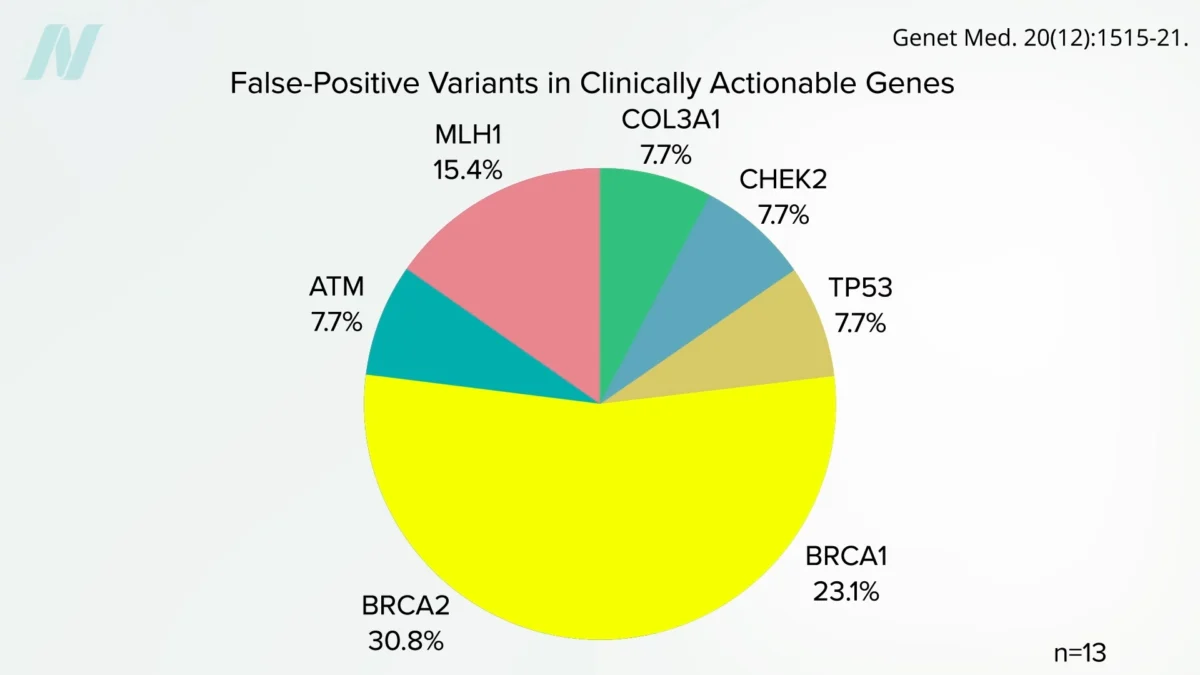
Concerns about the accuracy of DTC genetic tests have been amplified by research highlighting "alarmingly high false-positive rates." Studies have revealed instances where individuals were informed they carried high-risk genes, only for subsequent, more rigorous testing to prove these results false. This issue is particularly pronounced with genetic variants associated with increased cancer risk, such as the BRCA genes, famously discussed by Angelina Jolie. In some cases, researchers have reported false-positive rates as high as 40% for certain genetic markers.
Beyond outright false positives, a significant problem lies in the misclassification of genetic variants. Even when a test correctly identifies a specific genetic variant, it may be inaccurately categorized as high-risk when, in reality, it poses no elevated threat. This creates a situation where companies may benefit from generating alarming results, encouraging consumers to believe their expenditure was justified and prompting further, potentially unnecessary, testing. The implications of such inaccuracies are profound, ranging from severe psychological distress to the recommendation of invasive medical procedures. Imagine the devastating impact of undergoing a preventative double mastectomy based on a false belief of carrying a high-risk gene for breast cancer.
The Limited Predictive Power of Genetic Variants
While genome-wide association studies (GWAS) have identified thousands of common genetic variants associated with complex diseases, their practical predictive power remains limited when compared to traditional risk factors. Despite identifying numerous genes linked to conditions like type 2 diabetes, the collective contribution of these variants often fails to surpass the predictive accuracy of well-established factors such as body weight.
For instance, research has identified around 50 genes associated with an increased risk of type 2 diabetes. However, a study found that individuals with obesity and the lowest genetic predisposition for diabetes were still nearly five times more likely to develop the disease than normal-weight individuals with the highest genetic risk. This stark finding suggests that genetic information alone can send misleading signals. An obese individual with a seemingly low genetic risk might develop a false sense of security, potentially delaying crucial lifestyle interventions. Current scientific understanding indicates that knowledge of genetic susceptibility for type 2 diabetes has "no implications for decisions about who should be targeted for intensive lifestyle interventions." The overwhelming consensus remains that individuals with excessive body fat, regardless of their genetic profile, must prioritize weight management to mitigate diabetes risk.
The Illusion of Personalized Nutrition
The concept of personalized nutrition, often touted as a key component of precision medicine, has also come under scrutiny. A widely discussed study purported to demonstrate that tailored dietary interventions could significantly improve blood sugar responses, leading some commentators to question the utility of universal dietary guidelines. However, a closer examination of the study’s findings reveals a lack of robust evidence to support these claims. The research did not demonstrate substantial interpersonal variation in blood sugar responses, nor did it prove the superiority of personalized models over existing methods for detecting high blood sugar levels. Crucially, the study failed to establish that personalized dietary advice is more effective than standard dietary recommendations for managing post-meal blood sugar fluctuations.

The Unfulfilled Promise of Genetic Counseling for Prevention
The notion of personalized genetic risk counseling as a motivator for disease prevention, particularly for conditions like diabetes, has also faced challenges. Despite being promoted as a means to encourage positive behavioral change, available evidence suggests this approach is largely ineffective. Studies investigating the impact of personalized genetic risk profiles on motivating individuals for disease prevention have yielded disappointing results. In one notable study, individuals were randomized to receive genetic tests identifying subtle risk differences for up to 40 diseases. The companies involved aimed to empower individuals with genetic insights to improve their health. However, the study found no measurable changes in diet or lifestyle, even in the short term.
Similarly, research exploring the effectiveness of personalized nutrition insights, such as advising individuals on genetically determined benefits of increased vegetable intake or cholesterol-lowering diets, has shown no significant impact on dietary habits or key biomarkers like weight, abdominal fat, or cholesterol levels compared to control groups.
The Disconnect Between Genetic Information and Behavioral Change
A comprehensive review of multiple studies consistently reveals a lack of significant benefits associated with informing individuals about their DNA-based risks for conditions like lung cancer or providing specific dietary or physical activity recommendations based on genetics. The fundamental expectation that awareness of genetic risk estimates will lead to behavioral change is not supported by existing evidence. This is particularly concerning given that the stated rationale behind major governmental pushes for precision medicine, including the significant presidential initiative in 2015, was to empower individuals to take a more active role in their health.
The Marketing Appeal of Personal Empowerment
The emphasis on "personal empowerment" within the discourse of precision medicine, while a powerful marketing tool, is arguably not genuinely empowering. Instead, it can foster a greater reliance on authority figures. Furthermore, the "personal" aspect is often diluted, as known genetic contributions to disease risk are frequently minor when compared to the profound influence of lifestyle and environmental factors. The persistent emphasis on patient empowerment as a "cardinal virtue" appears to be a strategic tactic to "generate political and public support" for an increasingly industrialized medical-scientific complex, which facilitates trillions of dollars in global transactions.
The Economic Realities and Vested Interests
This situation is not indicative of a grand conspiracy theory but rather a reflection of systemic economic drivers. "Healthy living directly threatens many powerful corporations," as a healthier populace would naturally reduce the demand for medical services and pharmaceutical products. Despite this reality, the United States continues to allocate a disproportionate amount of its healthcare spending towards clinical care, essentially addressing the consequences of unhealthy lifestyles rather than prioritizing prevention. This approach has led to the U.S. outspending other developed nations on healthcare while simultaneously experiencing worse health outcomes.
The significant investment in high-tech medicine, coupled with a decline in disease experience and life expectancy relative to comparable countries, suggests that the promises of "overrated ‘precision medicine’" may indeed be serving "vested interests," justifying exorbitant healthcare expenditures within a finance-based medical system. While the U.S. healthcare system boasts advanced technology, this "whiz-bang technology" has proven insufficient in addressing fundamental health challenges. Experts advocate for a return to basic principles: prioritizing a healthy lifestyle, such as consuming nutrient-rich foods and engaging in regular physical activity, over fixating on precise statistical probabilities of developing grave diseases. Ultimately, a sensible lifestyle remains the most impactful choice for overall health, irrespective of specific genetic risk estimates.
The Path Forward: Prioritizing Fundamentals
The current trajectory of precision medicine necessitates a critical re-evaluation. While the concept of tailoring healthcare to individual biological differences holds theoretical promise, its practical implementation, particularly through widely accessible DTC genetic testing, is fraught with challenges. The scientific community and regulatory bodies must ensure rigorous validation of genetic tests and transparent communication of their limitations. Consumers, in turn, should approach such services with a healthy degree of skepticism, prioritizing evidence-based lifestyle choices and consulting with qualified healthcare professionals for personalized health guidance. The future of effective healthcare may lie not in deciphering every nuance of our genetic code, but in diligently applying the well-established principles of healthy living.

