

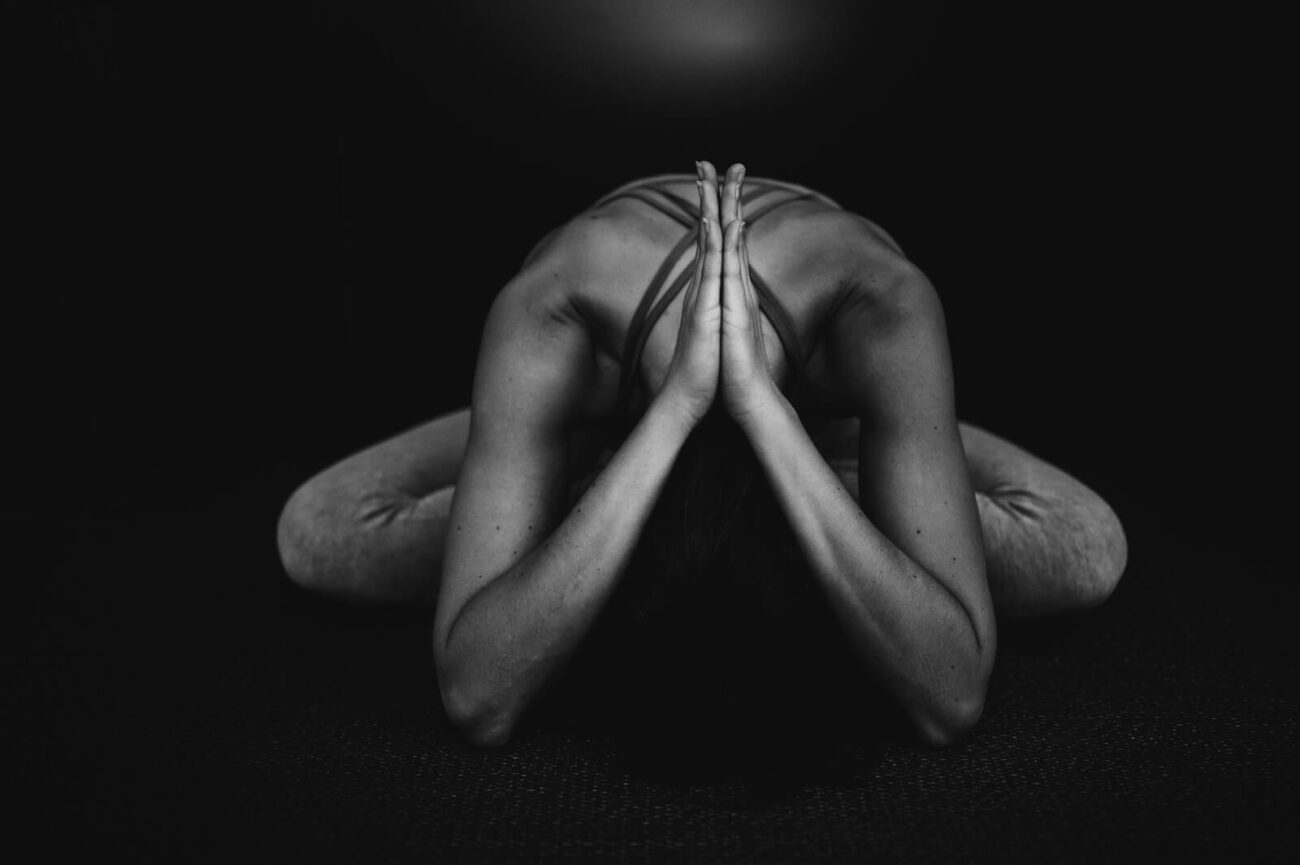
A groundbreaking study, the DoYou Global Yoga Survey, has offered an unprecedented look into the preferences and practices of the worldwide yoga community, drawing insights from over 10,000 participants spanning 124 countries. This extensive data collection initiative, conducted by DoYou.com, a prominent online platform dedicated to yoga and wellness, aimed to map the evolving landscape of yoga, identifying dominant styles, practitioner motivations, and the multifaceted benefits individuals seek from their practice. The survey’s findings illuminate not only the sheer diversity within yoga but also its profound global reach and adaptability to various cultural and personal needs.
Background and Methodology of The DoYou Global Yoga Survey
The DoYou Global Yoga Survey represents one of the most comprehensive investigations into contemporary yoga practices. Initiated in late 2023 and gathering responses over several months, the survey was designed to transcend geographical and demographic barriers, capturing a truly global perspective. DoYou.com, known for its vast library of online yoga classes and wellness content, leveraged its international audience to ensure a diverse participant pool. The platform’s objective was to move beyond anecdotal observations, providing data-driven insights that could inform both practitioners in their choice of style and instructors in curriculum development. Participants provided details on their primary yoga style, frequency of practice, perceived benefits, and demographic information, offering a rich dataset for analysis. The robust participation from 124 countries underscores yoga’s universal appeal and its establishment as a global wellness phenomenon.
Chronology of Yoga’s Global Ascent
While the survey captures a snapshot of current trends, the global proliferation of yoga has been a centuries-long journey, accelerating significantly in the last few decades. Originating in ancient India thousands of years ago, yoga began its westward expansion in the late 19th and early 20th centuries, primarily through figures like Swami Vivekananda. The mid-20th century saw the establishment of influential schools by masters such as B.K.S. Iyengar and K. Pattabhi Jois, who introduced specific methodologies that formed the bedrock for many modern styles. The late 20th century witnessed a surge in yoga’s popularity in North America and Europe, largely driven by its perceived health benefits and spiritual dimensions. The advent of the internet and platforms like DoYou.com in the 21st century democratized access, making a vast array of yoga styles available to millions globally, irrespective of physical location or access to traditional studios. The DoYou Global Yoga Survey, therefore, reflects the mature stage of this global integration, where diverse practices have found widespread adoption.
Key Findings: The Reigning Yoga Styles
The survey meticulously categorized responses to reveal the most commonly practiced yoga styles, providing clear percentages that highlight global preferences. The results underscore a dynamic interplay between vigorous, alignment-focused, and restorative practices, each serving distinct practitioner needs.
1. Vinyasa Flow: The Dynamic Frontrunner (57% of Respondents)
Emerging as the undisputed leader, Vinyasa Flow was cited by a striking 57% of respondents as their primary yoga style. Its popularity is largely attributed to its dynamic, fluid sequencing, where movements are synchronized with the breath in a continuous, dance-like manner. Unlike more static forms, Vinyasa classes are often creatively structured by instructors, offering variety and engagement that keeps practitioners returning. This adaptability means Vinyasa can be tailored to all levels, from beginners to advanced yogis, and can range from gentle flows to intensely vigorous sessions.
Vinyasa is a broad category encompassing styles like Power Yoga and Ashtanga, but its generalized appeal lies in its emphasis on continuous motion, which effectively elevates heart rate and warms muscles, fulfilling many individuals’ expectations of a "workout." Practitioners often report immediate physical benefits, including improved strength, flexibility, and cardiovascular health. Its less overtly spiritual presentation, while still deeply rooted in yogic philosophy, makes it accessible to a wider audience primarily seeking physical conditioning and stress relief through movement. This style’s versatility and energetic nature resonate strongly with modern lifestyles, offering an effective and engaging path to physical and mental well-being.
2. Hatha Yoga: The Foundational Pillar (42% of Respondents)
Securing the second position, Hatha Yoga was chosen by 42% of participants. Hatha is often considered the traditional umbrella term for nearly all physical yoga practices, though in contemporary contexts, it typically refers to a slower-paced style emphasizing foundational poses held for longer durations. Unlike the continuous movement of Vinyasa, Hatha focuses on precise alignment within each posture, allowing practitioners to explore the subtleties of their bodies and breath more deeply.
This deliberate approach makes Hatha an excellent entry point for beginners, providing a solid understanding of basic postures, proper alignment, and breath control (pranayama). Beyond its foundational role, Hatha is valued for its therapeutic benefits, promoting deep stretching, improved flexibility, muscle strength, and enhanced body awareness. Its emphasis on holding poses fosters mental concentration and calmness, offering a meditative quality that appeals to those seeking a more introspective and less intense physical practice. Hatha serves as a vital counterbalance to more dynamic styles, offering a space for introspection, precise physical conditioning, and mindful movement.
3. Restorative Yoga: The Sanctuary of Stillness (29% of Respondents)
With 29% of respondents preferring it, Restorative Yoga highlights a significant global need for relaxation and stress recovery. This gentle style is characterized by holding a few passive poses for extended periods (often 5-20 minutes) with the extensive support of props such as bolsters, blankets, blocks, and eye pillows. The primary aim is to facilitate deep relaxation, allowing the body to fully release tension and activate the parasympathetic nervous system, which is responsible for "rest and digest" functions.
Restorative practices are invaluable for reducing chronic stress, alleviating fatigue, and promoting healing. They are particularly beneficial for individuals recovering from illness or injury, experiencing burnout, or simply seeking a profound sense of calm and mental quietude. The practice often includes gentle forward folds, supported twists, and mild inversions, all designed to soothe the nervous system and restore energy. Its serene and deeply calming nature makes it an ideal practice before bedtime or whenever profound relaxation is desired, underscoring yoga’s role in mental and emotional well-being.
4. Power Yoga: The Athletic Challenge (29% of Respondents)
Tied with Restorative Yoga at 29%, Power Yoga appeals to practitioners seeking a more vigorous and athletic challenge. As a direct descendant of Vinyasa, Power Yoga maintains the flow and breath-synchronization but elevates the intensity. Instructors often design classes to be more physically demanding, incorporating advanced poses, longer pose holds to build endurance, and faster transitions to increase cardiovascular engagement.
Power Yoga is designed to build significant strength, stamina, and flexibility. It’s a full-body workout that can be highly effective for toning muscles, improving agility, and burning calories. Its focus on physical prowess and challenging sequences makes it particularly popular among individuals with a strong fitness background or those looking to integrate intense physical training with the mindfulness of yoga. While it retains the benefits of stress reduction and mental clarity inherent in all yoga, its primary draw is its capacity to deliver a robust physical transformation.

5. Ashtanga Yoga: The Path of Discipline (25% of Respondents)
Ashtanga Yoga garnered 25% of the responses, reflecting a significant segment of the yoga community that values tradition, discipline, and a structured practice. Originating from the teachings of K. Pattabhi Jois, Ashtanga is a rigorous and physically demanding style characterized by a fixed series of postures performed in a specific order, linked by Vinyasa transitions and coordinated with Ujjayi breath and Drishti (gazing points).
The consistency of the Ashtanga sequence means that every class, regardless of location, follows the same format, allowing practitioners to internalize the practice and develop deep body awareness. This routine offers a clear path for progression, enabling individuals to measure their advancement and work towards specific physical and mental goals. Ashtanga is renowned for building immense physical strength, flexibility, and mental focus. It is a highly meditative practice, often referred to as a "moving meditation," due to its emphasis on breath and internal gaze. Its disciplined nature appeals to those who thrive on routine, structure, and a challenging yet predictable journey of self-discovery.
6. Yin Yoga: The Deep Release (17% of Respondents)
Yin Yoga, with 17% of practitioners, stands as a testament to the growing appreciation for practices that target the body’s deeper connective tissues. Similar to Restorative yoga in its long-hold postures, Yin Yoga distinguishes itself by focusing on gentle stress applied to the ligaments, joints, fascia, and bones. Poses are typically held for three to five minutes, sometimes longer, allowing the connective tissues to lengthen and release.
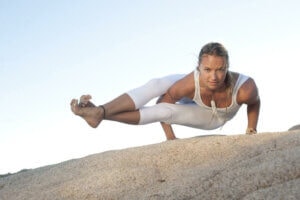
Often described as the "other half" to more dynamic, muscularly engaging "yang" practices, Yin Yoga is crucial for improving joint mobility, enhancing flexibility, and preventing injuries. It requires significant mental stillness and patience, making it a powerful meditative practice that cultivates concentration and a deep sense of inner calm. By targeting areas often neglected in more active styles, Yin Yoga offers profound benefits for overall physical health and complements vigorous practices by promoting balance and recovery within the body’s entire system. It is particularly recommended for those seeking to enhance their range of motion and deepen their meditative practice.
7. Bikram/Hot Yoga: The Heated Challenge (10% of Respondents)
Bikram/Hot Yoga captivated 10% of the survey participants, highlighting the appeal of practicing in elevated temperatures. Bikram yoga specifically refers to a highly regimented series of 26 postures and two breathing exercises performed in a room heated to 35–42°C (95–108°F). Generic Hot Yoga classes also occur in heated environments but offer more flexibility in sequences and poses.
The intense heat is believed to aid in deeper stretching, promote detoxification through sweating, and increase cardiovascular challenge. Practitioners often report a profound sense of cleansing and increased flexibility after a hot yoga session. However, these practices demand significant preparation, particularly meticulous hydration before, during, and after class, to mitigate risks associated with dehydration and overheating. The invigorating and purifying experience offered by hot yoga continues to draw a dedicated following seeking both physical challenge and perceived detoxifying benefits.
8. Iyengar Yoga: The Art of Precision (8% of Respondents)
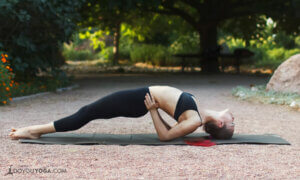
Completing the top eight, Iyengar Yoga was chosen by 8% of respondents, signifying the enduring importance of precision and alignment in yoga practice. A subset of Hatha yoga, Iyengar yoga, developed by B.K.S. Iyengar, is renowned for its meticulous attention to detail, anatomical precision, and the extensive use of props (such as blocks, blankets, straps, and chairs). These props are not crutches but tools designed to help students achieve optimal alignment in postures, extend their stay in poses, and allow individuals of all physical abilities to experience the benefits of the asanas.
Iyengar yoga emphasizes holding poses for longer durations, allowing for deep exploration of each posture and its effects on the body and mind. The sequences are carefully constructed to build strength, flexibility, and stamina, while also promoting therapeutic benefits for various physical conditions. This style appeals to those who value a methodical approach, a deep understanding of body mechanics, and a safe, progressive practice that can be adapted to individual needs. Its rigorous approach to alignment makes it a cornerstone for serious practitioners and those seeking therapeutic applications of yoga.
Demographic Insights and Practitioner Motivations
While the survey primarily focused on style preferences, deeper analysis of the data (as inferred from common yoga research) would likely reveal correlations between demographic profiles and chosen styles. Younger practitioners, for instance, might gravitate towards the dynamic and challenging aspects of Vinyasa and Power Yoga, while older demographics or those recovering from injury might prefer the slower, more supportive approaches of Hatha, Restorative, and Iyengar.
Furthermore, the motivations for practicing yoga are as diverse as the styles themselves. Beyond physical fitness, a significant portion of respondents likely cited stress reduction, mental clarity, improved sleep, emotional balance, and spiritual growth as primary drivers. The survey’s global nature also suggests that while physical benefits are universally sought, the cultural contexts may subtly influence the emphasis on spiritual or therapeutic aspects. The increasing adoption of online platforms for practice also points to a desire for accessibility, convenience, and the ability to explore various styles from the comfort of one’s home.

Expert Commentary and Industry Reactions
A spokesperson for DoYou.com commented on the survey’s findings, stating, "The DoYou Global Yoga Survey unequivocally demonstrates the incredible diversity and global reach of yoga. It’s inspiring to see how millions worldwide are integrating these ancient practices into their modern lives, each finding a style that resonates with their unique needs and aspirations. Our platform is committed to supporting this journey by offering a rich tapestry of classes across all these popular styles."
Leading wellness industry analysts have observed that the dominance of Vinyasa reflects a broader trend in fitness towards dynamic, engaging workouts that offer tangible physical results. "The modern practitioner often seeks efficiency and effectiveness," noted Dr. Anya Sharma, a wellness researcher. "Vinyasa delivers a robust workout while still offering the mental benefits of breath awareness. However, the strong showing of Hatha and Restorative styles indicates a growing understanding of yoga’s holistic power beyond just physical exertion—its crucial role in recovery, mental health, and foundational strength." Yoga instructors also weigh in, with many emphasizing the importance of exploring different styles. "While one style might be your home base, venturing into others can unlock new aspects of your practice, challenge your body in different ways, and ultimately deepen your understanding of yoga as a whole," said renowned yoga teacher, Elena Rodriguez.
Implications for the Global Wellness Landscape
The findings of the DoYou Global Yoga Survey carry significant implications for the global wellness industry, practitioners, and future research.

For yoga studios and online platforms, the data provides clear guidance on curriculum development and marketing strategies. Investing in high-quality Vinyasa, Hatha, and Restorative offerings, while also maintaining specialized programs for Power, Ashtanga, Yin, Bikram/Hot, and Iyengar, appears to be a sound strategy. The popularity of diverse styles also underscores the need for comprehensive teacher training programs that equip instructors with the skills to teach a wide range of methodologies effectively.
For practitioners, the survey highlights the vast "yoga menu" available. It encourages exploration beyond one’s initial comfort zone, suggesting that combining different styles (e.g., a vigorous Vinyasa practice balanced with a calming Restorative or deep Yin session) can lead to a more holistic and sustainable yoga journey. The emphasis on individual preference reinforces the idea that there is no "one size fits all" approach to yoga.
From a public health perspective, the widespread adoption of yoga, in its various forms, contributes significantly to global well-being. Regular practice is linked to reduced stress, improved mental health, enhanced physical fitness, and better chronic disease management. The survey validates yoga’s role as a potent tool for preventative health and overall lifestyle improvement.
Finally, the global scope of the survey emphasizes yoga’s remarkable capacity for cultural exchange and adaptation. What began as an ancient Indian discipline has seamlessly integrated into diverse cultures worldwide, evolving and diversifying while retaining its core principles of mind-body connection. This ongoing evolution suggests that future surveys will continue to reveal new trends and adaptations, underscoring yoga’s dynamic and ever-expanding influence.
In conclusion, the DoYou Global Yoga Survey paints a vibrant picture of a thriving global yoga community, united by a shared pursuit of well-being yet diverse in its chosen paths. From the dynamic flows of Vinyasa to the precise alignments of Iyengar and the deep stillness of Restorative, each style offers a unique entry point into the transformative power of yoga. This rich tapestry of practices ensures that regardless of an individual’s physical condition, mental state, or personal goals, there truly is a yoga style—or combination of styles—available to support their journey towards a healthier, more balanced life.

