

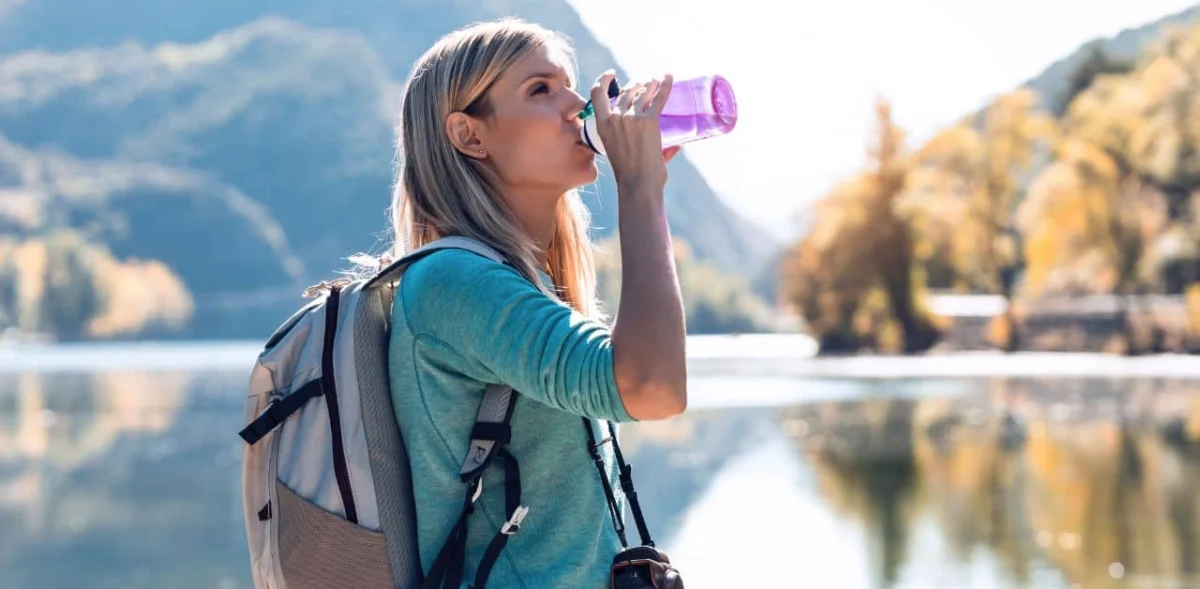
The global tourism industry has long grappled with a persistent environmental and health-related paradox: the consumption of single-use plastic bottled water. For the international traveler, the decision to reach for a factory-sealed bottle or a tap-fed glass involves a complex calculation of health risks, local infrastructure reliability, and ecological responsibility. While the convenience of bottled water offers a perceived shield against traveler’s diarrhea and more severe waterborne pathogens, the cumulative impact of plastic waste on global ecosystems has reached a critical inflection point. This guide examines the safety of municipal water systems across the globe, the biological mechanisms that make foreign water challenging for travelers, and the technological solutions available to mitigate environmental damage without compromising personal health.
The Biological Reality of Waterborne Pathogens
The safety of tap water is rarely a binary of "clean" versus "dirty." Instead, it is a matter of microbiological compatibility and the rigor of local treatment standards. Municipalities worldwide utilize various methods to sanitize water, ranging from chlorination and ozonation to advanced membrane filtration. However, even in systems that meet local regulatory requirements, the specific composition of microorganisms—including bacteria, viruses, and protozoa—can differ significantly from those found in a traveler’s home region.
The human digestive system develops a level of "herd immunity" or local adaptation to the microbial flora present in its primary environment. When a traveler enters a new geographical zone, they are exposed to unfamiliar strains of bacteria such as Escherichia coli (E. coli), or parasites like Giardia duodenalis and Cryptosporidium. According to data from the Centers for Disease Control and Prevention (CDC), traveler’s diarrhea remains the most common travel-related illness, affecting between 30% and 70% of international travelers depending on the destination and season.

Beyond gastrointestinal distress, more severe risks include Hepatitis A, Typhoid, and Cholera in regions where water treatment infrastructure is either compromised or non-existent. These illnesses are often the result of cross-contamination between sewage systems and drinking water lines, a common occurrence in rapidly urbanizing areas where infrastructure development lags behind population growth.
Global Standards and Geographical Disparities
The World Health Organization (WHO) and the CDC maintain rigorous monitoring of global water quality to advise international voyagers. Generally, the safety of tap water correlates strongly with a nation’s economic development and the age of its underground infrastructure.
Regions with High Safety Ratings
In much of the Western world and parts of East Asia, tap water is not only safe but often exceeds the mineral quality of bottled alternatives. In Europe, the Drinking Water Directive sets stringent quality standards for all member states, requiring regular testing for over 48 microbiological, chemical, and indicator parameters.
North America: The United States and Canada maintain robust filtration and treatment protocols, though localized issues (such as aging lead pipes in specific municipalities) occasionally arise.
Europe: Safety is nearly universal across the continent, including the United Kingdom, Scandinavia, and the Mediterranean nations of Greece, Spain, and Italy.
Oceania: Australia and New Zealand offer high-quality municipal water.
Asia: A few notable exceptions in the region provide safe tap water, including Japan, South Korea, Singapore, Hong Kong, and Israel. These nations have invested heavily in advanced desalination and recycling technologies, such as Singapore’s "NEWater" initiative.

Regions Requiring Caution
Conversely, travelers are advised to exercise extreme caution in regions where water treatment is inconsistent. In many developing nations, the issue is not just the treatment plant itself, but the "last mile" of delivery. Even if water leaves a facility in a sterile state, cracked pipes and low water pressure can allow groundwater contaminants to seep into the supply before it reaches the consumer’s tap.
Latin America: In Mexico and most of Central and South America (including Brazil, Peru, and Colombia), it is standard practice for both locals and tourists to rely on purified water.
Africa: With few exceptions, tap water across the continent is considered unsafe for visitors. Rapid urbanization in nations like Nigeria and Kenya has placed immense strain on existing water systems.
Asia: Large portions of China, India, and Southeast Asian nations like Thailand, Vietnam, and Cambodia require travelers to seek alternative water sources.
The Environmental Cost of the Bottled Solution
The reliance on bottled water has created an ecological crisis that is increasingly visible in the very destinations travelers seek to explore. The lifecycle of a plastic water bottle—from the extraction of petroleum for PET (polyethylene terephthalate) production to its eventual disposal—represents a massive carbon and waste footprint.
Data from the United Nations University Institute for Water, Environment and Health indicates that the global bottled water market is growing at a rate that outpaces the development of recycling infrastructure. Current estimates suggest that less than 10% of plastic waste is successfully recycled globally. The remainder is either incinerated, contributing to air pollution; buried in landfills, where it takes up to 450 years to decompose; or lost to the environment.

The "Pacific Garbage Patch" and the presence of microplastics in every corner of the globe—from the Mariana Trench to the summit of Mount Everest—are direct consequences of the "disposable" culture of which bottled water is a primary driver. Furthermore, the energy required to bottle, refrigerate, and transport water across oceans and continents adds a significant layer of greenhouse gas emissions to an already carbon-intensive product.
Technological Interventions: Purifying on the Go
For the modern, eco-conscious traveler, the solution lies in portable purification technology. These devices allow travelers to utilize local tap water safely, effectively bridging the gap between health security and environmental stewardship.
Mechanical Filtration
Portable water filters, often in the form of "straws" or integrated bottle filters, use hollow fiber membranes to physically block pathogens. An "absolute" pore size of 0.1 microns is sufficient to remove 99.999% of bacteria and protozoa. However, travelers should note that standard mechanical filters often do not remove viruses, which are significantly smaller than bacteria.
Ultraviolet (UV) Treatment
UV-C light purifiers have become a gold standard for international travel. These devices work by emitting a specific wavelength of light that disrupts the DNA of bacteria, viruses, and protozoa, rendering them unable to reproduce and, therefore, harmless. UV treatment is fast (usually taking less than 90 seconds) and does not alter the taste of the water. Its primary limitation is that it requires clear water to be effective; sediment can "shadow" pathogens from the light.

Chemical Disinfection
Iodine and chlorine dioxide tablets remain a lightweight, emergency backup. While effective against most pathogens, they require a "contact time" of 30 minutes to four hours and can leave a distinct chemical aftertaste. Chlorine dioxide is generally preferred over iodine as it is more effective against Cryptosporidium.
Distillation and Boiling
The oldest method remains the most effective. Bringing water to a rolling boil for at least one minute (three minutes at high altitudes) kills all classes of pathogens. While highly effective, it is often impractical for travelers who do not have access to a kitchen or a portable stove.
The Economic and Social Implications of Water Choices
The choice between tap and bottled water also has profound economic implications for host communities. In many regions, the demand for bottled water by tourists can divert local resources and create a "two-tier" water system. When travelers insist on bottled water, they support a multi-billion-dollar industry that often extracts water from local aquifers, sometimes at the expense of local agricultural or domestic needs.
Conversely, supporting "Refill" stations and municipal water improvements can lead to more sustainable outcomes. Many cities in Southeast Asia and Europe have begun installing public water fountains and launching "Refill" apps that point travelers toward businesses willing to provide free or low-cost tap water refills. This initiative not only reduces plastic waste but also fosters a sense of community and shared responsibility for local resources.

Conclusion: A Strategic Approach to Hydration
The transition toward sustainable travel necessitates a shift in how voyagers perceive and manage their water consumption. By conducting pre-trip research into the specific water standards of their destination and investing in high-quality reusable bottles and purification tools, travelers can eliminate their reliance on single-use plastics.
The objective of modern travel should be to leave a destination exactly as it was found. Avoiding the "convenience" of plastic bottles is a tangible, impactful way to protect the world’s oceans and landscapes. As global infrastructure continues to evolve, the goal of universal access to safe tap water remains a pillar of international development. Until that goal is realized, the responsibility lies with the individual to choose methods that safeguard both personal well-being and the health of the planet.

