

Recent scientific investigations into the health effects of potato consumption have illuminated a complex relationship between this popular staple and various chronic diseases, offering nuanced insights that challenge conventional dietary advice. While potatoes are a significant source of essential nutrients like potassium, vitamin C, and fiber, their impact on glycemic control and long-term health outcomes is far from uniform, with preparation methods and serving temperatures playing a critical role. Emerging research suggests that strategic consumption, particularly of cooled and reheated potatoes, can significantly mitigate their glycemic impact, potentially offering a healthier way to enjoy this versatile food.
Understanding the Glycemic Index of Potatoes
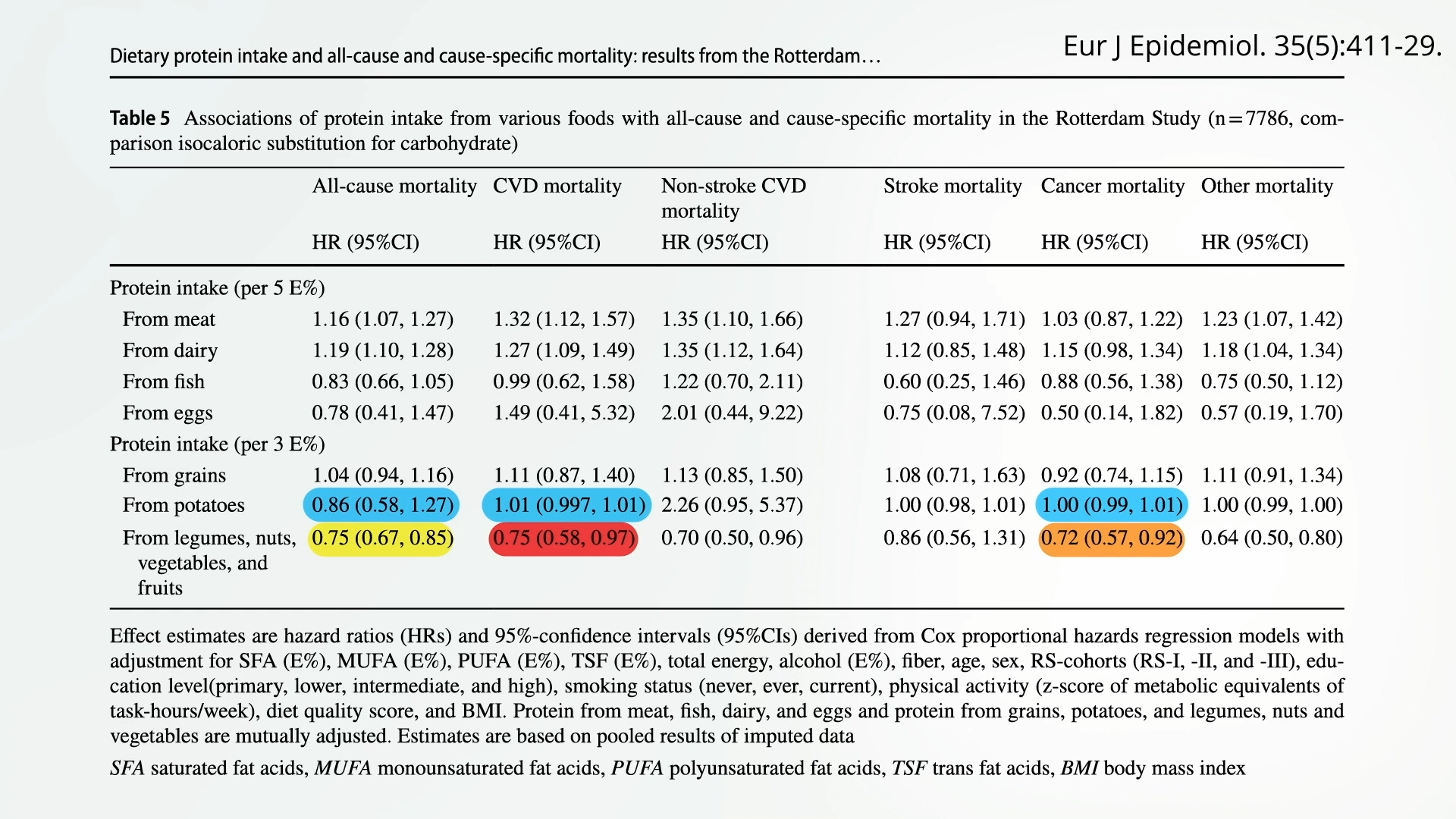
The glycemic index (GI) is a measure of how quickly a food raises blood glucose levels after consumption. Foods with a GI of 70 or higher are classified as high-GI, while those below 55 are considered low-GI. White bread and white potatoes typically fall into the high-GI category, with sugar water often used as a benchmark at 100. This high glycemic load can be a concern for individuals managing blood sugar levels, as diets rich in high-GI foods are robustly associated with an increased risk of developing type 2 diabetes, with current evidence suggesting a causal link.

However, the narrative surrounding potatoes is not entirely negative. Studies have indicated that while French fries are linked to an increased risk of type 2 diabetes and hypertension, other preparations like boiled, baked, or mashed potatoes do not show a significant association with high blood pressure. Nonetheless, a persistent link with diabetes risk remains for these preparations, prompting questions about their classification as standard vegetables in dietary recommendations.
The "Chilling Effect": Mitigating Glycemic Impact
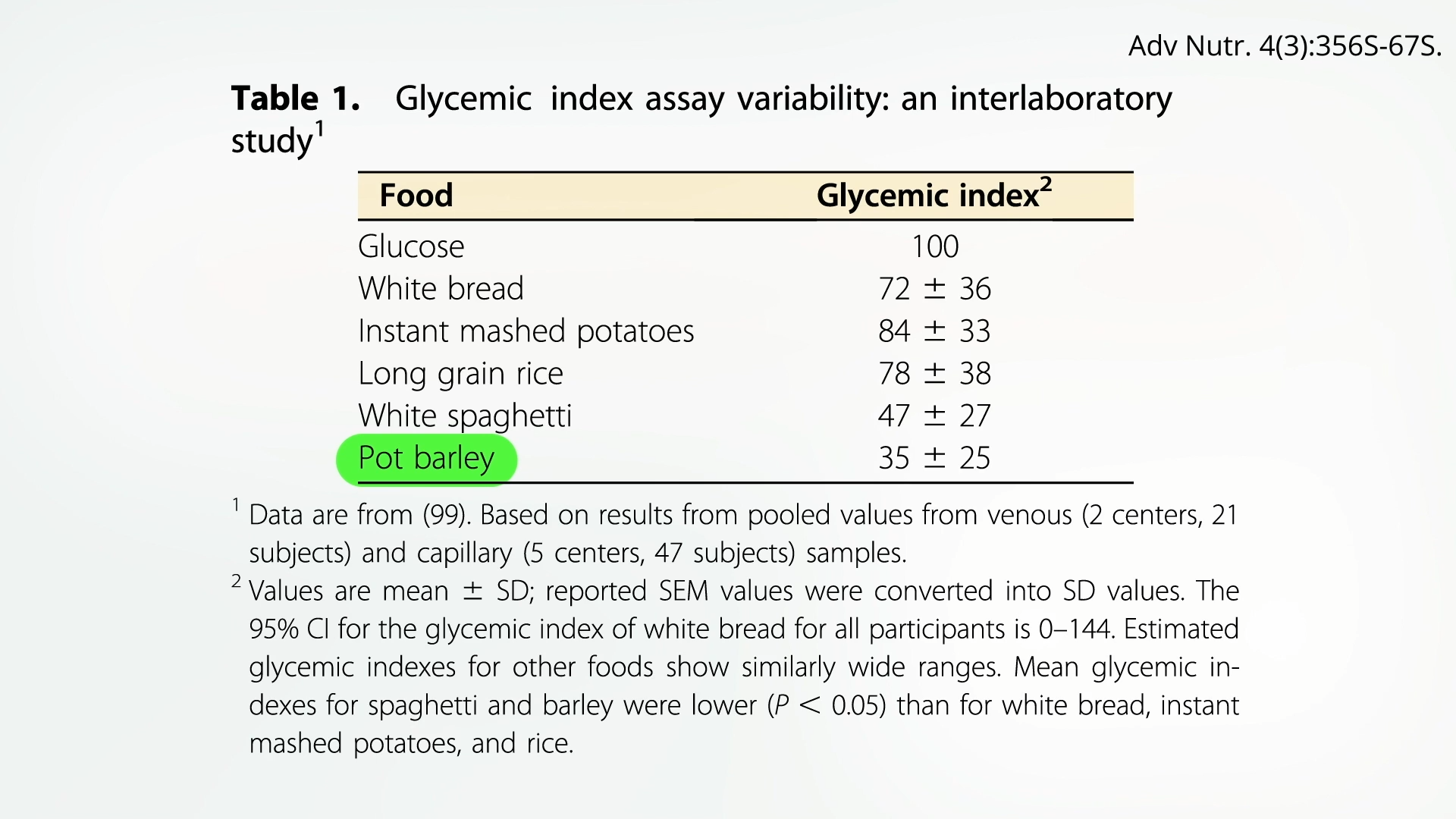
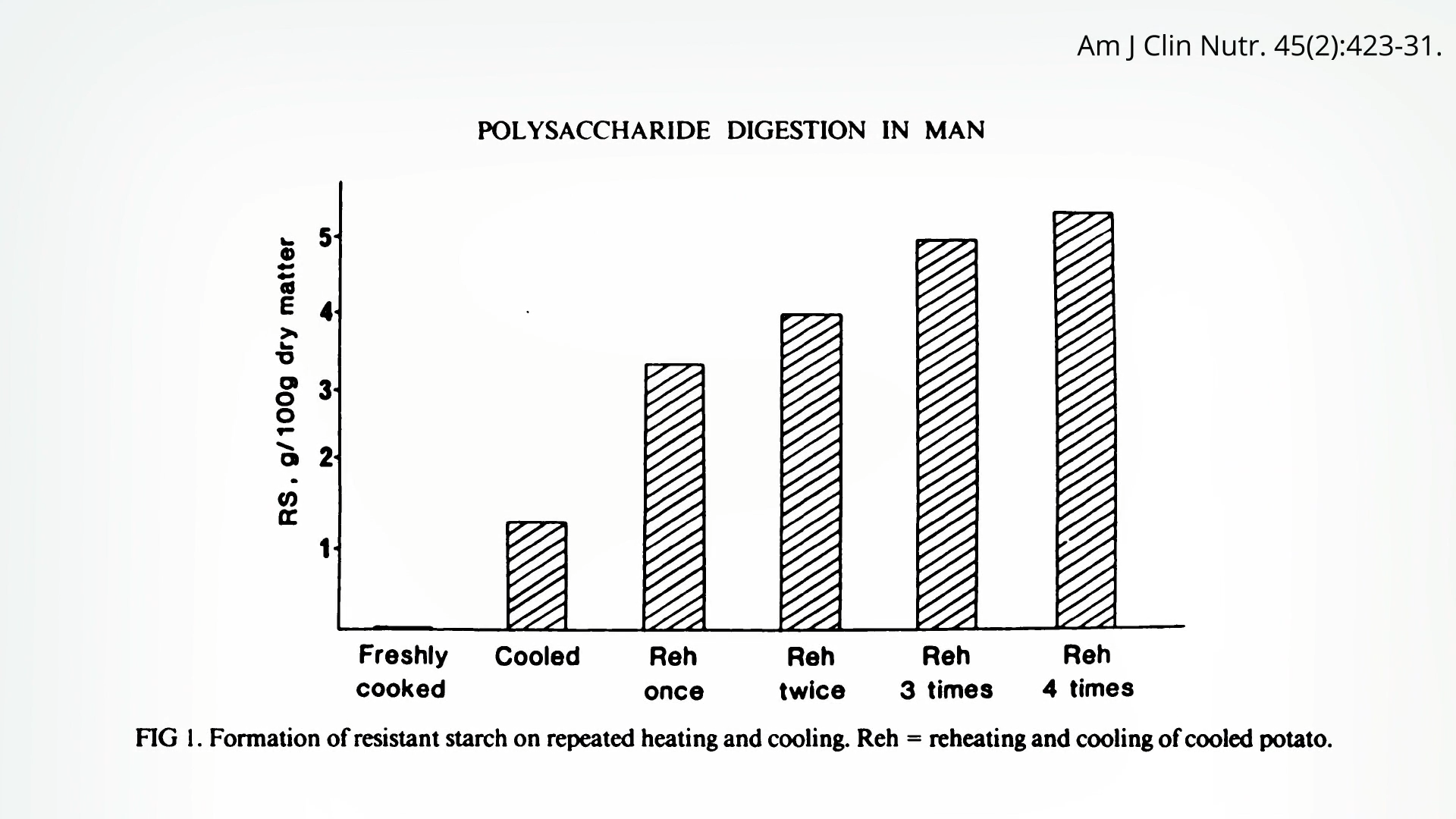
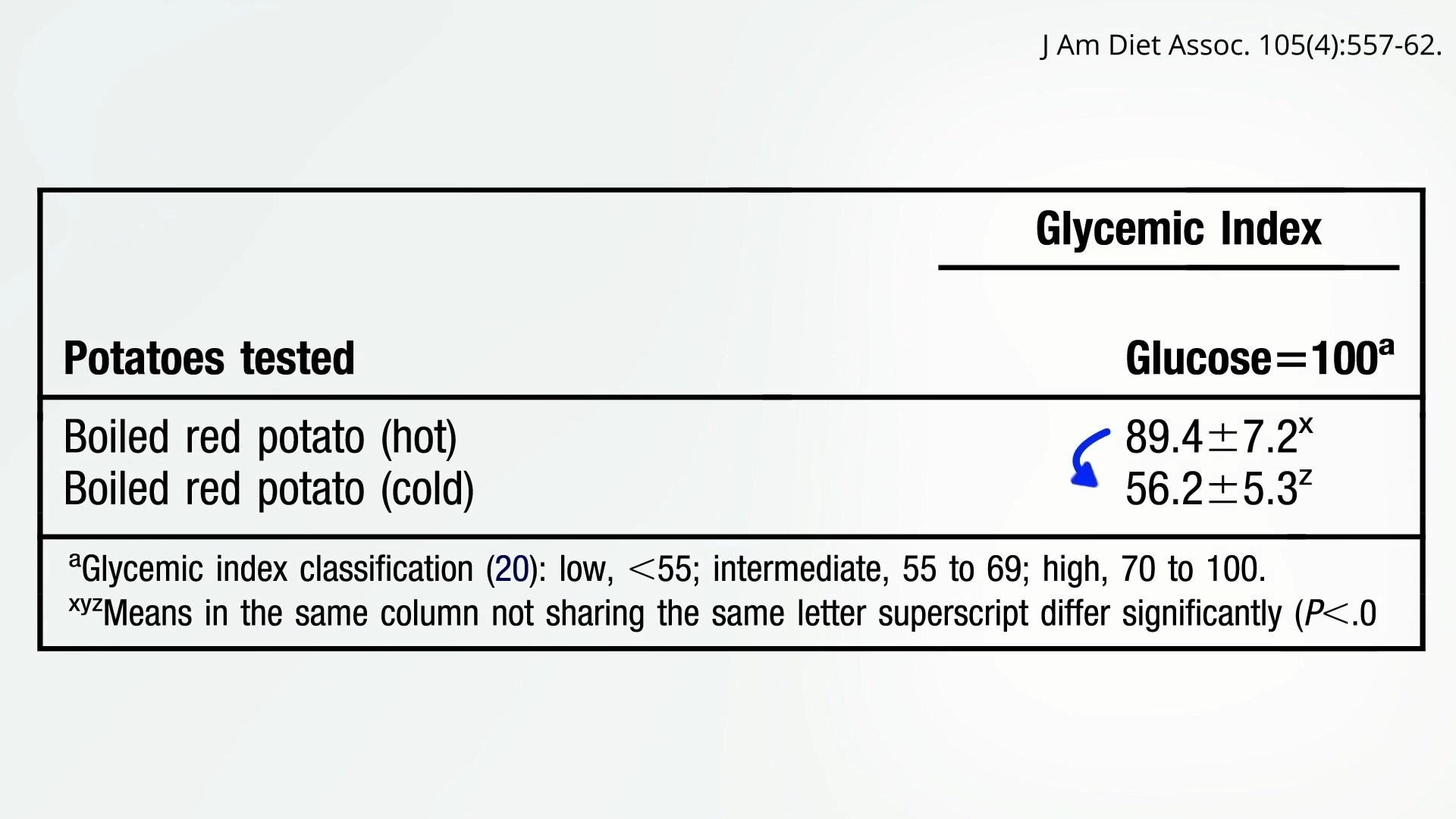
A significant breakthrough in understanding potato consumption comes from research highlighting the impact of temperature on their glycemic response. When potatoes are boiled and subsequently chilled, a portion of their starch crystallizes into a form known as resistant starch. This resistant starch is not easily digested by human enzymes in the gut, meaning it behaves more like fiber and has a reduced impact on blood sugar levels.
Studies have demonstrated that consuming potatoes cold, such as in potato salad, can lead to a nearly 40% lower glycemic impact compared to their hot counterparts. This "chilling effect" appears to slow down the breakdown and absorption of starches. This phenomenon was observed in research where cold potatoes exhibited a dramatically lower glycemic index than hot potatoes.
Satiety and Preparation Methods
Beyond glycemic impact, the satiety factor of potatoes is also influenced by preparation and serving temperature. Potatoes contain a protein called potato protease inhibitor II, which has appetite-suppressing properties. However, how potatoes are prepared significantly affects their satiating power.
Research indicates that both boiled and mashed potatoes are considerably more satiating than French fries. This is likely due to the intact cellular structure and the presence of fiber in these preparations. In contrast, fried French fries, whether regular or baked, appear to be less satiating. One study found that boiled, cooled, and then reheated potatoes were the most satiating food among dozens tested, suggesting a potential strategy for appetite control.
The Opportunity Cost of Potato Consumption
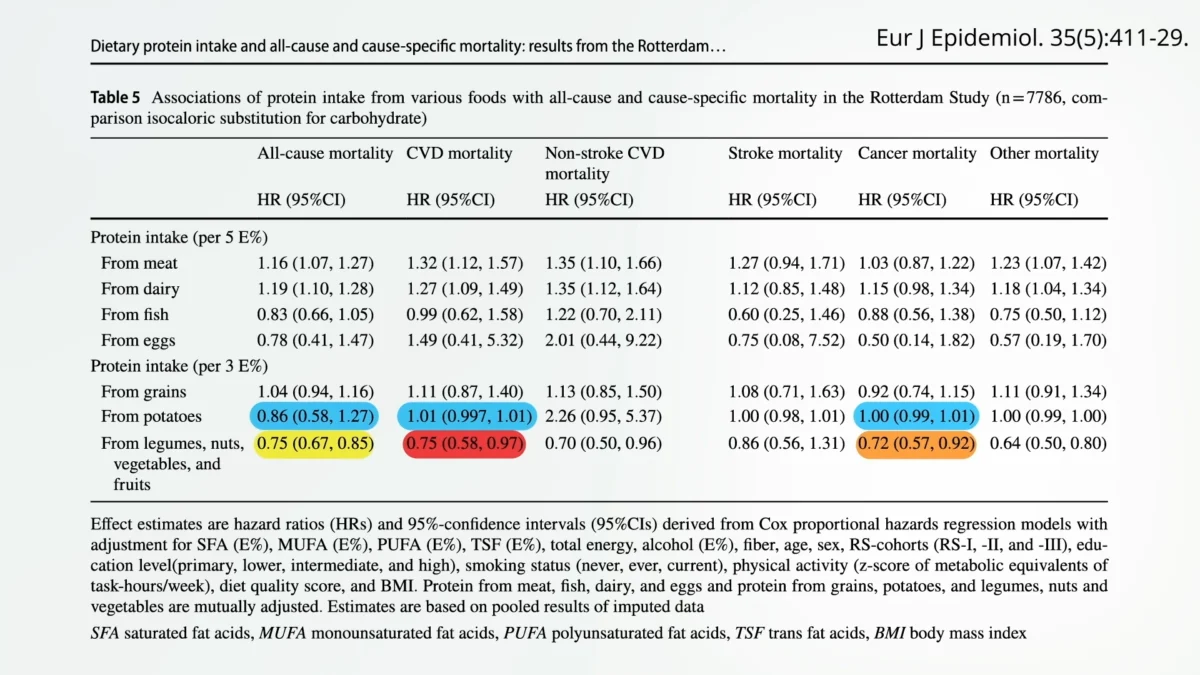
While potatoes offer valuable nutrients, their consumption can also represent an "opportunity cost" in a balanced diet. Every portion of potatoes consumed means a missed opportunity to include other whole plant foods like nuts, fruits, legumes, and non-starchy vegetables. These nutrient-dense foods are consistently associated with a longer lifespan, significantly reduced risk of death from cancer and cardiovascular diseases, and a 25% lower chance of premature death from all causes combined. Potatoes, on the other hand, have not demonstrated similar protective effects against cancer, heart disease, or overall mortality.
Industry Influence and Research Findings
It is important to acknowledge that research in this area can sometimes be influenced by industry funding. For instance, a study funded by the Alliance for Potato Research and Education, a front group for the potato industry, found that intake of non-fried potatoes did not negatively affect blood sugar markers when compared to refined products like Wonder Bread. While this study aimed to present a favorable view, critics argue that such comparisons are not particularly meaningful given the generally poor nutritional profile of highly refined carbohydrates.
Navigating Potato Consumption for Health
The complex findings surrounding potatoes suggest a nuanced approach to their inclusion in a healthy diet. While they are not inherently "bad," their impact on health is highly dependent on preparation and consumption methods.
- Embrace the Chill: For those seeking to manage their blood sugar, consuming potatoes cold or reheated after chilling can significantly lower their glycemic impact. Potato salad offers a practical example of this strategy.
- Prioritize Preparation: Opt for boiled, baked, or mashed potatoes over fried versions. These methods retain more nutrients and are generally more satiating.
- Mindful Portioning: Even with preparation modifications, potatoes are calorie-dense and can contribute to weight gain if consumed in excess. Their role in a balanced diet should be considered alongside other nutrient-rich foods.
- Consider Opportunity Cost: Regularly substituting potatoes for other whole plant foods may mean missing out on greater health benefits associated with those foods.
Broader Implications for Dietary Guidelines
The ongoing research into potatoes underscores the importance of detailed nutritional science that goes beyond broad food group classifications. Understanding the specific impact of food preparation and consumption patterns is crucial for developing effective public health recommendations. The "chilling effect" on potatoes, for example, offers a practical, science-backed strategy for individuals to enjoy a common food item with reduced health risks.
Furthermore, the influence of industry-funded research highlights the need for transparency and critical evaluation of scientific findings. Consumers and health professionals alike must be discerning, seeking out independent research and considering the potential biases that may shape study outcomes.
As this series of research continues to unfold, it provides valuable tools for individuals to make informed dietary choices, empowering them to optimize their health through a deeper understanding of the foods they consume. The journey from a simple potato to a complex health analysis reveals that even the most familiar foods can offer surprising insights into the intricate relationship between diet and well-being.
Future Directions and Continued Research
This exploration of potato consumption is part of a larger, ongoing investigation into their health implications. Future research aims to further elucidate the mechanisms behind the resistant starch formation and its long-term effects. Additionally, studies are exploring the healthiest types of potatoes and other methods to further reduce their glycemic impact, such as the addition of vinegar, lemon juice, or cruciferous vegetables like broccoli, which have also shown promise in blunting the glycemic response.
The current body of evidence suggests that while potatoes can be a part of a healthy diet, their consumption requires mindful consideration of preparation methods and serving temperatures. By leveraging strategies like chilling and reheating, individuals can potentially mitigate the negative glycemic effects and enjoy potatoes as part of a balanced and health-conscious eating pattern. The ongoing scientific discourse surrounding potatoes serves as a reminder that nutritional science is a dynamic field, constantly refining our understanding of how food impacts our health.

