

In a groundbreaking study that challenges prevailing assumptions about diet and health, the first randomized controlled trial (RCT) to directly compare the effects of ultra-processed foods against unprocessed foods, even when matched for calories, sugar, fat, and fiber, has yielded striking results. The research, published in the prestigious journal Cell Metabolism, demonstrates that participants consuming ultra-processed diets consumed significantly more calories and gained weight compared to those on unprocessed diets, despite identical macronutrient profiles. This finding has profound implications for public health policy, dietary guidelines, and the food industry’s ongoing debate about food reformulation.
Understanding Ultra-Processed Foods: A Growing Concern
The term "ultra-processed food" has emerged in nutritional science to categorize a broad spectrum of industrially manufactured food products characterized by long ingredient lists that often include substances not typically found in home kitchens. These include artificial flavors, sweeteners, colors, emulsifiers, and various other additives designed to enhance palatability, extend shelf life, or mimic the sensory qualities of whole foods. This concept, often colloquially referred to as "junk food," encompasses a wide array of items such as sugary beverages, candies, ice cream, chips, most breads, breakfast cereals, ready-to-heat meals, processed meats like sausages and hot dogs, and breaded products like chicken nuggets and fish sticks.
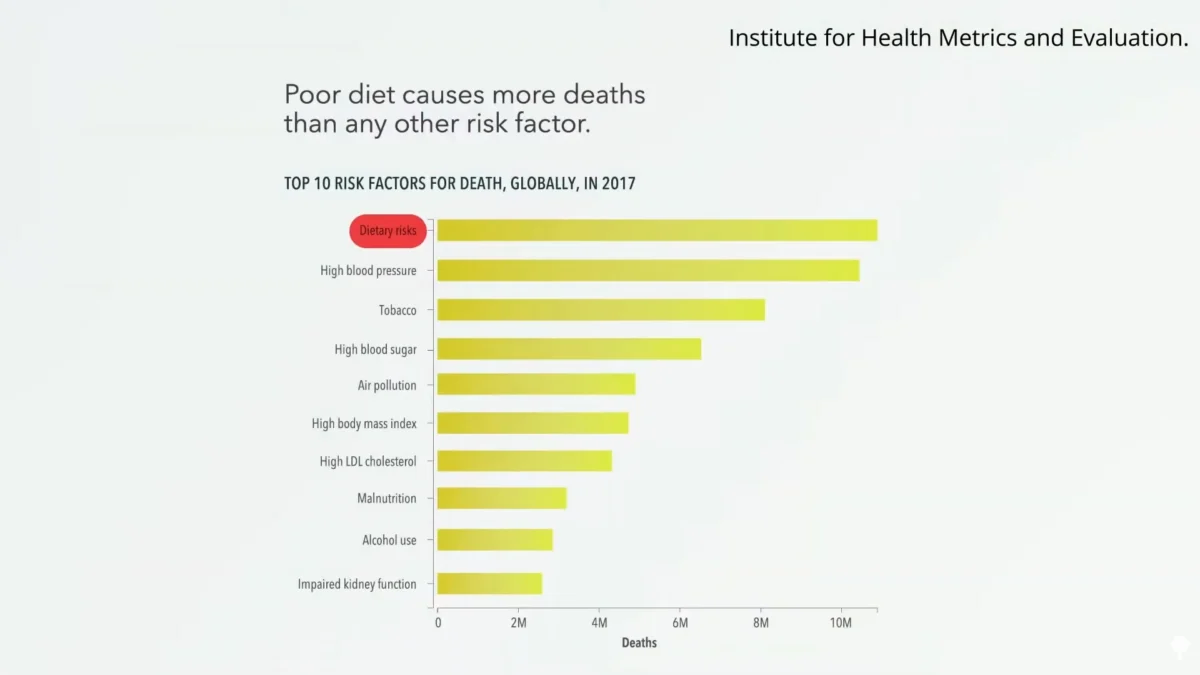
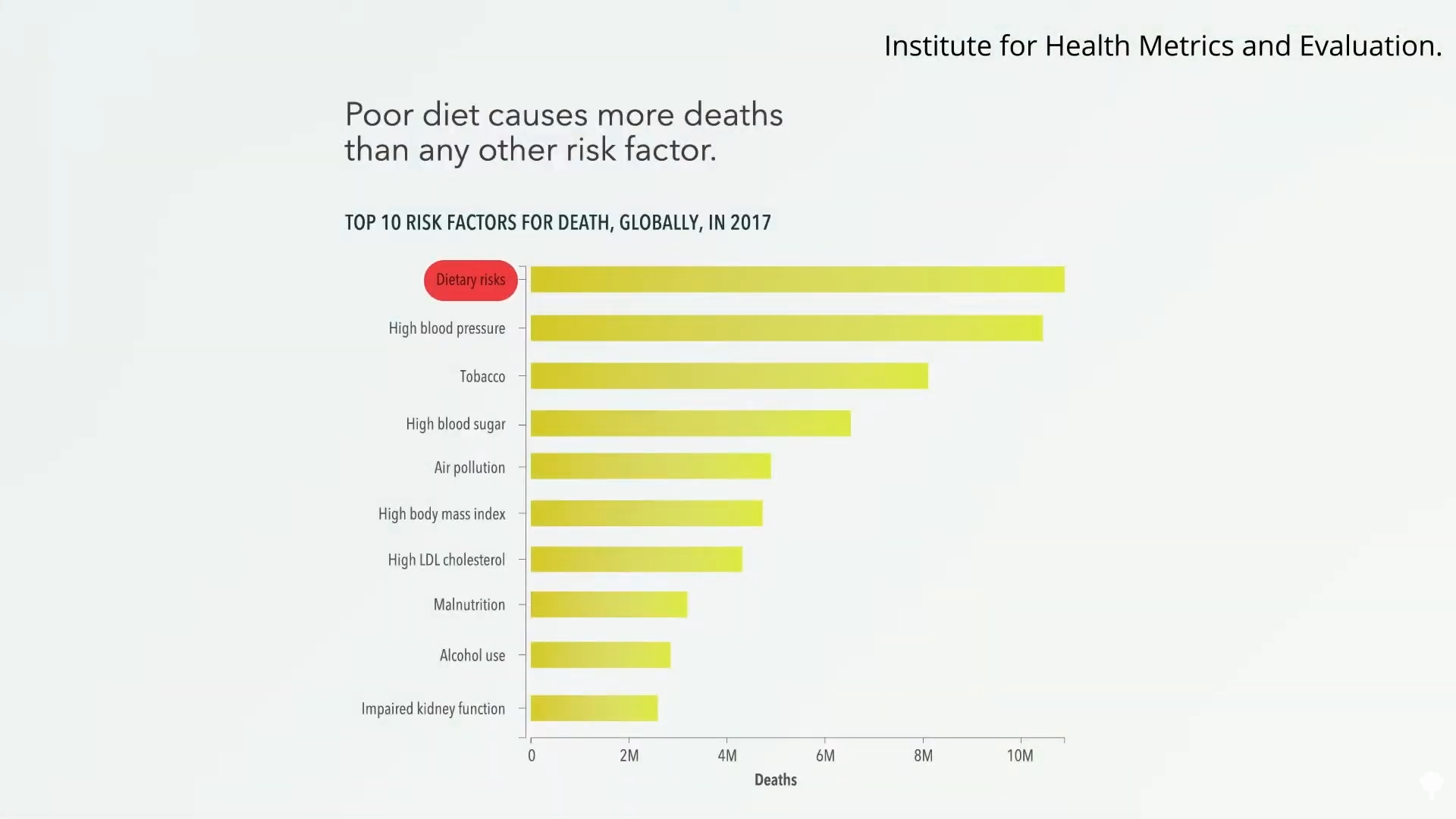
The prevalence of ultra-processed foods in modern diets is staggering. In the United States, for instance, an estimated 71% of over 200,000 assessed food products fall into this category. This dominance is not confined to grocery aisles; these items are strategically placed in convenience stores, gas stations, and even non-food retail environments, creating what industry insiders have termed an "arm’s reach of desire" for calorie-dense, nutrient-poor options. The consequences are evident in dietary consumption patterns: in the U.S., a concerning 56% to 70% of daily caloric intake among children and adolescents is derived from these products. Globally, higher-income countries report that ultra-processed foods consistently account for over 50% of dietary caloric intake. This widespread consumption has been directly linked to a dramatic rise in chronic diseases, positioning unhealthy diets as humanity’s leading cause of death and the primary global risk factor for mortality.
The Biological Impact: From Rats to Humans
Pre-clinical studies using animal models have long hinted at the detrimental biological effects of ultra-processed foods. Research involving rats has shown that diets high in these products can lead to substantial weight gain, increased inflammation, and the development of cognitive and metabolic abnormalities. Concurrently, the rise of ultra-processed foods coincided with the recognition of binge eating disorder as a distinct eating disorder, which has since become the most prevalent form. Notably, foods identified as primary triggers for binge eating were found to be 100% ultra-processed, underscoring the hyper-palatable and engineered nature of these products, which are designed to be difficult to consume in moderation.
Extensive observational studies have consistently linked the consumption of ultra-processed foods to a wide range of adverse health outcomes. These associations extend beyond obesity to include increased risks of cancer, cardiovascular diseases, type 2 diabetes, irritable bowel syndrome, depression, frailty, and all-cause mortality, leading to shorter lifespans. In younger populations, studies have also reported higher incidences of asthma and increased DNA damage. Crucially, not a single study has identified any beneficial health outcomes associated with the consumption of ultra-processed foods. In stark contrast, populations that consume minimally processed foods, limit meat intake, and prioritize high-fiber diets exhibit significantly lower rates of chronic diseases, reduced obesity, and longer periods of disease-free living.
The Landmark Randomized Controlled Trial: Designing the Experiment
While observational studies provided compelling correlations, the question of causality remained. To address this, researchers designed and executed the first randomized controlled trial specifically investigating the independent impact of ultra-processing on dietary intake and weight. This meticulously controlled study involved 20 participants who resided in a hospital ward for a total of 28 days. They were assigned to receive either an ultra-processed diet or an unprocessed diet for two consecutive 14-day periods, with a crossover design ensuring each participant experienced both dietary conditions.
The critical innovation of this trial lay in its rigorous matching of the diets. Both the ultra-processed and unprocessed meal plans were designed to provide identical amounts of calories, sugar, fat, fiber, carbohydrates, and protein. This precise control was essential to isolate the effects of the degree of food processing itself, independent of nutrient composition. The rationale behind this meticulous matching was to counter potential industry arguments that any observed negative health effects were merely a consequence of the inherent nutritional imbalance of ultra-processed foods, rather than the processing itself. Manufacturers have increasingly engaged in "reformulation" efforts, tweaking existing products by adding fiber or reducing sugar and fat while maintaining their ultra-processed nature, a strategy that this trial aimed to critically evaluate.
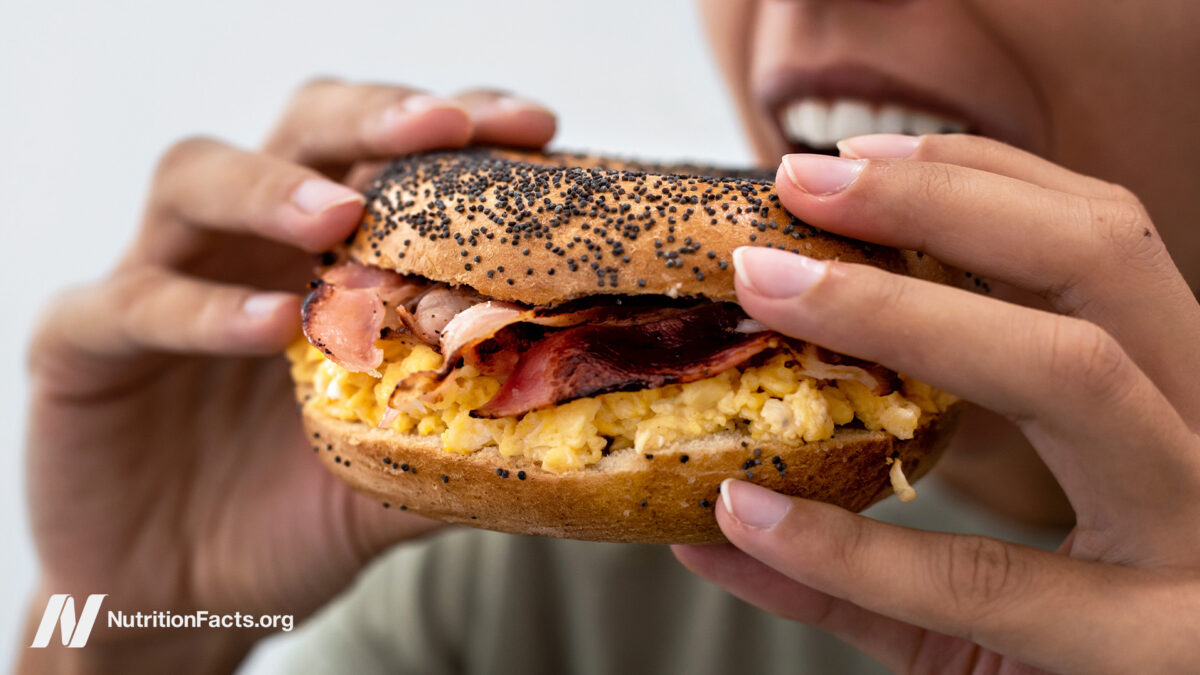
To illustrate the dietary differences, consider the examples provided:
- Breakfast: The ultra-processed diet might include items like Cheerios with a muffin, or an egg and cheese muffin with turkey bacon and orange juice. In contrast, the unprocessed diet featured oatmeal with blueberries and almonds.
- Lunch: Participants on the ultra-processed plan might receive a turkey sandwich accompanied by nonfat Greek yogurt, canned peaches, baked potato chips, and sugar-free lemonade. The unprocessed alternative was a Southwest entrée salad with fresh ingredients like black beans, carrots, corn, avocados, and nuts, served with grapes and apples.
Participants were instructed to eat as much or as little as they desired from the provided meals, allowing for natural variations in appetite and intake within the controlled dietary framework.
The Unmistakable Results: Caloric Intake and Weight Gain
The findings from this controlled experiment were stark and unequivocally demonstrated the potent influence of food processing on eating behavior and body weight. Participants on the ultra-processed diet consumed, on average, approximately 500 more calories per day than those on the unprocessed diet. This significant caloric surplus directly translated into a noticeable change in body weight: individuals on the ultra-processed diet gained an average of about two pounds over the two-week period, while those on the unprocessed diet experienced an average weight loss of approximately two pounds.
These results provided compelling evidence that the problem with ultra-processed foods extends beyond their nutrient profiles. Even when offering the same caloric and macronutrient content, the ultra-processed versions led to increased consumption and subsequent weight gain. This suggests that factors inherent to the processing itself – such as texture, palatability, and perhaps even the speed at which they are digested and absorbed – play a crucial role in regulating appetite and satiety. The study effectively debunked the notion that simply tweaking the nutritional content of ultra-processed foods, such as adding fiber or reducing sugar, would render them benign.
Industry Response and Broader Implications
The food industry has historically favored "reformulation" as its primary strategy for addressing concerns about unhealthy products. This approach is often characterized as an "unobtrusive strategy," aiming to create "the prospect of nutritional improvement without dietary change." However, the findings of this RCT directly challenge this paradigm, strongly suggesting that limiting the consumption of ultra-processed foods altogether may be a more effective public health intervention.
The economic drivers behind the food industry’s reliance on ultra-processed products are significant. These foods are often manufactured using inexpensive ingredients, including taxpayer-subsidized corn syrup, which allows for substantial profit margins. The global food industry generates over a trillion dollars annually. Yet, a considerable portion of healthcare expenditures is directed towards treating chronic diseases, such as diabetes and heart disease, which are exacerbated by the consumption of these very products. This creates a societal "triple loss" – financial gains for the industry versus significant healthcare costs and reduced quality of life for the population.
The industry has frequently argued that advocating for the avoidance of ultra-processed foods is "unrealistic" in the context of modern societal time constraints and the difficulties associated with food preparation. However, critics contend that this argument often reflects a perpetuation of propaganda and disinformation campaigns that have influenced consumer choices for decades. The counter-argument highlights the inherent convenience and accessibility of whole foods, such as apples, suggesting that the perceived lack of convenience is often a manufactured barrier.
The Future of Food Policy and Consumer Choice
The implications of this study are far-reaching. It provides a robust scientific foundation for advocating for stricter regulations on the marketing and availability of ultra-processed foods, particularly for children and adolescents. Public health campaigns can now be more effectively informed by direct causal evidence, moving beyond correlations. Furthermore, the findings underscore the importance of promoting dietary education that emphasizes whole, minimally processed foods as the cornerstone of a healthy diet.
The debate over processed foods as a "failed experiment," as articulated by some nutritionists, is reignited by this research. While concerns about mothers’ knowledge of cooking and "real food" have been raised, the core prescription for a healthier future remains consistent: a focus on "real food, which is low in sugar and high in fiber." This necessitates a shift in thinking that moves beyond incremental product modification towards a more fundamental reevaluation of our food system and consumption patterns.
The research team has emphasized the need for continued investigation into the specific mechanisms by which ultra-processing affects appetite and metabolism. Future studies may explore the role of food matrix, palatability enhancers, and the impact of rapid digestion on hormonal signals that regulate hunger and satiety. The evidence from this landmark RCT, however, offers a clear and actionable message: the degree of food processing itself is a critical determinant of health, independent of its basic nutritional content. This understanding is vital for individuals making dietary choices, policymakers shaping food environments, and industries striving for genuine improvements in public health.
Doctor’s Note on Processed Foods and Health
The detrimental impact of processed foods on our health is a well-established concern. Further exploration into "The Role of Processed Foods in the Obesity Epidemic" can provide deeper context. The challenge of mitigating these effects, however, is met with a clear solution: actively "Cut the Calorie-Rich-And-Processed Foods."
This research builds upon a series of investigations into the complex landscape of modern diets. Previous discussions have explored topics such as "Do Healthy Fast Food Options Lead to Healthier Choices?" and the successful advocacy efforts behind "How We Won the Fight to Ban Trans Fat."
A practical framework for navigating food choices is available through a "traffic light system." This approach, detailed in "Dining by Traffic Light: Green Is for Go, Red Is for Stop," categorizes foods based on their healthfulness, guiding consumers towards more beneficial options and away from those that pose risks.

