

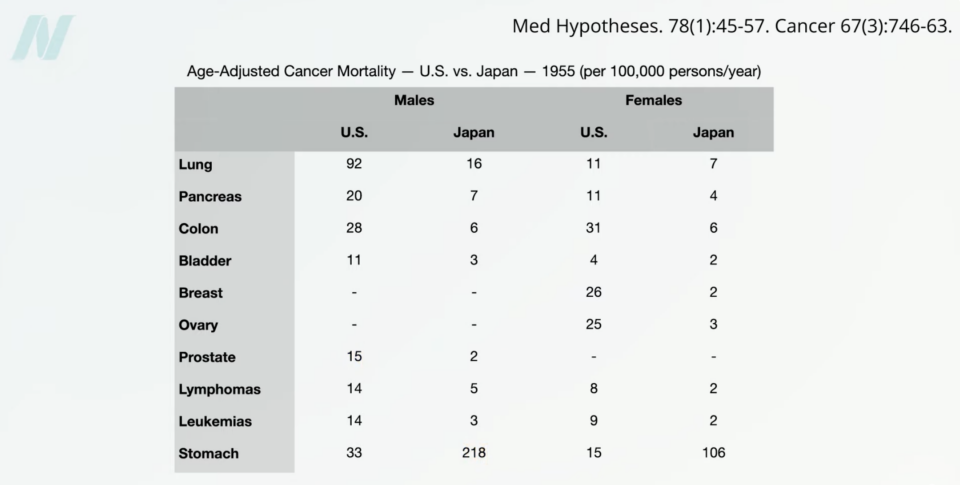
For decades, Japan has stood as a global beacon of longevity, boasting the world’s longest life expectancy while maintaining significantly lower healthcare expenditures compared to other high-income nations. This remarkable feat has often been linked to the distinctive Japanese dietary patterns, which are widely believed to contribute to their comparatively low incidence of coronary artery disease. Historically, Japan has also demonstrated exceptionally low rates of several prevalent cancers, including colon, breast, ovarian, prostate, bladder, and blood cancers. However, a stark anomaly emerges when examining stomach cancer rates, where Japan consistently ranks among the highest globally, presenting a significant public health paradox.
This striking disparity in cancer incidence, particularly the elevated risk of stomach cancer despite overall good health outcomes, has prompted extensive scientific inquiry. The question remains: what specific elements within certain Asian diets, particularly those of Japan and Korea, contribute to this "Achilles’ heel" of stomach cancer, even as other diet-related diseases are kept at bay?
A Historical Perspective: Early Theories and Shifting Paradigms
The initial investigations into the elevated stomach cancer rates in Japan, dating back to the 1970s, explored various dietary and environmental factors. One early hypothesis centered on the talc used in the process of polishing white rice to achieve a lustrous sheen. While talc contamination was later identified as a significant factor in ovarian cancer cases, leading to substantial legal settlements against manufacturers like Johnson & Johnson, this theory did not adequately explain the prevalence of stomach cancer. Subsequent research has largely dismissed the talc-rice connection as a primary driver for gastric malignancies.
The possibility of a purely genetic predisposition was also considered. However, studies conducted on Japanese migrants provided compelling evidence against this notion. As these individuals and their descendants adopted Westernized diets and lifestyles in their new environments, their rates of stomach cancer saw a corresponding decline. This strongly suggests that environmental and dietary factors, rather than inherent genetic susceptibility, play a more pivotal role.
The Role of H. pylori: A Well-Established Culprit, But Not the Whole Story
The most robustly identified risk factor for stomach cancer is the bacterium Helicobacter pylori (H. pylori). This common pathogen infects the stomach lining, leading to chronic inflammation that can, over time, initiate a cascade of cellular changes ultimately resulting in cancer. The World Health Organization’s International Agency for Research on Cancer (IARC) classifies H. pylori infection as a Group 1 carcinogen, signifying the highest level of certainty that it causes cancer in humans.
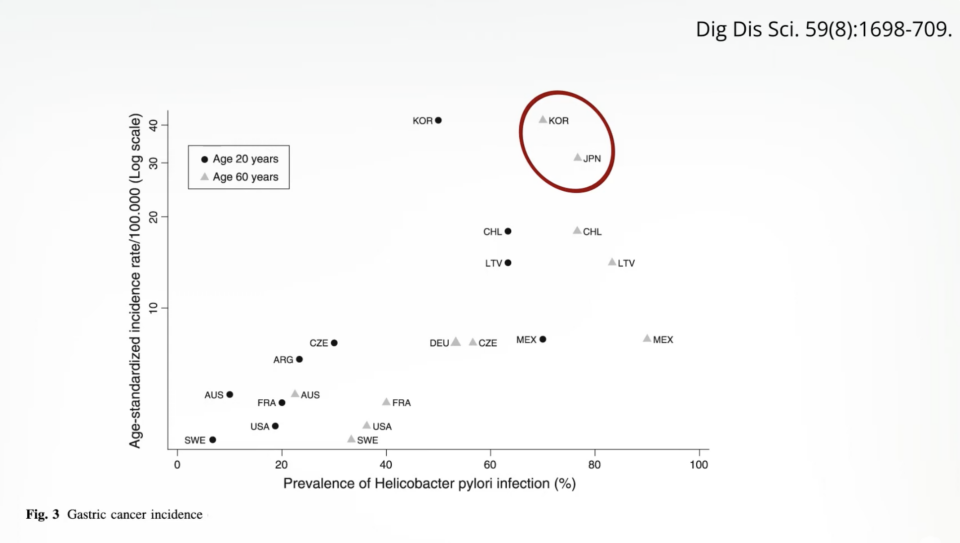
Countries like Korea and Japan exhibit some of the highest incidences of stomach cancer globally, and concurrently, among the highest prevalence rates of H. pylori infection. This correlation initially suggested that H. pylori infection was the sole or primary explanation for the elevated gastric cancer burden in these regions. For instance, Japanese men, while experiencing significantly lower rates of prostate cancer compared to their American counterparts (seven times less), unfortunately faced six times the risk of developing stomach cancer.
The "African Enigma" and the "Indian Enigma": Challenging the H. pylori-Centric View
However, the apparent simplicity of the H. pylori-cancer link was challenged by observations from other parts of the world, leading to what have been termed the "African enigma" and the "Indian enigma." In countries like Nigeria, H. pylori infection rates were found to be even higher than in Japan, yet the incidence of stomach cancer remained remarkably low, a fraction of that observed in Japan.
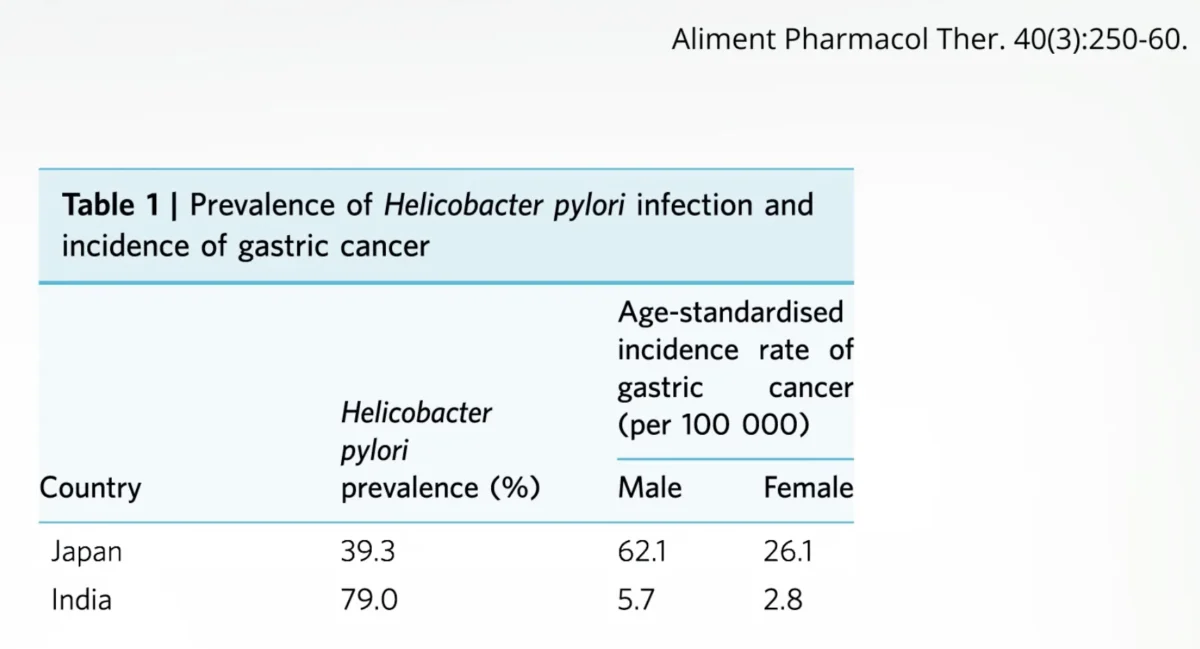
Similarly, the "Indian enigma" presented another significant paradox. Studies revealed that H. pylori infection was twice as prevalent in India as it was in Japan. Despite this higher bacterial burden, Indians developed stomach cancer at rates ten times lower than the Japanese population. These discrepancies strongly indicated that H. pylori infection, while a critical factor, was not the sole determinant of stomach cancer risk. It became clear that other co-factors must be at play, particularly within the dietary habits of populations experiencing high H. pylori prevalence alongside disparate stomach cancer rates.
The prevailing scientific understanding began to shift towards the idea that H. pylori-induced inflammation might create a receptive environment within the stomach lining, making it more susceptible to the damaging effects of dietary carcinogens. The focus then turned to identifying what specific dietary components in the Japanese and Korean diets could be acting as these potent co-factors.
Preserved, Salted Foods: Identifying the Dietary Culprits
Comparative studies examining the dietary patterns of Asian populations with similar H. pylori infection rates but vastly different stomach cancer outcomes began to converge on a common theme: preserved and salted foods. Both salted fish and salted vegetables emerged as significant dietary contributors to increased stomach cancer risk. Conversely, the consumption of fresh vegetables and fruits was consistently associated with a substantial reduction in stomach cancer risk – as much as an 85% decrease in odds. The consumption of fresh fish, on the other hand, did not appear to have a significant association with stomach cancer risk, either positive or negative.
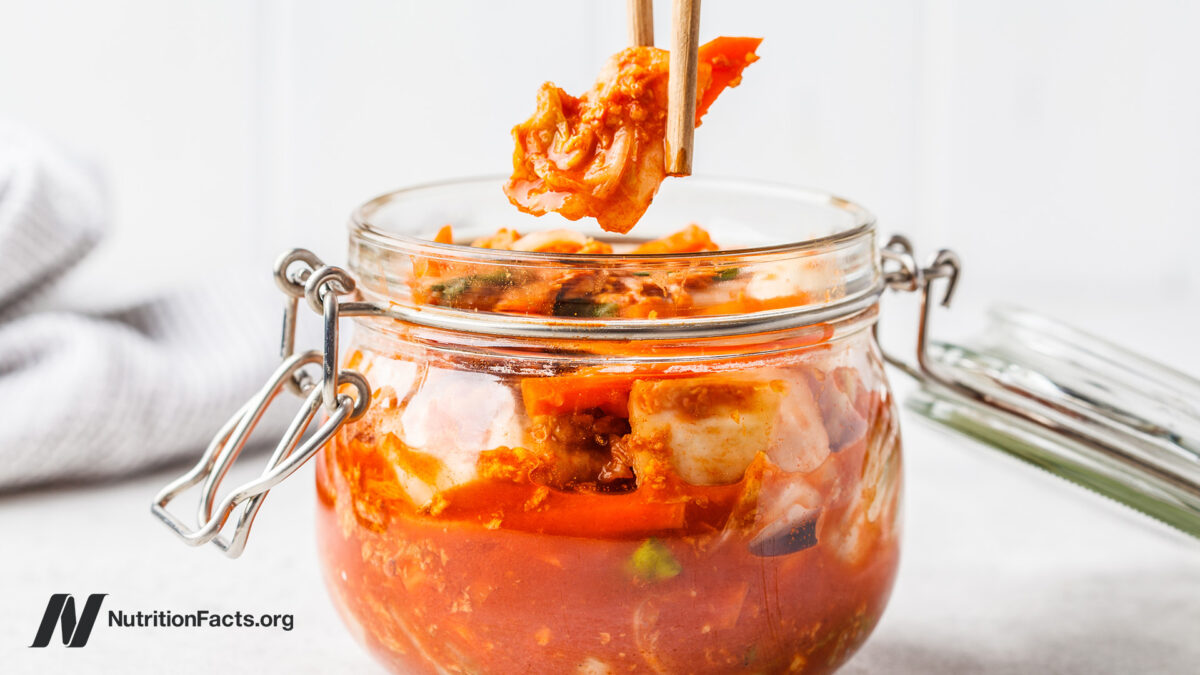
A comprehensive review of 60 studies underscored the association between the consumption of pickled foods and significantly higher rates of stomach cancer. This association was particularly pronounced in Korea, likely due to the substantially higher per-capita consumption of salt-fermented vegetables, such as kimchi, compared to Japan. While the exact mechanisms were under investigation, laboratory studies provided early insights. Extracts from pickled vegetables were observed to induce DNA damage in cells cultured in petri dishes.
To further investigate these findings in human subjects, a study was conducted in Vancouver. Participants were given either 30 ounces of fukujinzuke (a mix of vegetables pickled in soy sauce) or pickled cucumbers for a three-day period. Biopsies taken from the stomach lining before and after the consumption period revealed a stark contrast. While biopsies from individuals consuming fresh carrots or cucumbers showed normal tissue, those who consumed the pickled vegetables exhibited moderate to severe tissue abnormalities, indicative of significant stomach irritation.
The Double-Edged Sword of Salt: Beyond Simple Sodium
While salt itself is not classified as a direct carcinogen, its role in stomach cancer development is increasingly understood to be multifaceted and detrimental. High salt intake can directly damage the stomach lining, thinning the protective mucus layer that shields the gastric epithelium from harm. This compromised barrier function can enhance the colonization and persistence of H. pylori, creating a more favorable environment for chronic inflammation. Furthermore, salt may facilitate the penetration of dietary carcinogens into the stomach lining and even promote the formation of carcinogenic compounds.
Even moderately high salt consumption has been linked to a significantly increased risk of stomach cancer. In Japan, this effect appears to be particularly pronounced in individuals already suffering from H. pylori-induced inflammation, suggesting a synergistic interaction between high salt intake and the bacterial infection in promoting cancer development.
Protective Factors: The Role of Soy and Fresh Produce
In contrast to the detrimental effects of preserved and salted foods, certain dietary components have demonstrated a protective effect against stomach cancer. The consumption of non-fermented soy products, such as tofu, edamame, and soymilk, has been consistently linked to a lower risk of stomach cancer in Japan. This protective effect is largely attributed to the anti-inflammatory and antioxidant properties of isoflavone compounds naturally present in soybeans.
Interestingly, fermented soy products, even those with high salt content like miso, did not exhibit the same protective association. This further emphasizes the critical role of salt in negating the potential benefits of fermented foods and potentially exacerbating the risk of stomach cancer. The stark contrast between the protective impact of fresh produce and the detrimental effects of preserved, salted items highlights the importance of dietary choices in modulating cancer risk, even in the presence of known risk factors like H. pylori infection.
Implications for Public Health and Future Research
The ongoing research into the "Achilles’ heel" of Asian diets has profound implications for public health initiatives aimed at reducing the global burden of stomach cancer. While H. pylori infection is a significant risk factor, it is not a death sentence, as the majority of infected individuals never develop cancer. Understanding and mitigating the influence of dietary co-factors, particularly the consumption of preserved and heavily salted foods, could offer a powerful strategy for prevention.
The consistent association between high intake of pickled and salted foods and increased stomach cancer risk, contrasted with the protective effects of fresh fruits and vegetables, underscores the need for dietary modifications in high-risk populations. Public health campaigns could focus on promoting the consumption of fresh produce and reducing reliance on preserved foods, especially in regions with high H. pylori prevalence.
The question of whether H. pylori can be eradicated or its pathogenic effects neutralized through dietary interventions remains a critical area of ongoing research. While traditional treatments involve a cocktail of antibiotics, exploring natural dietary strategies to combat this pervasive bacterium and its carcinogenic potential holds significant promise for future cancer prevention efforts. The scientific community continues to investigate the complex interplay between diet, microbial infections, and cancer, seeking to unravel the remaining enigmas and develop effective, sustainable strategies for global health.
Doctor’s Note: This article explores the current understanding of dietary factors contributing to stomach cancer in certain Asian populations. For further insights into natural approaches to combat H. pylori, please refer to the forthcoming blog post, "The Best Foods to Fight H. Pylori." Previous discussions on related topics include "Talcum Powder and Fibroids" and "Is Miso Healthy?", which further elaborates on salt consumption and its association with cancer risk.

