

The intricate relationship between our diet and the trillions of microorganisms residing in our gut is a frontier of modern health research, revealing profound implications for cardiovascular health, metabolic function, and inflammatory responses. Emerging scientific evidence underscores a crucial principle: what we consume directly shapes the composition and activity of our gut flora, influencing our well-being for better or for worse. This dynamic interplay, particularly concerning the metabolism of specific dietary components by gut bacteria, has shed light on the development of serious health conditions, while also highlighting the protective potential of a plant-rich diet.
The Double-Edged Sword of Gut Microbial Metabolism
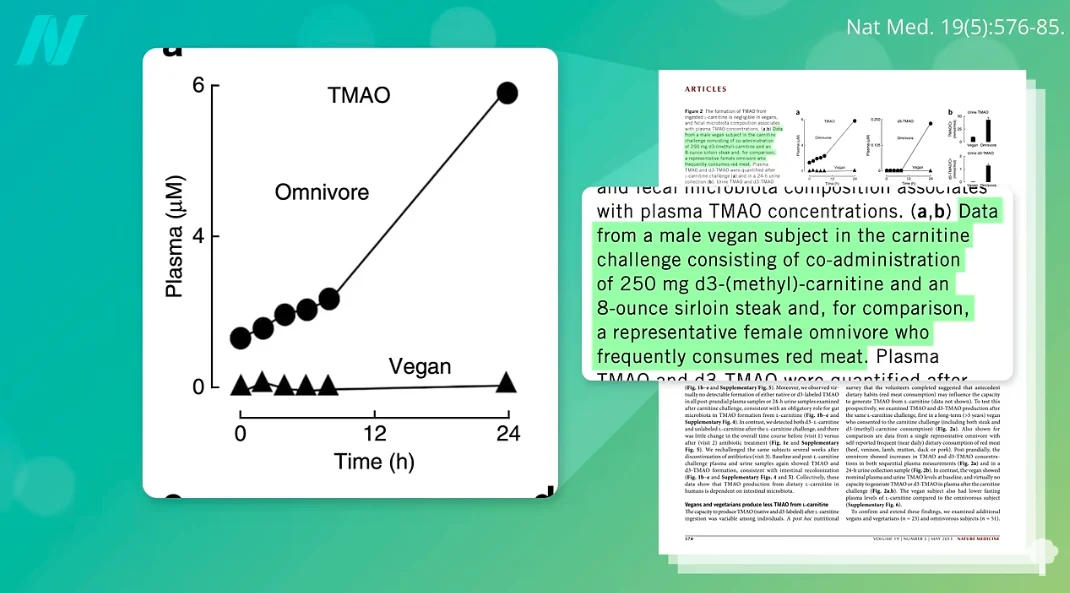
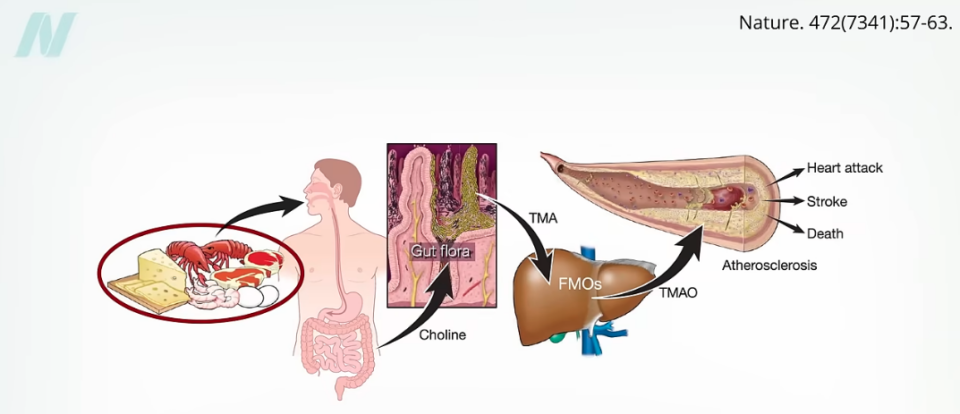
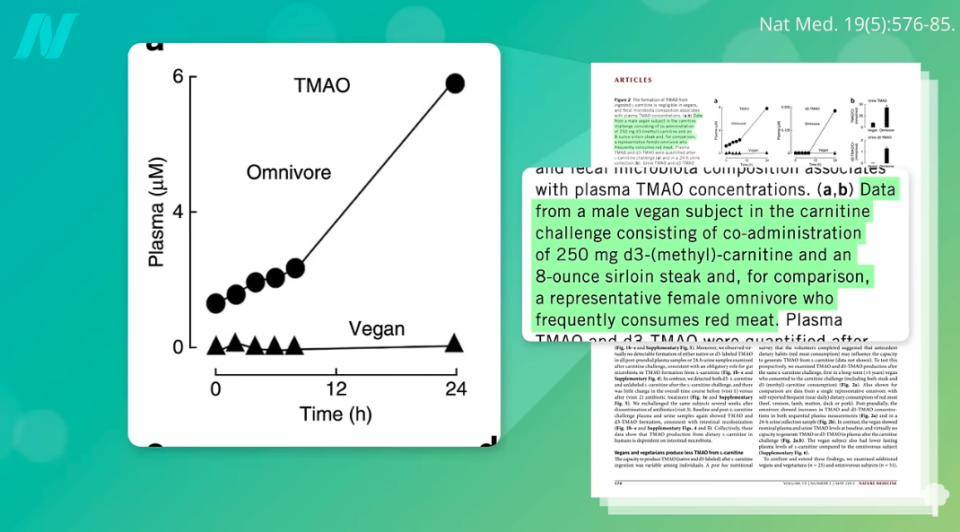
At the core of this discussion lies the production of trimethylamine N-oxide (TMAO), a compound linked to an increased risk of heart attack, stroke, and mortality. Research has demonstrated that when individuals consume animal products, including meat, dairy, and eggs, certain gut bacteria can metabolize specific components like carnitine and choline. This metabolic process ultimately yields TMAO, a substance that has been implicated in the progression of atherosclerosis, the hardening and narrowing of arteries.
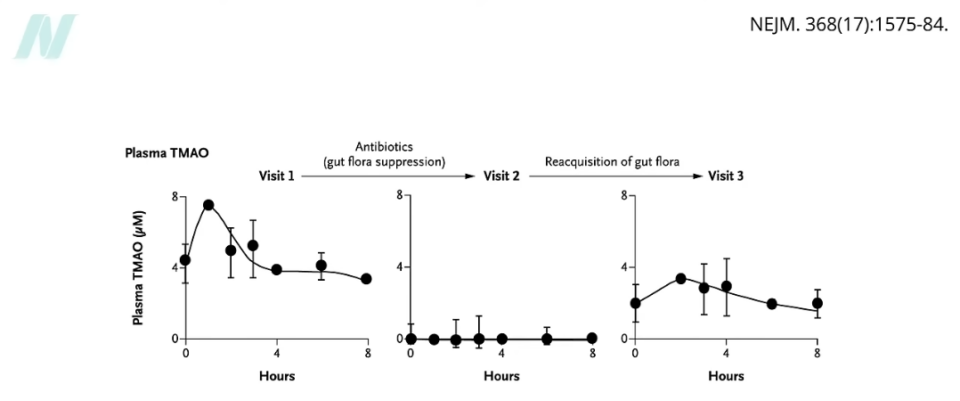
A seminal study published in Nature (nature09922) provided compelling evidence for this pathway. The research indicated that consuming foods rich in carnitine and choline, such as red meat and eggs, primes the gut microbiome to produce TMAO. For instance, providing individuals with two eggs led to a discernible spike in blood TMAO levels within hours. This effect, however, is not inherent to the food itself but is mediated by the gut flora. When the same individuals were administered a course of antibiotics to significantly reduce their gut bacterial population, subsequent egg consumption did not result in elevated TMAO levels. This observation strongly suggests that the presence of specific "egg-eating" bacteria is a prerequisite for TMAO production. Furthermore, as the gut microbiome gradually repopulates over a period of weeks, the capacity to produce TMAO from egg consumption is restored.
The findings extend beyond eggs. Similar experiments involving meat consumption revealed a parallel mechanism. Consuming an 11-ounce steak, for example, also triggered a surge in TMAO levels in the bloodstream. However, when individuals were fed the same quantity of steak after a week of antibiotic treatment, the TMAO response was absent. This reinforces the concept that the detrimental effects of these foods on cardiovascular health are contingent upon the co-existence of the dietary components and the specific gut microbes capable of metabolizing them. Consequently, individuals who adhere to a vegan diet, which naturally excludes these animal-derived components and the associated "meat-eating bugs," do not produce TMAO even when consuming animal products. This highlights the crucial role of diet in selecting and nurturing specific bacterial communities within the gut.
The Protective Power of Plant-Based Foods
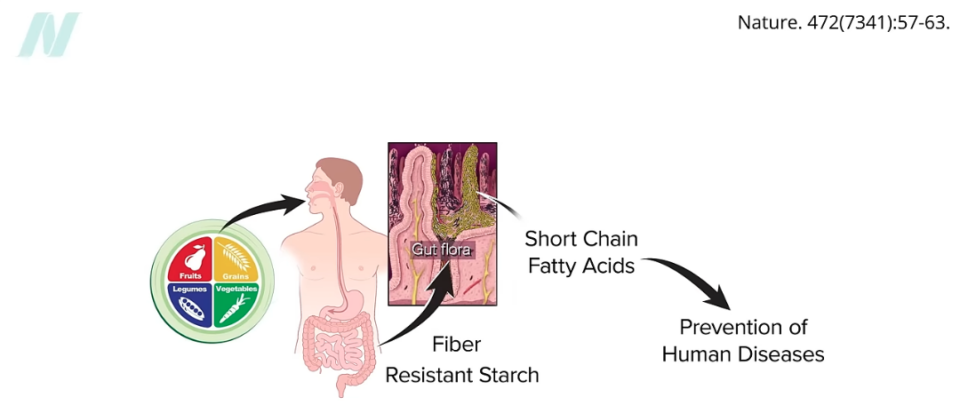
Conversely, the same principle of gut microbial metabolism operates in reverse, yielding significant health benefits when we consume whole plant foods. Fruits, vegetables, whole grains, legumes, nuts, and seeds are rich in dietary fiber and resistant starch. These components serve as substrates for beneficial gut bacteria, which ferment them to produce short-chain fatty acids (SCFAs), such as butyrate. These SCFAs are not merely byproducts; they are potent signaling molecules with a wide array of physiological effects.
SCFAs have been shown to contribute to a "leaky gut" by strengthening the intestinal barrier, thereby preventing the translocation of harmful substances into the bloodstream. They also play a critical role in modulating inflammation throughout the body, helping to combat chronic inflammatory conditions. Furthermore, SCFAs have been linked to improved metabolic health, including the prevention of weight gain, enhanced insulin sensitivity, and accelerated weight loss. Emerging research also suggests a role for SCFAs in cancer prevention.
The beneficial effects of SCFAs, much like the detrimental effects of TMAO, are dependent on the synergistic interaction between dietary components and the gut microbiome. Just as the production of TMAO requires both animal products and the bacteria that metabolize them, the production of SCFAs necessitates the intake of fiber and the presence of fiber-fermenting bacteria.
Cultivating a Fiber-Feeding Microbiome
A study involving the consumption of whole intact grains, specifically barley kernels, illustrated the rapid impact of increased fiber intake on gut health and metabolic markers. Participants who consumed three servings of barley groats daily, providing approximately 30 grams of additional fiber and resistant starch, experienced significant improvements in insulin sensitivity within three days. On average, their insulin levels decreased by 25%, indicating that their bodies required less insulin to manage blood glucose levels, and their blood sugar spikes were effectively dampened.
However, the study also revealed significant individual variability in response. While some participants exhibited striking reductions in blood sugar and insulin levels, others showed little to no effect from the same fiber intake. This disparity was attributed to the differing abundance of specific fiber-feeding bacteria, such as Prevotella. The researchers concluded that fiber alone is not sufficient; the presence of fiber-fermenting bacteria is essential to fully harness the health benefits of plant-based foods.
The abundance of Prevotella is directly associated with long-term fiber intake. Studies comparing rural African children, who consume diets predominantly composed of whole plant foods (up to 97%), with children on Western diets revealed significantly higher Prevotella levels in the former group. This difference was reflected in the greater production of SCFAs observed in their fecal matter.
In industrialized nations, the habitual consumption of vegetarian and vegan diets has been observed to promote the growth of fiber-eating bacteria within the gut. Comparative studies have shown a higher relative abundance of Prevotella in individuals following plant-based diets compared to those who consume meat. This difference in gut microbial composition may help explain the observed disparities in inflammatory profiles between omnivores and vegetarians.
Broader Implications for Public Health and Disease Prevention
The scientific literature suggests that an intestinal environment fostered by animal food consumption may predispose individuals to systemic inflammation and insulin resistance-related metabolic disorders, such as type 2 diabetes. Conversely, a plant-based gut microbiota, characterized by reduced inflammation, appears to confer protective health benefits.
While omnivores can incorporate plant-based foods into their diets, they may face limitations in their gut microbiota’s capacity to efficiently metabolize fiber. This phenomenon is analogous to a vegan consuming steak; the absence of specific bacterial machinery can hinder the full utilization of dietary components, even if consumed. At lower levels of fiber intake, increased consumption generally leads to a proportional increase in beneficial SCFAs. However, beyond a certain threshold, the available fiber-feeding bacteria become saturated, limiting further benefits.
Individuals who habitually consume a whole-food, plant-based diet, however, have cultivated a thriving ecosystem of fiber-feeding bacteria over time. This prolonged exposure allows for a more robust and continuous production of SCFAs, unlocking the full spectrum of health advantages offered by plant-based foods, provided that the diet consists of whole, unprocessed foods rather than vegan junk food. Such diets are considered effective in promoting a diverse and beneficial gut microbiome, thereby supporting overall human health.
The implications of this research are far-reaching, suggesting a powerful dietary intervention strategy for disease prevention and management. By consciously shaping our gut microbiome through dietary choices, we can potentially mitigate the risks associated with cardiovascular disease, metabolic disorders, and chronic inflammation. The evidence strongly supports a shift towards diets rich in fruits, vegetables, whole grains, legumes, nuts, and seeds, not only for their direct nutritional value but also for their profound impact on the intricate ecosystem within our digestive tract. Understanding and leveraging this gut-microbiome-diet connection represents a significant advancement in our pursuit of optimal health and longevity.

