


The global travel landscape in 2025 and 2026 is defined by a complex intersection of post-pandemic recovery, heightened security protocols, and a significant shift toward sustainable consumerism. Despite economic fluctuations and logistical challenges—including extended customs processing times and evolving FAA regulations—international departures have reached record highs. This surge has catalyzed a transformation in the travel gear industry, with a renewed focus on durability, multi-functionality, and eco-conscious manufacturing. Market analysts suggest that the travel accessory sector is projected to grow at a compound annual growth rate (CAGR) of over 6% through 2030, driven largely by "adventure seekers" and "digital nomads" who require specialized equipment for diverse environments.
The Evolution of Luggage and Mobility Solutions
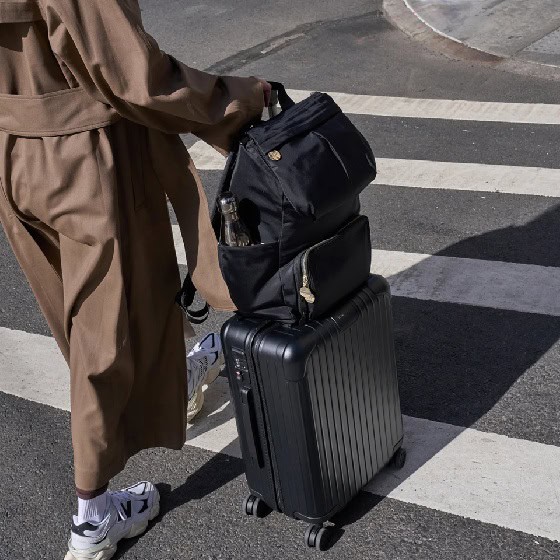
The transition from traditional hardshell suitcases to modular, eco-friendly transit solutions represents the most significant shift in travel logistics over the past decade. Modern travelers increasingly prioritize "one-bag" travel to bypass rising checked-luggage fees and mitigate the risks of transit loss.
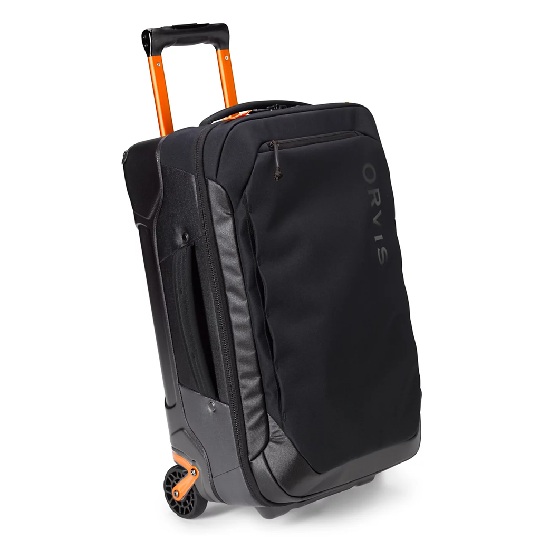
Leading the sustainable sector, the Orvis Trekkage LT Adventure 40L Carry-On Roller Bag exemplifies the industry’s move toward circular design. Utilizing 100% recycled 600D CORDURA re/cor fabric derived from post-consumer plastic waste, the bag integrates high-density polycarbonate rims and repairable components. This "regenerative" approach to manufacturing is a direct response to the "right to repair" movement gaining traction in consumer electronics and outdoor gear.
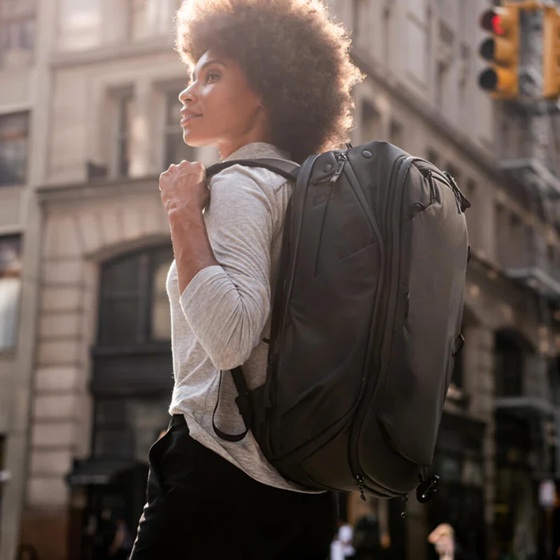
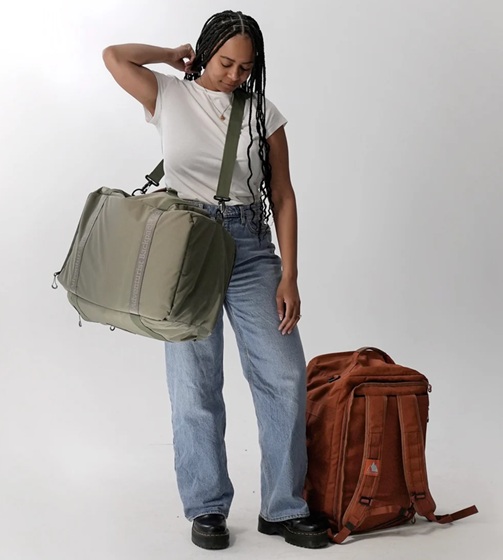
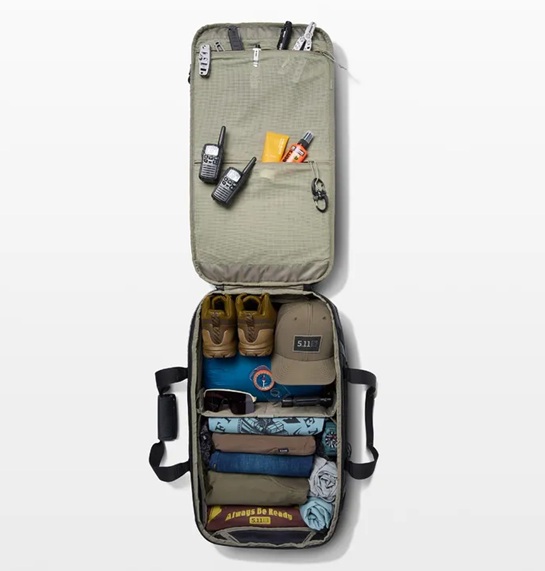
In the backpack segment, the Peak Design 45L Travel Backpack has set a benchmark for versatility. Available in variants utilizing 100% recycled fishing nets (Coyote X-Pac Ocean Edition), the design features weatherproof UltraZips and an expandable chassis. Similarly, the Adventurist Carry On Duffel Backpack 45L addresses both utility and social responsibility. For every unit sold, the company facilitates the distribution of 25 meals to food-insecure families, having provided over 100,000 meals since its inception. This "buy-one-give-one" model continues to resonate with Gen Z and Millennial travelers who equate brand value with social impact.
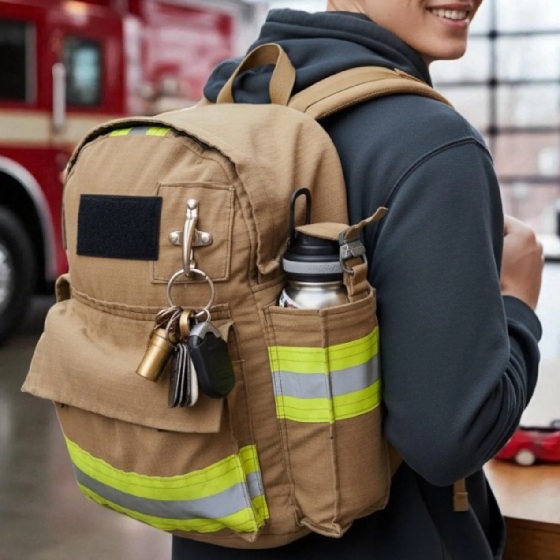
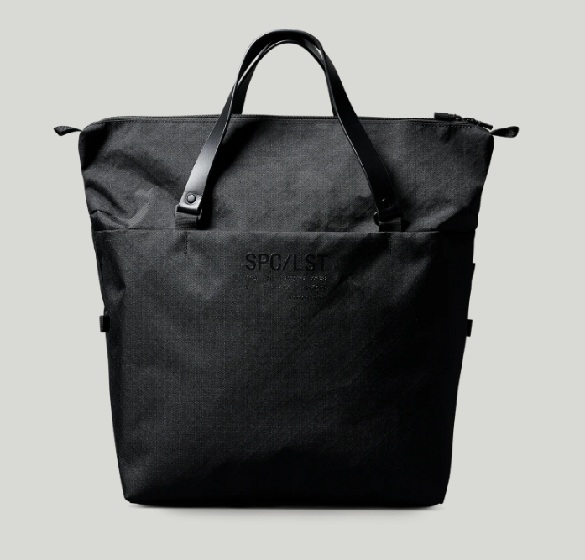
For those seeking specialized or artisanal options, 277 Designs offers a unique perspective on upcycling. By repurposing decommissioned firefighter turnout gear, the brand creates handcrafted backpacks that carry the history of first responders, featuring heat scoring and reflective stripes from original service use. In the professional sphere, the Lo & Sons Melrose Rucksack and the SPC/LST System Tote cater to the "bleisure" (business and leisure) market, blending premium aesthetics with technical features like RFID-blocking pockets and recycled Cordura fabrics.
Technical Apparel and the Rise of Performance Athleisure
The 2025-2026 apparel market is dominated by "performance denim" and "thermoregulating" fabrics. The goal for the modern traveler is a capsule wardrobe that performs in the backcountry but maintains a professional appearance in urban settings.
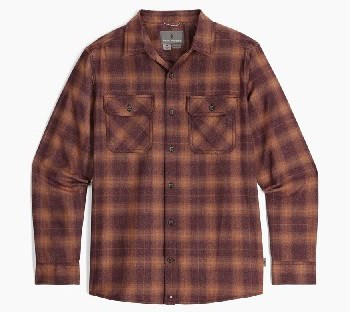
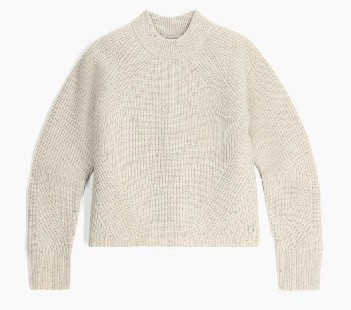
Royal Robbins, a pioneer in the "clean climbing" movement of the 1970s, remains a cornerstone of the industry. Their latest collections utilize the Higg Index to measure environmental impact, focusing on carbon neutrality. The Men’s Vogelsang Long Sleeve and Women’s Rockcraft Mock Neck utilize recycled polyester and 100% merino wool, respectively. Merino wool has seen a 15% increase in market share within the travel sector due to its natural odor resistance and moisture-wicking properties, which allow for multiple wears between washes.
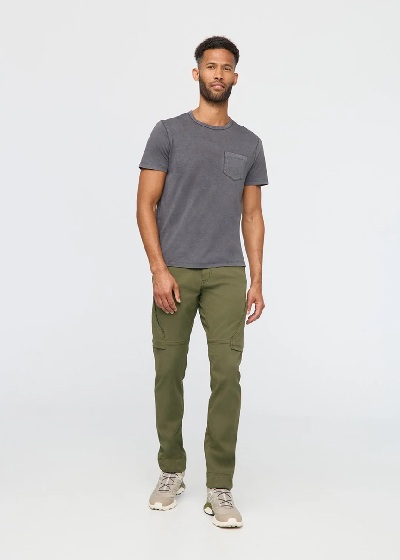
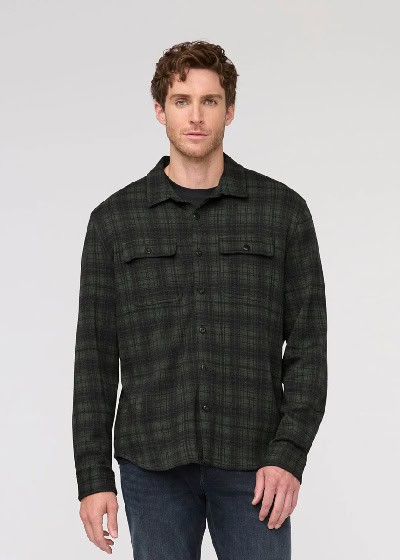
The Vancouver-based brand DUER has further bridged the gap between fashion and function. Founded by Gary Lenett, a veteran of Levi’s and Nike, the brand’s Live Free Adventure Pant incorporates antibacterial treatments and a signature gusset for maximum range of motion. This trend toward "stretch-everything" is mirrored by brands like Everyday California and Origin, the latter of which utilizes military-grade nylon yarn and body-heat-activated wrinkle release technology in its GTFO Travel Pant.
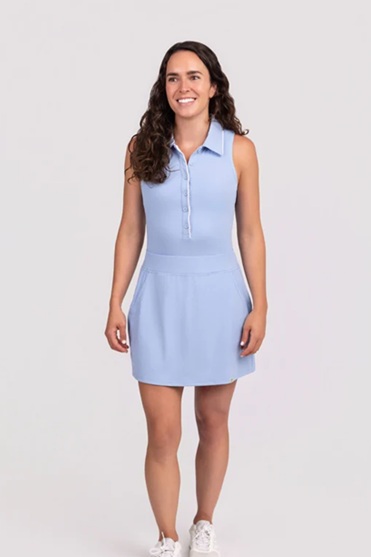
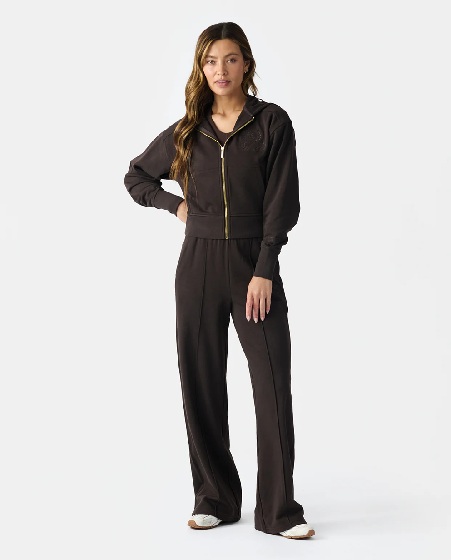
In the women’s performance sector, Honey Golf and Legends are redefining comfort through material science. The use of "TerryLux" knit fabrics and buttery-soft spandex with slimming compression allows for a seamless transition from long-haul flights to resort activities. Furthermore, outerwear specialists like RefrigiWear—originally founded in 1954 to provide insulated workwear for industrial environments—are now applying sub-zero insulation technology to consumer puffer jackets, catering to the growing "cool-cation" trend where travelers visit Arctic or alpine destinations to escape rising global temperatures.
Footwear Innovation: Orthopedics and Material Science
The footwear industry has seen a radical shift toward "maximalist" cushioning and "zero-drop" platforms. HOKA, which has become a dominant force in the athletic shoe market, has expanded its reach into the hiking sector with the Transport Hike GTX. This model utilizes a 30% sugarcane EVA midsole and a Vibram Megagrip outsole, reflecting a broader industry move toward bio-based foams.
Minimalist alternatives like Lems and SOLE are targeting the "barefoot" enthusiast. Lems’ Trail Blazer Hiking Shoes emphasize a wide toe box to allow for natural foot splay, while SOLE utilizes ReCORK technology—upcycled wine corks—to create sustainable, supportive footbeds. The collaboration between VEJA and Finisterre on the Fitz Roy Trek-Shell further highlights the trend of high-fashion meeting high-function, utilizing 100% recycled polyester and bio-sourced elements.
For specialized environments, the Xtratuff Legacy Boots remain the standard for maritime and high-moisture excursions, offering triple-dipped protection. Meanwhile, the Australian brand Merry People is gaining international traction with its FSC Certified rubber rain boots, proving that sustainable manufacturing can successfully compete in the luxury rainwear market.
Expedition Gear and Outdoor Utilities
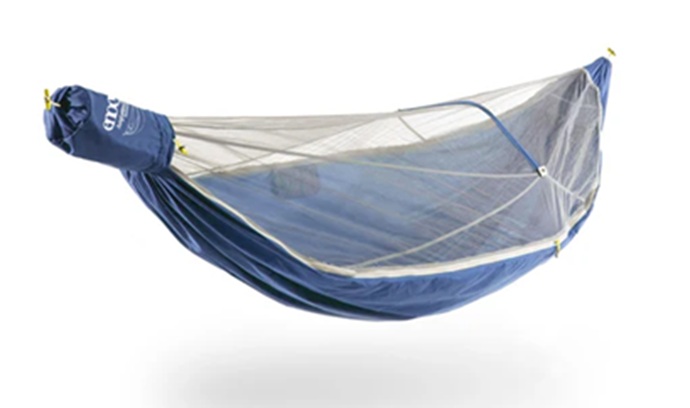
As national park attendance continues to rise globally, the demand for portable, high-performance outdoor gear has surged. The Eagle Nest Outfitters (ENO) JungleNest Hammock addresses two primary concerns of backcountry travelers: insect protection and weight. The integrated bug net and structural ridgeline represent an evolution in hammock camping, which is increasingly viewed as a viable, low-impact alternative to traditional tenting.
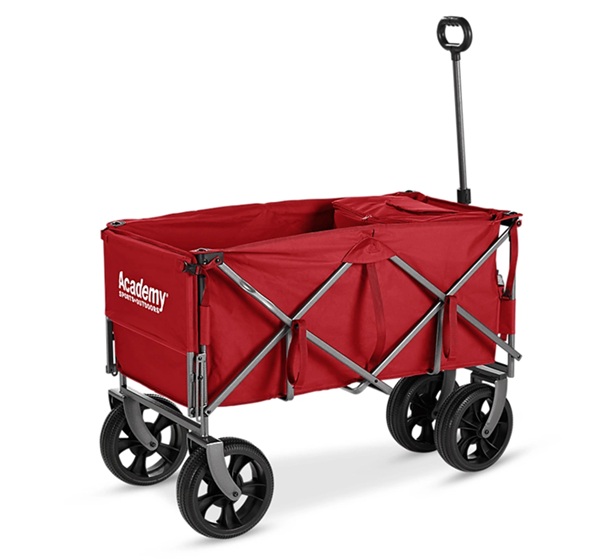
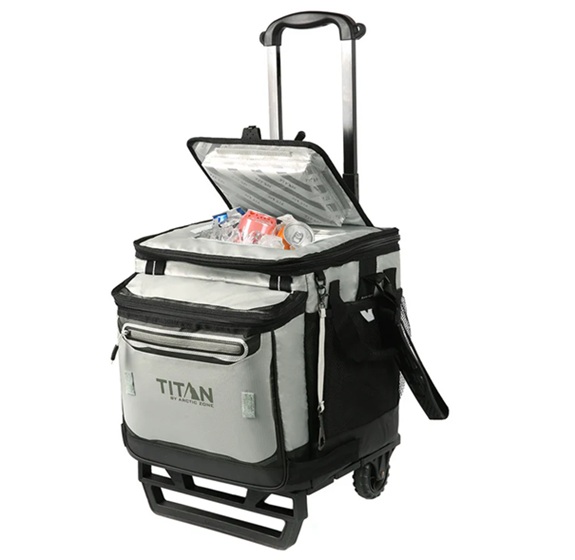
In the realm of portable utilities, the Academy Sports + Outdoors XL Folding Wagon has become an essential tool for "overlanding" and RV travel. With a 225-pound capacity and a drop-down tailgate, it reflects the growing "nomadic lifestyle" trend where travelers bring significant equipment to remote locations. Similarly, the Arctic Zone Titan 60-Can Wheeled Cooler utilizes "Deep Freeze" performance insulation to maintain ice for up to three days, a necessity for off-grid excursions.
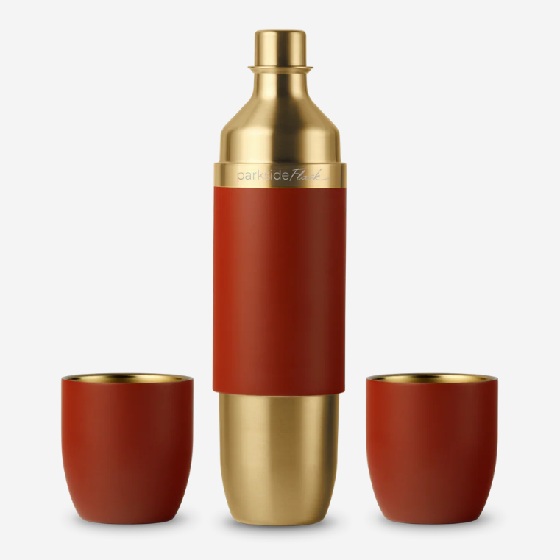
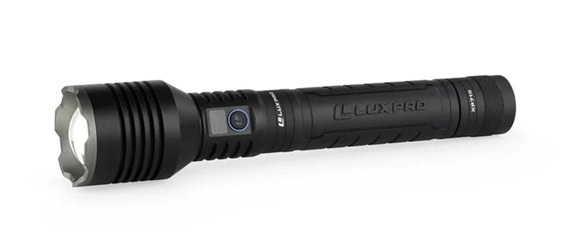
The illumination sector has also seen technological leaps. The LuxPro XP715 Pro Series DS Flashlight provides over 16,000 lumens and functions as a power bank, illustrating the "multi-tool" philosophy prevalent in modern gear design. For the social traveler, High Camp Flasks has patented the "PhantomLock" magnetic attachment system for their Parkside Flask, allowing for the secure transport of premium spirits in rugged environments.
Security, Tech, and the Digital Traveler
Security remains a paramount concern for international travelers in 2025. The rise of "morally challenged opportunism" in high-traffic tourist hubs has led to a boom in biometric security. The BenjiLock Outdoor Fingerprint Padlock, recognized as a significant innovation by industry analysts, eliminates the need for physical keys or combinations, utilizing a biometric sensor to store up to 10 unique fingerprints.
In the financial security sector, the Ekster Wallet Pro integrates RFID-blocking technology to prevent electronic pickpocketing. These "smart wallets" are now frequently paired with global tracking cards compatible with Apple and Android networks, allowing travelers to locate lost items via satellite.

For the "connected" traveler, the Backbone Pro transforms mobile devices into high-performance gaming consoles. As airlines expand in-flight Wi-Fi and 5G connectivity becomes more prevalent in remote areas, mobile gaming has become a primary entertainment source during extended transit. This device highlights the trend of "seamless tech," where a single smartphone serves as a camera, navigator, and entertainment hub.
Market Implications and Future Outlook
The curated selection of gear for the 2025-2026 season reveals a traveler who is more resilient, tech-savvy, and ethically conscious than in previous decades. The emphasis on "heirloom quality"—exemplified by the Custom Gifts Bring Joy woven blankets—suggests a pivot away from "fast fashion" and toward durable goods that carry sentimental value.
Industry experts anticipate that the next five years will see further integration of AI-driven logistics and even more advanced sustainable materials, such as lab-grown leathers and carbon-negative polymers. As international travel continues to navigate geopolitical and environmental shifts, the gear that supports these journeys will remain a critical component of the global economy, reflecting the enduring human desire for exploration and discovery. For the holiday shopper and the professional traveler alike, the 2025-2026 guide serves as a roadmap for navigating a world that is increasingly accessible yet technologically demanding.

