

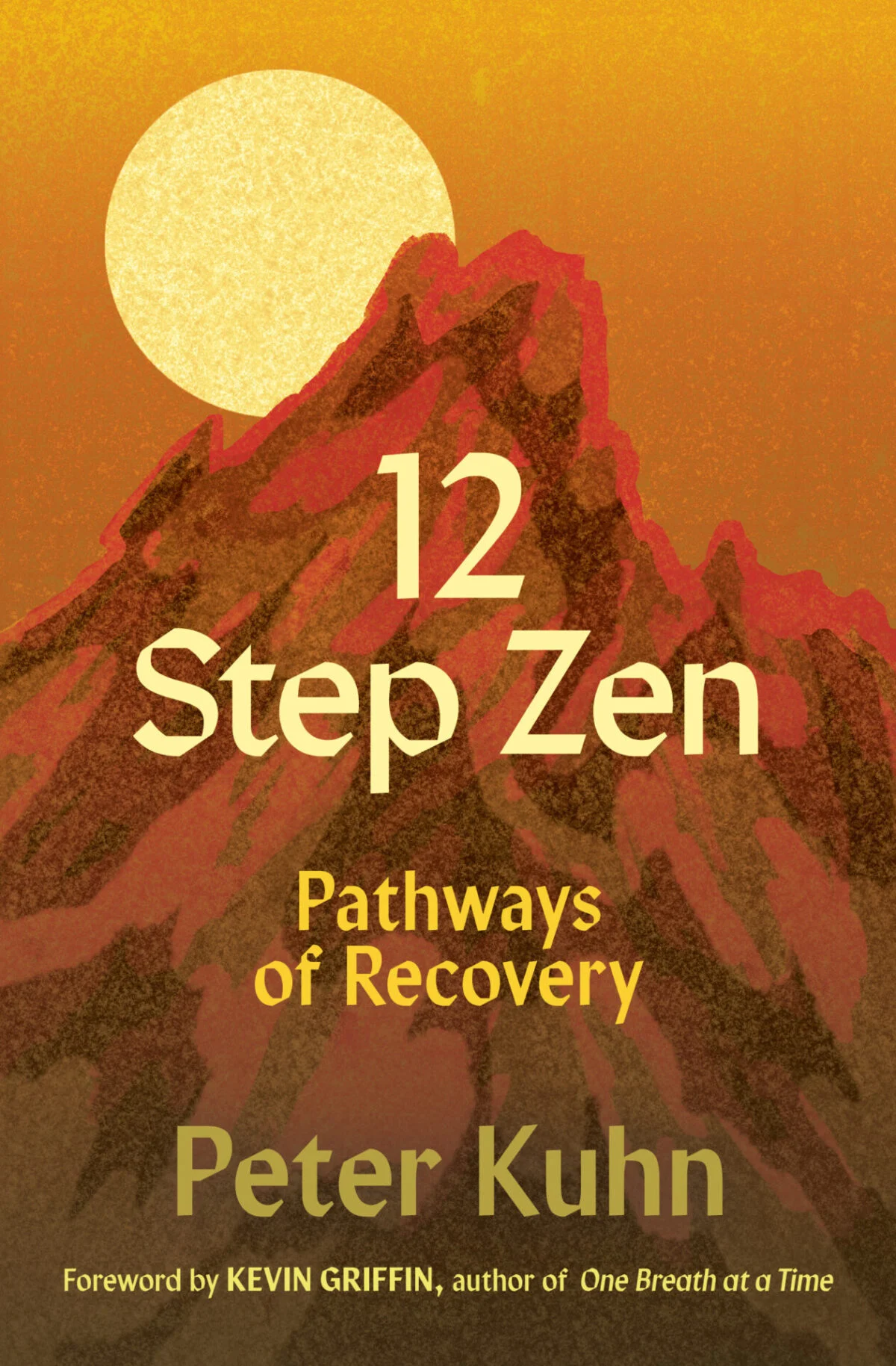
The journey from addiction to recovery is often a harrowing odyssey, marked by profound suffering and a relentless search for meaning. For some, this path is illuminated by the ancient wisdom of Buddhism, offering a framework for understanding and overcoming the cycle of craving and despair. This article explores how Buddhist principles, particularly mindfulness and the concept of surrender, can serve as powerful tools in the recovery process, drawing from a personal narrative of overcoming severe addiction.
Early Encounters with Addiction and the Seeds of Wisdom
The author’s descent into addiction began at a tender age. By ten years old, illicit substance use was a reality, quickly followed by legal troubles. Expelled from his second school by his early teens, he entered his first long-term rehabilitation program in 1968 at the age of fourteen. This early exposure to the world of addiction treatment, then in its nascent stages, offered a complex environment. The rehabilitation center, Synanon, provided a community of individuals grappling with addiction, alcoholism, and criminal behavior. While the author initially viewed his peers as "wise elders," his intention was not immediate abstinence but rather a deeper immersion into the mechanics of addiction, seeing it as a "trade school in advanced addiction."
Within this unconventional setting, the author encountered a diverse cast of characters and absorbed lessons in confidence games, criminal enterprises, and hustles. Simultaneously, he was exposed to a rich cultural and intellectual landscape, including the vibrant jazz scene and influential thinkers like Ralph Waldo Emerson and Henry David Thoreau. A pivotal connection was made with R. Buckminster Fuller, a visionary inventor and philosopher. Fuller, who shared his own history of alcoholism and suicidal depression, introduced the author to a worldview centered on "comprehensive anticipatory design science." This philosophy emphasized pattern recognition and problem-solving as fundamental to human existence.
Fuller’s perspective on life’s challenges resonated deeply. He articulated that the inherent problems facing humanity pointed towards a universal purpose: problem-solving. This insight, the author later recognized, mirrored core tenets of the Buddhist Noble Eightfold Path, specifically "right view" and "right mindfulness." In Buddhist philosophy, "right" is often translated as "wise," signifying a path toward well-being and freedom from suffering, rather than moralistic judgment. Right mindfulness, at its essence, is the practice of observing what we attend to and understanding where that attention leads. Right view, conversely, is the understanding that problems themselves can be gateways to solutions, a symbiotic relationship where problems and solutions define each other. The author recalls a moment where he attempted to impress Fuller with borrowed negativity, only to be gently guided toward the more challenging yet ultimately rewarding path of finding solutions. This encounter foreshadowed the profound connection between Buddhist teachings and the principles of recovery.
The Cycle of Suffering: Samsara and the Illusion of Happiness
The allure of drugs, for the author, was rooted in a perceived capacity for "emotional alchemy." They offered a temporary escape from difficult emotions and a distorted sense of well-being. This reliance on substances as a form of self-medication, however, was a perilous trade-off, leading to incarceration, illness, and eventual homelessness. The author describes his drug use as a desperate attempt to find happiness, an unalienable right, but ironically, his pursuit of this perceived happiness became the very engine of his suffering.
The concept of samsara, the Buddhist cycle of repeated suffering, vividly describes this pattern of addiction. It is an endless loop of wanting, obtaining, regretting, and repeating. The author’s narrative illustrates this vividly: a moment of resolve to abstain, followed by an encounter with another individual inebriated, which immediately triggers a relapse. This descent into relapse, despite conscious plans for abstinence, highlights the overwhelming power of addiction, where logical thought and mindful intention are overridden by compulsive desire. This phenomenon, where individuals repeatedly engage in the same destructive behaviors while expecting different outcomes, is a hallmark of addiction and a central theme in Buddhist teachings on the nature of suffering.
Step Zero: The Turning Point of Surrender
The path to recovery often hinges on a moment of profound reckoning, a "hitting bottom" that dissolves denial and forces a confrontation with the consequences of addiction. For the author, this pivotal moment arrived on January 5, 1986. The culmination of his addiction—living in his car with his possessions reduced to a bag of dirty clothes, a dull syringe, and a pistol—was a stark indicator of his state. Even at this nadir, a lingering illusion of control persisted.
The concept of "hitting bottom" is not monolithic; it manifests differently for each individual. It can be the physical pain of withdrawal, the loss of a job or relationship, legal entanglements, or, tragically, death. The author’s brother, Richard, also an addict, succumbed to suicide, a devastating consequence of unbearable pain. This loss, coupled with the author’s own dire circumstances, created a potent catalyst for change.
Sitting in his car, overwhelmed by dope sickness and despair, the author contemplated his pistol. This was not a moment of romanticizing the addict lifestyle, but a stark realization of its devastating reality. The pursuit of immediate relief, a hallmark of addiction, had consistently eclipsed the awareness of consequences, until the pain became unbearable. The author’s final robbery, a petty theft of oranges from a freeway off-ramp vendor, underscored the depths of his shame and fear.

In that car, holding the gun, a profound shift occurred. The overwhelming fear, loneliness, and despair that had driven his addiction began to transform. A primal will to live emerged, eclipsing the craving for temporary relief. In that instant, the author recognized the fundamental truth: drugs were not a solution, but the root cause of his suffering. This realization, a flicker of hope amidst the darkness, marked a turning point. The fear of forgetting this clarity, the insidious nature of addiction’s "forgetfulness" where euphoric recall masks the pain, became a potent motivator. He was nurturing mindfulness, not by escaping his suffering, but by fully inhabiting it. This embodied experience, turning toward the raw sensations of his body rather than away from them, represented a profound integration of mind and body, a concept echoed in the Buddha’s teachings on "mindfulness of body." This "Pinto moment," as he later termed it, became a powerful antidote to euphoric recall, linking the thought of using with the visceral memory of despair.
This profound moment of surrender, where the belief in drugs as a solution dissolved, is what the author identifies as "step zero"—the crucial threshold preceding genuine recovery. It is the clarity born of this surrender that informs a steadfast commitment to abstinence, transforming it from a feared loss into a source of liberation and joy.
Appropriate Attention: Cultivating a New Path
The profound insights gained in moments of crisis can fade with the return to daily life. The author’s journey highlights the need for sustained practice to keep these realizations alive. In the context of recovery, the Twelve-Step program offers a structured approach, which the author likens to the Buddhist practice of "appropriate attention."
Surrender, often misconstrued as defeat, is in the context of Zen and recovery, a powerful act of letting go—a choice to act from awareness rather than reactive conditioning. This softening of rigid views allows for a new perspective to emerge. The author’s desperation, once the fuel for his addiction, transformed into the "gift of desperation," nourishing his commitment to stay clean "no matter what." This newfound teachability, born from hitting bottom, led him to embrace the guidance offered in recovery meetings with an insatiable hunger.
The emphasis on prioritizing the recovery program, attending meetings, securing a sponsor, and daily study, initially felt like trading one dependency for another. However, the author came to understand this as the practice of "appropriate attention"—the ability to discern what nurtures recovery and what pulls one away. This process is analogous to following the breath in meditation, anchoring one’s awareness to the present moment and the unfolding experience of recovery.
The analogy of replacing rotten wooden pegs in a structure with new ones perfectly illustrates the process of recovery. Addiction creates a vacuum, a void that old habit energies can easily re-enter. Recovery, through practices like the Twelve Steps and mindfulness, provides new pegs, replacing old ways of thinking and living with healthier alternatives. This commitment, undertaken as if one’s life depended on it—which, in essence, it did—is the bedrock of sustained sobriety.
Happiness, the author observes, is not a static state but a dynamic experience that can be cultivated through mind training, or appropriate attention. Even amidst grief, illness, or injustice, the capacity to recognize and nurture seeds of joy exists. This understanding aligns with the Buddhist notion that happiness is not solely dependent on external circumstances. As his teacher, Thich Nhat Hanh, suggested, sometimes happiness arises from a smile, and sometimes a smile is the result of happiness. Similarly, in recovery, simple acts of abstinence and conscious breathing can generate profound feelings of well-being.
Reactions, the author notes, can escalate rapidly, creating self-perpetuating loops of suffering. A single moment can be amplified into an entire narrative, turning a snapshot into an endless movie of distress. Mindfulness and appropriate attention, however, restore the capacity to respond rather than react. By loosening the grip of rigid thinking and embracing afflicted states with awareness, spaciousness returns, and choice becomes possible. The Twelve Steps, like mindfulness meditation, train awareness and discernment, softening negativity and transforming challenging emotions into catalysts for growth. The true freedom in recovery is not found in controlling triggers, but in recognizing and showing up for one’s inner experiences, allowing for healing and transformation.
The author’s journey, intertwined with Buddhist principles, underscores the profound potential for liberation inherent in acknowledging suffering, embracing surrender, and cultivating mindful attention. This integrated approach offers a powerful pathway to sustained recovery and a life imbued with genuine happiness.

