

A growing body of scientific research is investigating whether certain foods can counteract the immediate negative effects of consuming unhealthy meals, particularly on arterial function. While avoiding detrimental foods is paramount, studies suggest that incorporating specific dietary components, such as berries and nuts, or adopting a vegetarian lifestyle, may offer a degree of protection against the transient impairment of blood vessel elasticity. This exploration delves into the scientific evidence, examining how different food groups impact vascular health and the implications for public health recommendations.
The Superiority of Vegetarian Diets in Arterial Health
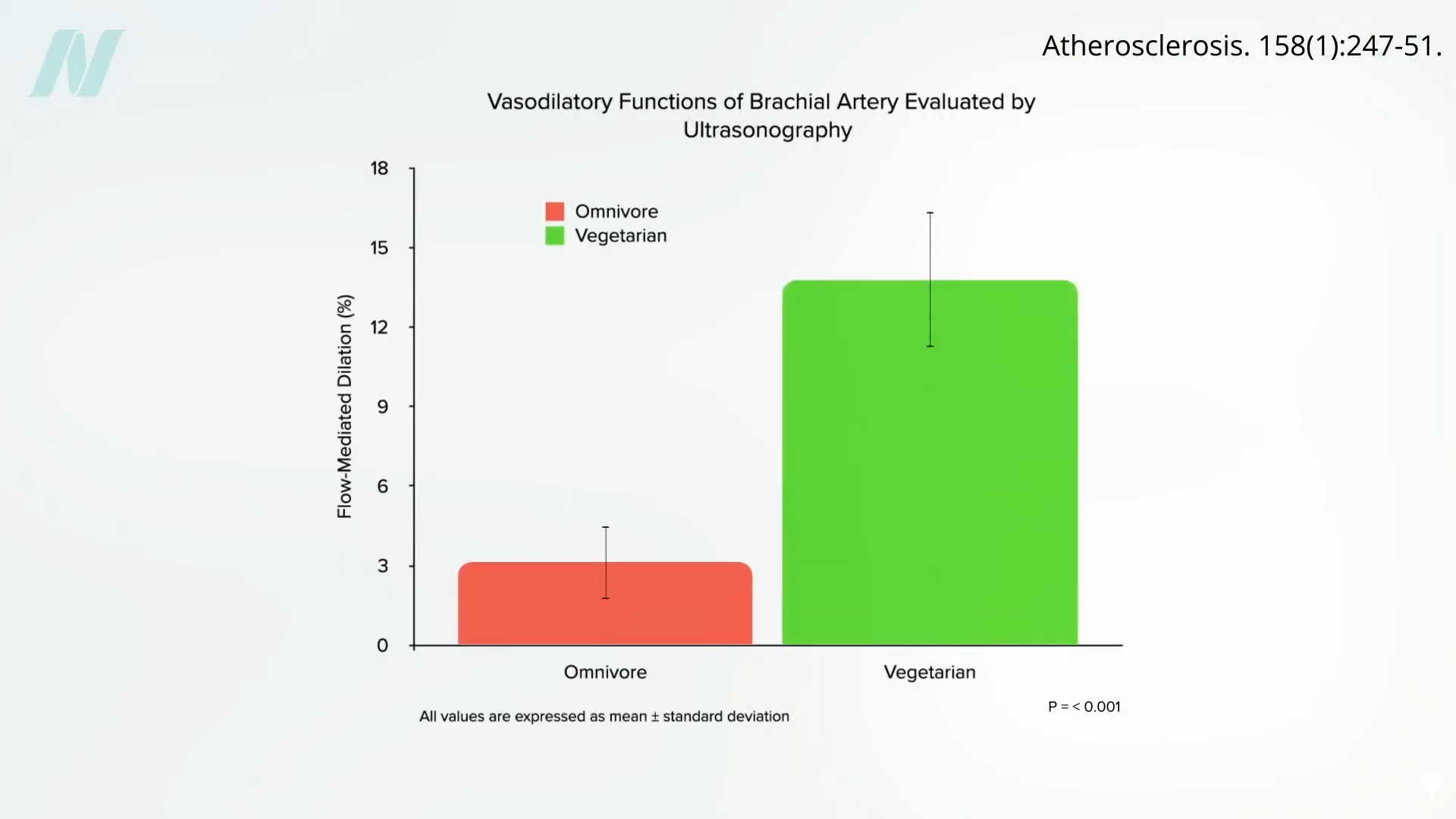
Extensive research has consistently demonstrated a significant difference in arterial function between vegetarians and meat-eaters. A landmark study, analyzed and presented in various scientific forums, compared the endothelial function—the ability of arteries to dilate and allow for increased blood flow—in these two dietary groups. The findings were stark: vegetarians exhibited artery function that was approximately four times better than their meat-eating counterparts.
This compelling difference persisted even after researchers meticulously controlled for numerous confounding factors. While it is acknowledged that vegetarians often exhibit healthier lifestyle habits, such as lower rates of smoking, obesity, diabetes, high cholesterol, high blood pressure, and heart disease, the study rigorously accounted for these variables. Participants were carefully selected to include only healthy, non-smoking individuals. Furthermore, a cohort of omnivores was recruited who were matched for slimness, blood pressure, and cholesterol levels. Despite these stringent controls, the vegetarians consistently displayed superior arterial function.
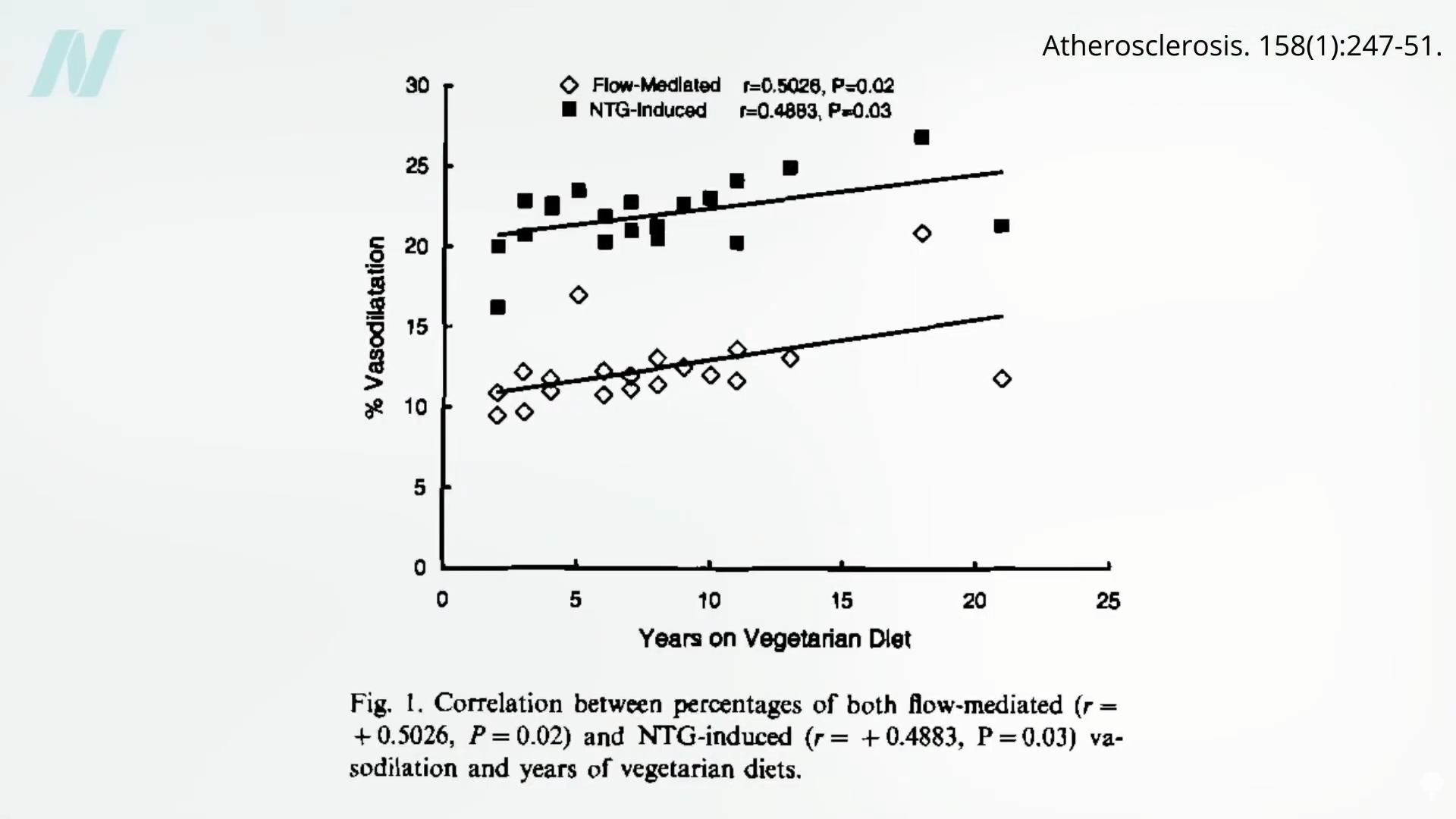
Intriguingly, the duration of a meat-free diet appeared to correlate directly with the degree of arterial health. The longer individuals abstained from meat consumption, the better their artery function became. Rather than experiencing a decline in vascular elasticity with age, those on vegetarian diets saw improvements in their arterial function over time. This suggests that vegetarian diets, independent of other lifestyle factors, exert a direct beneficial influence on the circulatory system, potentially explaining the lower incidence of atherosclerosis and cardiovascular mortality observed in vegetarian populations.
The prevailing hypothesis attributes this protective effect to the food itself. Researchers posit that it is either the absence of the detrimental components found in meat or the increased consumption of nutrient-dense, whole plant foods that confers these benefits. For instance, studies indicate that vegetarians may consume, on average, an additional serving of vegetables daily, contributing a wealth of antioxidants and fiber that are crucial for vascular health.
The Impact of Specific Foods on Arterial Function
Beyond the broad strokes of dietary patterns, scientific inquiry has also focused on the acute effects of specific foods and food components on arterial function. Studies have compared the impact of notoriously unhealthy meals with those containing potentially protective elements.
One notable comparison involved a high-fat, processed meal (an Egg McMuffin, Sausage McMuffin, and hash brown patties) versus a high-sugar meal (Frosted Flakes). The research revealed that the fatty fast-food meal significantly impaired artery function within hours. While the sugary cereal meal did not elicit the same immediate negative response, the researchers attributed the impairment to animal fat. This distinction is crucial, as high-fat whole plant foods, such as nuts, have not been shown to induce the same detrimental effects. In fact, a comprehensive systematic review of randomized controlled trials on nut consumption indicates that regular intake of nuts leads to significant improvements in arterial function over time.
The question then arises: can nuts counteract the artery-crippling effects of less healthy choices? Research has explored this, with findings suggesting that some nuts may offer more protection than others. For example, walnuts have demonstrated the ability to mitigate the negative impact of a salami sandwich, whereas almonds did not show the same protective effect in one study. This highlights the variability in the beneficial properties of different nuts, akin to how some fruits offer more advantages than others.
Berries: A Powerhouse for Arterial Health
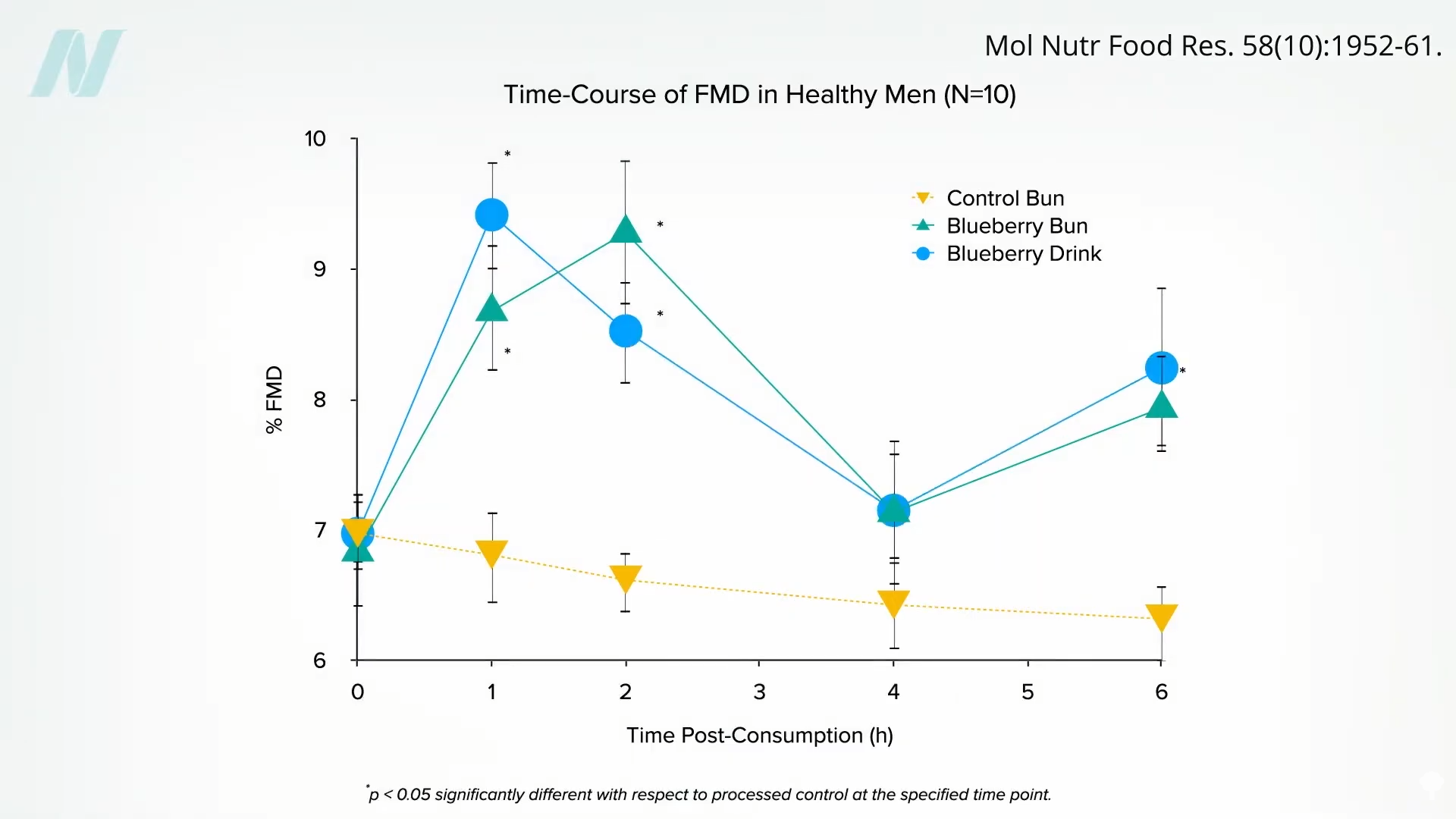
Berries, particularly blueberries and raspberries, have emerged as significant contenders in the quest for foods that can protect arterial function. Studies on blueberries have shown remarkable results. In one experiment, participants consumed buns made with unhealthy ingredients (white flour, eggs, butter, salt, sugar, and eggs). This meal led to a gradual decline in artery function over six hours. However, when the equivalent of a cup of wild blueberries was added to the same bun, there was a substantial boost in artery function, suggesting a potent counteracting effect. This phenomenon was observed to a similar degree as if the blueberries had been consumed with water, underscoring their inherent vascular benefits.
While strawberries have also been investigated, their ability to offset the damage from a particularly indulgent meal—consisting of two cheese blintzes, whipped cream, sugary syrup, egg, and bacon—was not as pronounced. This suggests that the sheer caloric and fat load of such a meal may overwhelm the protective capacity of even nutrient-rich foods.
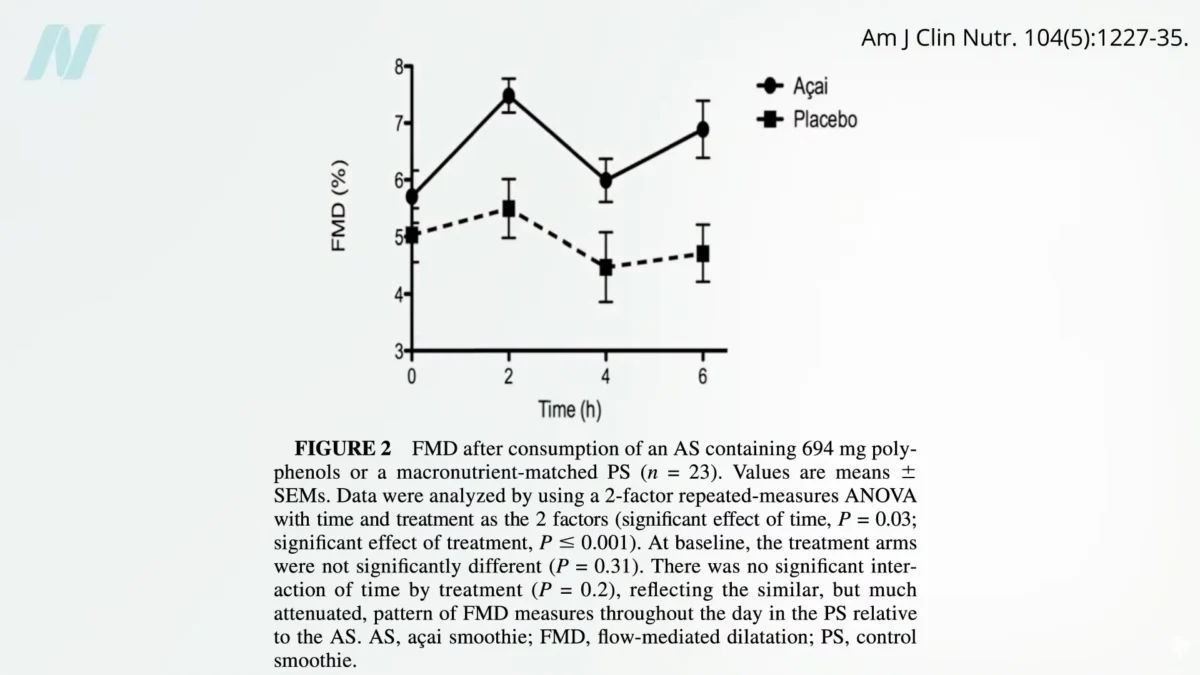
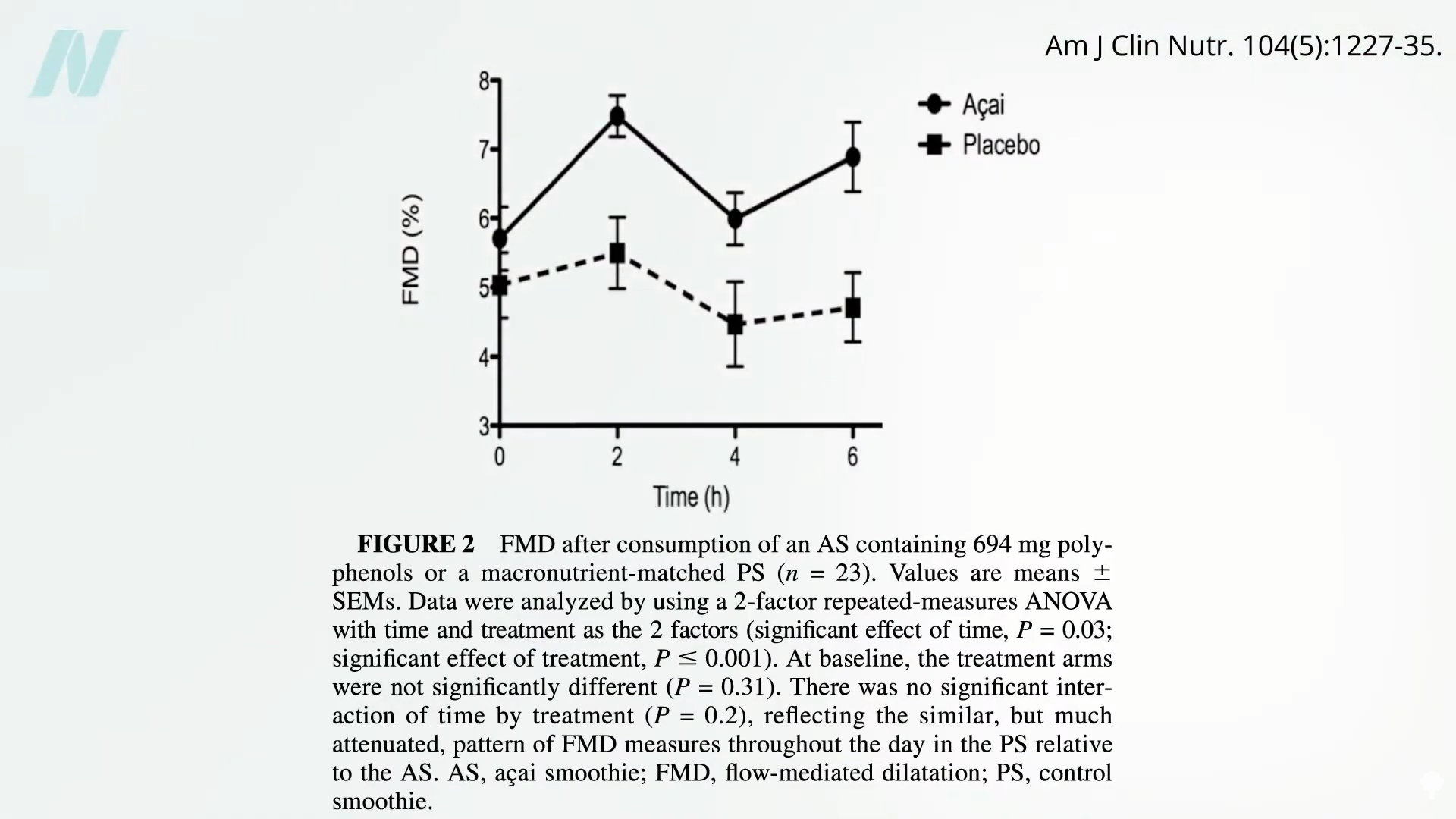
Acai berries have also shown promise. A study comparing an acai berry smoothie against a control smoothie with similar fat content found that the acai berry concoction significantly rehabilitated arterial function. Even when the control smoothie was colored to mimic the acai version, the authentic berry blend demonstrated superior vascular benefits.
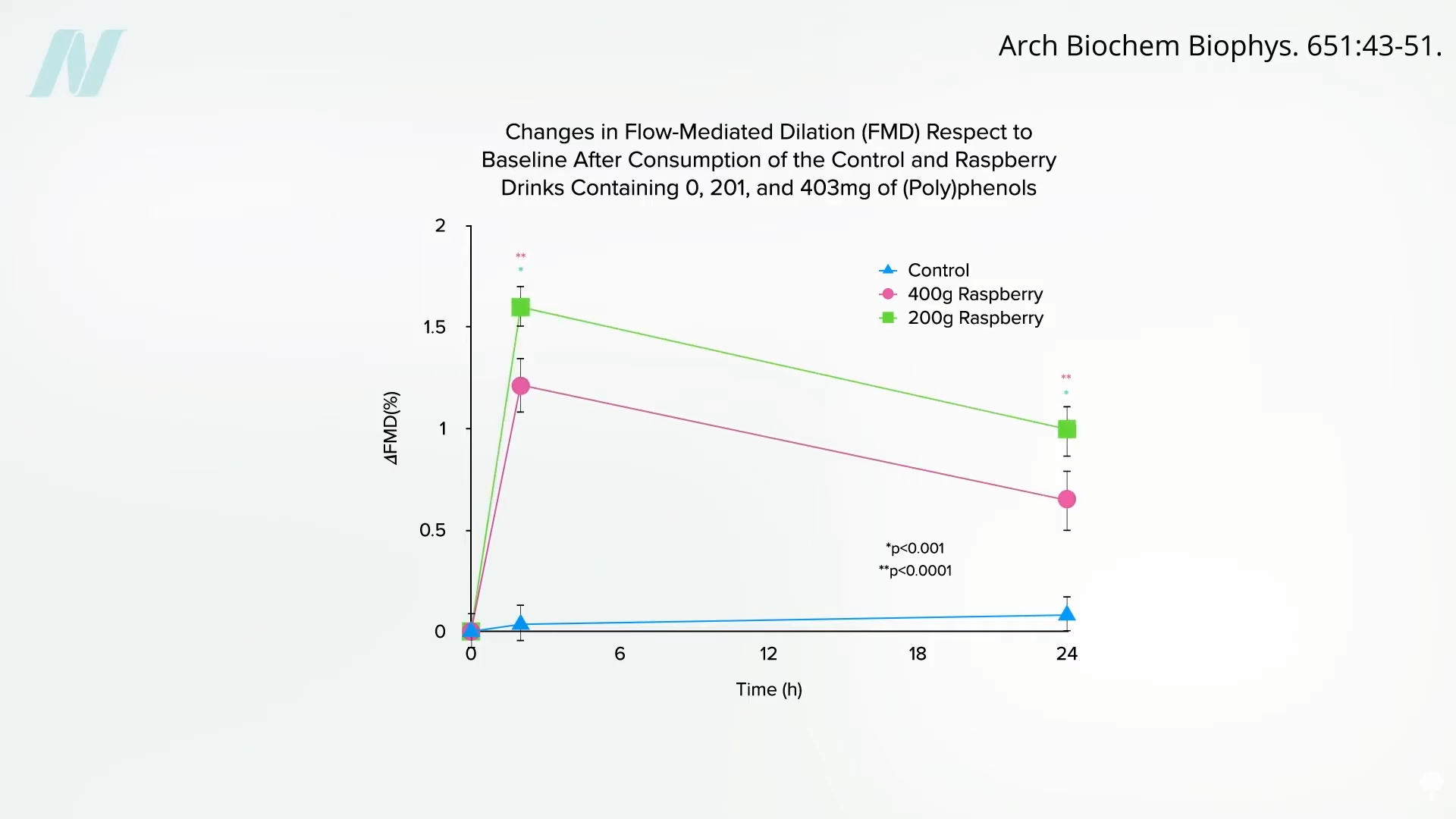
Raspberries have further solidified their reputation as artery protectors. A double-blind, randomized, controlled trial investigated the impact of raspberry smoothies on arterial function. Participants who consumed raspberry smoothies experienced improvements in their vascular elasticity for up to 24 hours, with even a moderate dose proving effective. While the immediate percentage increase in artery function might seem modest, the long-term implications at a population level are substantial. Each 1% increase in arterial function is associated with a significant reduction in the risk of cardiovascular events like heart attacks and strokes.
The Nuances of Berry Juices and Other Beverages
The benefits of berries appear to extend to their juices, though the concentration matters. Studies on cranberry juice have shown that higher concentrations yield more pronounced and longer-lasting improvements in artery function. While a 25% concentration provided a modest bump, a 50% concentration maintained its positive effects for eight hours, and even higher concentrations demonstrated significant benefits within hours of consumption.
However, the efficacy of berry juices in counteracting the effects of a high-fat meal is less clear. One study involving a mixed berry cocktail (grapes, blueberries, strawberries, lingonberries, and black aronia berries) did not show significant improvement after a high-fat meal. While consuming berries alone is beneficial, their ability to fully negate the impact of a severely unhealthy meal requires further investigation.
The impact of other beverages on arterial function following a high-fat meal has also been examined. Orange juice, green tea, and red wine were tested alongside water as accompaniments to ham and cheese croissants. In this scenario, orange juice proved ineffective in mitigating the negative arterial response. Intriguingly, drinking orange juice with a fatty meal could potentially exacerbate the situation. Research suggests that the body preferentially burns the rapidly absorbed free sugars from juice, leading to a prolonged period of elevated blood fat levels. This is in contrast to whole fruits, where sugars are encased in cell walls, leading to a more gradual absorption.
Broader Implications for Public Health and Dietary Guidance
The scientific evidence presented underscores a critical point: while avoiding unhealthy foods remains the primary strategy for maintaining cardiovascular health, certain dietary choices can help mitigate some of the immediate negative consequences of occasional indulgences. The superior arterial function observed in vegetarians, coupled with the specific protective benefits of berries and nuts, provides valuable insights for public health messaging and individual dietary planning.
The findings challenge a simplistic view of nutrition, suggesting that the interplay between different food components is complex. The absence of harmful elements, as seen in vegetarian diets, appears to be as crucial as the presence of beneficial ones, such as the antioxidants and phytochemicals found in berries and nuts.
The research also highlights the importance of the form in which nutrients are consumed. Whole fruits, with their intact cellular structures, offer distinct advantages over juices, where sugars are more readily absorbed. This distinction is vital when considering the overall metabolic impact of food choices.
Doctor’s Note: This exploration into the protective effects of food on arterial health is part of a broader discussion on the impact of diet on well-being. Previous discussions have delved into how single meals can negatively affect arteries and lungs, and whether exercise can counteract the effects of high-fat meals. The ongoing research in this field provides a compelling argument for adopting a diet rich in whole, plant-based foods, with a particular emphasis on berries and nuts, to promote long-term cardiovascular health and resilience. Further investigation into the synergistic effects of these foods and their role in mitigating the impact of various unhealthy food choices is warranted.

