

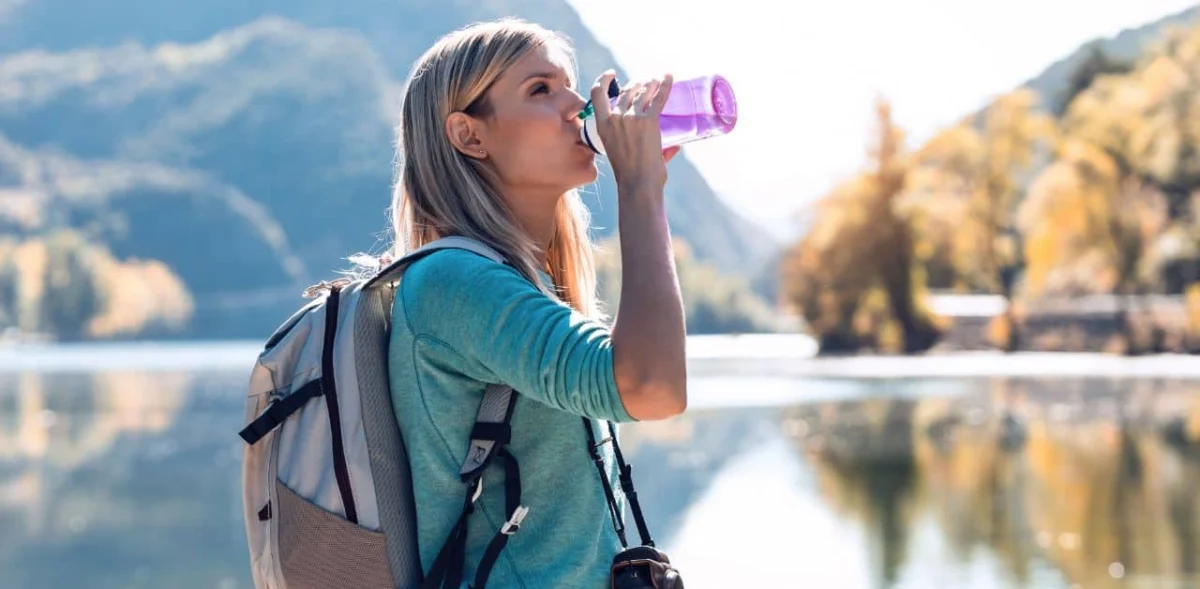
The Biological Reality of Water Safety
The perception that tap water in developing nations is inherently "dirty" is often a simplification of a more nuanced biological reality. Public health experts note that the safety of drinking water is frequently relative to the consumer’s existing gut microbiome. While local populations may have developed immunity to specific regional microorganisms, travelers often lack the necessary antibodies to process foreign bacteria, viruses, and parasites.
Common pathogens found in untreated or inadequately treated water include Escherichia coli (E. coli), Giardia duodenalis, and Cryptosporidium. According to the World Health Organization (WHO), contaminated drinking water is estimated to cause 485,000 diarrheal deaths each year globally. For the traveler, even a "mild" case of traveler’s diarrhea can derail a planned itinerary, while more severe infections like typhoid fever or hepatitis A can lead to long-term health complications. The risk is not solely in the water itself but in the standards of the infrastructure—ranging from the source of the water to the integrity of the pipes and the consistency of the chlorination process.

Global Standards: Where the Tap is Safe
The Centers for Disease Control and Prevention (CDC) and the WHO maintain rigorous databases monitoring the safety of municipal water supplies worldwide. In these regions, the water treatment processes are generally considered equivalent to or exceeding those found in the United States and Canada.
North America and Europe
In North America, the United States and Canada maintain high standards through the Safe Drinking Water Act and similar provincial regulations. In Europe, the European Union’s Drinking Water Directive sets strict quality standards for all member states. Countries such as Switzerland, Norway, and Austria are frequently cited as having some of the highest-quality tap water in the world, often sourced directly from alpine springs and treated with minimal chemical intervention. Other safe destinations include the United Kingdom, Ireland, France, Germany, Italy, Spain, and the Scandinavian nations.
Asia and Oceania
In Asia, the list of countries with safe tap water is more exclusive, reflecting the rapid but sometimes uneven pace of industrial development. Travelers can confidently drink from the tap in Japan, South Korea, Hong Kong, Singapore, and Israel. In Oceania, Australia and New Zealand maintain stringent water quality protocols that make bottled water unnecessary for health reasons.

Regions Requiring Caution and Purification
Conversely, vast portions of the globe still struggle with providing potable water through municipal systems. This is often due to a combination of rapid urbanization, lack of investment in filtration technology, and environmental contamination from industrial or agricultural runoff.
In Mexico, Central America, and South America (including Brazil, Peru, and Colombia), the CDC generally advises against drinking tap water. The same caution applies to the majority of Africa and large swathes of Asia, including China, India, and Southeast Asian tourist hubs like Thailand and Vietnam. In these regions, the risk of contamination remains high even in luxury hotels, as the internal plumbing may not be sufficient to prevent the ingress of pathogens from the main municipal lines.
Experts also warn that the danger extends beyond a glass of water. Ice cubes, often overlooked, are frequently made from tap water. Similarly, raw vegetables and fruits washed in local water can carry enough bacteria to cause illness. In these "high-risk" zones, the reliance on bottled water has historically been the default recommendation, though this is increasingly being challenged by sustainable technology.

The Environmental Cost of the "Safe" Choice
The environmental impact of choosing bottled water over tap is staggering. Recent data from the Organization for Economic Co-operation and Development (OECD) indicates that global plastic waste has more than doubled in the last two decades, with only 9% successfully recycled. Single-use water bottles are a primary contributor to this statistic.
The lifecycle of a plastic bottle begins with the extraction of fossil fuels, as most bottles are made from polyethylene terephthalate (PET). The production process releases significant carbon emissions, and the transportation of bottled water across the globe further inflates the carbon footprint of the industry. Once discarded, these bottles often end up in landfills where they take up to 450 years to decompose. More alarmingly, millions of tons of plastic enter the oceans annually, where they break down into microplastics that enter the food chain and cause irreparable harm to marine ecosystems.
For the eco-conscious traveler, the irony is often palpable: the very natural beauty they travel to see—whether it be the beaches of Bali or the mountains of Peru—is being degraded by the plastic waste generated by the tourism industry.

A Chronology of Purification Technology
The transition from "bottled water or bust" to sustainable travel has been fueled by a decade of rapid innovation in portable water purification.
- The Chemical Era: In the late 20th century, travelers relied heavily on iodine or chlorine tablets. While effective against most bacteria, they were often criticized for the chemical aftertaste and their inability to kill certain protozoan cysts like Cryptosporidium.
- The Filtration Boom: The early 2000s saw the rise of portable mechanical filters. Using hollow fiber membranes, devices like the "LifeStraw" or "Sawyer Squeeze" allowed travelers to filter out 99.9% of bacteria and parasites. However, these filters were generally unable to remove smaller viruses.
- The UV Revolution: The introduction of portable Ultraviolet (UV) light devices, such as the SteriPen, marked a significant shift. UV light destroys the DNA of pathogens, including viruses, without changing the taste of the water.
- The Integrated Purifier: The current "gold standard" involves integrated press-style purifiers (such as those by Grayl). These devices combine mechanical filtration with electro-adsorption and activated carbon to remove bacteria, parasites, viruses, heavy metals, and chemicals in a single process.
Analysis of Implications for Sustainable Tourism
The shift toward personal water purification represents a broader trend in "responsible travel." Governments in high-traffic tourist areas are beginning to take note. For example, San Francisco International Airport banned the sale of single-use plastic water bottles in 2019, and similar initiatives are being considered in national parks and island destinations worldwide.
From an economic perspective, the investment in a high-quality reusable bottle and purification system (averaging $70 to $100) often pays for itself within a single multi-week trip. In many developing nations, a liter of bottled water can cost between $1 and $3 in tourist zones; over time, the cumulative cost to the traveler is significant, while the cumulative cost to the local environment is devastating.

Furthermore, there is a growing movement toward "water refilling stations." Apps like Refill My Bottle and Tap have mapped out thousands of locations globally—from cafes to temples—where travelers can refill their reusable bottles for free or a nominal fee, ensuring the water has been properly filtered.
Strategic Recommendations for Travelers
To navigate the complexities of water safety abroad, a structured "water plan" is recommended for every international itinerary:
- Pre-Trip Research: Consult the CDC’s "Yellow Book" for the specific water safety profile of the destination.
- Infrastructure Assessment: Understand that safety can vary within a country. While tap water might be safe in a capital city, it may not be in rural provinces.
- Tool Selection: Choose a purification method based on the destination’s specific risks. If viruses are a concern (common in areas with poor sewage treatment), a purifier is necessary over a standard filter.
- The "Toothbrush Rule": In high-risk areas, use bottled or purified water even for brushing teeth, as mucosal membranes in the mouth can provide an entry point for pathogens.
- Culinary Vigilance: Avoid "high-moisture" foods that cannot be peeled or cooked, such as salads, unless the establishment confirms the use of purified water in the kitchen.
The choice between tap and bottled water is no longer a simple binary of "sick vs. healthy." It is a choice between convenience and conservation. As global infrastructure improves and purification technology becomes more accessible, the necessity of the plastic bottle is rapidly diminishing, allowing travelers to protect their health while preserving the destinations they visit.

