

The question of whether individuals who consume nuts live longer primarily due to their replacement of animal protein with plant-based protein is a complex one, often entangled with the methodologies and funding of nutrition research. At the heart of this debate lies The American Journal of Clinical Nutrition, frequently cited as the highest-ranked peer-reviewed scientific journal in nutrition and dietetics. However, a closer examination of its affiliations reveals a landscape shaped by influential industry partners, including The Sugar Association, major soda companies, and the meat, dairy, and egg industries. This intricate web of support raises critical questions about the objectivity of published research, particularly concerning studies that appear to downplay the health risks associated with certain food groups.
Questionable Research on Red Meat and Cardiovascular Health
A prime example of this potential conflict of interest emerged with the publication of an article in The American Journal of Clinical Nutrition that controversially claimed eating red meat “does not negatively influence cardiovascular disease risk factors.” This finding, published by an institution whose sustaining partners include the National Cattlemen’s Beef Association, prompted significant scrutiny. The article purported to be a meta-analysis of randomized controlled trials, aiming to demonstrate that increased red meat consumption did not adversely affect cholesterol or blood pressure.
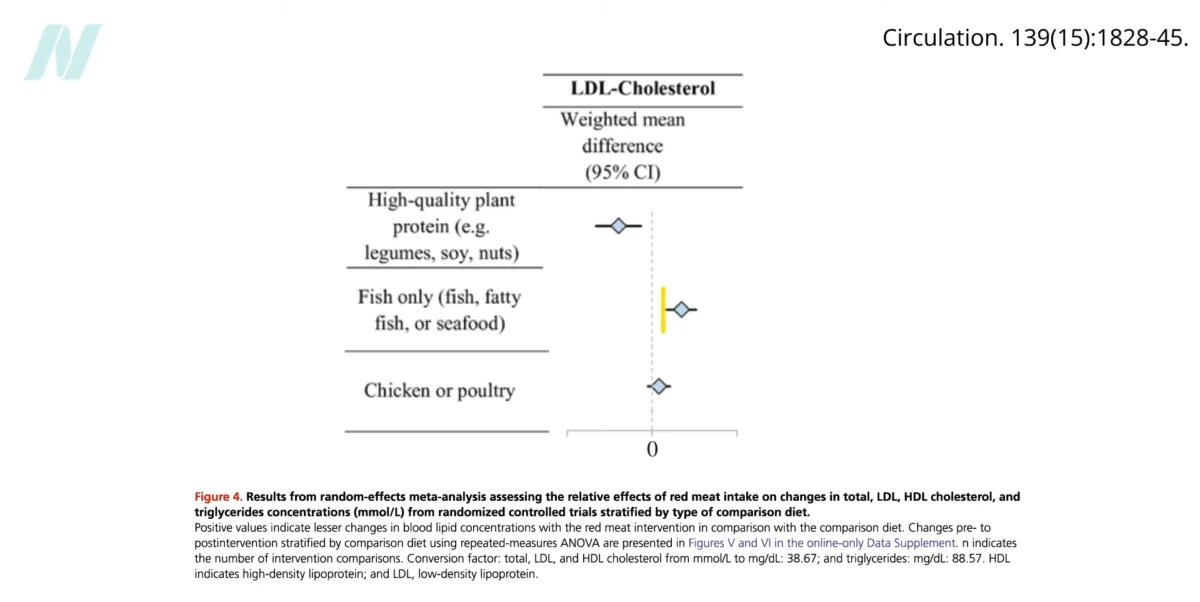
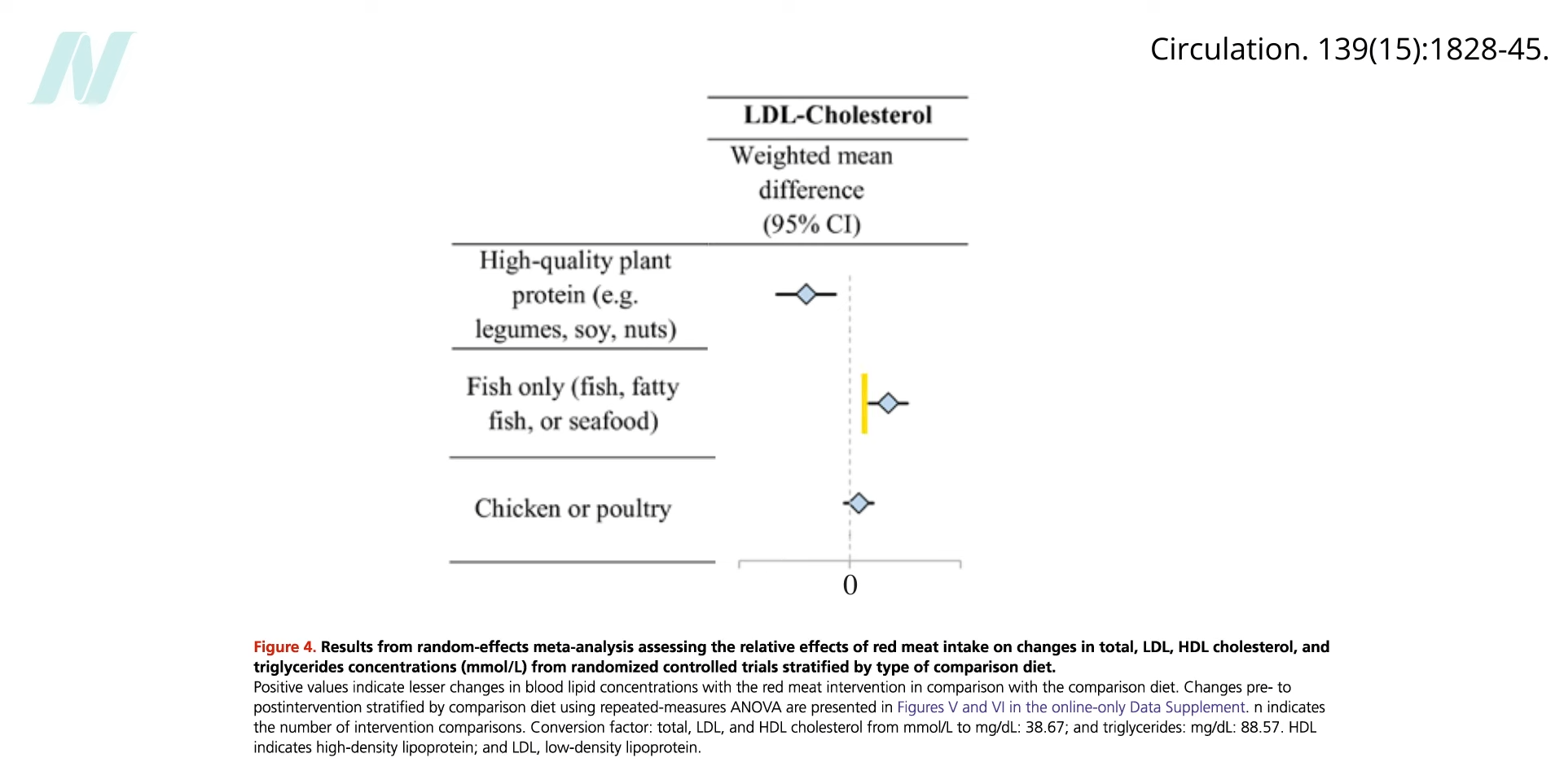
Drs. Neal Barnard and Walter Willett, in their editorial titled “The Misuse of Meta-analysis in Nutrition Research,” pinpointed a critical methodological flaw in the original study. They posed the crucial question: “Compared with what?” Their analysis revealed that of the 39 trials included in the meta-analysis concerning LDL cholesterol, nearly 90% involved comparisons where red meat was merely swapped for other types of meat, such as white meat (chicken or turkey). This means that participants assigned to consume more red meat were often simply switching from one animal protein source to another, rather than reducing their overall intake of animal products or adopting a truly plant-based diet.
The "Swapped Meats" Tactic and its Implications
The researchers in the disputed meta-analysis, as noted by Barnard and Willett, frequently used control diets that consisted of chicken or fish. This practice is problematic because, as established by other research, the impact of consuming beef on cholesterol levels can be as detrimental as that of fish or poultry. By comparing red meat to other animal proteins, the study effectively masked the potential negative effects of red meat by setting a low bar for comparison.
This tactic is akin to a study claiming that total Twinkie consumption does not negatively impact health risk factors by switching Twinkies for Ding Dongs. In such a scenario, participants randomized to consume zero Twinkies might still be consuming a comparable amount of processed, sugary snacks, leading to similar health outcomes. This approach mirrors a classic strategy employed in the pharmaceutical industry, where a new drug is tested against a known ineffective or harmful alternative to make the tested drug appear more favorable.
The Protective Power of Plant-Based Protein
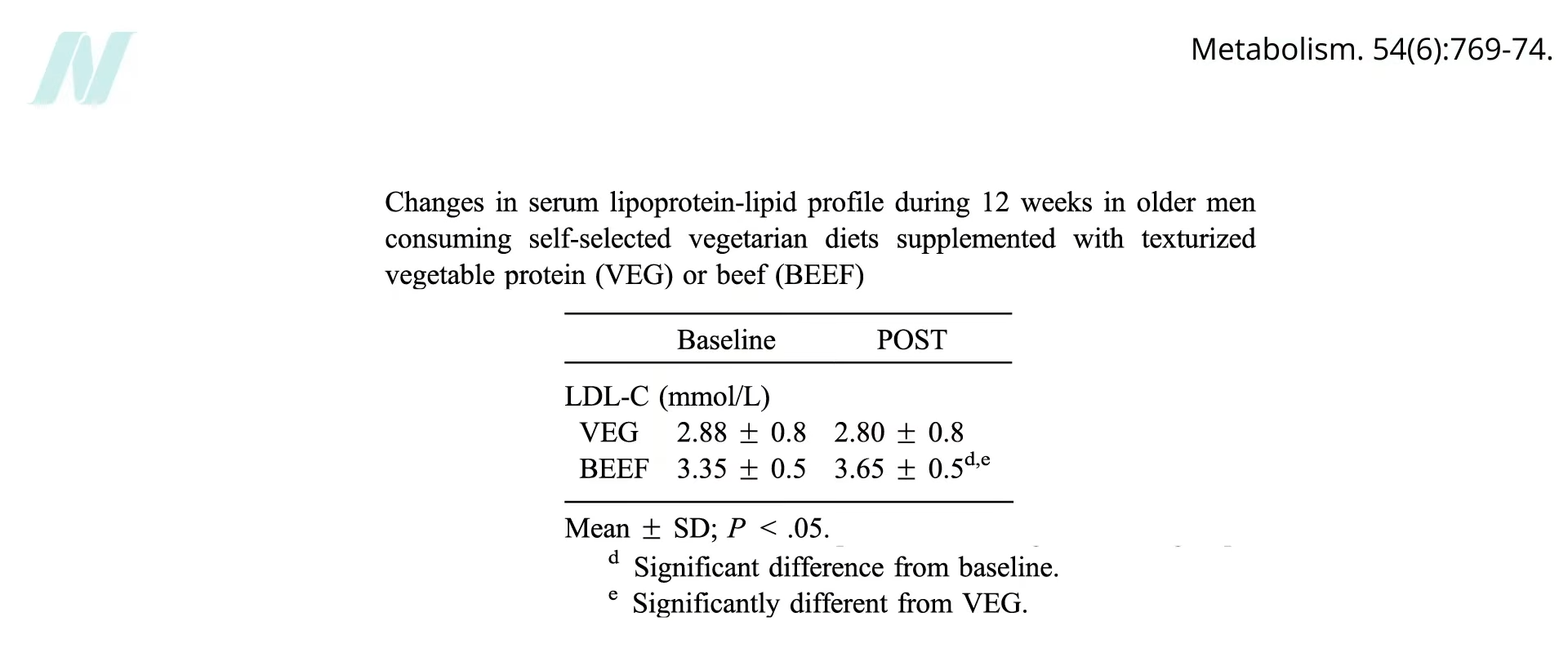
In stark contrast, when meat is replaced with plant-based alternatives—such as plant-based sausages, chicken patties, or veggie dogs—studies consistently show significantly lower cholesterol levels. This finding is illustrated by data, as presented in a video by NutritionFacts.org, demonstrating a clear reduction in cholesterol when plant-based meats are consumed.
The reduction in saturated fat content in plant-based meats is a contributing factor. However, research indicates that the benefits extend beyond just saturated fat. Studies have shown that even independent of saturated fat content, consuming red meat or white meat, in any form, leads to higher LDL cholesterol levels compared to non-meat protein sources. This supports the conclusion that a high proportion of plant-based foods in the diet is a key recommendation for cardiovascular health.
A Comparative Analysis of Protein Sources and Cholesterol
Further analysis of various protein sources reveals a hierarchy of impact on cholesterol. While plant-based meats offer an improvement over animal meats, the comparison of different animal proteins themselves also yields important distinctions. White meat, such as chicken and turkey, appears to be as detrimental to cholesterol levels as red meat. Fish may even be worse, although some studies have attempted to standardize saturated fat content by adding ingredients like butter, which can skew results. However, at comparable saturated fat levels, fish consumption has been shown to be worse for cholesterol than beef, and chicken is on par with beef.
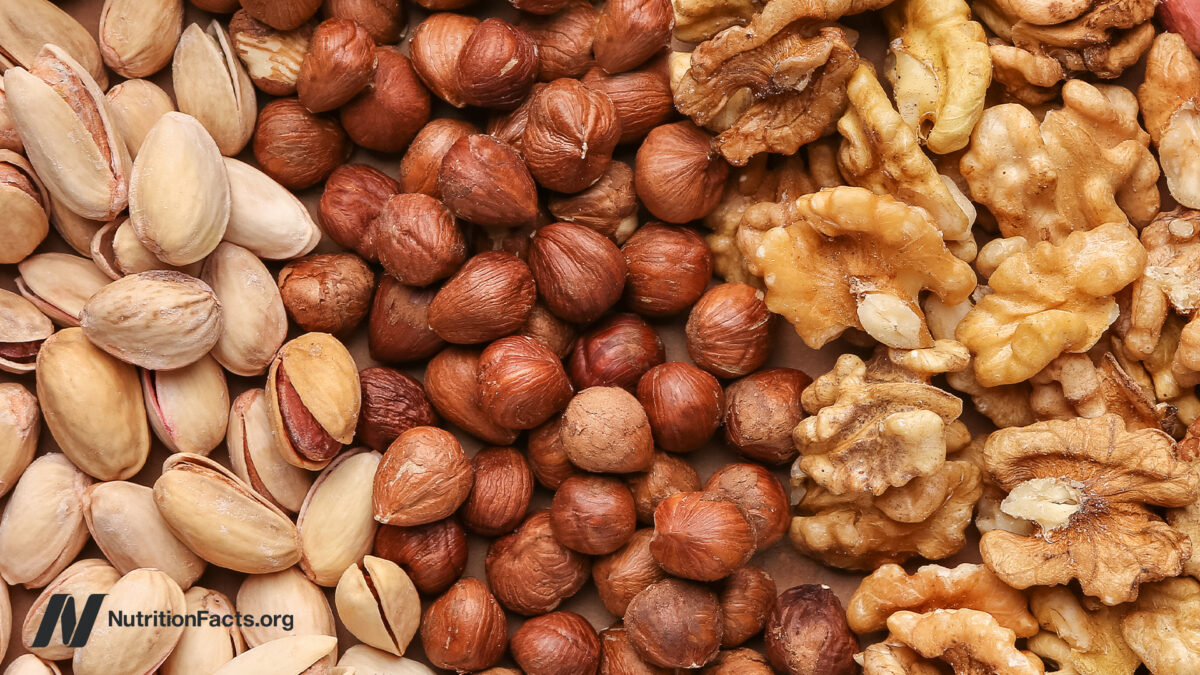
Conversely, plant protein sources like soy, nuts, and legumes (including beans, split peas, chickpeas, and lentils) consistently demonstrate superior outcomes. Research indicates that replacing even a single serving of lean beef with an equivalent calorie portion of nuts or soybeans can lead to a significant reduction in LDL cholesterol. LDL cholesterol is a primary risk factor for heart disease, which remains the leading cause of death globally for both men and women.
Nuts: A Powerful Ally in Longevity and Disease Prevention
The profound impact of nut consumption on cardiovascular health and overall mortality is increasingly evident. A daily serving of nuts, for instance, has been associated with a 22% reduction in the risk of premature death. This association is so strong that it is estimated millions of deaths annually could be attributed to inadequate nut intake.
Crucially, the benefits of nut consumption are not limited to vegetarians or individuals already focused on healthy eating. The drop in heart attacks observed among more frequent nut eaters is equally pronounced among non-vegetarians. This suggests that the protective effects of nuts are robust and can contribute to improved health outcomes regardless of an individual’s overall dietary pattern.
Moreover, the reduced mortality associated with nut consumption is independent of pre-existing health conditions. This means that nuts are not simply beneficial for those who are already health-conscious; they offer a generalized protective effect across diverse populations. In comparisons of various food groups, nuts have even outperformed vegetables in reducing the risk of premature death, highlighting their unique nutritional profile and health-promoting properties.
The Corporate Playbook: A Pattern of Undermining Dietary Guidance
The alleged manipulation of research findings to favor certain industries is not an isolated incident. A broader pattern, often referred to as the "corporate playbook," involves a systematic effort by industry stakeholders to influence dietary guidelines and public perception of nutrition. This playbook often includes:
- Funding Research: Directly or indirectly funding studies that are likely to produce favorable results.
- Sponsoring Journals and Organizations: Gaining influence over the publication of research by becoming sustaining partners or sponsors of scientific journals and professional organizations.
- Discrediting Opposing Research: Employing tactics to question the methodology or findings of studies that challenge industry-backed narratives.
- Lobbying and Public Relations: Engaging in extensive lobbying efforts and public relations campaigns to promote their products and influence policy.
This playbook has been observed across various sectors, including the sugar, meat, and processed food industries, all of which have a vested interest in maintaining their market share and combating dietary recommendations that might threaten their sales. The case of The American Journal of Clinical Nutrition and its ties to the meat and sugar industries serves as a compelling example of how these dynamics can shape the scientific discourse around nutrition.
Broader Impact and Future Implications
The implications of industry influence on nutrition research are far-reaching. Misleading studies can lead to public confusion, delayed adoption of evidence-based dietary recommendations, and ultimately, poorer public health outcomes. The disconnect between scientific consensus on the benefits of plant-based diets and the perpetuation of potentially harmful dietary advice underscores the need for greater transparency and scrutiny in nutrition research.
For consumers, navigating the complex world of nutrition advice requires a critical eye. Understanding the potential biases in research, seeking information from independent sources, and prioritizing whole, plant-based foods are essential steps toward making informed dietary choices. As the scientific community continues to grapple with the influence of industry, a commitment to robust, unbiased research, free from undue influence, is paramount for safeguarding public health.
The findings concerning nuts, plant-based proteins, and their significant positive impact on longevity and disease prevention offer a clear path forward. The challenge lies in ensuring that this evidence-based guidance is not obscured by the vested interests of industries that profit from less healthy dietary patterns. The ongoing dialogue and scrutiny of nutrition research are vital for promoting a healthier future for all.

