


The landscape of international travel has undergone a radical transformation over the first half of the decade. Following the systemic shocks of the COVID-19 pandemic, the industry in 2025 and 2026 is defined by a complex intersection of high passenger volumes, fluctuating economic conditions, and an increased reliance on technological solutions to mitigate logistical friction. According to data from the International Air Transport Association (IATA), global passenger traffic is projected to reach record highs in 2025, even as travelers face longer customs queues, staffing shortages, and the lingering effects of Federal Aviation Administration (FAA) disruptions.
In response to these challenges, professional travel writers and photographers have identified a shift in consumer behavior toward "intentional gear selection." This trend prioritizes multi-functional, durable, and sustainable products designed to streamline the transit experience. The following guide provides a comprehensive analysis of the essential equipment and gifts for the 2025-2026 travel season, categorized by utility and innovation.
The Evolution of Luggage and Transit Efficiency
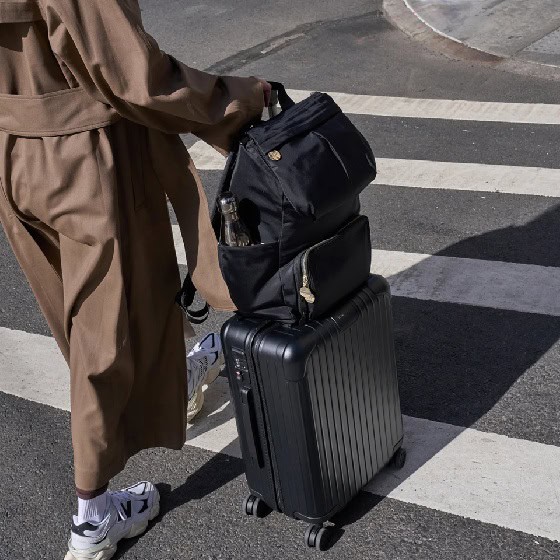
The modern traveler’s primary objective is often the avoidance of checked baggage fees and the potential for lost luggage. This has led to a surge in the popularity of the 40L to 45L carry-on category. These dimensions are specifically engineered to maximize the overhead compartment space of major international carriers while remaining compliant with most size restrictions.
High-Durability Rolling Solutions
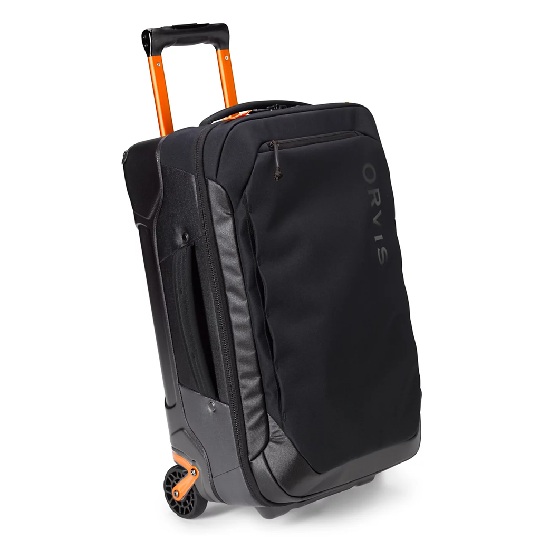
The Orvis Trekkage LT Adventure 40L Carry-On Roller Bag represents the current pinnacle of sustainable engineering in the luggage sector. Constructed from 100% recycled 600D CORDURA re/cor fabric—derived from post-consumer plastic waste—the bag addresses the growing demand for environmentally responsible manufacturing. Its design includes high-density polycarbonate shells and repairable components, a response to the "right to repair" movement gaining traction in consumer electronics and outdoor gear.
Modular and Minimalist Backpacks
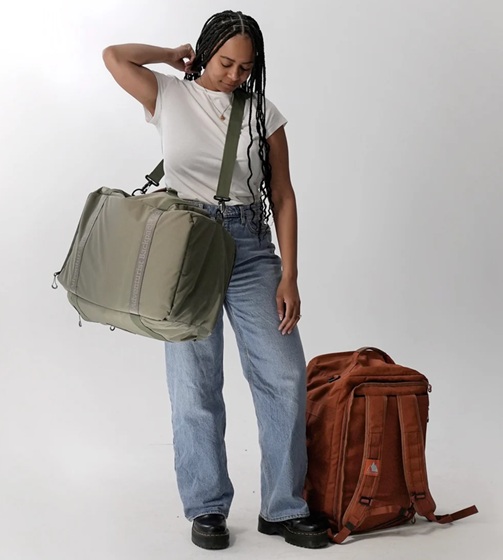
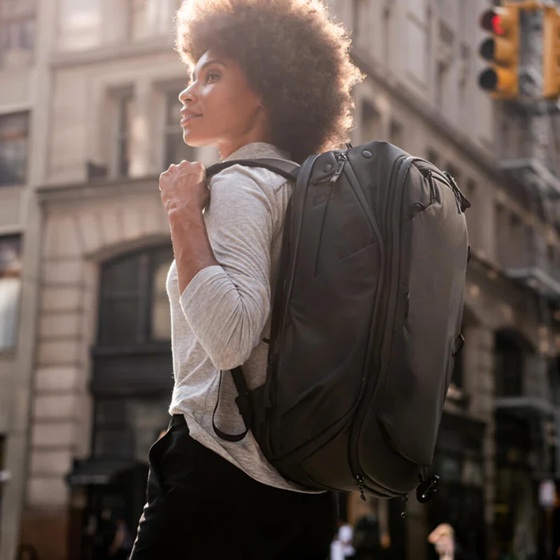
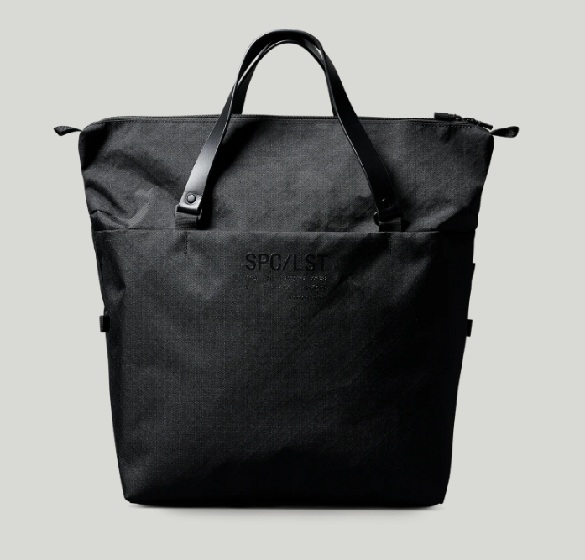
For travelers prioritizing mobility, the Peak Design 45L Travel Backpack and the Adventurist Carry On Duffel Backpack offer distinct solutions. Peak Design has utilized 100% recycled fishing nets for its Coyote X-Pac edition, a move lauded by environmental NGOs for addressing maritime waste. Meanwhile, Adventurist has integrated a social enterprise model into its business operations, providing 25 meals to food-insecure families for every bag sold. This "buy-one-give-some" model has become a significant factor in consumer decision-making in the 2025 market.
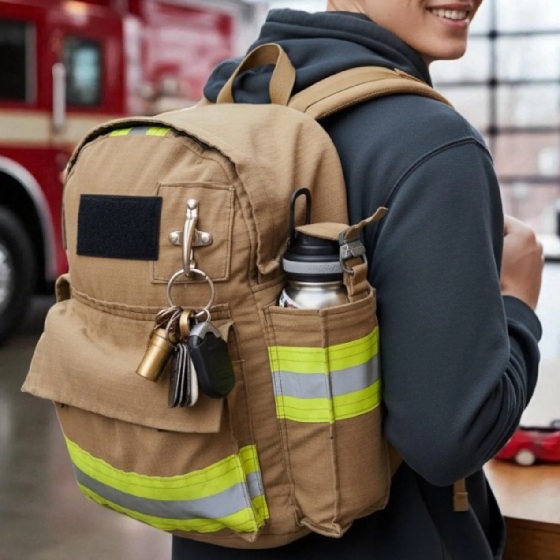
Specialized options such as the 277 Designs Firefighter Backpack further highlight the trend toward upcycled materials. By utilizing decommissioned firefighter turnout gear, the brand offers a product that is inherently heat-resistant and durable, while providing a second life to high-performance textiles that would otherwise enter landfills.
Technical Apparel and the Rise of "Athleisure" in Transit
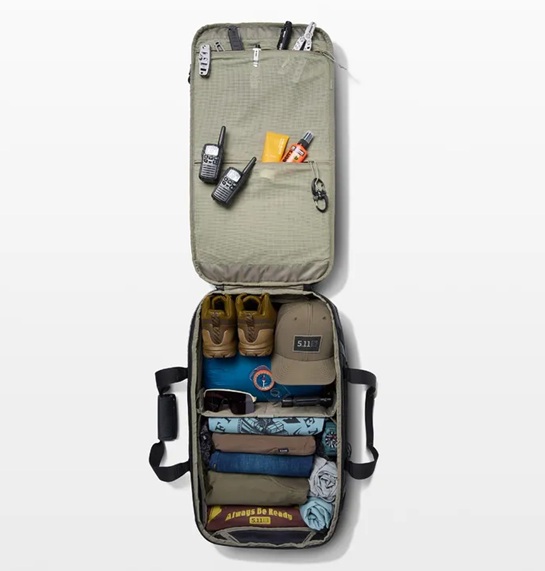
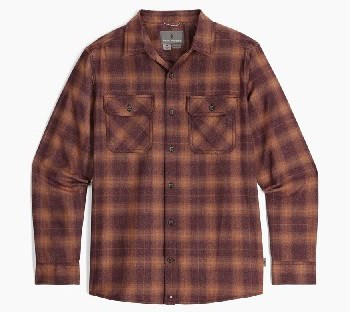
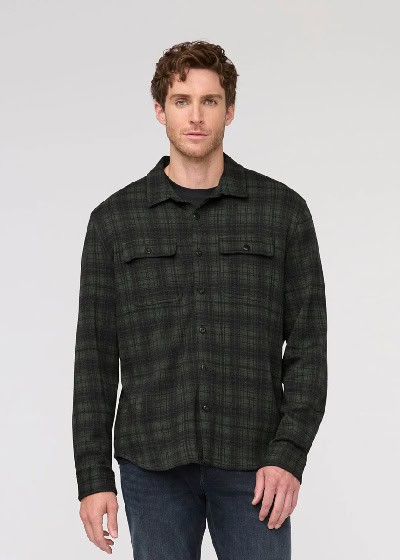
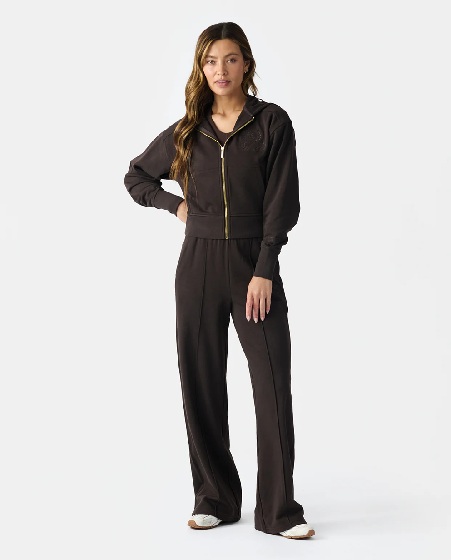
The 2025-2026 travel season continues to see a blurring of lines between professional attire, outdoor gear, and loungewear. Travelers are increasingly seeking "performance denim" and "technical flannels" that offer moisture-wicking properties and temperature regulation without the aesthetic of traditional gym clothes.
Sustainable and Ethical Textiles
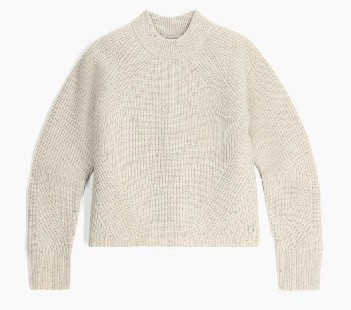
Brands like Royal Robbins have set industry benchmarks by joining the Sustainable Apparel Coalition and utilizing the Higg Index to measure environmental impact. Their use of recycled polyester and merino wool in items like the Vogelsang Long Sleeve and the Rockcraft Mock Neck provides travelers with odor-resistant, quick-drying options that reduce the need for frequent laundering—a critical benefit for long-duration international trips.
Engineering Comfort: DUER and Legends
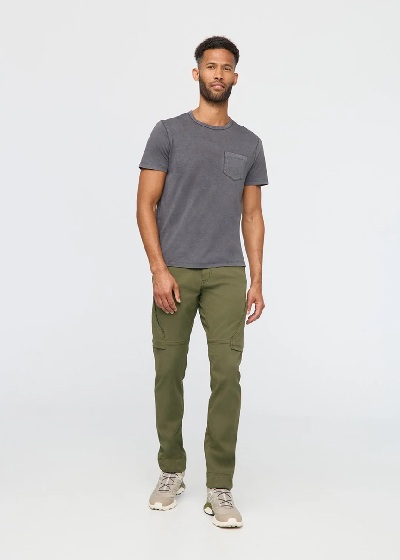
The Vancouver-based brand DUER has successfully commercialized "Performance Denim," which integrates high-stretch fibers and antibacterial treatments. Similarly, the Los Angeles-based brand Legends has leveraged athlete-led design to create the TerryLux knit fabric found in the Rylie and Valentina sets. These garments are engineered with four-way stretch to accommodate the physical constraints of long-haul flights while maintaining a tailored silhouette.
Specialized Footwear: Ergonomics and Sustainability
Footwear remains the most critical component of a traveler’s kit. The 2025 market has seen a move away from heavy, traditional boots toward lightweight, "zero-drop" platforms and bio-based materials.
Hybrid Hiking Solutions
The HOKA Transport Hike GTX illustrates the hybrid trend, combining a GORE-TEX waterproof bootie with a Vibram Megagrip outsole. HOKA’s inclusion of a 30% sugarcane EVA midsole reflects a broader industry shift toward bio-sourced foams, reducing reliance on petroleum-based products.
Minimalist and Bio-Sourced Options
Lems and SOLE have focused on the "minimalist" movement, emphasizing foot health through wide toe boxes and natural alignment. SOLE’s use of ReCORK—recycled wine corks—for its midsoles provides a lightweight, carbon-negative alternative to traditional cushioning. In Europe, the collaboration between VEJA and Finisterre has produced the Fitz Roy Trek-Shell, which utilizes 100% recycled polyester and bio-based EVA, signaling a trans-Atlantic consensus on sustainable footwear manufacturing.
Outdoor Utilities and Nature-Centric Gear
As "overlanding" and adventure tourism continue to grow, travelers are investing in gear that facilitates self-sufficiency in remote environments. This includes advanced insulation technology and portable security.
Thermal Management and Portability
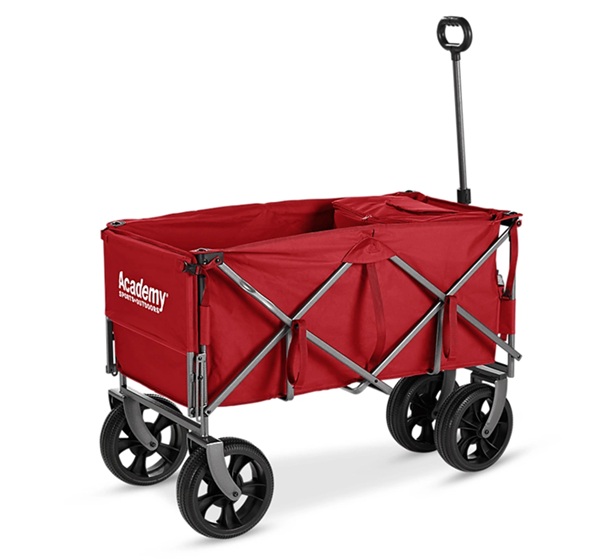
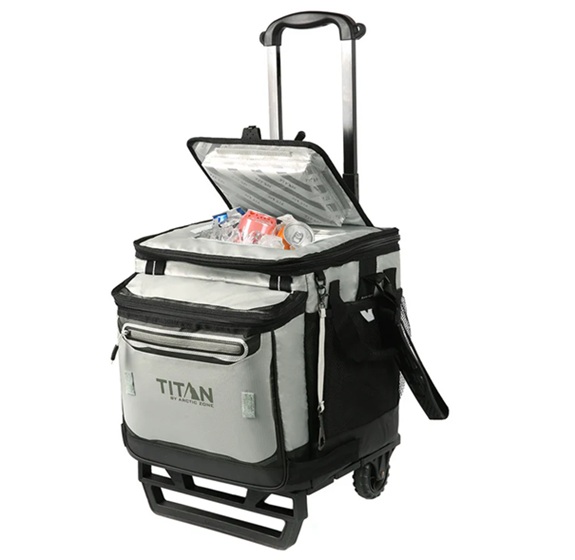
The Arctic Zone Titan 60-Can Wheeled Cooler utilizes "Deep Freeze" performance insulation, capable of maintaining ice for up to three days without mechanical refrigeration. For those in the "van-life" or houseboat sectors, the Academy Sports XL Folding Wagon has become an essential logistical tool, capable of hauling 225 pounds across varied terrain.
Lighting and Power Solutions
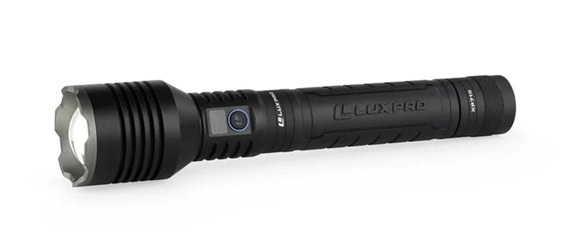
The LuxPro XP715 Pro Series DS Flashlight addresses the need for high-output illumination in remote areas, offering 16,070 lumens. More importantly, its integration of a power bank allows it to serve as a secondary charging source for mobile devices, reflecting the multi-functional requirement of modern travel gear.
Security, Tech, and Digital Integration
In an era of increasing digital vulnerability, security-focused gifts have transitioned from luxury items to necessities.
Biometric and RFID Protection
The BenjiLock Outdoor Fingerprint Padlock and the Ekster Wallet Pro represent the vanguard of personal security. BenjiLock’s use of biometric sensors eliminates the need for physical keys or combinations, which are easily lost or forgotten during transit. Simultaneously, Ekster has addressed the rise of "digital pickpocketing" by integrating RFID-blocking technology into handcrafted Italian leather wallets. These products are often paired with global tracking cards, allowing travelers to locate lost items via smartphone networks.

Entertainment and Connectivity
For long-haul transit, the Backbone Pro has emerged as a leader in mobile gaming peripherals. By providing console-grade controls for smartphones, it addresses the "entertainment gap" on flights lacking modern in-flight entertainment systems. This reflects a broader trend of travelers bringing their own digital ecosystems on the road.
Chronology of the Travel Gear Market (2020-2026)
- 2020-2021: Market stagnation; focus on health-related travel gear (masks, portable HEPA filters).
- 2022-2023: "Revenge Travel" phase; surge in luggage sales; supply chain disruptions lead to increased prices.
- 2024: Shift toward sustainability; major brands commit to recycled plastics and carbon neutrality.
- 2025-2026: Consolidation of tech and gear; focus on durability, repairability, and biometric security.
Impact and Implications for the Future of Travel
The refinement of travel gear for the 2025-2026 period suggests a permanent shift in how individuals approach movement across borders. The emphasis on high-quality, sustainable, and technologically integrated products indicates that travelers are no longer viewing gear as disposable. Instead, there is a growing "investment mindset" where a single, high-performance item—such as a GORE-TEX windbreaker or a biometric wallet—is expected to last for a decade of adventures.
Furthermore, the rise of small, mission-driven businesses like 277 Designs and Custom Gifts Bring Joy highlights a decentralization of the travel market. Consumers are increasingly bypassing traditional retail giants in favor of independent creators who offer personalized, ethically manufactured alternatives.

As the industry moves toward 2027, the primary drivers of innovation will likely remain environmental compliance and the integration of artificial intelligence into "smart" travel gear. For now, the products highlighted in this guide represent the most effective tools available for navigating the complexities of the modern global landscape.

