

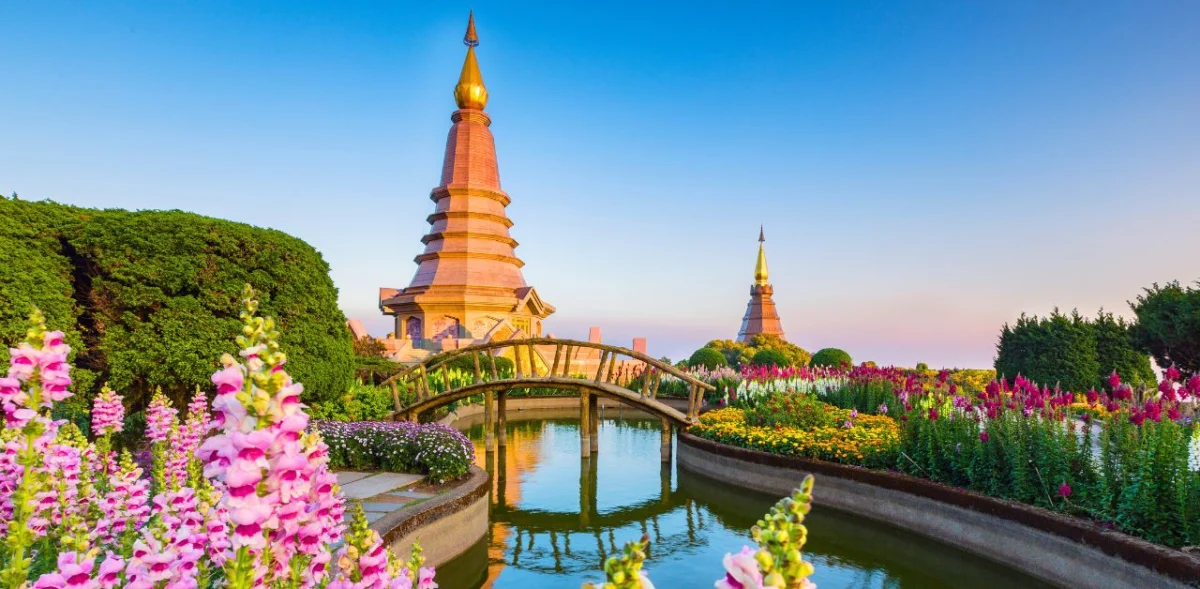
The Strategic Shift Toward Quality Tourism in Southeast Asia
The landscape of Thai tourism has undergone a significant transformation over the last decade. Historically known as a hub for budget-conscious backpackers, the "Land of Smiles" has successfully rebranded itself as a sanctuary for luxury seekers and "slow travel" enthusiasts. This evolution is reflected in the country’s infrastructure development, including the expansion of Suvarnabhumi Airport and the proliferation of five-star boutique resorts in previously remote provinces.
Travel analysts observe that the modern visitor prioritizes "frictionless travel"—a concept where logistics are handled with such precision that the traveler can focus entirely on the cultural and sensory experience. This shift is not merely a matter of luxury but a response to the increasing complexity of global travel. By prioritizing comfort and expert planning, visitors can avoid the common pitfalls of over-tourism and environmental fatigue that often plague popular Southeast Asian circuits.

Seasonal Chronology: Navigating Thailand’s Microclimates
A critical component of a comfortable Thai expedition is an understanding of the country’s distinct meteorological patterns. Thailand does not possess a uniform climate; rather, it is dictated by the southwest and northeast monsoons, which affect different regions at different times.
- The Cool Season (November to February): This is widely considered the "Peak Season." During this window, the northeast monsoon brings cool, dry air, making it the most comfortable time for trekking in the northern mountains of Chiang Mai or exploring the historical ruins of Ayutthaya.
- The Hot Season (March to May): Temperatures frequently exceed 35°C (95°F). Comfort during this period is contingent upon proximity to the coast or staying in high-end accommodations with superior climate control.
- The Rainy Season (June to October): While the southwest monsoon brings humidity and rain, it also transforms the landscape into a lush, emerald paradise. For the comfort-oriented traveler, this "Green Season" offers the advantage of fewer crowds and significantly lower rates at premium resorts, provided the itinerary remains flexible.
Experts suggest that the most balanced itineraries focus on the transition months—late October or early March—when the weather is manageable and the influx of tourists is at a medium ebb.
The Rise of Bespoke Logistics and Professional Consultation
The complexity of coordinating domestic flights, private transfers, and specialized tours has led to a surge in the use of high-end travel consultants. Organizations such as Black Tomato have set a benchmark for luxury "Slow Travel," providing itineraries that replace the stress of self-navigation with curated local expertise.

Data from the luxury travel sector indicates that travelers who utilize professional planners report a 40% higher satisfaction rate regarding their "sense of discovery." These experts provide access to "off-the-beaten-path" locations while maintaining a high standard of physical comfort. This includes private villa bookings, "fast-track" immigration services at major airports, and the coordination of private guides who can navigate linguistic and cultural nuances that might otherwise prove challenging for solo travelers.
Modern Infrastructure and Transportation Dynamics
The ability to traverse Thailand comfortably has been bolstered by significant investments in transportation technology. While the romanticism of the traditional "long-tail boat" remains a staple of the Thai experience, the modern traveler has access to a tiered system of transport:
- Aviation: Thailand’s domestic flight network is one of the most robust in Asia. Carriers like Bangkok Airways, often referred to as "Asia’s Boutique Airline," offer lounge access to all passengers, ensuring comfort before the flight even departs.
- Railways: The State Railway of Thailand has introduced "Special Express" trains on popular routes like Bangkok to Chiang Mai. These features include modern sleeping berths and improved dining facilities, offering a scenic and relaxed alternative to air travel.
- Urban Mobility: The rise of ride-hailing applications like Grab and Bolt has revolutionized city travel. These platforms provide transparent pricing and GPS-tracked safety, eliminating the need for price negotiations with street taxis—a common source of stress for international visitors.
- Private Transfers: For inter-provincial travel, private chauffeured vehicles remain the gold standard for comfort, allowing for customized stops at scenic viewpoints and local markets that are inaccessible to large tour buses.
Sustainable Hospitality and Strategic Accommodation
The choice of lodging is perhaps the most significant factor in a traveler’s comfort. In recent years, the Thai hospitality sector has integrated Environmental, Social, and Governance (ESG) principles into its luxury offerings. Travelers are increasingly seeking "Green Hotels" that provide high-end amenities without the ecological footprint associated with traditional mass-market resorts.

Market research suggests that "location-centric" lodging—hotels situated within walking distance of major transit hubs or historical districts—saves the average traveler approximately two hours of commuting time per day. Furthermore, the reliance on peer-reviewed travel blogs and verified guest feedback has become essential. Modern travelers are encouraged to look beyond glossy brochures and investigate a property’s commitment to "wellness" and "sustainability," factors that directly impact the quality of rest and nourishment provided during the stay.
Cultural Etiquette: The Foundation of a Seamless Experience
Comfort in Thailand is not merely physical; it is psychological. A traveler who understands the social fabric of the country will experience far more "assured" interactions. The Thai concept of Kreng Jai—a form of extreme consideration for others—is the bedrock of local society.
Official tourism guidelines emphasize the importance of the Monarchy and Buddhism. Respectful engagement at religious sites is mandatory; this includes wearing modest clothing that covers the shoulders and knees and removing footwear before entering temple interiors.

Learning basic linguistic markers is also a powerful tool for comfort. The use of the polite particles "Khrup" (for men) and "Ka" (for women) at the end of sentences can significantly alter the tone of a transaction. These small gestures of respect often lead to better service and warmer receptions, effectively "greasing the wheels" of the travel experience.
Case Studies in Destination Excellence
Khao Yai National Park: A Terrestrial Safari
As a UNESCO World Heritage site and Thailand’s third-largest national park, Khao Yai serves as a model for terrestrial conservation. Covering over 2,000 square kilometers, the park is home to an estimated 300 wild elephants. For the comfort-oriented traveler, Khao Yai offers "glamping" (glamorous camping) options and high-end lodges that provide a safari-like experience within a few hours’ drive of Bangkok. The park’s inclusion in the Dong Phayayen-Khao Yai Forest Complex highlights its global significance in preserving endangered species like the Asiatic Black Bear.
Ang Thong Marine National Park: The Archipelago Experience
Comprising 42 islands in the Gulf of Thailand, Ang Thong is a masterclass in marine preservation. While many visitors arrive via day-trip speedboats from Koh Samui, the most comfortable way to experience the park is via private yacht charter. This allows for secluded access to the "Emerald Lake" (Thale Nai) and the park’s numerous limestone caves. The park’s management limits the number of daily visitors to certain zones, ensuring that the natural beauty remains unmarred by overcrowding.

The Gibbon Rehabilitation Project: Ethical Wildlife Engagement
Located in Phuket’s Khao Phra Thaeo National Park, this project represents the intersection of tourism and conservation. Since 1992, the project has worked to end the illegal use of gibbons as photo props. For travelers, visiting the center provides an educational experience that aligns with modern ethical standards. It offers a stark contrast to "animal shows," focusing instead on the long-term goal of reintroducing these primates into the wild.
Broader Impact and the Future of Thai Travel
The move toward comfortable, high-value tourism has profound implications for Thailand’s economy. Tourism accounts for approximately 12% to 18% of the national GDP. By attracting travelers who stay longer and spend more on quality services, the country can reduce the environmental strain caused by high-volume, low-cost tourism.
Official statements from the Tourism Authority of Thailand indicate a "Year of Thai Gastronomy" and "Meaningful Travel" for the upcoming fiscal cycle. The goal is to distribute tourism revenue more evenly across "Secondary Cities," ensuring that the benefits of the industry reach rural communities while providing travelers with fresh, uncrowded landscapes to explore.

In conclusion, exploring Thailand in comfort is an exercise in intentionality. By aligning one’s itinerary with the seasons, leveraging professional logistical support, and maintaining a deep respect for local customs, the traveler can unlock a version of Thailand that is both profoundly luxurious and authentically soulful. As the global travel industry continues to evolve, Thailand’s ability to balance high-tech infrastructure with ancient hospitality ensures it remains at the forefront of the world’s most desirable destinations.

