

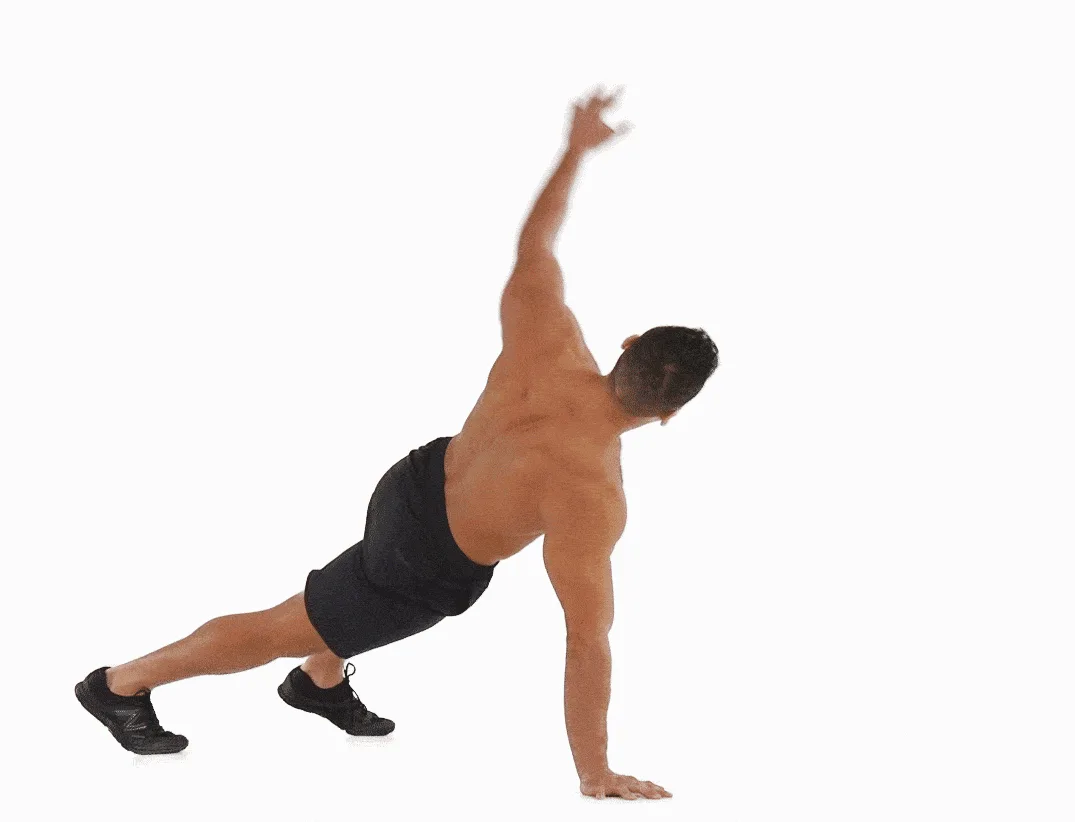
Scientific consensus increasingly highlights the efficacy of compound exercises for individuals seeking to optimize their fitness outcomes, particularly those with limited time. This training methodology, rooted in multi-joint movements, is lauded for its superior efficiency in building strength, enhancing metabolic rate, and improving overall physical functionality compared to traditional isolation-focused routines.
Understanding Compound Exercise: A Foundational Approach to Fitness
In the realm of physical training, exercises are broadly categorized into two primary types: compound and isolation. Isolation exercises, as their name suggests, target a single muscle group, typically involving movement at only one joint (e.g., bicep curls, leg extensions). While these have their place in bodybuilding for sculpting specific muscles or in rehabilitation for strengthening individual weak points, their overall impact on systemic fitness is limited.
Conversely, compound exercises engage multiple muscle groups simultaneously across several joints. This integrated approach mirrors natural human movement patterns, making them inherently more functional. Examples include squats, deadlifts, push-ups, and lunges. These movements necessitate the coordinated effort of various muscles, from prime movers to stabilizers, fostering a more holistic development of strength and motor control. The scientific underpinning for their effectiveness lies in this multi-faceted engagement, leading to a cascade of physiological benefits that isolation exercises cannot replicate.
The Scientific Edge: Unpacking the Benefits of Compound Movements
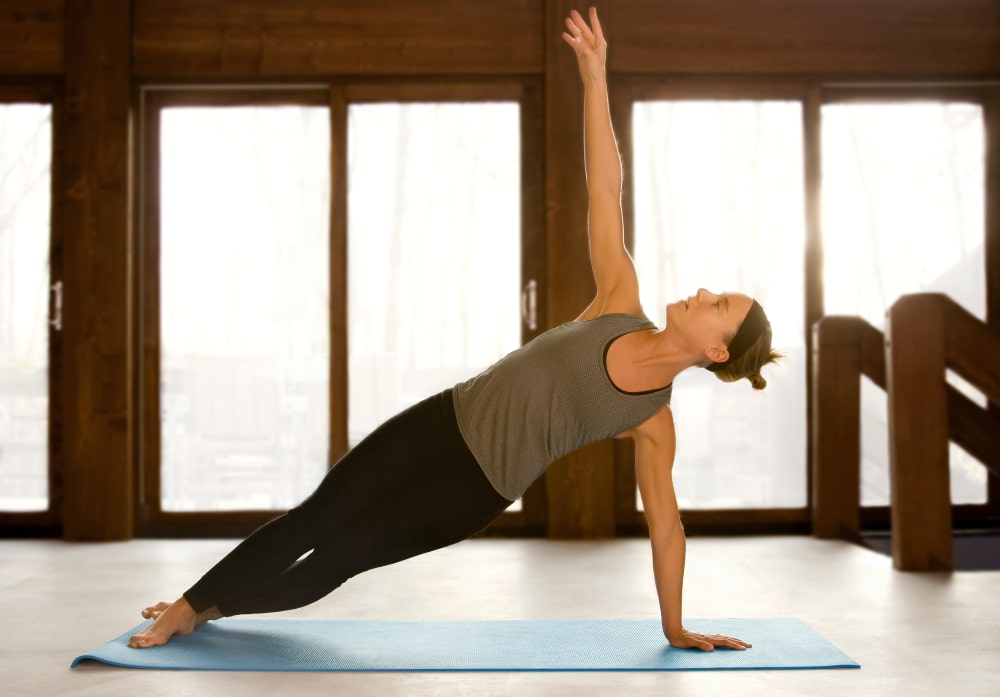
The claim that compound exercises can be significantly more efficient, with some studies suggesting up to 3.5 times the effectiveness of regular workouts, stems from their profound physiological impact. This efficiency is not merely anecdotal but is supported by robust exercise physiology research.
-
Elevated Metabolic Demand and Caloric Expenditure: When multiple large muscle groups are recruited simultaneously, the body expends far more energy than when only one muscle group is active. This increased energy demand translates directly to higher caloric burn during the workout. Furthermore, compound exercises lead to a greater "Excess Post-exercise Oxygen Consumption" (EPOC), often referred to as the "afterburn effect." This means the body continues to burn calories at an elevated rate for hours post-workout as it recovers and repairs muscle tissue. For individuals focused on weight loss or body composition improvement, this sustained metabolic boost is a critical advantage. Research by Garber et al. (2011) on physical activity guidelines underscores the importance of such high-intensity, multi-muscle engagement for cardiovascular health and energy expenditure.
-
Superior Hormonal Response: Compound movements, especially those involving large muscle groups like squats and deadlifts, elicit a significantly greater anabolic hormonal response. They stimulate the release of growth hormone (GH) and testosterone, both crucial for muscle protein synthesis, muscle growth, and fat metabolism. This hormonal surge contributes directly to enhanced muscle development and overall body recomposition, making them a cornerstone of effective strength training programs.
-
Development of Functional Strength and Coordination: Functional strength refers to the ability to perform daily activities and complex movements with ease and efficiency. Compound exercises are unparalleled in building this type of strength because they train muscles to work synergistically, mimicking real-world actions like lifting objects, climbing stairs, or playing sports. This integrated muscular effort improves intramuscular and intermuscular coordination, leading to better balance, agility, and overall athletic performance. Andrews E. (2015) highlights the importance of such exercises in promoting overall physical capability.
-
Time Efficiency and Maximized Results: For the time-constrained individual, compound exercises offer an unparalleled solution. By working multiple muscle groups simultaneously, a full-body workout can be achieved in a fraction of the time required for an isolation-based routine. This efficiency is a primary driver behind their growing popularity among busy professionals and those seeking maximum impact from minimal gym time. A 15-minute session of compound movements can be as effective, if not more so, than a much longer session focused on isolating individual muscles.
-
Enhanced Cardiovascular Health: The demanding nature of compound exercises elevates heart rate and improves cardiovascular endurance. Integrating these movements into a circuit or high-intensity interval training (HIIT) format further amplifies their cardiovascular benefits, contributing to a stronger heart and improved circulatory system.
A Brief History of Resistance Training and the Rise of Functional Fitness
Historically, early forms of physical training were inherently compound, focusing on movements essential for survival, labor, and combat. Ancient Greek athletes, for instance, engaged in wrestling, throwing, and jumping – all multi-joint, compound actions. The advent of modern bodybuilding in the mid-20th century, however, saw a shift towards isolation exercises, popularized by figures like Arnold Schwarzenegger, who sought to sculpt individual muscles for aesthetic appeal.
While effective for hypertrophy and body shaping, this isolation-centric approach often overlooked the functional integration of muscle groups. The late 20th and early 21st centuries witnessed a resurgence of interest in functional fitness, driven by sports science and a deeper understanding of biomechanics. Coaches and exercise physiologists began advocating for training methodologies that mimicked real-life movements, recognizing the superior benefits of compound exercises for athletic performance, injury prevention, and general well-being. This paradigm shift underscored the importance of training the body as a cohesive unit rather than a collection of individual parts.
Essential Compound Movements: A Foundation for Holistic Fitness
One of the most appealing aspects of compound exercises is that many can be performed with little to no equipment, making them accessible to a broad audience. Here are five foundational movements that can form the core of an efficient, full-body workout:
-
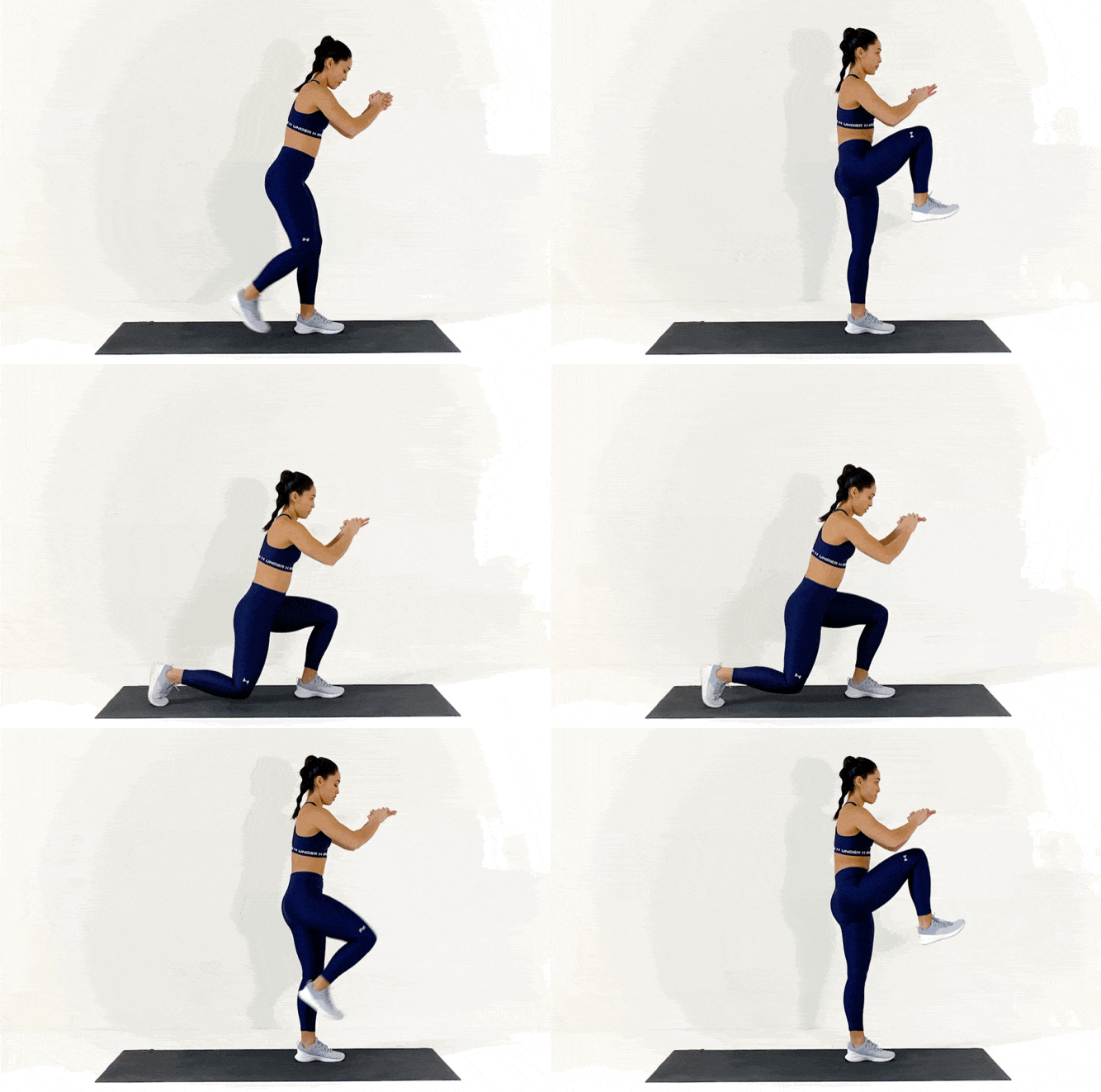
Reverse Lunge with a Knee Drive:
- Muscles Worked: Quadriceps, hamstrings, glutes, calves, core.
- Execution: Begin standing tall. Step one leg back into a lunge position, lowering your hips until both knees are bent at approximately 90 degrees. Ensure your front knee is directly above your ankle and your back knee hovers just above the floor. As you push through your front heel to return to standing, explosively drive the back knee forward and up towards your chest, engaging your core for stability. Return the leg to the starting position or directly into the next lunge.
- Pro Tip: For increased challenge and added resistance, hold dumbbells in each hand. This also engages grip strength and upper body stabilizers.
-
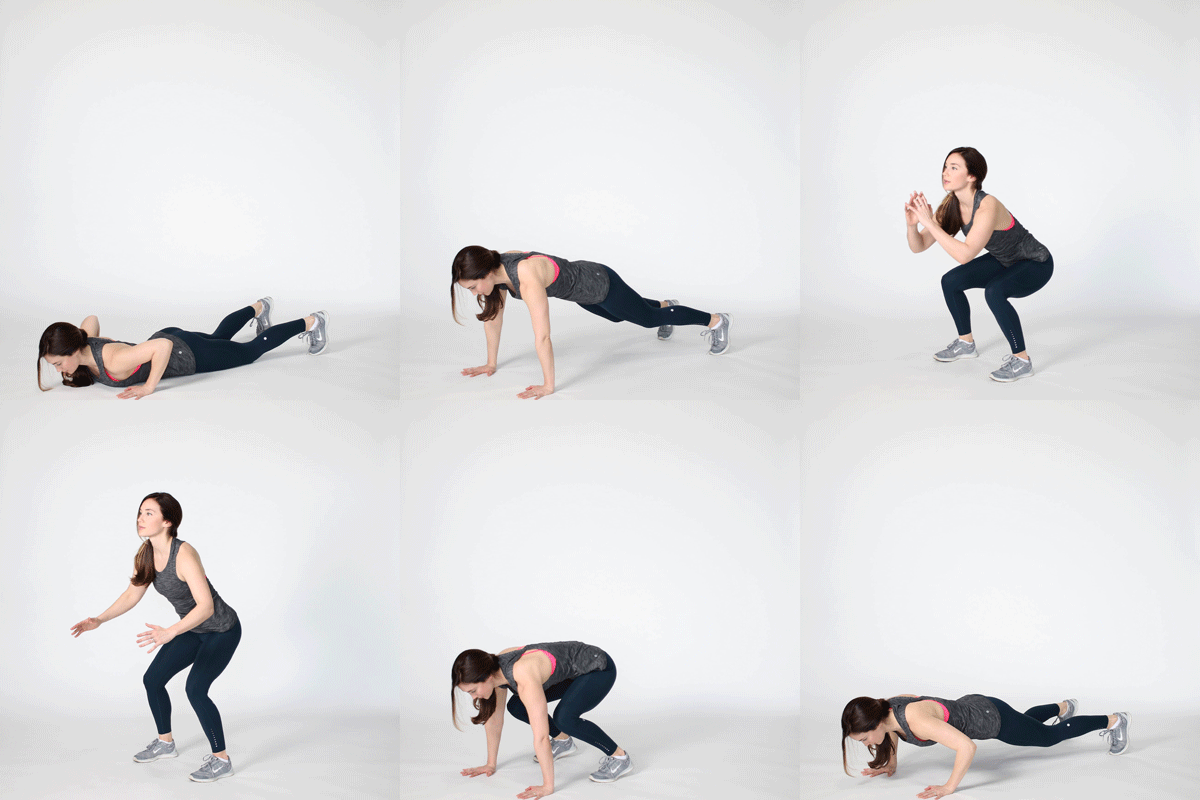
Burpees:
- Muscles Worked: Full body – chest, shoulders, triceps, quadriceps, hamstrings, glutes, core.
- Execution: Start standing. Drop into a squat position with your hands on the floor in front of you. Kick your feet back into a plank position, performing a push-up. Immediately jump your feet back towards your hands. Explosively jump up into the air, reaching your hands overhead.
- Pro Tip: Maintain a tight core throughout the movement to protect your lower back and maximize abdominal engagement. For beginners, omit the push-up or jump, stepping back and forward instead.
-
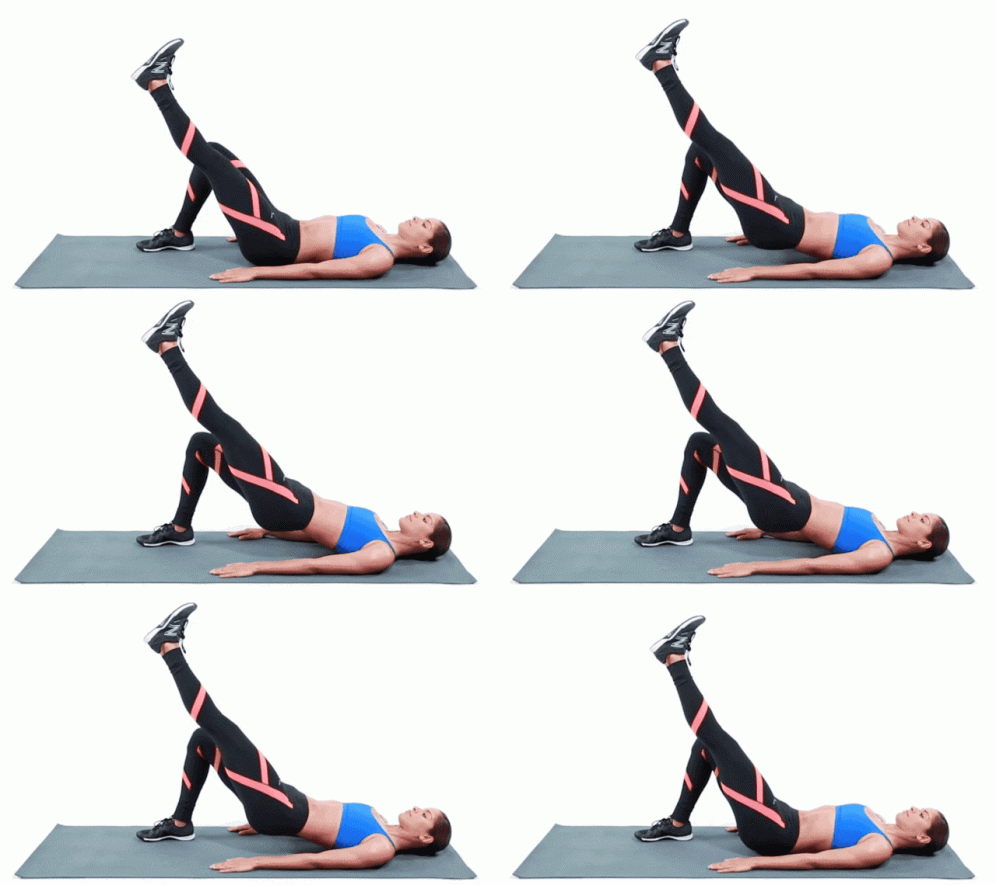
Single-Leg Bridge:
- Muscles Worked: Glutes, hamstrings, lower back, core.
- Execution: Lie on your back with your knees bent, feet flat on the floor hip-width apart, and arms at your sides. Lift one leg straight up towards the ceiling. Engaging your glutes, press through the heel of the foot remaining on the floor and lift your hips off the ground until your body forms a straight line from your shoulders to your raised knee. Hold briefly, squeezing your glutes, then slowly lower your hips back down.
- Pro Tip: Focus on controlled movement and avoid arching your lower back. Aim for 10-12 repetitions on each side for optimal muscle activation. This exercise is excellent for improving hip stability and addressing muscular imbalances.
-
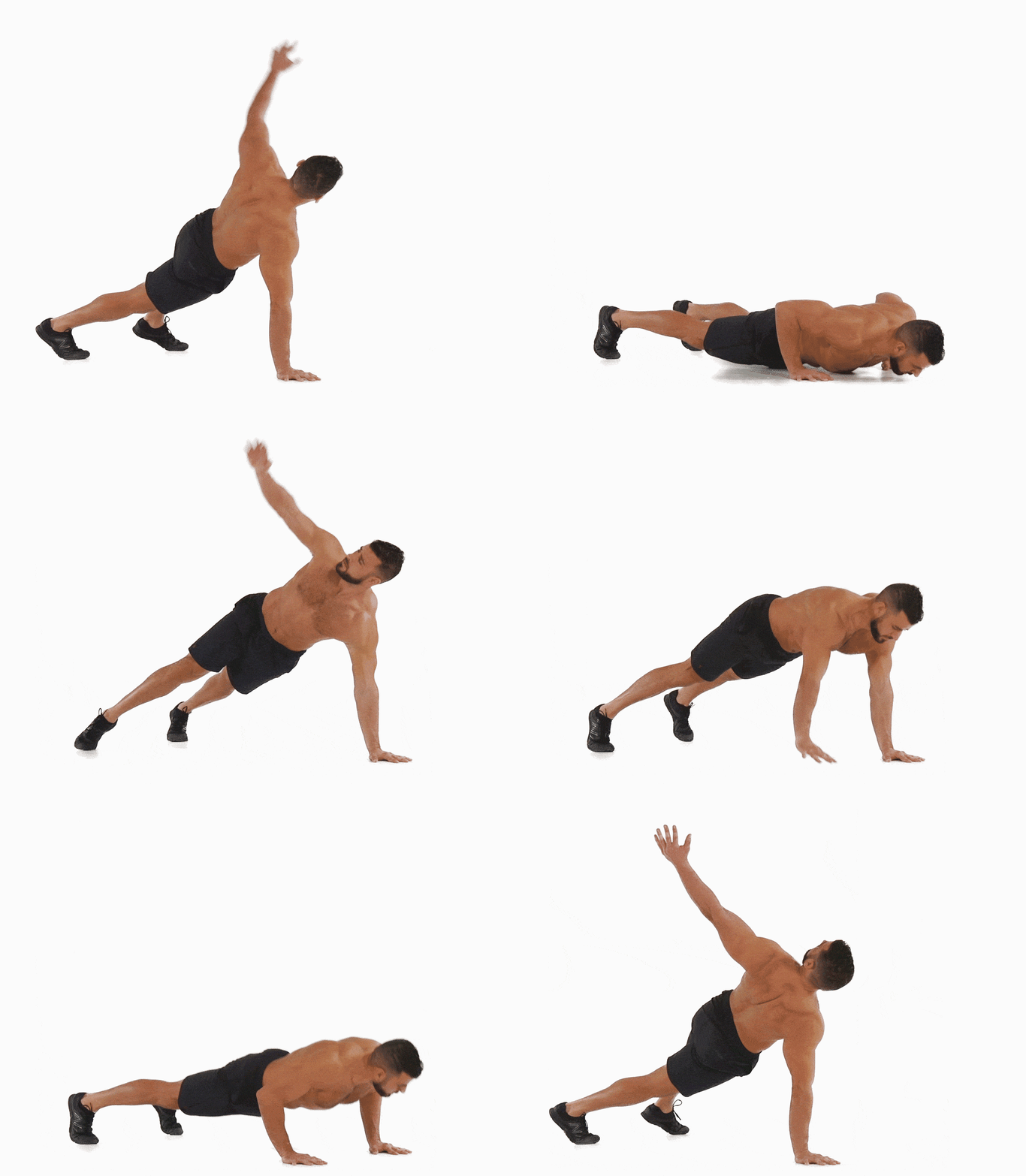
Push-Up and Rotate:
- Muscles Worked: Chest, shoulders, triceps, core (obliques, rectus abdominis), back stabilizers.
- Execution: Start in a standard push-up position. Perform one push-up. As you push back up, shift your weight onto one hand and rotate your body, extending the other arm straight up towards the ceiling, forming a "T" shape with your body. Your gaze should follow your raised hand. Return to the push-up position and repeat on the other side.
- Pro Tip: Keep your core tightly engaged throughout the entire movement to stabilize your spine and maximize oblique activation. This variation significantly enhances core stability and shoulder mobility.
-
Air Squat:
- Muscles Worked: Quadriceps, hamstrings, glutes, calves, lower back, core.
- Execution: Stand with your feet shoulder-width apart, toes pointing slightly outward. Keep your chest up, shoulders back, and core engaged. Initiate the movement by pushing your hips back as if sitting in a chair, simultaneously bending your knees. Lower yourself until your thighs are at least parallel to the ground, or deeper if your mobility allows, ensuring your heels remain planted. Drive through your heels to return to the standing position, squeezing your glutes at the top.
- Pro Tip: For an added challenge, perform jump squats, exploding upwards from the bottom of the squat. Focus on maintaining an upright torso and preventing your knees from caving inward.
Structuring Your Compound Exercise Routine
Integrating compound exercises effectively involves thoughtful program design. A full-body workout approach, performed 2-3 times per week with a day of rest in between, is often ideal for maximizing the benefits of compound movements. For instance, a 15-minute circuit incorporating the exercises above, performed for 3-4 rounds with minimal rest between exercises, can provide an intense and highly effective workout.
- Frequency and Volume: Beginners might start with 2-3 sets of 8-12 repetitions per exercise. As strength and endurance improve, the number of sets, repetitions, or rounds can be increased.
- Progression: To continuously challenge the body, consider adding external resistance (dumbbells, resistance bands), increasing the duration of holds, slowing down the tempo (time under tension), or incorporating more advanced variations of each exercise.
Safety First: Mitigating Risks in Compound Training
While profoundly beneficial, compound exercises, due to their complexity and multi-joint nature, demand precise technique to prevent injury.
- Mastering Form Over Weight: The paramount rule is to prioritize perfect form over the amount of weight lifted or the speed of execution. Improper form not only reduces the effectiveness of the exercise but significantly increases the risk of strains, sprains, and more serious injuries.
- Professional Guidance: For those new to resistance training or complex compound movements, consulting a certified personal trainer or exercise physiologist is highly recommended. An experienced professional can observe your form, identify potential biomechanical inefficiencies, and teach proper techniques. They can also provide guidance on appropriate starting weights or resistance levels and design a progressive program tailored to individual needs and goals. This expert oversight is crucial for building a safe and sustainable fitness foundation.
- Gradual Progression: Avoid the temptation to do too much too soon. Start with bodyweight variations and master the movement pattern before adding external resistance or increasing intensity. A good rule of thumb is to be able to perform 10-15 repetitions with good form before attempting to increase the challenge.
- Warm-up and Cool-down: Always begin workouts with a dynamic warm-up (e.g., light cardio, joint rotations, movement-specific stretches) to prepare muscles and joints for activity. Conclude with a static cool-down (holding stretches) to improve flexibility and aid recovery.
Addressing Frequent Questions on Compound Exercises
What Are The Best Compound Exercises For Weight Loss?
For weight loss, compound exercises are arguably superior to isolation exercises. Their ability to recruit multiple large muscle groups leads to a higher caloric expenditure during and after the workout (EPOC effect) and stimulates a greater hormonal response conducive to fat burning and muscle building. The increase in muscle mass itself boosts basal metabolic rate, meaning you burn more calories at rest. Beyond the specific examples in this article, other highly effective compound exercises for weight loss include kettlebell swings, medicine ball slams, and farmer’s carries, which combine strength, power, and cardiovascular demands.
What Are The Best Compound Exercises For The Legs?
Legs benefit immensely from compound movements as they are designed for power and locomotion.
- Squats: As discussed, they work quadriceps, hamstrings, glutes, and calves. Variations like goblet squats (holding a dumbbell at the chest), front squats, and barbell back squats progressively increase the challenge.
- Lunges: Excellent for unilateral strength and balance, engaging quadriceps, hamstrings, and glutes. Forward lunges, walking lunges, and lateral lunges offer diverse muscle activation.
- Deadlifts: A full-body posterior chain exercise, engaging hamstrings, glutes, lower back, and core significantly. Even bodyweight or light dumbbell deadlifts are incredibly effective for strengthening the posterior chain and improving hip hinge mechanics.
- Step-ups: Using a bench or sturdy box, step-ups target the quadriceps and glutes while improving balance and coordination.
What Are The Best Compound Exercises For Back Pain?
Strengthening the core and posterior chain through compound movements can be highly beneficial for alleviating and preventing back pain, provided they are performed with impeccable form.
- Squats: When executed correctly, squats strengthen the entire core and lower back musculature, improving posture and stability.
- Bodyweight Deadlifts (or Romanian Deadlifts with light weights): These exercises focus on the hip hinge movement, strengthening the glutes, hamstrings, and erector spinae muscles of the lower back without excessive spinal loading. They teach proper lifting mechanics, crucial for daily activities.
- Bird-Dog: While seemingly simple, this exercise is a compound movement for core stability, engaging the multifidus, erector spinae, and glutes, which are critical for spinal support.
- Superman: This exercise strengthens the entire posterior chain, including the lower back, glutes, and hamstrings, in a controlled manner.
- Barbell Rows (with appropriate weight and form): For those without acute back pain and with good form, barbell rows are excellent for targeting the lats, rhomboids, and traps, improving upper back strength and posture.
The Broader Implications for Public Health and Longevity
The widespread adoption of compound exercise principles has significant implications for public health. In an increasingly sedentary world, efficient and effective fitness solutions are crucial. Compound movements offer a practical pathway to combat lifestyle diseases, improve bone density (critical for preventing osteoporosis), enhance metabolic health, and maintain functional independence well into old age. By promoting whole-body strength and coordination, they contribute to a higher quality of life, reducing the risk of falls and injuries, and enabling individuals to engage more fully in daily activities and recreational pursuits.
In conclusion, the scientific community’s endorsement of compound exercises as a cornerstone of effective fitness programming is unequivocal. Their ability to deliver superior results in less time, coupled with their profound benefits for functional strength, metabolic health, and hormonal balance, positions them as an indispensable tool for anyone serious about elevating their fitness to the next level. Embracing these multi-joint movements, with proper guidance and consistent effort, is a proven strategy for achieving comprehensive and sustainable fitness goals.
Sources: Andrews E. (2015), Garber CE, et al. (2011), Hwang-Bo Kak, et al. (2013). Additional insights derived from established exercise physiology and sports science literature.

