


Understanding the evolving landscape of global yoga preferences has long been a pursuit for practitioners, instructors, and industry observers alike. A recent comprehensive study, the DoYou Global Yoga Survey, has shed significant light on this topic, drawing responses from an impressive 10,000 individuals across 124 countries. This extensive dataset offers an unparalleled glimpse into the most commonly practiced yoga styles worldwide, revealing clear trends and the diverse motivations behind people’s choices. The findings from DoYou.com, a leading online yoga platform, underscore yoga’s growing global footprint and its adaptability to varied personal needs and fitness goals.
The Global Reach of Yoga: A Snapshot
The DoYou Global Yoga Survey, conducted by the prominent yoga and wellness platform DoYou.com, aimed to quantify and qualify the preferences of the global yoga community. With participation spanning over a hundred countries, the survey’s results are considered highly representative of contemporary yoga engagement. The sheer volume of responses highlights yoga’s transition from an ancient spiritual practice to a widespread global phenomenon, embraced by millions for its physical, mental, and emotional benefits. The survey’s insights not only identify dominant styles but also implicitly map how practitioners integrate yoga into their health and lifestyle routines, reflecting broader shifts in wellness priorities across cultures.
The increasing accessibility of yoga, facilitated by online platforms, studios, and a growing body of scientific research validating its benefits, has contributed to its explosive popularity in recent decades. From bustling urban centers to remote communities, yoga has found resonance, adapting its forms and philosophies to suit modern sensibilities. This global expansion necessitates regular assessments like the DoYou survey to track evolving trends, inform instructional approaches, and cater to the diverse needs of a burgeoning community. The survey provided a crucial benchmark, addressing questions such as "what styles are most commonly practiced?" and offering an overview of the top contenders.
Vinyasa Flow: The Reigning Favorite
Emerging as the undisputed leader, Vinyasa Flow was cited by a commanding 57% of respondents as their primary yoga style. This significant preference can be attributed to its dynamic and fluid nature, characterized by a seamless transition between poses, often synchronized with breath. Vinyasa, translating from Sanskrit as "to place in a special way," is not a rigid sequence but rather a broad category that allows for immense flexibility and creativity in its execution. It encompasses more vigorous forms like Power Yoga and the highly structured Ashtanga Yoga, yet when referred to simply as "Vinyasa," it denotes a versatile practice tailored to various levels and intentions.
The popularity of Vinyasa Flow is deeply rooted in its capacity to deliver a robust physical workout. The continuous movement elevates the heart rate, builds heat in the body, and effectively strengthens muscles, aligning with many individuals’ traditional expectations of exercise. "Vinyasa offers an energetic practice that can be customized to challenge advanced yogis while remaining accessible to beginners," notes a representative from DoYou.com. "Its emphasis on movement and breath creates an almost meditative flow that resonates with those seeking both physical exertion and mental engagement without being overly spiritual in its presentation." This makes it an attractive option for those prioritizing fitness benefits, body awareness, and stress relief through active movement. The immediate physical benefits, such as increased strength, flexibility, and improved cardiovascular health, often provide quick reinforcement for continued practice.
Hatha Yoga: The Grounding Foundation
Securing the second position, Hatha Yoga was chosen by 42% of participants as their preferred style. Hatha is a foundational term in yoga, broadly referring to any physical yoga practice that involves postures (asanas) and breathing techniques (pranayama). However, in contemporary Western contexts, Hatha is often framed as a counterpoint to the faster-paced Vinyasa. Hatha classes typically adopt a slower, more deliberate pace, with practitioners holding individual poses for extended periods. This focus allows for deeper exploration of alignment, engagement of specific muscle groups, and sustained stretching.
Hatha Yoga is particularly well-suited for beginners due to its emphasis on foundational poses and precise instruction. Its unhurried rhythm provides ample opportunity to understand and refine postures, making it an excellent entry point into yoga. Beyond novices, seasoned practitioners also turn to Hatha for a more meditative and introspective practice, often seeking to deepen their understanding of alignment and breath work. "The methodical approach of Hatha allows for a profound connection to the body and breath, fostering mindfulness and deep relaxation," explains a yoga instructor affiliated with DoYou.com. "It’s a style that cultivates patience and body awareness, which are crucial for long-term practice and injury prevention." The sustained holds in Hatha are known to improve flexibility, build muscular endurance, and calm the nervous system, offering a holistic benefit that appeals to those seeking a balanced approach to wellness.
Restorative Yoga: The Art of Relaxation and Recovery
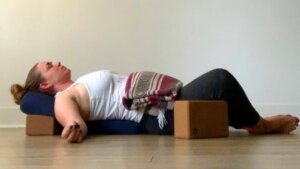
With 29% of respondents favoring it as their primary yoga class, Restorative Yoga highlights a significant global interest in practices focused on deep relaxation and recovery. This style is characterized by its gentle approach, involving a few simple poses held for extended durations, typically supported by a variety of props such as bolsters, blankets, blocks, and eye pillows. The primary goal of Restorative Yoga is to induce profound relaxation, allowing the body to fully release tension and the mind to quieten.
The poses, which often include supported forward folds, gentle twists, and reclining positions, are designed to be effortless and comforting. The props cradle the body, removing the need for muscular engagement and encouraging the parasympathetic nervous system – responsible for "rest and digest" – to activate. "In our fast-paced world, Restorative Yoga offers a vital antidote to chronic stress," comments a wellness expert. "It’s not just about stretching; it’s about creating an environment where the body can truly rest and repair itself, making it an ideal practice before bedtime or whenever deep relaxation is needed." This style is particularly beneficial for individuals experiencing stress, anxiety, fatigue, or those recovering from illness or injury. Its emphasis on passive stretching and conscious breathing also contributes to improved flexibility, reduced muscle soreness, and enhanced sleep quality.
The Dynamic Duo: Power and Ashtanga Yoga
Tied with Restorative Yoga at 29% of respondents, Power Yoga represents a more vigorous offshoot of Vinyasa. While adhering to the fundamental tenets of flowing movement synchronized with breath, Power Yoga is intentionally designed to be more physically demanding. Instructors often integrate faster transitions, more challenging inversions and arm balances, or extended holds in strength-building poses. The emphasis is on building strength, stamina, and mental fortitude.
"Power Yoga appeals to those who enjoy a high-intensity workout and want to push their physical boundaries within a yoga framework," states a fitness professional. "It’s a fantastic way to build lean muscle, improve cardiovascular health, and develop resilience, both on and off the mat." Its dynamic nature and focus on physical prowess make it a popular choice among athletes and individuals seeking a challenging fitness regimen.
Closely related, Ashtanga Yoga garnered 25% of the responses. Ashtanga, meaning "eight limbs" in Sanskrit, is a highly structured and traditional form of Vinyasa. It follows a prescribed series of poses, performed in a specific order, linking breath and movement. The exact sequence of postures remains consistent regardless of where or with whom one practices, offering a predictable and progressive journey.
Ashtanga’s appeal lies in its rigorous routine and the potential for measurable progress. "For those who thrive on consistency and discipline, Ashtanga offers a clear path to physical and mental mastery," explains an Ashtanga practitioner. "The fixed sequence allows individuals to observe their growth from class to class, fostering a deep sense of accomplishment and self-awareness." It is a demanding practice known for generating significant internal heat, detoxifying the body, and building exceptional strength, flexibility, and concentration. The unwavering structure can also provide a meditative experience as practitioners move through the familiar series.
Yin Yoga: A Journey into Deep Connective Tissues
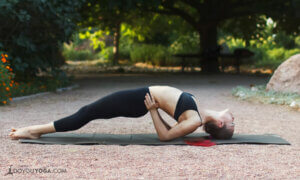
Accounting for 17% of the responses, Yin Yoga presents a distinct approach to practice. While sharing similarities with Restorative Yoga in its use of long-held poses, Yin is fundamentally different in its intention and depth. Yin Yoga targets the body’s deep connective tissues – the fascia, ligaments, joints, and bones – rather than the muscles. Poses are typically held for three to five minutes, sometimes longer, allowing for a gentle yet profound release of tension and an increase in joint mobility.
Often described as the "yin" to the "yang" of more dynamic, muscular yoga styles, Yin Yoga requires significant concentration and mental stillness. It encourages practitioners to sit with discomfort, cultivating patience and mindfulness. "Yin Yoga is a powerful practice for injury prevention and joint health, especially for those engaged in active lifestyles or other forms of exercise," advises a physiotherapist specializing in yoga. "By gently stressing the connective tissues, it improves elasticity and range of motion, which are crucial for overall physical well-being." Its profound impact on the fascial system can lead to significant improvements in flexibility and a reduction in chronic pain, making it a valuable complement to more active practices.
Bikram and Hot Yoga: The Heat Factor
With 10% of survey respondents practicing it, Bikram/Hot Yoga represents a niche but dedicated segment of the yoga community. Bikram Yoga is a highly specific and regimented style consisting of 26 postures and two breathing exercises performed in a room heated to approximately 35–42°C (95–108°F) with 40% humidity. This precise environment is believed to aid in detoxification, increase flexibility, and prevent injury.
More generic Hot Yoga classes offer a broader range of sequences and poses, still performed in a heated room, but with less strict adherence to a fixed series. The primary draw for both is the intense sweating, which practitioners often associate with detoxification and a deeper stretch. "The heat allows for greater flexibility, but adequate hydration is paramount," cautions a health expert. "It’s crucial to hydrate well before, during, and after a hot yoga session to prevent dehydration and ensure a safe practice." While the heat can be challenging, proponents swear by its benefits for muscle pliability, cardiovascular conditioning, and mental endurance.
Iyengar Yoga: Precision, Alignment, and Props
Lastly, Iyengar Yoga was practiced by 8% of the Global Yoga Survey respondents. A subset of Hatha Yoga, Iyengar is renowned for its meticulous attention to detail, precision in alignment, and the extensive use of props. Developed by B.K.S. Iyengar, this style emphasizes holding poses for longer durations to achieve perfect form, with props like blocks, straps, blankets, and chairs used to assist practitioners in attaining optimal alignment and deepening their understanding of each posture.
Iyengar Yoga focuses on building strength, flexibility, and stability, with a strong therapeutic component. "Iyengar Yoga is like an architectural blueprint for the body," illustrates a certified Iyengar instructor. "It teaches incredible body awareness and precision, making it highly effective for rehabilitation, correcting postural imbalances, and developing a deep understanding of anatomical alignment." The systematic approach and emphasis on correct form make it an excellent choice for individuals seeking therapeutic benefits, rehabilitation, or a profound understanding of yoga mechanics. The sequences are carefully designed to progress practitioners safely and effectively, fostering both physical and mental discipline.

Broader Implications and the Future of Yoga
The findings from the DoYou Global Yoga Survey paint a vivid picture of a diverse and dynamic global yoga community. The prominence of Vinyasa Flow reflects a contemporary inclination towards active, fitness-oriented practices, while the sustained popularity of Hatha and the rise of Restorative and Yin Yoga underscore a parallel need for slower, more introspective, and restorative practices in an increasingly stressful world. The dedicated followings of Power, Ashtanga, Hot, and Iyengar Yoga further illustrate that there truly is a yoga style to meet virtually any physical, mental, or spiritual need.
These trends have significant implications for yoga studios, instructors, and the broader wellness industry. Studios are increasingly offering a wider array of classes to cater to diverse preferences, while instructors are encouraged to specialize or cross-train in multiple styles to meet market demand. The digital realm, exemplified by platforms like DoYou.com, continues to play a pivotal role in making these diverse styles accessible to a global audience, breaking down geographical barriers and democratizing yoga education.
Ultimately, the survey reinforces the idea that yoga is not a monolithic practice but a rich tapestry of traditions and innovations. Its enduring appeal lies in its adaptability and its capacity to offer something meaningful to everyone, regardless of their starting point or aspirations. As the world continues to navigate complex health and wellness challenges, yoga, in its myriad forms, remains a powerful tool for cultivating physical vitality, mental clarity, and inner peace. The call to explore beyond one’s preferred style, as suggested by many experts, is a testament to yoga’s endless potential for self-discovery and growth. This ongoing evolution ensures that yoga will continue to be a vital practice for health and lifestyle improvement for generations to come.

