

The pervasive public notion of "toxic mold syndrome" has been largely debunked by the scientific community, with little evidence to support claims linking vague, subjective symptoms to indoor mold exposure. This concept, however, has been significantly amplified by disreputable practices of entities profiting from unnecessary home mold testing and unvalidated biological sample analysis. Experts warn that these tests often propagate misinformation and impose substantial, often exorbitant, costs on individuals seeking definitive diagnoses for a complex array of ailments. This enduring belief in the syndrome is regrettably sustained by a segment of practitioners who also promote scientifically unsupported theories, such as the discredited link between measles vaccines and autism, the efficacy of homeopathy, and the unfounded concerns regarding fluoride in public water systems.
The Reality of Mycotoxins in the Food Supply
In stark contrast to the unsubstantiated claims surrounding "toxic mold syndrome," the contamination of food by mold-produced toxins, known as mycotoxins, represents a legitimate and serious global public health concern. Mycotoxins are increasingly recognized as more significant contaminants in the food supply chain than many other potential hazards. Hundreds of distinct mycotoxins have been identified, but among them, aflatoxin stands out as the only one definitively classified as a known human carcinogen. While other mycotoxins, such as ochratoxin, are considered possible human carcinogens, the carcinogenic nature of aflatoxin in humans is scientifically established. Aflatoxins are among the most potent known carcinogens, posing a significant threat to global health.
Aflatoxin: A Potent Carcinogen and Global Health Threat
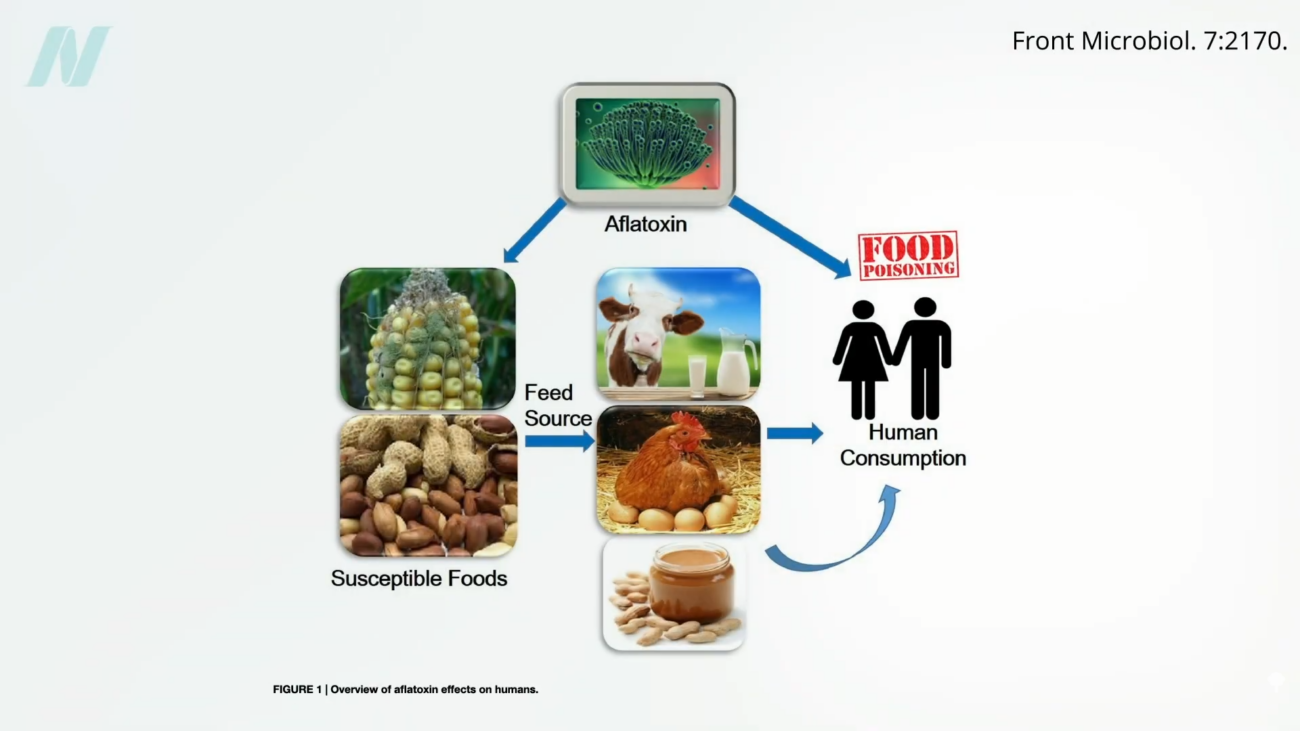
Scientific estimates suggest that approximately one-fifth of all liver cancer cases worldwide may be attributable to aflatoxin exposure. Given that liver cancer ranks as the third leading cause of cancer mortality globally, with rapid progression and high mortality rates following diagnosis, the contribution of aflatoxins to this deadly disease is undeniably significant. A critical challenge with aflatoxin contamination is its persistence in food; once introduced, it is exceedingly difficult to remove. Conventional cooking methods, for instance, are largely ineffective in breaking down these toxins. Research, including visual demonstrations in nutritional science presentations, illustrates that once aflatoxins infiltrate crops or enter the food chain through animals consuming contaminated feed (affecting meat, dairy, and eggs), their presence becomes almost irreversible. This underscores the paramount importance of preventing contamination at the source.
Prevention Strategies and Economic Impact
For decades, the United States has implemented rigorous preventative measures to mitigate aflatoxin contamination. Government regulations mandate constant sampling by companies in developed nations to ensure food safety. These proactive measures, while resulting in annual losses of nearly one billion dollars due to discarded contaminated crops, are crucial for public health protection. However, the threat of aflatoxin contamination may escalate, particularly in regions like the Midwest Corn Belt, as climate change potentially exacerbates conditions favorable for its proliferation.

Global Disparities in Aflatoxin Exposure
On a consumer level, aflatoxin contamination is a more pressing public health issue in less industrialized regions, particularly in African nations. In these areas, economic constraints often prevent farmers from discarding heavily contaminated crops, leading to widespread exposure. Aflatoxin remains a significant public health threat across Africa, Southeast Asia, and rural China, affecting more than half of the global population. This widespread exposure is a contributing factor to the dramatically higher prevalence of liver cancer in these regions, with rates sometimes exceeding those in the United States or Europe by as much as thirty times.
Regulatory Frameworks and Acceptable Levels
In the United States, regulatory bodies like the Food and Drug Administration (FDA) work to keep aflatoxin exposure levels "as low as practical," rather than "as low as possible." While this approach aims to balance public health with economic realities, it results in different standards compared to some other developed nations. For example, California has observed an increase in "unacceptable aflatoxin levels" in pistachios, almonds, and figs. While these levels might be deemed unacceptable by European standards, impacting export capabilities, they may not be considered problematic for U.S. consumers, as the U.S. permits up to twice the level of aflatoxin contamination allowed in Europe.
Specific Food Vulnerabilities and Risk-Benefit Analysis
Certain food items are inherently more susceptible to aflatoxin contamination. Figs, for instance, are particularly vulnerable due to their unique ripening process, where they are allowed to fully ripen and semi-dry on the tree. This extended period on the tree makes them highly susceptible to aflatoxin production. While it would be beneficial to understand the dietary habits of the approximately 1% of Americans with detectable aflatoxin levels in their bloodstream, particularly if figs are a significant factor, the broader health benefits of consuming nuts are substantial. The cardiovascular advantages derived from nuts significantly outweigh their associated carcinogenic risks. Nut consumption is credited with preventing thousands of strokes and heart attacks annually, a benefit that demonstrably surpasses the risk posed by the relatively low levels of aflatoxin B1 exposure encountered in developed nations. Therefore, public health recommendations continue to encourage nut consumption, recognizing that the population-wide benefits clearly outweigh the risks.
A Neglected Global Health Crisis
Ultimately, aflatoxin contamination remains a predominantly a problem in the developing world. Consequently, it is often described as a "largely and rather shamefully ignored global health issue." The limited attention it has received has been primarily driven by the stringent import regulations imposed by wealthier nations, aimed at protecting their own food supplies, rather than a comprehensive effort to safeguard the billions of people who are exposed to these toxins on a daily basis.
Doctor’s Note: A Concluding Perspective on Mycotoxins
This article concludes a four-part series dedicated to exploring the science behind mold toxins. For readers who may have missed the preceding installments, related posts offering further insights are available. The series has aimed to differentiate between scientifically unsupported health claims and genuine risks posed by mycotoxins, emphasizing the critical need for informed public health strategies and regulatory oversight to protect vulnerable populations worldwide.

