

By Michael Greger M.D. FACLM
August 6, 2026
The quest for a full head of hair is a significant concern for many, leading consumers to explore a vast array of remedies available online. However, from a scientific and clinical perspective, only a limited number of treatments have garnered robust evidence of efficacy, primarily those approved by regulatory bodies like the U.S. Food and Drug Administration (FDA). Among these, finasteride (marketed as Propecia) and minoxidil (marketed as Rogaine) stand out as the most recognized pharmacological interventions for hair loss. Despite their availability, a critical examination of their benefits and potential drawbacks is essential for informed decision-making. Concerns have been raised regarding the efficacy and cost-effectiveness of many over-the-counter hair loss supplements, with some regimens potentially exceeding $1,000 annually. In contrast, FDA-approved medications like Propecia and Rogaine typically range from $100 to $300 per year. While these drugs can offer a degree of hair regrowth, they are not without their own set of side effects, which warrant careful consideration.
Understanding the Mechanisms and Side Effects of Hair Loss Medications
Propecia, a prescription medication, is a finasteride-based oral pill that works by inhibiting the enzyme 5-alpha reductase. This enzyme is responsible for converting testosterone into dihydrotestosterone (DHT), a more potent androgen that plays a crucial role in hair follicle miniaturization in individuals genetically predisposed to androgenetic alopecia, commonly known as male-pattern baldness. By reducing DHT levels, Propecia aims to slow hair loss and, in some cases, promote regrowth.

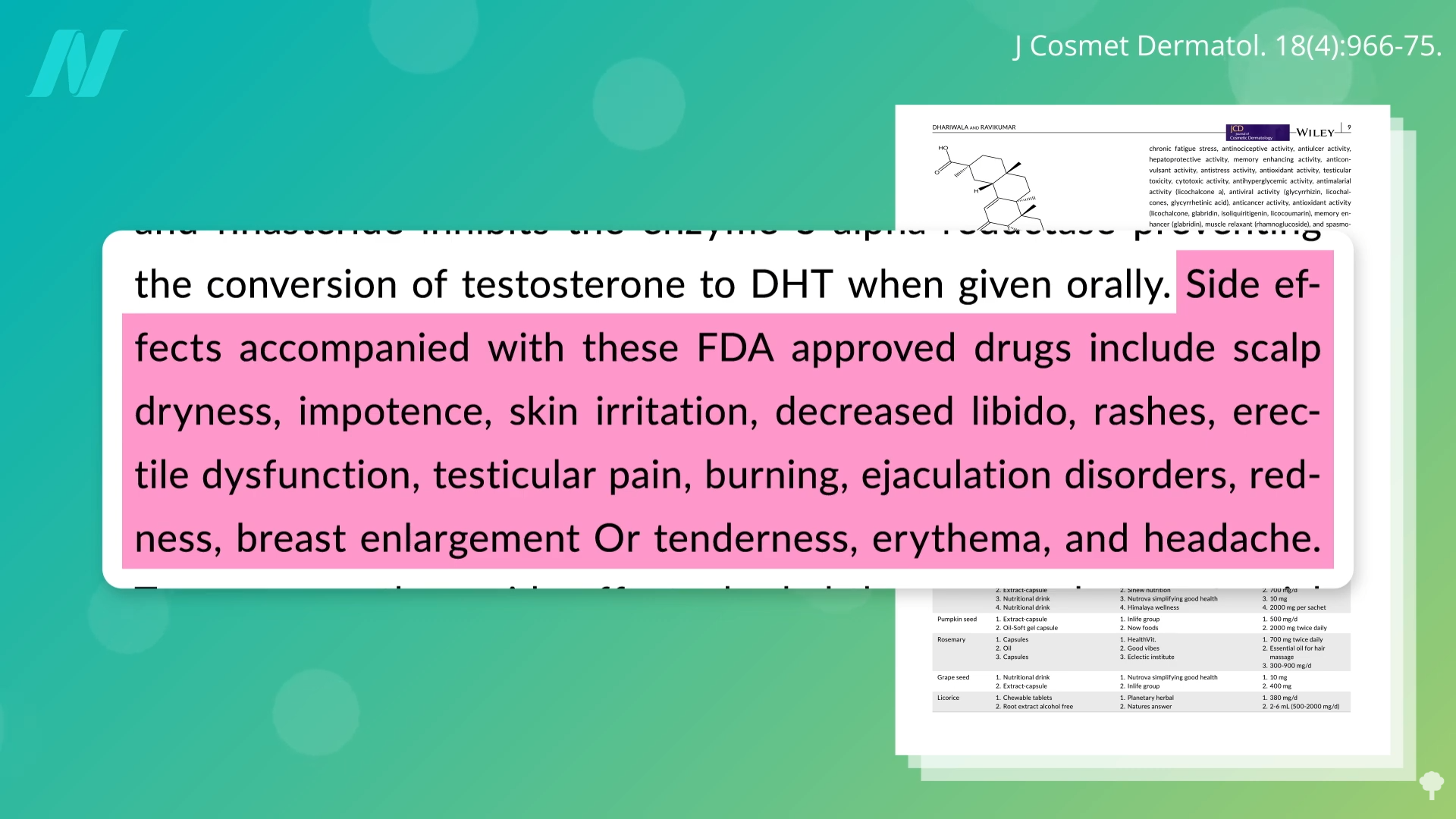
The hormonal impact of Propecia, however, extends beyond its intended target, leading to a spectrum of potential side effects. These can include diminished libido, erectile dysfunction, and, in some instances, testicular pain and breast enlargement (gynecomastia) in men. These side effects are a direct consequence of altering the body’s hormonal balance. For women, particularly those who are pregnant or may become pregnant, Propecia is contraindicated due to the risk of feminizing male fetuses.
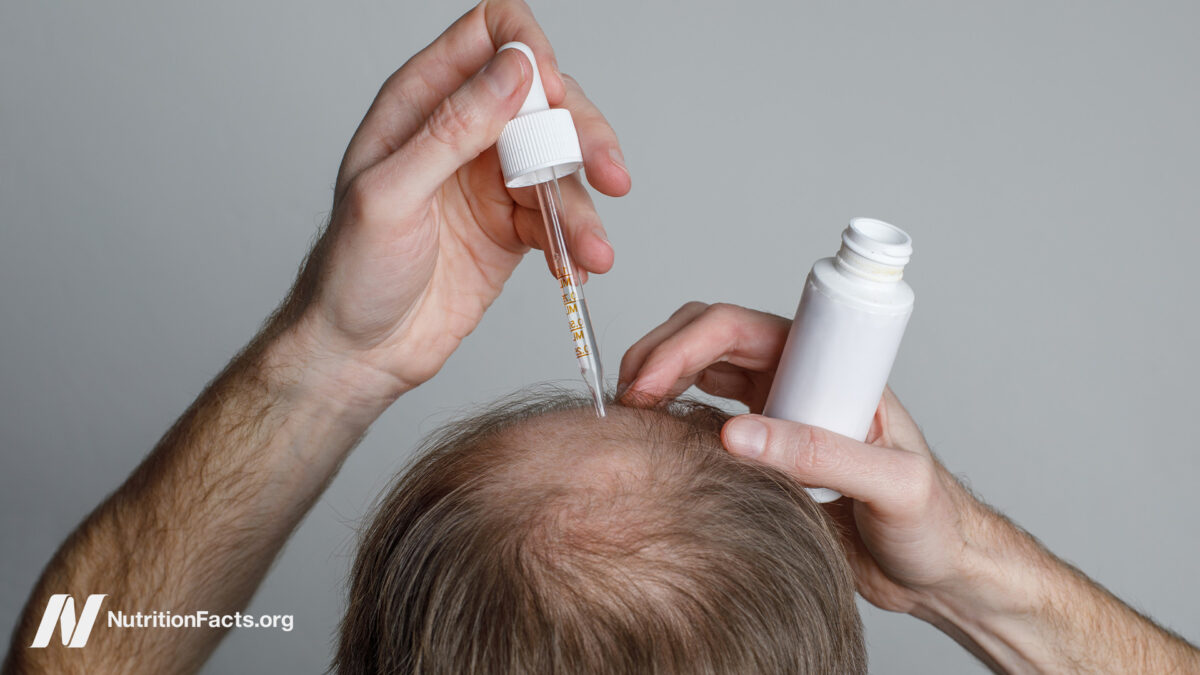
Minoxidil, available in both topical and oral forms, operates through a different mechanism. While the precise way it stimulates hair growth is not fully understood, it is believed to work by widening blood vessels in the scalp, thereby improving blood flow to hair follicles and prolonging their growth phase. The most common side effect associated with topical minoxidil is scalp irritation, manifesting as itching or redness.
The Historical Context of Androgen Research and Its Implications
The understanding of androgens’ role in hair growth has a long and complex history, intertwined with some of the more disturbing chapters of medical ethics. Early research, dating back half a century, demonstrated a profound link between castration and the cessation of hair loss in men. This correlation, while scientifically illuminating, was observed within the context of the eugenics movement that gained traction in the United States in the early 20th century.
The eugenics movement, driven by a flawed ideology of improving the human gene pool through selective breeding, led to coercive sterilization practices. Individuals deemed "mentally handicapped" or otherwise undesirable were often subjected to involuntary sterilization, including castration in men and tubal ligation in women, without their informed consent. The United States was a pioneer in enacting eugenic laws, which were controversially upheld by the U.S. Supreme Court. By the 1930s, proponents of the movement expressed concern that other nations, particularly Germany, were surpassing the U.S. in implementing these policies, highlighting the international reach and influence of this ideology. This historical backdrop serves as a stark reminder of how scientific understanding can be, and has been, misused.
Propecia’s Mechanism of Action: A Deeper Look
Finasteride, the active ingredient in Propecia, directly targets the 5-alpha reductase enzyme. There are two main isoforms of this enzyme: Type 1 and Type 2. Finasteride primarily inhibits Type 2 5-alpha reductase, which is more prevalent in hair follicles and the prostate. By blocking this enzyme, finasteride effectively reduces the conversion of testosterone to DHT.
The implications of this hormonal manipulation are significant. DHT is not only critical for male pattern baldness but also plays a role in the development and maintenance of male secondary sexual characteristics. Consequently, reducing DHT levels can lead to the aforementioned sexual side effects. Furthermore, emerging research suggests that finasteride’s effects might extend to the central nervous system. Studies analyzing cerebrospinal fluid in individuals experiencing persistent sexual dysfunction after discontinuing the drug have revealed alterations in neurosteroid levels, even when peripheral hormone levels appear normal. This has led to recommendations for prescribers and patients to be fully aware of the potential long-term risks associated with finasteride, especially when used for a cosmetic purpose.
Persistent Sexual Dysfunction: A Cause for Concern
A particularly concerning aspect of finasteride use is the potential for persistent sexual dysfunction. While drug companies are mandated to disclose side effects, the long-term nature and potential permanence of these issues have become a significant point of discussion and concern within the medical community. Reports indicate that a substantial percentage of study participants have experienced "persistent sexual dysfunction" for six years or more after ceasing the medication. This has raised questions about whether the drug can induce structural changes in brain regions responsible for sexual function. The persistence of these side effects, even after the drug is no longer present in the system, underscores the need for thorough patient counseling and a careful risk-benefit analysis before initiating treatment.
The Search for Alternatives and the Role of Nutrition
Given the potential risks associated with current FDA-approved medications, the medical community acknowledges a clear need for alternative treatments for male and female pattern baldness. To date, no entirely novel interventions have become standard practice. This ongoing void highlights the importance of exploring all avenues, including lifestyle and dietary interventions.
The role of nutrition in hair health is an area of increasing scientific interest. While the direct impact of specific foods on reversing established hair loss is still under investigation, a balanced and nutrient-rich diet is fundamental for overall health, including the optimal functioning of hair follicles. The subsequent exploration of how dietary choices might influence hair growth is a critical component of a holistic approach to managing hair loss.
Doctor’s Note and Related Series
This article is part of a broader three-part series examining hair loss and growth. The preceding installment, "Do Hair Growth Supplements Work?", delves into the efficacy of non-prescription supplements, while future segments will likely explore nutritional strategies and other emerging avenues for hair restoration.
Furthermore, it is worth noting that sexual dysfunction is not exclusive to hair loss medications. Certain antidepressants, such as Prozac, can also induce these side effects. Research is ongoing into potential dietary interventions that may help mitigate antidepressant-induced sexual dysfunction, offering a parallel pathway for addressing related health concerns.
Broader Impact and Future Directions
The discussion surrounding Propecia and Rogaine extends beyond individual patient outcomes. It touches upon the pharmaceutical industry’s responsibility in disclosing long-term risks, the ethical considerations in marketing treatments for cosmetic concerns, and the imperative for continued research into safer and more effective hair loss solutions. The prevalence of hair loss, affecting millions globally, underscores the significant unmet need for treatments that offer genuine efficacy without compromising long-term health and well-being. Future research endeavors are likely to focus on understanding the complex interplay of genetics, hormones, and environmental factors that contribute to hair loss, with the ultimate goal of developing targeted and sustainable interventions. The ongoing exploration of nutritional science in this domain also promises to provide valuable insights into a more natural and potentially safer approach to promoting hair health.

