

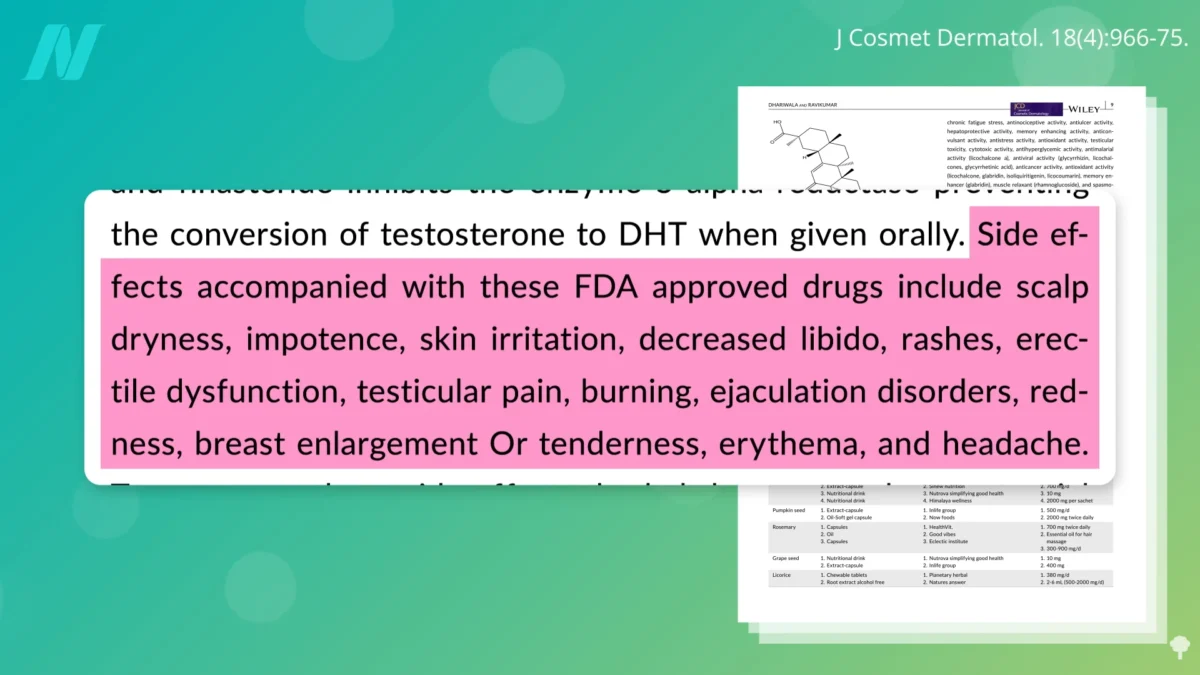
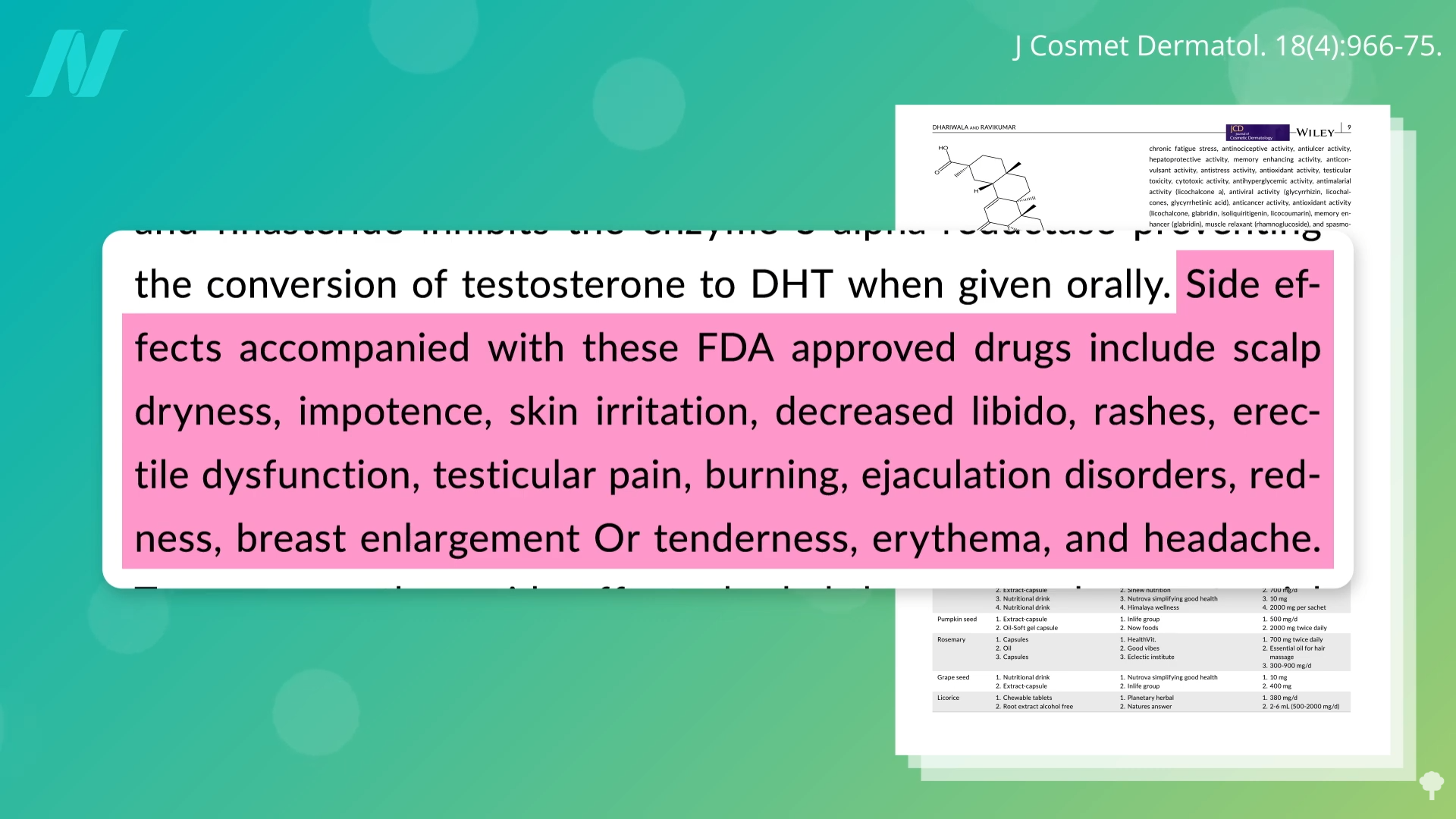
The pursuit of hair restoration has led consumers down a labyrinth of remedies, with many finding themselves exposed to a multitude of unproven treatments advertised across the internet. However, robust scientific evidence for efficacy is primarily linked to medications approved by the U.S. Food and Drug Administration (FDA): finasteride, marketed as Propecia, and minoxidil, known by the brand name Rogaine. The notion that numerous patented hair-loss supplements can significantly boost hair growth is largely considered a myth, and these over-the-counter options can prove to be considerably more expensive, with annual costs potentially exceeding $1,000, compared to the $100 to $300 range for the approved drugs. While these pharmaceutical interventions can offer benefits, they are not without their own set of potential side effects. Propecia has been associated with a diminished libido and sexual dysfunction, while topical minoxidil can induce scalp itching.
Understanding the Mechanisms and Side Effects of Approved Hair Loss Treatments
To fully appreciate the potential drawbacks of Propecia, particularly its hormonal side effects such as impotence, testicular pain, and breast enlargement, it is crucial to understand its pharmacological mechanism of action. The drug targets the role of androgens, male hormones like testosterone, which are recognized as the primary drivers of hair growth in both men and women. Historical research, dating back over fifty years, provided early insights into this relationship. Studies demonstrated that castration in men effectively halted hair loss, a phenomenon linked to the reduction in androgen levels. The context of these early castration studies is important to note; they were sometimes performed in individuals subjected to eugenics laws in the United States, where individuals deemed "mentally handicapped" were forcibly sterilized. This dark chapter in American history saw widespread, non-consensual sterilization, with the U.S. being a pioneer in implementing such eugenic legislation, which was later upheld by the Supreme Court. By the 1930s, concerns were voiced that other nations, such as Germany, were surpassing the U.S. in their application of these controversial practices.
Returning to the science of hair loss, testosterone is the predominant androgen circulating in the bloodstream. It can be converted into dihydrotestosterone (DHT), a more potent androgen, by an enzyme known as 5-alpha reductase. Propecia functions by blocking this enzyme, thereby inhibiting the conversion of testosterone to DHT. This mechanism is the root cause of its potential hormonal side effects. Consequently, Propecia is not prescribed to women, as it could lead to the feminization of male fetuses. In men, the drug can precipitate sexual side effects, including erectile dysfunction. This particular side effect has garnered significant attention, as drug manufacturers have been mandated to disclose that the difficulty in achieving an erection can persist even after discontinuing the medication. Reports indicate that a substantial percentage of study participants have experienced persistent sexual dysfunction for six years or longer after stopping Propecia, raising concerns about the potential for permanent effects.
Neurosteroid Alterations and Long-Term Implications
Further research suggests that Propecia may not only impact peripheral sexual function but could also structurally alter brain regions responsible for sexual activity. While hormone levels in the blood of users experiencing persistent side effects may appear normal, analyses of cerebrospinal fluid—obtained through spinal taps—have revealed altered neurosteroid levels. This has led to recommendations that prescribers and potential users of finasteride be fully informed about the potential serious long-term risks associated with a medication primarily used for cosmetic purposes. The implications of these findings are significant, particularly when considering the long-term use of a drug for a condition that, while distressing for many, is not typically life-threatening. The potential for irreversible changes to sexual function and neurological pathways warrants a cautious approach to treatment.
Minoxidil: Topical Application and Its Challenges
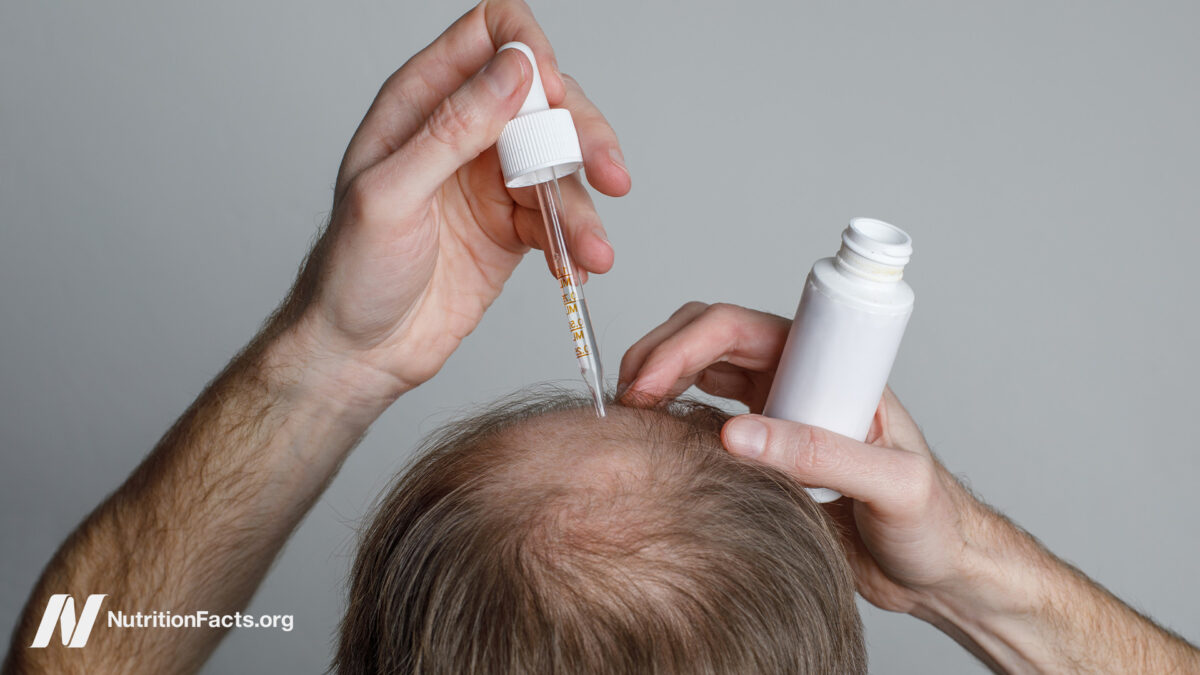
Minoxidil, commonly sold as Rogaine, represents another FDA-approved pharmaceutical intervention for hair loss. Initially developed as an oral medication to treat high blood pressure, its side effect of stimulating hair growth was serendipitously discovered, leading to its reformulation as a topical treatment for androgenetic alopecia (pattern baldness). The precise mechanism by which topical minoxidil promotes hair growth is not fully elucidated but is believed to involve vasodilation, which may increase blood flow to hair follicles, and potentially by prolonging the anagen (growth) phase of the hair cycle.
While generally considered safer than finasteride due to its localized application and lack of systemic hormonal effects, topical minoxidil is not without its own set of adverse reactions. The most frequently reported side effect is scalp irritation, manifesting as itching, redness, and dryness. Some individuals may also experience unwanted hair growth in areas where the medication is not intended to be applied, a phenomenon known as hypertrichosis, if the solution or foam comes into contact with other parts of the body. Allergic reactions, though rare, are also a possibility. The cost of minoxidil, typically available over-the-counter, can vary depending on the formulation and brand, but annual expenses can still represent a considerable financial commitment for consistent users.
The Landscape of Hair Loss Treatments: A Need for Alternatives
As of current medical understanding, no novel interventions are routinely employed in the treatment of male or female pattern baldness beyond finasteride and minoxidil. Given the documented side effects associated with these existing drug options, there is a clear and pressing need for alternative therapeutic approaches. This unmet need fuels ongoing research into various avenues, including the potential role of dietary interventions. The question of whether specific foods or nutritional strategies can positively impact hair loss is a subject of growing interest and investigation.
A Multifaceted Approach to Hair Health
The exploration of hair loss and its potential treatments extends beyond pharmaceutical solutions. The field of nutrition, for instance, is increasingly recognized for its influence on overall health, including the health and growth of hair. While specific dietary recommendations for hair loss are complex and often individualized, a balanced diet rich in essential vitamins, minerals, and proteins is fundamental. Deficiencies in nutrients such as iron, zinc, biotin, and vitamin D have been anecdotally linked to hair thinning and loss. However, it is critical to distinguish between addressing a diagnosed nutritional deficiency and relying on supplements as a panacea for hair loss.
The intricate relationship between diet and hair health underscores the importance of a holistic approach. This includes managing stress, ensuring adequate sleep, and avoiding harsh hair treatments that can damage follicles. For individuals seeking to address hair loss, a comprehensive evaluation by a healthcare professional is paramount. This assessment should consider genetic predisposition, underlying medical conditions, hormonal imbalances, and lifestyle factors before embarking on any treatment regimen, whether pharmaceutical, nutritional, or otherwise. The ongoing quest for effective and safe hair restoration solutions continues, with a significant emphasis on developing interventions that offer efficacy without compromising long-term health and well-being. The journey from understanding the basic science of hair growth to developing practical, widely accessible, and safe treatments remains an active area of medical and scientific endeavor.

