

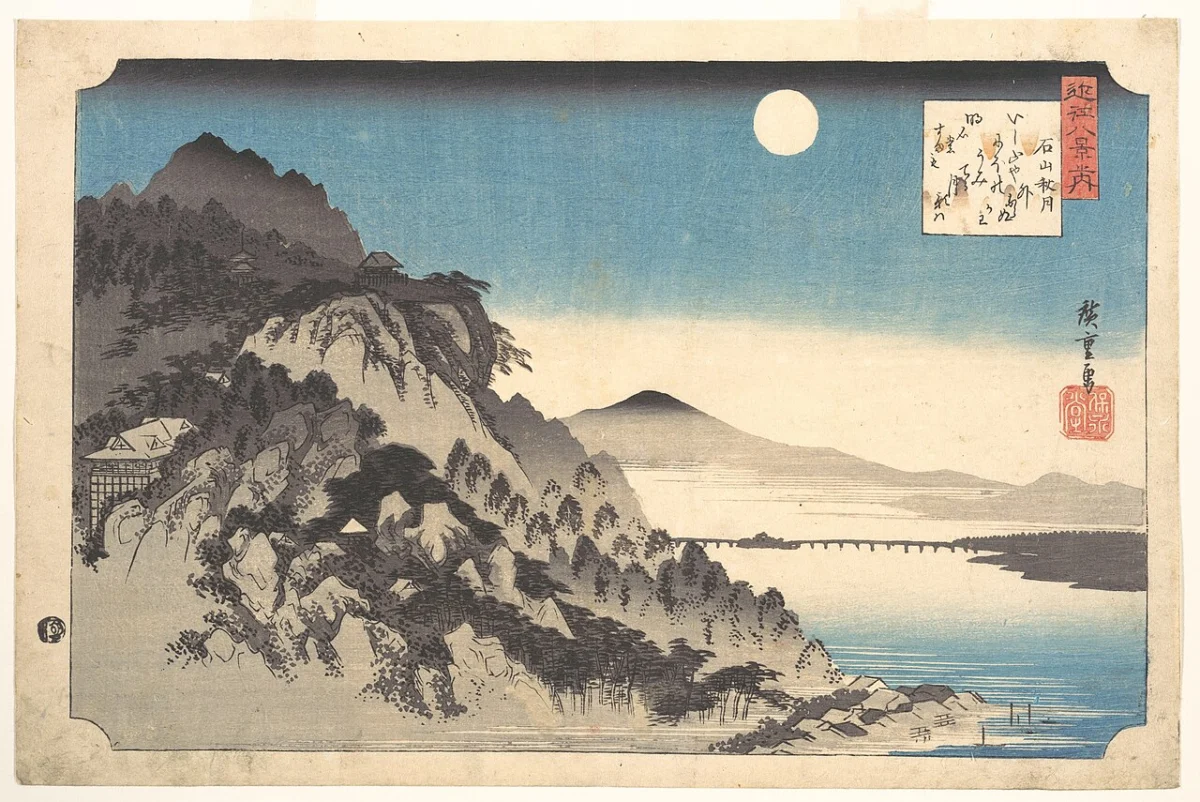
The profound reflections of Kenko Yoshida, a 14th-century Japanese monk, calligrapher, and poet, continue to resonate across centuries, offering timeless insights into the human condition, impermanence, and the pursuit of spiritual awakening. Excerpts from his seminal work, "Essays in Idleness" (Tsurezuregusa), a cornerstone of the zuihitsu literary style—meaning "follow the brush"—present a curated collection of 243 observations on the ephemeral nature of existence, the grip of desire, the illusions we chase, and the path toward enlightenment. Composed during a period of significant societal and political upheaval in Japan, Kenko’s musings provide a unique lens through which to understand not only the spiritual landscape of his era but also the enduring anxieties and aspirations that define human life.
The Fleeting Beauty of Existence: A Monk’s Contemplation
One particular passage from Kenko’s collection, essay number 20, captures a poignant sentiment shared by a recluse monk: "I have relinquished all that ties me to the world, but the one thing that still haunts me is the beauty of the sky." This simple yet profound statement underscores a universal human experience—the lingering attachment to aesthetic beauty even after renouncing worldly possessions and affiliations. Kenko’s affirmation, "I can quite see why he would feel this," validates this sentiment, suggesting that the appreciation of natural beauty transcends ascetic disciplines and can serve as a powerful, albeit sometimes melancholic, connection to the world. The sky, vast and ever-changing, serves as a constant reminder of both the infinite and the transient, a dualistic presence that can inspire awe and contemplation.
The Inevitable Tide of Change: Ruin and Remembrance
Essay number 25 delves deeply into the theme of impermanence, painting a vivid picture of the world’s ceaseless transformation. Kenko likens the world to the fluctuating depths of the Asuka River, where time relentlessly erodes all that was. He observes how joy and sorrow ebb and flow, how once-magnificent locales devolve into desolate ruins, and how familiar homes become occupied by strangers. The silent presence of peach and plum trees, unburdened by human memory, amplifies the poignancy of this transience.
The essay then focuses on the poignant ruin of once-grand residences, particularly those whose former glory the observer never witnessed. Kenko specifically highlights the Kyogoku-dono and Hojoji Temple, structures born from the ambitious visions of their creator, the Midodono. This patron, filled with plans for his family to maintain regency over future emperors and secure enduring worldly power, likely never envisioned the eventual decay of his legacy. The temple gates and the Kondo (main hall) stood until recently, but the south gate was consumed by fire in the Showa era, and the Kondo later collapsed, with no efforts made to restore it. Only the Muryoju Hall, housing an awe-inspiring row of nine fifteen-foot-tall Buddha images, remains largely intact. Even the calligraphy by Grand Counsellor Kozei and the writings of Kaneyuki on the doors persist, testaments to a bygone era. Kenko questions the longevity of even these remnants, noting the Hokke-do’s apparent continued existence with an undertone of apprehension. In places where even these traces have vanished, only foundation stones remain, their original purpose lost to time and memory. This stark depiction serves as a powerful testament to the fickle nature of the world and the futility of planning for futures one will not witness.
The Urgency of Spiritual Pursuit: Seizing the Moment
In essay number 59, Kenko addresses the critical imperative of pursuing spiritual enlightenment without delay. He cautions against deferring this crucial path for the sake of other, often trivial, worldly concerns. The tendency to postpone spiritual commitment with rationalizations such as "let’s just wait until this is over," "while I’m at it, I’ll just see to that," or "people will criticize me if I don’t address this first," ultimately leads to an endless cycle of procrastination. Each perceived necessity becomes a barrier, ensuring that the "day of decision" for spiritual engagement never arrives.

Kenko observes that reasonably sensitive and intelligent individuals often spend their entire lives without taking the step they intuitively know they should. He draws a stark analogy: would someone with a fire raging behind them pause before fleeing? In matters of life and death, he argues, one abandons shame and riches to escape. Mortality, however, does not await our convenience. Death arrives with a swiftness that eclipses fire or flood, and there is no evading its ultimate embrace. At that moment, who can refuse to part with loved ones, wealth, or status? This powerful rhetoric underscores the urgency of spiritual practice, framing it not as a secondary concern but as a vital escape from the ultimate peril of death.
The Futility of Worldly Striving: A Cycle of Greed and Delusion
Essay number 74 paints a vivid, almost frantic, picture of human existence as a relentless swarm, akin to ants scurrying in all directions. People of all strata—high and low birth, young and old—engage in constant movement: going, returning, sleeping, waking. Kenko questions the purpose of this ceaseless activity, attributing it to an insatiable greed for life and an unquenchable lust for gain. The meticulous care we afford our bodies, he suggests, is ultimately futile, as old age and death are the only certainties awaiting us. These inevitable realities approach with unyielding speed, leaving little room for pleasure in the interim.
Kenko criticizes those who, blinded by the allure of fame and fortune, remain oblivious to this fundamental truth. They are "deluded," captivated by the ephemeral, and fail to perceive what lies immediately before them. These "fools" lament their mortality while simultaneously pursuing eternal life, utterly ignorant of the law of mutability. This passage serves as a potent critique of materialism and ambition, highlighting how attachment to worldly pursuits blinds individuals to the true nature of existence and the inevitability of death.
The Power of Contact: Virtuous Gestures and Inner Transformation
In essay number 157, Kenko explores the concept of "contact" and its influence on human urges and spiritual development. He posits that engaging with an object or situation inevitably triggers a corresponding impulse: picking up a brush leads to writing, holding an instrument prompts music, a sake cup evokes the desire for drink, and dice inspire gambling. This principle, Kenko warns, necessitates avoiding wrongful pastimes.
However, he also highlights the virtue of contact in a spiritual context. A mere glance at a phrase from sacred teachings can lead to deeper engagement, potentially rectifying years of error. If one had not encountered that initial phrase, the realization might never have occurred. Similarly, even a perfunctory act of seating oneself before a Buddha image, holding a rosary, or picking up a sutra book can be a virtuous act, regardless of one’s existing faith. Even with a distracted mind on a meditation cushion, the act of sitting can lead to meditative states. Kenko emphasizes the intrinsic unity of phenomena and their essence, asserting that outward actions, when aligned, naturally foster inner realization. He advocates for reverence towards these "empty gestures," suggesting that they hold inherent merit, even in the absence of profound faith.
The Illusory Nature of Desire and the Immediate Call to the Buddhist Way
Essay number 241 revisits the theme of impermanence, using the fleeting beauty of the full moon as a metaphor. Its perfect roundness lasts but a moment, quickly fading from view. Kenko observes that those who lack an "eye for such things" fail to notice this nightly transformation, mirroring their inability to perceive the broader shifts in life.
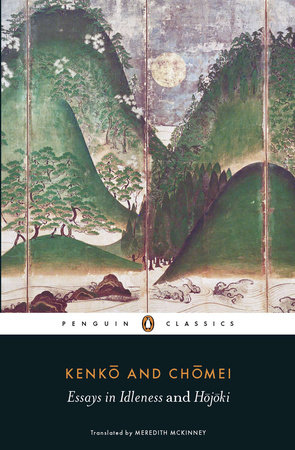
This leads to a crucial admonition: "If you plan to turn your thoughts to the Buddhist Way after you have fulfilled all your desires, you will find that those desires are endless." This statement encapsulates a central tenet of Buddhist philosophy—that desire is the root of suffering, and its fulfillment is an illusion. Kenko illustrates this with the example of illness. As an illness progresses, death draws nearer. Yet, in the early stages, when sickness is mild and death seems distant, individuals are lulled into a false sense of normalcy, postponing their spiritual journey until all worldly ambitions are met. This often results in regret and unfulfilled desires when illness strikes and confronts them with mortality. In their desperation, they vow to dedicate themselves to spiritual practice if they recover, but their prayers often go unanswered, and they die in delirium, their spiritual aspirations unrealized.
Kenko stresses the need to grasp this truth immediately: "here and now." He reiterates that the pursuit of desires is a futile endeavor in this "illusory life." All desire, he concludes, is delusion, stemming from a "lost and deluded mind." The solution is simple yet profound: "Relinquish all today and turn to the Buddhist path, and you will be freed of all obstruction, released from the need for action, and lasting peace will be yours body and soul." This exhortation underscores the transformative power of immediate commitment to the spiritual path.
The First Buddha: A Child’s Insight and a Father’s Wisdom
The final excerpt, essay number 243, offers a charming and insightful anecdote from Kenko’s childhood. At the age of eight, he posed a fundamental question to his father: "What sort of thing is a buddha?" His father’s reply, "A buddha is what a human becomes," initiated a chain of inquiry that led to a profound revelation. When asked how a human becomes a buddha, the father explained it was by following the Buddha’s teaching. The subsequent question, "So who taught the Buddha?" led to the answer, "He became a buddha by following the teaching of previous buddhas." Finally, the inquisitive child asked, "So what sort of buddha was the first one who began the teaching?"
The father, stumped and amused, responded, "I suppose he just fell from the sky like rain or rose out of the earth like water." He would often recount this story, admitting, "He had me cornered. I couldn’t think what to reply." This seemingly simple exchange highlights the elusive nature of ultimate origins and the inherited lineage of spiritual wisdom. It also subtly points to the idea that the Buddha’s enlightenment, and indeed all enlightenment, is not a singular, unprecedented event but a continuous unfolding of truth, passed down through generations. The father’s response, while playful, hints at the ineffable and self-manifesting nature of ultimate reality, a concept central to many spiritual traditions.
In essence, Kenko’s "Essays in Idleness" serves as a timeless meditation on the ephemeral nature of life, the seductive power of desire, and the urgent necessity of spiritual awakening. Through vivid imagery and poignant reflections, he guides readers toward a deeper understanding of impermanence and the profound peace that can be found by relinquishing worldly attachments and embracing the Buddhist path. The enduring relevance of his work lies in its ability to confront universal human anxieties with clarity, wisdom, and a gentle, yet insistent, call to live more mindfully and purposefully.

