

The established definition of protein quality, a cornerstone of nutritional science for decades, is facing increasing scrutiny, with a growing body of research suggesting it may be outdated and misaligned with contemporary public health challenges. A compelling argument for modernizing this definition, first articulated in a 2019 publication by Dr. David Katz and colleagues, including prominent researcher David Jenkins, posits that the current framework prioritizes biochemical assessments over holistic human health outcomes. This prevailing understanding, often leading to the simplistic notion that "more protein is better" and implicitly favoring animal-derived sources, stands in stark contrast to evolving dietary guidelines that advocate for increased plant-based consumption. While protein malnutrition remains a significant concern in many parts of the world, the focus in industrialized nations has shifted dramatically. Here, the most formidable public health threats stem not from acute deficiencies like kwashiorkor, but from the pervasive burden of chronic diseases.
The Shifting Landscape of Protein Research
The prevailing definition of protein quality, largely rooted in the concept of essential amino acid profiles and their utilization for growth and repair, has historically given a higher rating to animal proteins like meat, eggs, and dairy. This is due to their complete amino acid profiles, meaning they contain all nine essential amino acids in proportions that are readily utilized by the human body. In contrast, many plant-based proteins are considered "incomplete," requiring a combination of different plant sources throughout the day to ensure adequate intake of all essential amino acids.
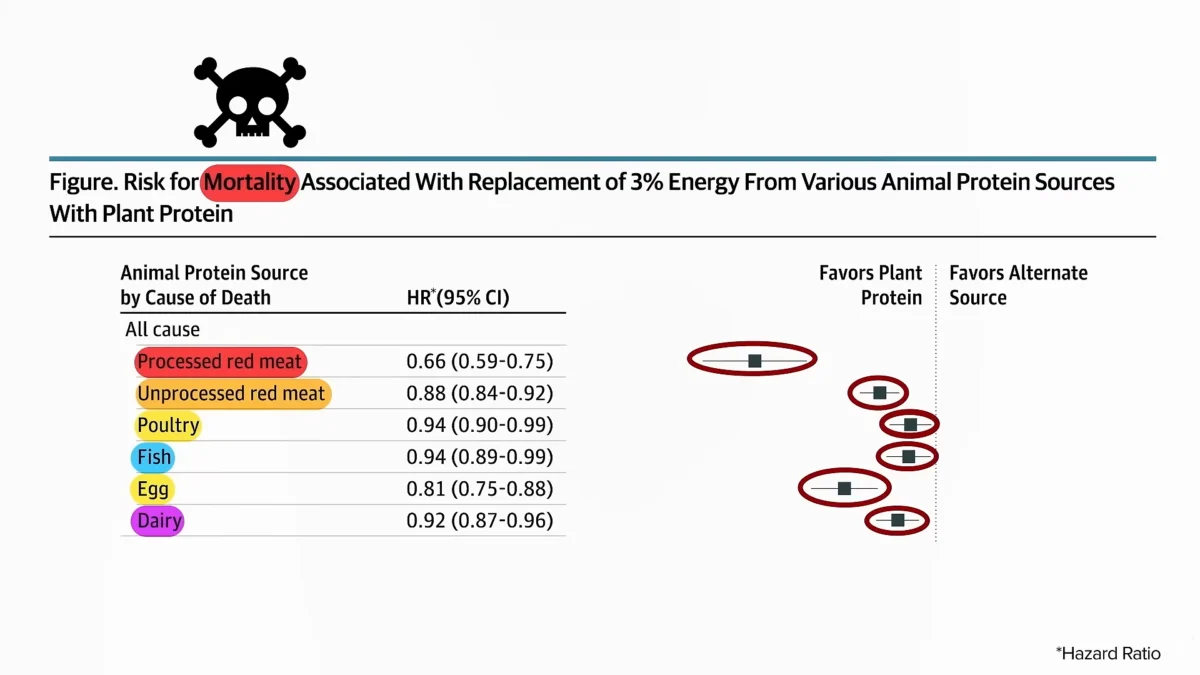
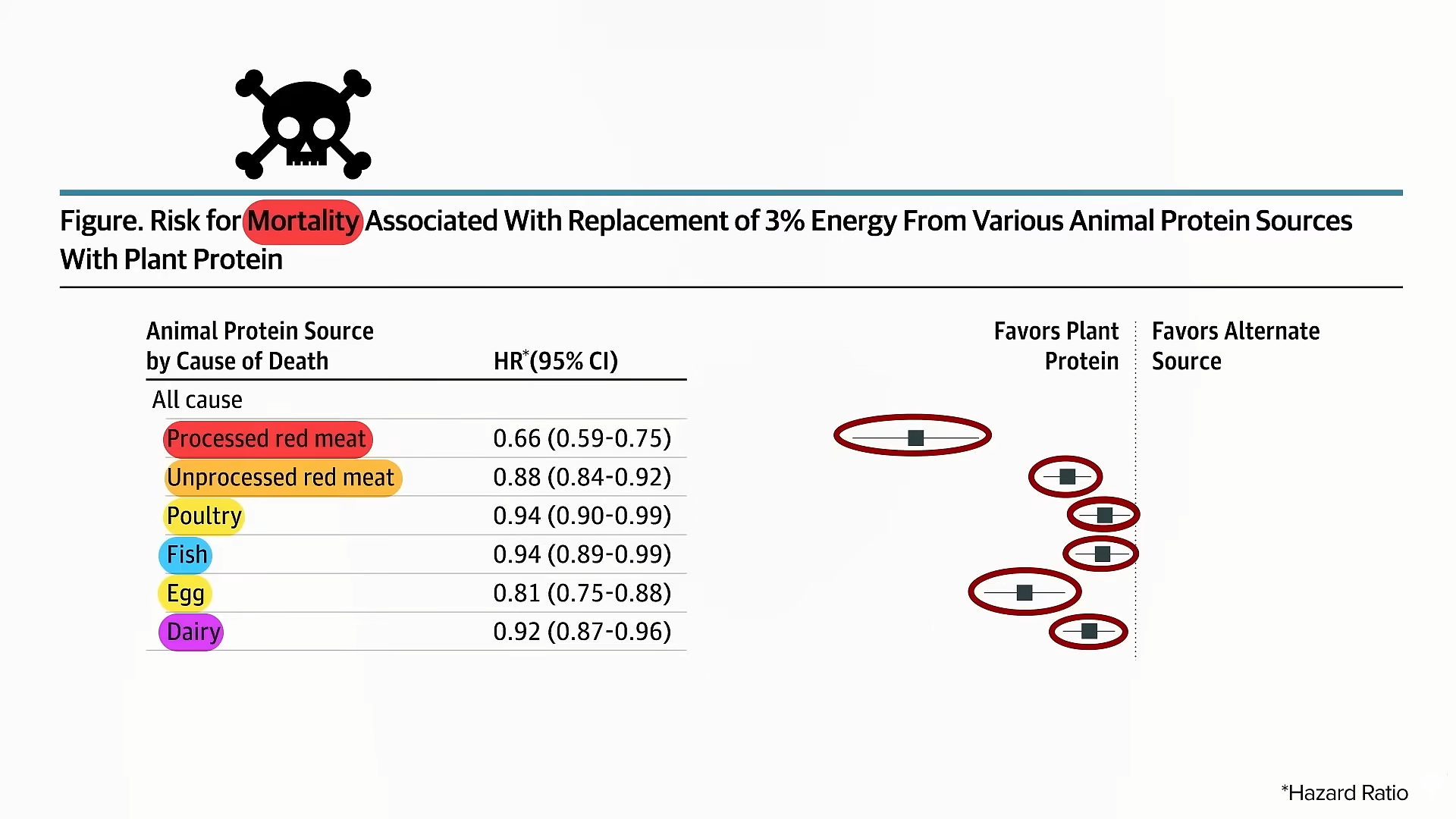
However, this biochemical perspective has been challenged by epidemiological studies that reveal a different story regarding long-term health outcomes. A landmark Harvard study published in 2016, which meticulously tracked over 100,000 individuals, established a significant association between replacing animal protein with plant protein and a reduced risk of premature mortality. The study’s findings were particularly striking: even a modest substitution of just 3% of daily calories from animal protein with plant protein was linked to a substantially lower risk of death from all causes. Processed meats, such as bacon, and egg protein, specifically egg whites, were identified as particularly detrimental when consumed in higher quantities. This research provided concrete, population-level data suggesting that the perceived "quality" of protein, as defined by amino acid composition alone, might not fully capture its impact on human longevity and well-being.
Unpacking the Mechanisms: Beyond Amino Acids
The question naturally arises: if protein is protein, how can the source make such a profound difference? Researchers have explored several potential mechanisms to explain these observed associations, moving beyond simple amino acid content.

1. Branched-Chain Amino Acids (BCAAs): A key distinction between plant and animal proteins lies in their branched-chain amino acid (BCAA) content. Animal proteins are generally richer in BCAAs, which include leucine, isoleucine, and valine. While BCAAs play a role in muscle protein synthesis, excessive intake has been linked to adverse metabolic effects. Studies have indicated that a decreased consumption of BCAAs can improve metabolic health, potentially by reducing insulin resistance and improving glucose metabolism. This suggests that the higher BCAA load from animal proteins might contribute to the increased mortality risk observed in some populations.
2. Insulin-Like Growth Factor 1 (IGF-1): Another critical factor under investigation is the impact of dietary protein on Insulin-like Growth Factor 1 (IGF-1). This hormone, crucial for growth and development, is also implicated in the proliferation of cancer cells. Research suggests that "high-quality" animal protein intake, particularly from dairy and red meat, can stimulate higher levels of IGF-1. This connection is supported by observations that individuals with naturally higher IGF-1 levels, regardless of their diet, tend to exhibit increased rates of chronic diseases like type 2 diabetes and heart disease. The correlation between elevated IGF-1 and these life-threatening conditions suggests a potential causal link, where the dietary patterns promoting higher IGF-1 levels contribute to disease development.
3. Bioaccumulation of Pollutants: Beyond the intrinsic properties of protein, the presence of environmental contaminants in animal products presents another significant concern. Persistent organic pollutants (POPs) like dioxins and polychlorinated biphenyls (PCBs) tend to bioaccumulate in the fatty tissues of animals, moving up the food chain. Consequently, consumption of animal products, especially fatty meats and fish, can lead to a higher body burden of these harmful toxins. The Harvard study, while adjusting for saturated fat intake, may not have fully accounted for these cumulative pollutants. Therefore, a shift towards plant-based proteins can serve as an important strategy for reducing exposure to these dietary toxins, thereby contributing to better health outcomes.
Large-Scale Cohort Studies Reinforce the Findings
The robustness of the association between animal protein consumption and adverse health outcomes is further strengthened by the sheer scale of population studies. Beyond the 2016 Harvard research, the U.S. National Institutes of Health-AARP Diet and Health Study, one of the largest cohort studies in history involving approximately 400,000 participants, provided additional compelling evidence. This extensive study corroborated the findings, demonstrating that replacing just 3% of daily calories from animal protein with plant protein was associated with a 10% reduction in overall mortality. The benefits were even more pronounced when egg consumption was eliminated, highlighting eggs as a particular area of concern. This aligns with other research linking egg consumption to an increased risk of cardiovascular disease.
A Paradigm Shift in Dietary Recommendations
The cumulative evidence from these large-scale studies points towards a significant recalibration of how we perceive and recommend protein intake. Meta-analyses that synthesize data from numerous studies on dietary protein intake and mortality consistently reveal a pattern: higher overall protein consumption, when driven by animal sources, is associated with shorter lifespans. Conversely, increased plant protein intake demonstrates an inverse relationship with mortality, meaning individuals who consume more plant protein tend to live longer. This stark contrast underscores the need for a nuanced understanding of protein, moving beyond a one-size-fits-all approach and recognizing the distinct health implications of animal versus plant-based sources.
Implications for Public Health Policy and Individual Choices
The implications of this evolving understanding of protein quality are far-reaching. For public health organizations, it necessitates a re-evaluation of dietary guidelines and recommendations. Messaging around protein should shift from simply emphasizing quantity to highlighting the importance of protein source. Encouraging a transition towards plant-based protein sources is no longer solely an ethical or environmental consideration, but a critical public health strategy for mitigating the burden of chronic diseases.
For individuals, this research empowers them to make more informed dietary choices. The evidence suggests that a conscious effort to increase plant protein intake, whether through legumes, nuts, seeds, or whole grains, while moderating consumption of animal proteins, particularly processed and red meats, can be a powerful tool for enhancing longevity and reducing the risk of premature death. This does not necessarily imply complete elimination of animal products for everyone, but rather a significant rebalancing of dietary patterns.
Addressing Common Nutritional Concerns
The shift towards plant-based proteins often raises questions about nutritional adequacy. However, extensive research has debunked the myth of protein combining, demonstrating that consuming a variety of plant-based foods throughout the day ensures the intake of all essential amino acids. Furthermore, the question of "how much protein do we need?" is often oversimplified. While protein is essential, excessive intake, especially from animal sources, appears to be detrimental. The focus should be on meeting individual needs through nutrient-dense plant foods.
The rise of plant-based meat alternatives also warrants consideration. While these products can serve as a transitional food for some, their nutritional profiles can vary significantly, and they may still contain high levels of sodium and processed ingredients. Therefore, prioritizing whole, unprocessed plant foods remains the most effective strategy for harnessing the full health benefits of plant-based protein.
Conclusion: A Call for Modernization
The scientific evidence increasingly supports a redefinition of protein quality that prioritizes its impact on chronic disease prevention and longevity. The traditional biochemical definition, while informative in certain contexts, fails to capture the complex interplay between dietary protein sources and long-term human health. By recognizing the distinct health benefits associated with plant-based proteins and the potential risks linked to excessive animal protein consumption, we can foster a public health paradigm that is better equipped to address the chronic disease epidemics of the 21st century. Encouraging individuals to increase their plant protein intake is not merely a dietary suggestion; it is a scientifically validated strategy for promoting a longer, healthier life.

