

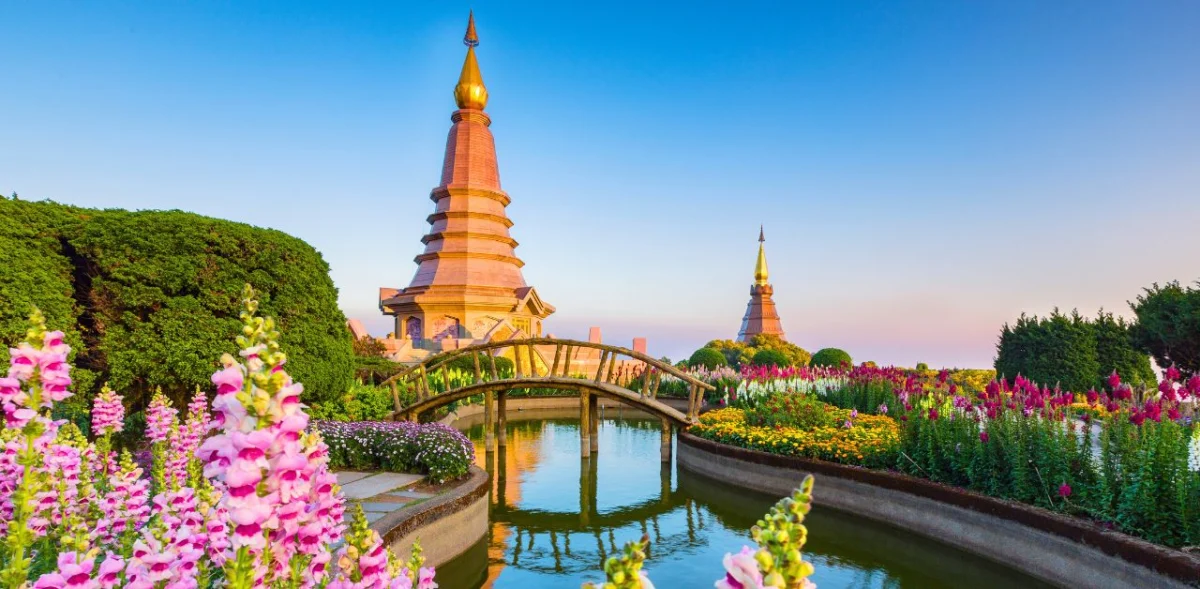
Thailand continues to solidify its position as a primary global hub for international tourism, blending ancient heritage with a rapidly modernizing infrastructure designed to accommodate high-value travelers. As the Tourism Authority of Thailand (TAT) pivots its marketing strategy toward "meaningful travel" and high-spending demographics, the concept of exploring the Southeast Asian kingdom in comfort has evolved from a luxury to a logistical standard. To maximize the experience of Thailand’s diverse landscapes—ranging from the mist-shrouded peaks of the north to the limestone karsts of the Andaman Sea—travelers are increasingly adopting sophisticated planning techniques that prioritize "slow travel" and cultural immersion over traditional high-volume itineraries.
Strategic Seasonal Planning and Meteorological Considerations
The foundational element of a comfortable Thai expedition is the alignment of travel dates with regional climatic patterns. Thailand’s geography creates distinct weather systems that do not always synchronize. While the general consensus points to the "cool and dry" season from November to February as the optimal window for national exploration, a more granular analysis reveals significant variations.

During this peak period, the central and northern regions, including Bangkok and Chiang Mai, experience manageable temperatures and low humidity, making it the ideal time for temple tours and mountainous trekking. However, travelers targeting the Gulf of Thailand (Koh Samui, Koh Phangan) must account for the late monsoon season, which often extends into November and December. Conversely, the Andaman Coast (Phuket, Krabi) enjoys its best maritime conditions during this time. Statistical data from the Thai Meteorological Department indicates that March through May represents the "hot season," where temperatures in inland cities can exceed 40°C (104°F), potentially compromising the comfort of those unaccustomed to tropical extremes.
Industry experts suggest that "slow travel"—the practice of spending more time in fewer locations—is the most effective way to mitigate travel fatigue and climate-related stress. By dedicating five to seven days per region, visitors can discover localized nuances, such as the hidden coffee culture of Chiang Rai or the residential art communities in Bangkok’s Thonburi district, which are often bypassed by those on rapid-transit schedules.
Professional Logistics and Bespoke Itinerary Management
The complexity of navigating Thailand’s internal logistics has led to a surge in demand for bespoke travel consultancy. Modern travelers are increasingly delegating the minutiae of trip coordination to specialized agencies. Firms such as Black Tomato have noted a growing trend in "seamless transitions," where every touchpoint—from expedited immigration services at Suvarnabhumi Airport to private villa check-ins—is managed by local experts.

The benefits of utilizing travel professionals extend beyond mere convenience. Expert planners provide a layer of "on-the-ground" intelligence that digital platforms cannot replicate. This includes access to private viewing hours at major historical sites, reservations at Michelin-starred establishments in Bangkok’s competitive dining scene, and the securing of licensed guides who possess deep academic knowledge of Ayutthaya and Sukhothai’s archaeological significance. For the premium traveler, these services transform a standard vacation into a curated educational and restorative experience, allowing the guest to focus entirely on the cultural environment rather than the friction of logistics.
The Evolution of Domestic Transportation Infrastructure
Thailand’s transportation sector has undergone significant modernization, offering a variety of modes that cater to different comfort levels. For long-distance travel, the domestic aviation network is among the most robust in Asia. Carriers such as Bangkok Airways and Thai Airways provide frequent connections between major hubs, significantly reducing transit time compared to road or rail.
For those seeking a more evocative journey, the State Railway of Thailand (SRT) has introduced upgraded sleeper carriages on its most popular routes, such as the Special Express "Utrapathiwat" to Chiang Mai. These modern trains offer air-conditioned privacy and represent a scenic, environmentally conscious alternative to flying.

Within urban centers, the digital revolution has simplified local mobility. Ride-hailing applications like Grab and Bolt have largely standardized pricing and eliminated the language barriers formerly associated with negotiating taxi or tuk-tuk fares. However, for maximum comfort, private chauffeured transfers remain the gold standard, particularly for families or small groups traveling between coastal resorts and inland attractions.
Strategic Accommodation Selection and Sustainability Trends
The Thai hospitality sector is currently defined by a shift toward "wellness-centric" and sustainable luxury. When selecting accommodations, the modern traveler must balance location with the quality of the environment. Centrally located hotels in Bangkok or Phuket provide immediate access to commerce and heritage sites, but the rise of "eco-resorts" in more secluded areas offers a different form of comfort: tranquility and environmental alignment.
Current data suggests that sustainability is no longer a niche preference but a core requirement for the luxury market. Many of Thailand’s top-tier resorts have implemented the Bio-Circular-Green (BCG) economy model, focusing on zero-waste kitchens, solar energy, and community-based sourcing. Prospective visitors are encouraged to consult peer-reviewed travel journals and verified platforms to assess a property’s commitment to both service excellence and ecological responsibility. A well-chosen hotel acts as a sanctuary, where the quality of sleep, nutrition, and service staff interactions directly influences the overall success of the journey.

Cultural Literacy and Social Etiquette
A significant yet often overlooked component of comfortable travel is social ease. Navigating Thailand with respect for its deeply ingrained traditions reduces friction and fosters genuine connections with the local population. The "Wai"—a traditional greeting involving a slight bow with palms pressed together—remains a vital social lubricant.
Religious sensitivity is paramount. When visiting the thousands of "Wats" (temples) across the country, dress codes are strictly enforced; shoulders and knees must be covered, and footwear must be removed before entering sacred spaces. Furthermore, the Thai monarchy is held in the highest esteem, and the country’s Lese-majeste laws are among the strictest in the world. Visitors should exercise decorum and avoid any public criticism or perceived disrespect toward the Royal Family.
Learning basic Thai phrases—such as "Sawatdee-krap/ka" (Hello) and "Khob-khun-krap/ka" (Thank you)—is more than a polite gesture; it is a tool for building rapport. In a culture that values "Jai Yen" (a cool heart or calmness), approaching interactions with patience and a smile often yields far better service and more authentic experiences than a demanding or confrontational attitude.

Conservation-Focused Tourism: Case Studies in Biodiversity
Thailand’s natural heritage is a primary draw for comfort-seeking travelers who wish to reconnect with the wild. However, the ethics of wildlife tourism have come under intense scrutiny, leading to a move toward observation-based conservation.
Khao Yai National Park and the Dong Phayayen-Khao Yai Forest Complex
As a UNESCO World Heritage site, Khao Yai serves as a critical sanctuary for the endangered Asian elephant. Spanning over 2,000 square kilometers, the park offers a "safari-style" experience that emphasizes habitat protection over animal performance. The complex is home to approximately 800 species of fauna, including the Asiatic black bear and the clouded leopard. For the traveler, comfort here is found in high-end glamping sites and guided night safaris that allow for wildlife viewing in a controlled, respectful manner.
Ang Thong Marine National Park
In the south, this archipelago of 42 islands represents the pinnacle of maritime conservation. The park’s karst topography and hidden lagoons are best explored via private yacht or high-speed catamaran, allowing visitors to avoid the mid-day crowds associated with mass-market day trips. The park’s "Look Khot" viewpoint offers a panoramic perspective of the Gulf of Thailand, illustrating the success of protected marine areas in maintaining biodiversity.

The Phuket Gibbon Rehabilitation Project
Located near the Bang Pae Waterfall, this project highlights the shift toward rehabilitative tourism. Unlike exploitative "photo-op" attractions, this center focuses on rescuing gibbons from the illegal pet trade and preparing them for reintroduction into the wild. Visitors are invited to learn about the 18 species of gibbons found in Southeast Asia, supporting conservation through education rather than direct interaction.
Broader Economic Impact and Future Outlook
The transition toward high-comfort, high-value tourism has profound implications for the Thai economy. By encouraging longer stays and higher per-capita spending, the government aims to reduce the environmental strain caused by over-tourism while ensuring that wealth is distributed more equitably among local communities and conservation projects.
As of late 2024, the Thai government has set ambitious targets to reach 35 million international arrivals, with a specific focus on diversifying the "luxury" category to include wellness, medical tourism, and digital nomadism. For the global traveler, these initiatives mean better infrastructure, more transparent pricing, and a wider array of experiences that cater to a sophisticated palate.

Ultimately, exploring Thailand in comfort is an exercise in intentionality. By respecting the climate, leveraging professional expertise, choosing ethical wildlife encounters, and adhering to local customs, visitors can experience the "Land of Smiles" in a way that is both personally enriching and culturally sustainable. The kingdom remains a testament to the idea that the most profound travel experiences are those where the logistics are silent, leaving only the beauty of the destination to speak.

