

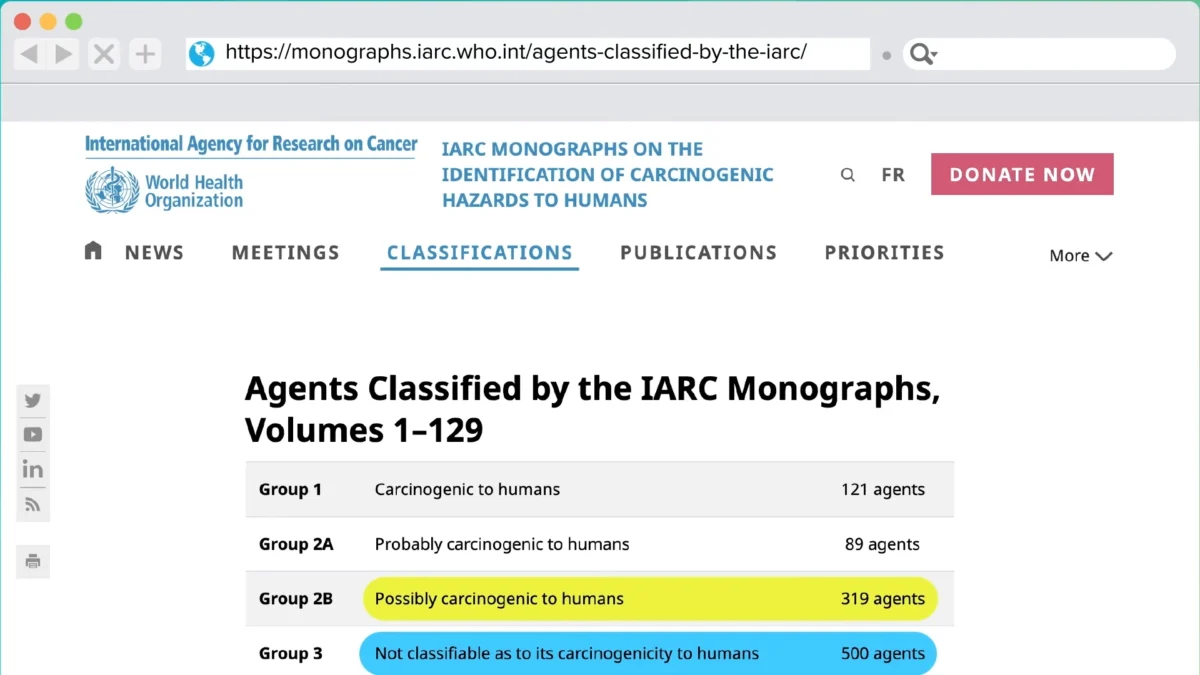
The International Agency for Research on Cancer (IARC), a specialized agency of the World Health Organization (WHO), has solidified its stance on processed meats, classifying them as Group 1 carcinogens – meaning there is sufficient evidence to conclude that they cause cancer in humans. This designation, based on a comprehensive review of over 800 studies, places processed meats in the same category as established carcinogens such as tobacco smoke, asbestos, and alcohol. The implications of this classification have reverberated through scientific, governmental, and industrial sectors, prompting a range of responses from outright denial to cautious acknowledgement.
The Genesis of Cancer Classification: A Legacy of Public Health Advocacy
The establishment of the IARC itself is rooted in a powerful act of public advocacy. The agency’s inception in 1965 was a direct response to a poignant appeal from a grieving husband, whose wife’s suffering from cancer prompted an open letter urging governments to allocate a portion of their military budgets towards combating this pervasive disease. This remarkable initiative led to the creation of an international body dedicated to cancer prevention and research, a testament to the potential for governmental action spurred by societal concern.
The IARC’s primary function involves the publication of monographs, extensive reports that meticulously evaluate the carcinogenic potential of various substances. These monographs are widely regarded as authoritative assessments within the scientific community. The 114th monograph, published in 2018, specifically focused on the carcinogenic risks associated with meat consumption. After an exhaustive review of the available scientific literature by a panel of 22 experts from 10 countries, the report concluded that while red meat is "probably carcinogenic to humans" (Group 2A), processed meat unequivocally falls into the Group 1 category.
Defining the Risk: What Constitutes Processed Meat and Its Impact
The IARC’s classification encompasses a broad spectrum of products commonly found in global diets. Foods such as bacon, ham, hot dogs, breakfast sausages, and various deli meats, including turkey slices, are identified as Group 1 carcinogens. The primary cancer linked to the consumption of processed meat is colorectal cancer, comprising cancers of the colon and rectum. Globally, colorectal cancer ranks as the second leading cause of cancer-related deaths, surpassed only by lung cancer, which is strongly associated with smoking. In the United States, colorectal cancer also holds the grim distinction of being the second leading cause of cancer mortality, and importantly, it is increasingly affecting younger demographics, posing a significant threat to individuals across a wide age spectrum.
Industry Rebuffs: Accusations of Overreach and Alarmism
The meat industry’s reaction to the IARC’s findings was swift and largely dismissive. Industry representatives characterized the classification as a "dramatic and alarmist overreach." The North American Meat Institute, for instance, issued statements emphasizing the perceived lack of context and the potential for misinterpretation of the scientific findings. In some instances, the response escalated to more aggressive rhetoric, with an Italian agricultural group issuing a press release urging the public to "Just say no to terrorism on meat."
This confrontational stance extended to concerted efforts to undermine the IARC’s funding and influence. The Canadian meat industry reportedly pressured the federal government to cease financial contributions to the IARC following the publication of its report. Similarly, the U.S. meat industry engaged in similar lobbying efforts, advocating for the withdrawal of funding from the agency. These actions highlight a broader pattern of corporate entities attempting to challenge scientific evaluations that may impact their commercial interests. Internal documents have revealed that industry players, including those associated with Monsanto (now owned by Bayer) and its Roundup pesticide, have been involved in alleged practices such as "ghost-writing" scientific papers and suppressing research that contradicts their assertions of product safety. This pattern of behavior echoes tactics historically employed by the tobacco industry in its efforts to dispute the link between smoking and cancer.
The Chemical Industry Joins the Chorus of Disagreement
The chemical industry has also added its voice to the opposition, echoing the sentiments of the meat industry. Representatives from this sector have described the IARC monographs as "dubious and misleading." This unified front from industries with significant commercial stakes in products that have faced scrutiny from the IARC suggests a coordinated strategy to discredit the agency’s findings and influence public perception. The broader implication is that corporate interests, regardless of the specific product, may employ similar tactics to defend their market positions against scientific evidence of harm.

Debunking the "Never Met a Carcinogen" Myth
A common talking point employed by industry critics is the assertion that the IARC "never met a carcinogen it didn’t like." However, a review of the IARC’s classification system reveals that this claim is largely unfounded. The vast majority of substances evaluated by the agency are categorized as "possibly carcinogenic to humans" (Group 2B) or lack sufficient data for a definitive determination. Only a small fraction are classified as Group 1 carcinogens. The IARC’s mandate is to investigate substances for which there is already a discernible body of scientific literature indicating a potential hazard to human health. Therefore, a significant proportion of evaluated agents are expected to be classified as carcinogenic, reflecting the focus of the research itself.
Official Responses: Navigating the Nuance of Public Health Communication
The World Health Organization, in its official response to the widespread questions and concerns following the meat and cancer report, maintained a measured approach. The organization clarified that the IARC’s role is to evaluate scientific evidence, not to dictate individual dietary choices. The WHO emphasized that while the report highlights the link between processed meat consumption and increased cancer risk, particularly colorectal cancer, individuals retain the autonomy to make their own decisions. The message conveyed was that reducing the intake of these products can contribute to a lower risk of developing a major cancer killer.
While the IARC itself functions as a research and evaluation body, other prominent cancer organizations have offered their perspectives, albeit with varying degrees of directness. The American Cancer Society, for instance, has been unequivocal regarding alcohol consumption, stating that "it is best not to drink alcohol" to reduce cancer risk. However, when addressing processed meats, the organization adopted a more nuanced stance, suggesting that limiting intake might be a viable strategy for some.
The European Commission, on the other hand, provided clearer dietary recommendations. Their guidance advocates for increased consumption of whole grains, pulses, fruits, and vegetables, while advising a reduction in sugary, fatty, and salty foods. Crucially, the commission explicitly recommends avoiding soda, sausages, and other processed meats as a measure to lower cancer risk. This divergence in messaging underscores the complexities of translating scientific findings into actionable public health advice.
When queried about a "safe" level of processed meat consumption, the IARC’s response was definitive: it is unknown whether a safe level exists. This statement implies that any consumption may carry some degree of risk, further complicating the development of specific dietary guidelines for moderation.
Broader Implications: Public Health, Policy, and the Food Landscape
The IARC’s classification of processed meats as carcinogens has significant implications beyond individual dietary choices. It raises critical questions for public health policy, food labeling regulations, and the agricultural sector. The challenge lies in effectively communicating complex scientific information to the public in a way that promotes informed decision-making without causing undue alarm.
The long-term impact of this classification could influence consumer purchasing habits, potentially leading to a shift away from processed meat products. This, in turn, could necessitate adjustments within the meat industry, including diversification of product offerings and increased emphasis on less processed alternatives. Governments may face pressure to implement more stringent regulations on the production and marketing of processed meats, including enhanced labeling requirements that clearly communicate the associated health risks.
Furthermore, the ongoing debate surrounding the IARC’s findings highlights the broader societal tension between corporate interests and public health. The strategies employed by industries to counter scientific evidence, as seen in the responses from the meat and chemical sectors, necessitate robust independent research institutions and transparent communication channels to ensure that evidence-based decision-making prevails in matters of public health. The IARC’s work, despite the criticism it faces, remains a vital component in the global effort to understand and mitigate the risks posed by environmental and dietary carcinogens. The conversation initiated by the IARC’s monograph on processed meats is far from over, and its repercussions will continue to shape public health discourse and policy for years to come. The agency’s commitment to rigorous scientific evaluation, even in the face of significant opposition, serves as a crucial bulwark in the ongoing fight against cancer.

