

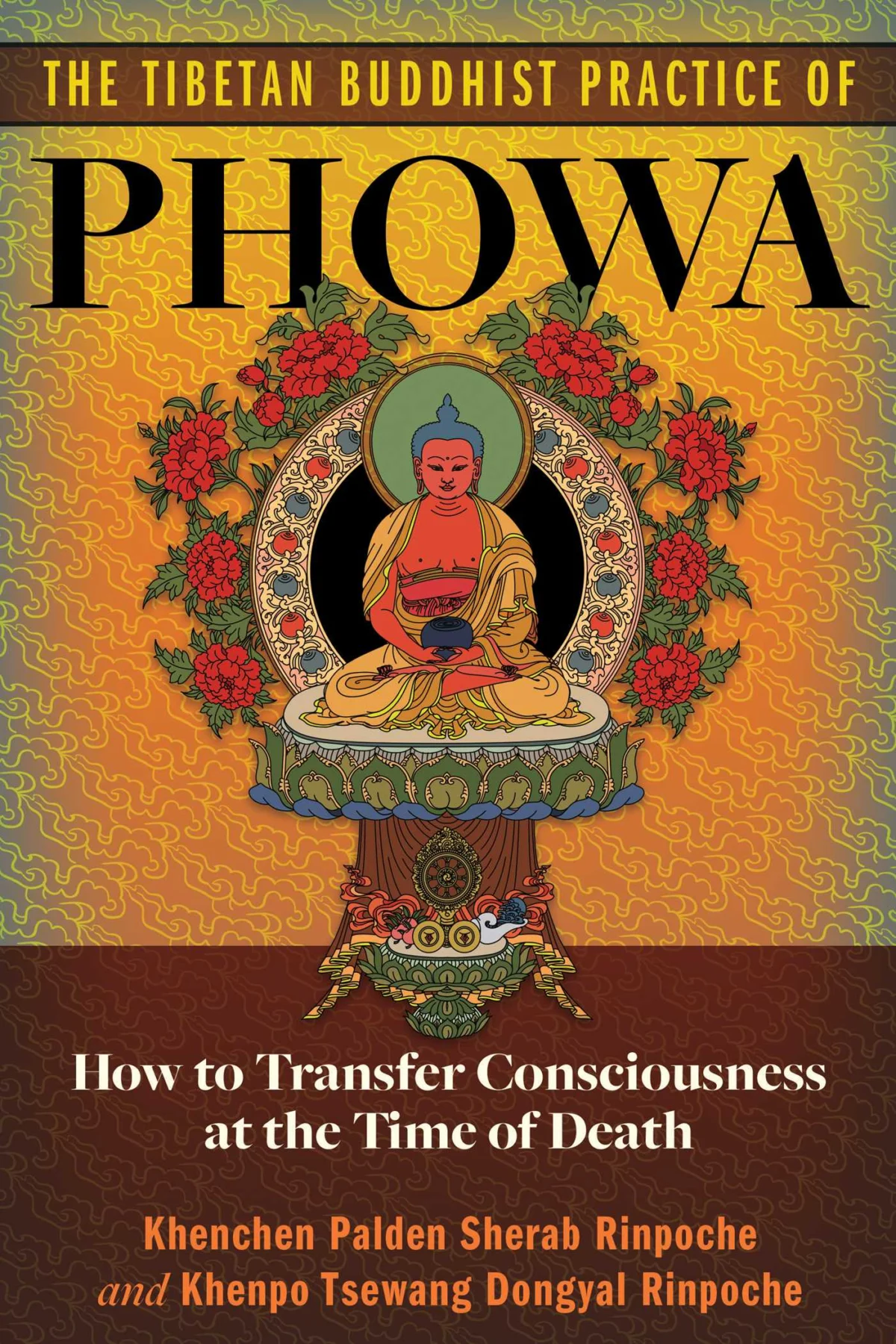
The Vajrayana Buddhist tradition offers profound insights into the nature of consciousness and the process of death, with the practice of phowa—a sophisticated method of consciousness transference—standing as one of its most powerful and significant teachings. This practice is understood not merely as a ritual, but as a direct pathway to liberation, enabling practitioners to potentially bypass the intermediate states, or bardos, that typically follow physical death and to avoid rebirth within samsara, the cycle of suffering. Phowa is often likened to an expedited route, an "emergency exit" or "private executive lounge" at the airport of existence, allowing for a swift and deliberate transition towards enlightenment.
Understanding the Bardo of Death
The first of these intermediate states, and the one most directly addressed by phowa, is the bardo of the moment of death. This critical juncture is characterized by the dissolution of the physical body’s constituent elements and the cessation of the final breath. While death can be abrupt, often plunging an individual directly into this state, it can also be a more gradual process. In cases of gradual dissolution, the body’s fundamental elements—earth, water, fire, wind, and space—undergo a sequential breakdown, each giving way to the next.
The physical body is a complex interplay of these five elements. Earth represents the solid structures such as flesh, bones, and muscles. Water constitutes the bodily fluids like blood and lymph. Fire embodies the body’s internal warmth and metabolic processes. Wind, or air, governs respiration and all forms of bodily movement. Finally, space encompasses the cavities within the body and the perceptual field of consciousness. At the threshold of death, the essence of these elements begins to recede, leading to a series of observable physical and sensory changes.
The dissolution typically commences with the earth element merging into the water element. This phase can manifest as a profound sense of heaviness, dullness, or a feeling of sinking, prompting individuals to seek assistance in changing posture. Following this, the water element dissolves into fire, often marked by intense thirst and dryness of the mouth, leading to a desire for liquids. The fire element then recedes into the wind element, resulting in a perceptible loss of body heat, beginning in the extremities and moving inward, often leading to feelings of cold and a need for more warmth.

The subsequent stage involves the wind element dissolving into space. This is characterized by a significant slowing and heaviness of physical movements, potentially leading to immobility. Speech may become slurred or difficult, and even the movement of the eyes can become sluggish, with the ability to roll the eyeballs diminishing. Inwardly, a sense of profound heaviness and slowness prevails. Externally, breathing may become labored and noisy, signaling the difficulty in inhaling as the wind element’s function wanes. This final exhalation, the last outward breath, is conventionally understood as the cessation of life.
The Subtle Visions of the Inner Bardo
However, from the Vajrayana perspective, the cessation of physical breath does not mark the end of conscious experience. The subtle energies of the mind continue to operate, giving rise to a sequence of profound inner visions. These are cataloged in Tibetan as nangwa, chepa, topa, and nyertob, each representing distinct stages of consciousness merging and dissolution.
Nangwa: The Vision of Manifestation
The initial stage, nangwa, translating to "manifestation" or "clear visions," occurs as the five sense consciousnesses—sight, hearing, smell, taste, and touch—dissolve into the sixth, the mental consciousness. This process is often accompanied by a brief, intense flash of clear vision or a brilliant light, likened to the flare of a butterlamp just before it extinguishes. Internally, this might be perceived as a fleeting burst of fireflies or a momentary, vivid appearance. This stage signifies the initial withdrawal of gross sensory awareness into the realm of thought and mental imagery.
Chepa: The Vision of Increase
Following nangwa is chepa, meaning "increase" or "arising visions." Here, the sixth consciousness, the mental consciousness, merges into the seventh, the emotional consciousness. This transition is marked by a brief, transient experience of the three primary afflictions: anger, attachment, and ignorance. Anger may appear first, followed swiftly by attachment and ignorance, each arising for a fleeting moment before dissipating. These are understood as the foundational emotional energies of the mind momentarily surfacing before their dissolution.

Topa: The Vision of Attainment
The third stage, topa, or "attainment" and "gaining visions," occurs when the seventh consciousness merges into the eighth, known as the alayavijnana in Sanskrit or kunzhi nampar shepa in Tibetan. This eighth consciousness is the fundamental ground of awareness, often referred to as the "subconscious storehouse" or the "root consciousness." Upon this dissolution, there can be a profound sense of completion, of having "gained" everything, where concepts of hope and fear cease to hold sway. Everything simply is. This brief experience of complete presence and non-duality is the essence of attainment.
Nyertob: The Vision of Full Attainment
The final stage, nyertob, or "full attainment" and "regaining visions," is the ultimate merging of the eighth consciousness into the clear light of the dharmakaya or dharmadhatu. This is the realization of one’s inherent buddha nature, the primordial luminosity of awareness. This profound experience is characterized by an overwhelming sense of vividness, calmness, peace, and tranquility. It is at this point, through the successful practice of phowa, that a practitioner can consciously direct their consciousness towards a liberated state, thereby bypassing the subsequent bardos and the cycle of rebirth.
The Significance and Practice of Phowa
The practice of phowa is not a passive event; it requires dedicated preparation and skilled guidance. It involves cultivating a strong foundation of mindfulness, concentration, and ethical conduct, along with specific meditative techniques designed to prepare the mind for the dissolution of consciousness. Teachers often emphasize the importance of visualizing the transference of consciousness through the brahmarandhra, a subtle opening at the crown of the head, directing it towards a chosen pure land or enlightened state.
The efficacy of phowa is supported by centuries of transmission within Tibetan Buddhist lineages. Masters have historically taught and demonstrated these practices, emphasizing that while the ultimate goal is liberation, even a partial understanding and application can significantly influence the dying process, mitigating fear and confusion.
The publication of "The Tibetan Buddhist Practice of Phowa" by Ven. Khenchen Palden Sherab Rinpoche and Ven. Khenpo Tsewang Dongyal Rinpoche, published in 2026 by Inner Traditions, serves as a contemporary testament to the enduring relevance of these teachings. This work aims to make accessible the intricate details of phowa practice to a wider audience, providing a comprehensive guide for those seeking to understand and engage with this profound aspect of Vajrayana Buddhism. The book’s release highlights a growing interest in contemplative approaches to death and dying, particularly within Western societies, reflecting a broader societal contemplation of mortality and spiritual transition.
The implications of understanding and practicing phowa extend beyond the individual. By demystifying the process of death and offering a method for conscious transition, these teachings can help alleviate the pervasive societal fear and anxiety surrounding mortality. They offer a framework for viewing death not as an end, but as a profound transformation, a pivotal moment where consciousness can be intentionally guided towards ultimate well-being. In an era where end-of-life care and palliative approaches are increasingly scrutinized, the wisdom embedded in phowa practice offers a complementary, deeply spiritual perspective, enriching our understanding of the human journey from birth to liberation. The continued exploration and dissemination of such practices by esteemed lamas like Khenchen Palden Sherab Rinpoche and Khenpo Tsewang Dongyal Rinpoche underscore their vital role in preserving and transmitting ancient wisdom for the benefit of contemporary seekers.

