

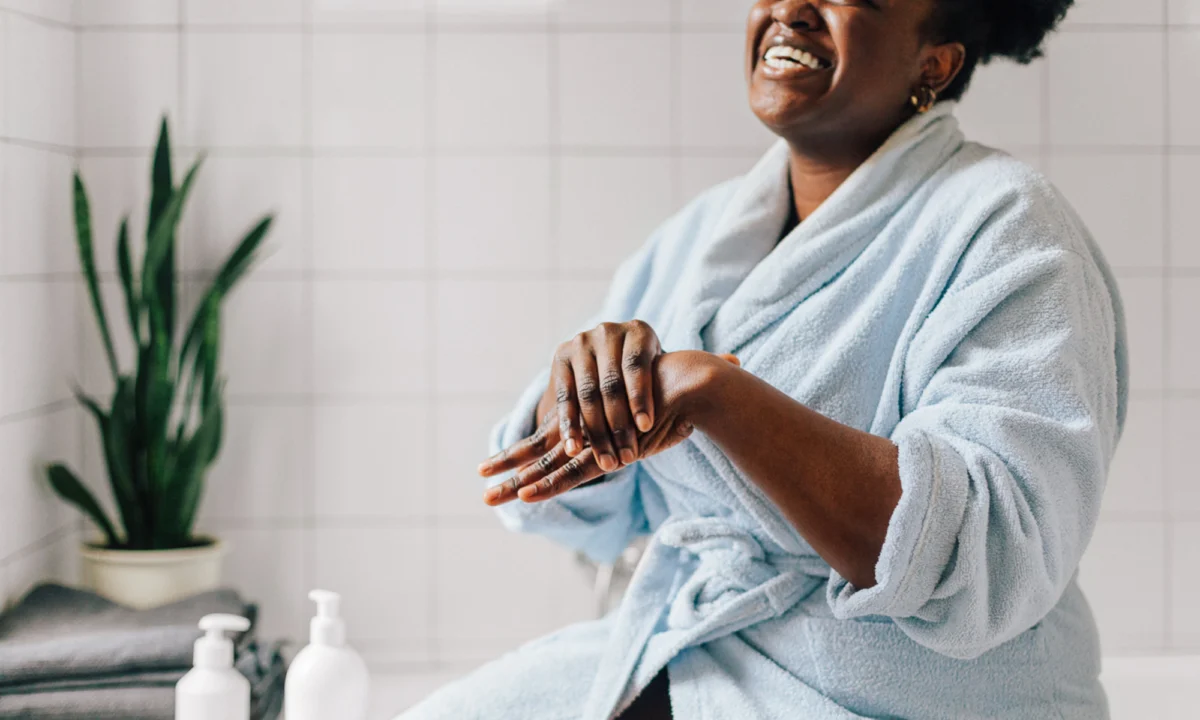
There are ingredients in the beauty space that are so beloved and used with such frequency, their stature as super actives is almost sacrosanct. Shea butter is certainly just that. Not only is it incredibly effective at its intended purpose—that being hydrating and nurturing the body hair to toe—but it’s such a lavish experience to apply that many have endeared themselves to the ingredient as simply a joy to use. So much so, we’ve decided to provide a comprehensive breakdown of all the benefits, DIY uses, and essential information about this remarkable ingredient.
Unveiling the Power of Shea Butter: A Deep Dive into its Skin Benefits
Shea butter, a rich emollient derived from the nuts of the Shea tree ( Butyrospermum Parkii), has been a cornerstone of skincare and haircare for centuries, particularly in West Africa where it originates. Its widespread popularity in the beauty industry is not merely a trend; it is a testament to its profound efficacy, rooted in a robust nutritional profile and a history of traditional use. This article explores the multifaceted benefits of shea butter for the skin, delving into its scientific underpinnings, practical applications, and the reasons behind its enduring appeal.
What Exactly is Shea Butter?
Shea butter is a fat extracted from the nuts of the Shea tree, a plant native to West Africa. This region remains the primary source of shea butter used globally today. Historically, indigenous communities in West Africa have utilized shea butter for millennia, both topically for skin and hair care, and as a culinary ingredient. Food-grade shea butter continues to be used in cooking in some parts of the world. In the modern beauty landscape, it has achieved near-iconic status, featuring prominently in everything from homemade beauty concoctions to high-end commercial skincare and haircare products.
The exceptional popularity of shea butter in beauty applications can be attributed to its rich nutrient composition. It is abundant in triglycerides, essential fatty acids, and vitamins, all of which are crucial components for effective skincare. When applied topically, shea butter acts as a potent emollient and skin soother, significantly helping the skin to reduce moisture loss. Its ubiquity in the market is such that it is likely to be found on the ingredient list of many favorite body lotions, hand creams, and other moisturizing products. Consumers can identify it on ingredient labels under its botanical name, Butyrospermum Parkii.
The Science Behind Shea Butter’s Efficacy
The efficacy of shea butter stems from its complex chemical structure, which comprises a unique blend of beneficial compounds. Predominantly, it is composed of fatty acids, with oleic acid and stearic acid being the most abundant. Oleic acid, a monounsaturated fatty acid, is known for its ability to penetrate the skin and impart suppleness, while stearic acid contributes to the butter’s emollient properties, helping to create a protective barrier on the skin’s surface.
Beyond these primary fatty acids, shea butter also contains linoleic acid, another essential fatty acid that plays a role in maintaining the skin’s barrier function and reducing inflammation. The presence of these fatty acids contributes to shea butter’s remarkable moisturizing and skin-conditioning capabilities.
Vitamins found in shea butter, particularly Vitamin A and Vitamin E, are potent antioxidants. Vitamin E, in particular, is celebrated for its ability to protect the skin from environmental damage caused by free radicals, which can accelerate the aging process. Vitamin A, in its various forms, is known for its role in cell turnover and skin repair.
Furthermore, shea butter contains cinnamic acid esters, which are believed to possess anti-inflammatory properties. This characteristic can be particularly beneficial for individuals with sensitive or irritated skin, helping to calm redness and discomfort. The combination of these fatty acids, vitamins, and cinnamic acid esters creates a synergistic effect, making shea butter a comprehensive ingredient for skin health and rejuvenation.
The Five Major Benefits of Shea Butter for the Skin
Shea butter offers a remarkable array of benefits for the skin, making it a highly sought-after ingredient in both natural and conventional skincare formulations. Its ability to hydrate, nourish, and protect the skin addresses a wide range of concerns, from dryness and irritation to signs of aging.
1. Intense Moisturization and Hydration
One of the most celebrated attributes of shea butter is its exceptional ability to provide deep and lasting hydration. As a rich emollient, it works by forming a protective barrier on the surface of the skin. This barrier is highly effective at preventing transepidermal water loss (TEWL), the process by which moisture evaporates from the skin. By sealing in hydration, shea butter helps to keep the skin supple, soft, and plump.
The high concentration of fatty acids, particularly oleic and linoleic acids, allows shea butter to penetrate the stratum corneum, the outermost layer of the epidermis, thereby delivering moisture directly to the skin cells. This makes it particularly beneficial for individuals suffering from dry, flaky, or dehydrated skin. Clinical studies have demonstrated that regular application of shea butter can significantly improve skin hydration levels and enhance the skin’s barrier function, leading to a smoother and more comfortable skin texture. For instance, a study published in the Journal of the American College of Nutrition highlighted the significant improvement in skin hydration and elasticity in participants using shea butter-based formulations.

2. Anti-Inflammatory and Soothing Properties
Shea butter’s anti-inflammatory characteristics make it an invaluable ingredient for soothing irritated and sensitive skin. The presence of cinnamic acid esters, as mentioned earlier, contributes to its ability to calm redness and reduce inflammation. This makes it an excellent choice for individuals with conditions such as eczema, psoriasis, or dermatitis, where the skin barrier is compromised and prone to inflammation.
Anecdotal evidence and some research suggest that shea butter can help alleviate the discomfort associated with these conditions by reducing itching and redness. Its gentle nature means it is typically well-tolerated by most skin types, even those that are highly reactive. The soothing effect is not limited to chronic inflammatory conditions; it can also help to calm skin after sun exposure or minor irritations.
3. Antioxidant Protection and Anti-Aging Effects
The rich antioxidant profile of shea butter, primarily due to the presence of Vitamin E and Vitamin A, offers significant protection against environmental stressors and the aging process. Antioxidants work by neutralizing free radicals, which are unstable molecules that can damage skin cells and contribute to premature aging, including the formation of fine lines, wrinkles, and age spots.
Vitamin E, a fat-soluble antioxidant, is particularly effective at protecting cell membranes from oxidative damage. Vitamin A, a precursor to retinol, plays a crucial role in cell regeneration and collagen production. By supporting these processes, shea butter can help to improve skin elasticity and firmness, thereby reducing the visible signs of aging. While not a direct substitute for potent anti-aging treatments, its antioxidant properties contribute to overall skin health and resilience.
4. Wound Healing and Scar Reduction
Shea butter’s emollient and anti-inflammatory properties can also aid in the healing of minor wounds and the reduction of scars. By keeping the skin moisturized and protected, it creates an optimal environment for the skin’s natural repair mechanisms to function effectively. The fatty acids present in shea butter can support the formation of new skin cells, and its anti-inflammatory action can help to minimize redness and swelling associated with injury.
While it is not a medical treatment for severe wounds, it can be a beneficial adjunct therapy for minor cuts, scrapes, and burns. Many individuals have found that regular application of shea butter to scars, including those from acne or surgery, can help to soften them and improve their appearance over time. This is thought to be due to its ability to promote skin regeneration and maintain skin suppleness, preventing the scar tissue from becoming too rigid.
5. Skin Barrier Enhancement and Protection
A robust skin barrier is fundamental to healthy, resilient skin. Shea butter excels at strengthening and protecting this vital barrier. Its composition of fatty acids helps to replenish the skin’s natural lipid layers, which are essential for maintaining its integrity and preventing the entry of harmful external agents.
By reinforcing the skin barrier, shea butter helps to make the skin less susceptible to environmental aggressors, such as pollution and harsh weather conditions. This protective function is crucial for preventing dryness, irritation, and premature aging. For individuals with compromised skin barriers, shea butter can provide significant relief and contribute to restoring the skin’s natural defenses.
Shea Butter for Hair: A Bonus Benefit
While the focus of this article is on skin benefits, it is important to acknowledge that shea butter is equally revered in haircare. It is particularly beneficial for hair types that are prone to dryness and breakage, such as kinky, coily, or curly hair textures. Hairstylist Miko Branch, founder of Miss Jessie’s, notes that "Shea butter is great for adding moisture to the hair, as it’s infused with vitamins and fatty acids that keep hair strong." Its deeply moisturizing properties can revitalize dry, brittle hair, improve elasticity, and add shine. Shea butter can be used in various ways for hair, including as a component in DIY masks, a treatment for split ends, a soothing agent for the scalp, and even a heat protectant.
Exploring Shea Butter in Skincare Products and DIY Applications
The versatility of shea butter extends to its integration into a wide range of commercial skincare products and its ease of use in DIY formulations. Whether you prefer the convenience of pre-made products or the satisfaction of creating your own natural remedies, shea butter offers accessible solutions for skin nourishment.
Shea Butter in Commercial Skincare: A Ubiquitous Ingredient
The presence of shea butter in commercial skincare is widespread, reflecting its broad appeal and proven efficacy. It is a common ingredient in:

- Body Lotions and Butters: These products leverage shea butter’s emollient properties to provide deep hydration and long-lasting softness to the skin. Its rich texture makes it ideal for formulations designed to combat extreme dryness.
- Hand Creams: Given that hands are frequently exposed to harsh elements and frequent washing, they are prone to dryness and cracking. Shea butter’s intense moisturizing capabilities make it a staple in hand cream formulations, offering repair and protection.
- Lip Balms: The combination of oils, waxes, and butters is fundamental to lip balm creation. Shea butter, rich in fatty acids like oleic and stearic acids, is a popular choice for its ability to create smooth, conditioning, and protective lip products. Cosmetic chemist Ron Robinson notes its high demand due to these beneficial fatty acids.
- Body Scrubs: Shea butter serves as an excellent base for moisturizing body scrubs. When combined with exfoliating agents like sugar or salt, it creates a luxurious scrub that not only sloughs away dead skin cells but also leaves the skin feeling incredibly soft and hydrated.
DIY Shea Butter Skincare Ideas: Harnessing Nature’s Bounty
For those who enjoy a hands-on approach to skincare, shea butter is a dream ingredient for DIY projects. Its natural, unrefined form offers a pure and potent way to create personalized treatments.
1. Luxurious Body, Foot, and Hand Cream
Creating an at-home body lotion might seem daunting, but with the right ratios of ingredients, it’s surprisingly achievable. A foundational lotion typically requires a blend of oil-based ingredients, water-based components, and thickening or occlusive agents. Shea butter is an outstanding base ingredient that significantly contributes to the richness and moisturizing power of homemade lotions.
For an even simpler approach, pure shea butter can be warmed in the hands until it melts and then applied directly to the skin as a highly effective, one-ingredient body moisturizer. Due to its dense texture, many individuals find it particularly beneficial for dry, rough areas like the hands and feet, rather than as an all-over body application, although it can be used more extensively if diluted with lighter oils.
2. Nourishing Lip Balms
Making your own lip balm is a straightforward and rewarding DIY project. A basic recipe typically involves melting together a wax (like beeswax), a carrier oil (such as coconut oil or almond oil), and a butter. Shea butter is an ideal choice for the butter component, contributing significant moisturizing and protective qualities to the final product. The combination of these ingredients creates a balm that soothes chapped lips and provides a protective barrier against environmental dryness. Numerous online tutorials offer simple recipes for creating customized lip balms infused with shea butter, allowing for personalization with essential oils for added benefits or fragrance.
3. Hydrating Body Scrubs
Body scrubs are among the easiest DIY skincare treatments to prepare. The fundamental components are a physical exfoliant (like sugar, salt, or coffee grounds) and a moisturizing base. Shea butter’s dense and creamy texture makes it an excellent choice for creating a hydrating body scrub. When combined with an exfoliant, it not only buffs away dead skin cells but also leaves the skin feeling exceptionally soft and nourished. A higher ratio of shea butter to exfoliant will result in a more moisturizing scrub, ideal for drier skin types.
How to Make Whipped Shea Butter: A Simple Guide
While shea butter can be used in its pure, solid state by warming it between the hands, many prefer the lighter, airier texture of whipped shea butter. This process not only makes it easier to spread but also creates a more luxurious feel. There are various methods for whipping shea butter, but a beginner-friendly approach is as follows:
Basic Whipped Shea Butter Recipe:
Ingredients:
- 1 cup raw, unrefined shea butter
- 1/4 cup carrier oil (e.g., coconut oil, almond oil, jojoba oil)
- Optional: 10-20 drops of essential oil for fragrance and added benefits (e.g., lavender for calming, frankincense for rejuvenation)
Instructions:
- Soften the Shea Butter: Place the shea butter in a double boiler or a heatproof bowl set over a saucepan of simmering water. Gently heat until the shea butter is mostly melted and softened, but not completely liquid. Alternatively, you can microwave it in short, 30-second intervals, stirring in between, until softened.
- Add Carrier Oil and Essential Oils: Remove the shea butter from the heat. Stir in the carrier oil and any optional essential oils until well combined.
- Chill: Place the bowl in the refrigerator for about 30-60 minutes, or until the mixture begins to solidify around the edges but is still soft in the center. This is a crucial step for achieving a fluffy texture.
- Whip: Using an electric mixer (handheld or stand mixer with a whisk attachment), begin whipping the mixture on low speed. Gradually increase the speed to medium-high. Continue whipping for 5-10 minutes, or until the shea butter becomes light, fluffy, and has increased in volume, resembling whipped cream.
- Storage: Spoon the whipped shea butter into a clean, airtight container. Store in a cool, dry place. If stored in a warm environment, it may soften, but can be re-whipped if necessary.
This whipped shea butter can be used as a body moisturizer, hand cream, or a base for other DIY skincare products.
The Takeaway: A Time-Tested Ingredient for Radiant Skin
There is a compelling reason why shea butter is so universally cherished in the beauty industry, embraced by both experts and consumers alike. Its long and rich history of traditional use is not merely anecdotal; it is substantiated by scientific research that validates its remarkable effectiveness. For individuals struggling with parched, dry, or compromised skin, shea butter offers a natural, potent, and deeply nourishing solution that has stood the test of time. Its ability to hydrate, soothe, protect, and even aid in skin repair makes it an indispensable ingredient for achieving and maintaining healthy, radiant skin.

