

In an era defined by demanding schedules and increasing time scarcity, scientific research unequivocally points to compound exercises as the most effective and time-efficient method for individuals striving to elevate their fitness levels. This approach, which engages multiple muscle groups and joints simultaneously, offers a robust solution for achieving significant physical improvements without requiring extensive time commitments, distinguishing itself as a cornerstone of modern functional fitness.
Understanding the Core Principles of Compound Exercise
At its foundation, exercise methodology can be broadly categorized into two principal types: isolation and compound movements. Isolation exercises target a single muscle group, typically involving movement at only one joint, such as a bicep curl or a leg extension. While these have their place in rehabilitation or specialized bodybuilding, compound exercises represent a more holistic and functionally relevant approach. A compound exercise involves movement across multiple joints and the coordinated effort of several muscle groups. Examples range from fundamental actions like squats, which engage the quadriceps, hamstrings, glutes, and core, to push-ups, which activate the chest, shoulders, triceps, and core stabilizers.
The historical trajectory of fitness training has seen a pendulum swing between these two philosophies. Early physical culture, spanning ancient Greek athleticism to the strongmen of the late 19th and early 20th centuries, predominantly featured compound, full-body movements like lifting stones, wrestling, and calisthenics. The mid-20th century witnessed a shift, partly driven by the rise of specialized weightlifting equipment and the burgeoning bodybuilding culture, which popularized isolation exercises to meticulously sculpt individual muscles. However, the late 20th and early 21st centuries have seen a significant return to compound and functional training, fueled by a deeper understanding of human biomechanics, injury prevention, and the practical demands of daily life. Modern exercise science now strongly advocates for compound movements as the most effective way to build overall strength, improve athletic performance, and enhance metabolic efficiency.
The Unparalleled Efficiency: A Data-Driven Perspective
The assertion that compound exercises are substantially more efficient than isolation workouts is rooted in sound physiological principles and supported by numerous studies. While the precise multiplier of "3.5x more efficient" mentioned in some fitness circles can vary depending on the specific metrics and comparison methodologies, the general consensus is that compound movements yield superior results in a shorter timeframe due to several key factors:
- Elevated Caloric Expenditure: Engaging a larger volume of muscle mass simultaneously requires more energy. Compound exercises, therefore, lead to a significantly higher caloric burn during the workout itself compared to isolation exercises. This increased energy demand translates directly into greater fat loss potential and more effective weight management.
- Enhanced Metabolic Rate (EPOC): The intense nature of compound movements often results in a greater "afterburn effect," scientifically known as Excess Post-exercise Oxygen Consumption (EPOC). This means the body continues to burn calories at an elevated rate for hours post-workout as it recovers and repairs muscle tissue. This sustained metabolic boost is less pronounced with less demanding isolation exercises.
- Superior Hormonal Response: Exercises that recruit large muscle groups and involve significant total body work tend to stimulate a greater release of anabolic hormones, such as testosterone and growth hormone. These hormones are crucial for muscle protein synthesis, contributing to increased muscle mass and strength, and also play a role in fat metabolism.
- Development of Functional Strength: Functional strength refers to the ability to perform real-world activities efficiently and safely. Compound exercises mimic natural human movements like lifting, pushing, pulling, squatting, and lunging, thereby training muscles to work together in integrated patterns. This translates directly to improved performance in daily tasks, sports, and a reduced risk of injury.
- Improved Neuromuscular Coordination: By requiring the simultaneous activation and coordination of multiple muscle groups and joints, compound exercises enhance the communication between the nervous system and muscles. This leads to improved balance, agility, proprioception (awareness of body position), and overall movement control.
Exercise physiologists, such as those affiliated with the American College of Sports Medicine (ACSM), consistently highlight these metabolic and functional advantages. Dr. Elena Andrews’ research (2015) on exercise efficacy and the broader guidelines from organizations like the Centers for Disease Control and Prevention (CDC) underscore the importance of multi-joint, multi-muscle group activities for comprehensive health benefits, particularly in the context of public health recommendations for physical activity.
Key Benefits of Integrating Compound Exercises
Beyond sheer efficiency, the incorporation of compound exercises into a fitness regimen confers a wide array of benefits, making them an indispensable component for any individual serious about their health and physical prowess:
- Time Optimization: For those with limited time, compound exercises allow for a full-body workout in a fraction of the time typically required for an isolation-focused routine. A 15-minute session of compound movements can be as effective, if not more so, than longer, less intense workouts.
- Comprehensive Muscle Development: Rather than developing muscles in isolation, compound exercises foster balanced and proportional strength across the entire body, leading to better posture and a more athletic physique.
- Enhanced Cardiovascular Health: The high metabolic demand of compound movements elevates heart rate and improves cardiovascular endurance, contributing to a stronger heart and better circulatory system.
- Increased Bone Density: Weight-bearing compound exercises, such as squats and lunges, place beneficial stress on bones, stimulating bone remodeling and leading to increased bone mineral density, crucial for preventing osteoporosis.
- Greater Fat Loss: The combination of higher caloric burn during exercise, increased EPOC, and a favorable hormonal environment makes compound exercises exceptionally effective for reducing body fat.
- Injury Prevention: By strengthening supporting muscles and improving movement patterns, compound exercises help stabilize joints and reduce the risk of injuries, both during exercise and in daily life.
Core Compound Exercises: Accessible and Potent
A significant advantage of compound training is its accessibility. Many highly effective compound movements require no special equipment, relying solely on bodyweight. This makes them ideal for home workouts or for individuals new to structured exercise. The following five exercises form a formidable foundation for a full-body, high-efficiency workout:
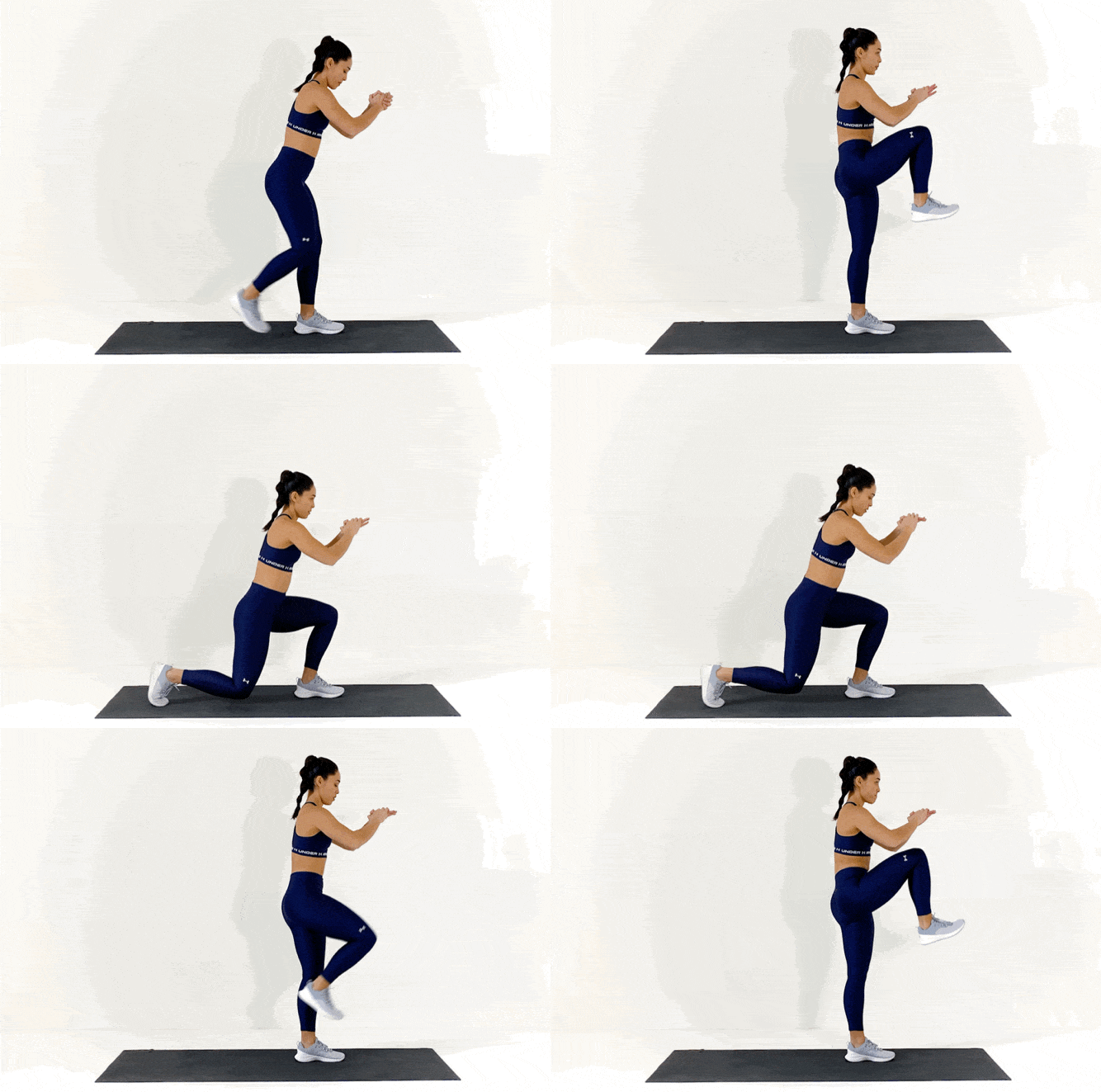
- Reverse Lunge With a Knee Drive: This dynamic movement targets the quadriceps, hamstrings, glutes, and hip flexors, while also challenging balance and coordination. The knee drive adds a powerful cardiovascular element. To perform, step back into a lunge, ensuring the front knee stays over the ankle, then explode forward, driving the back knee up towards the chest. Holding dumbbells can increase the challenge.
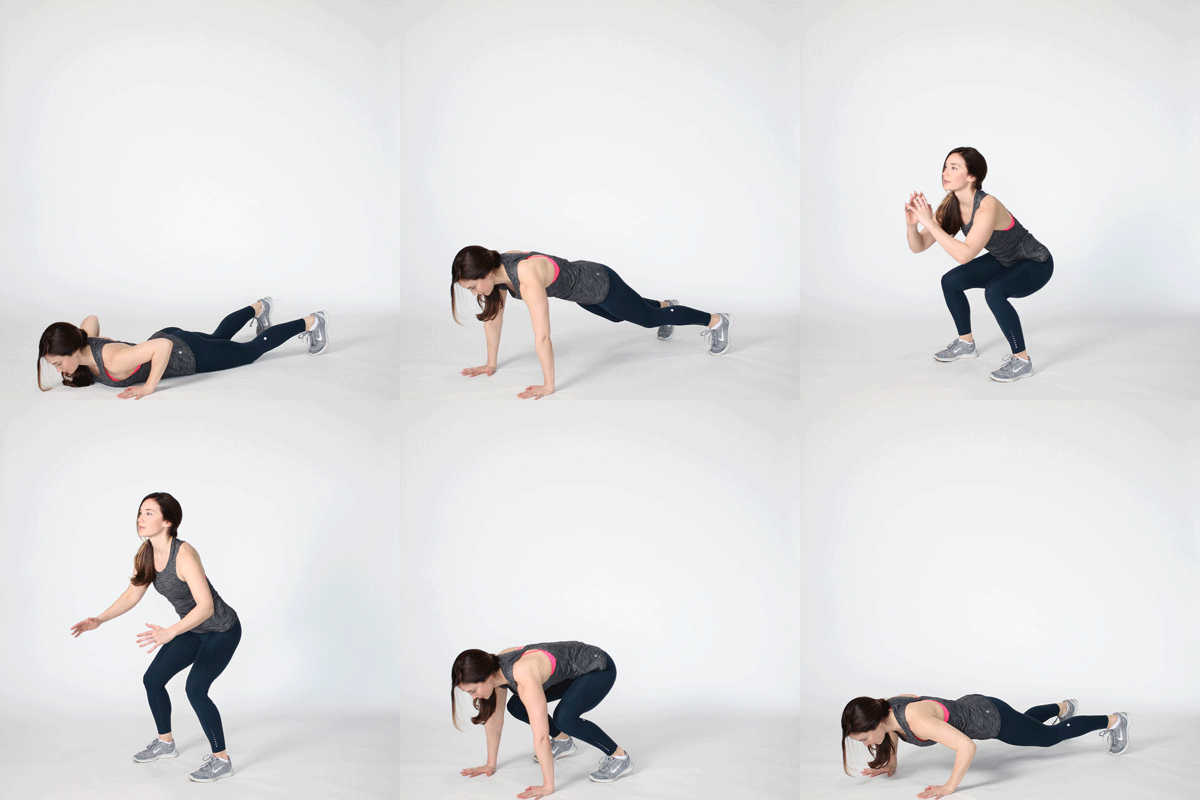
- Burpees: Often considered the ultimate full-body conditioning exercise, burpees combine a squat, plank, push-up, and jump into one fluid motion. They intensely work the arms, chest, core, glutes, and legs, while simultaneously providing a significant cardiovascular challenge. Maintaining core engagement throughout is paramount for effectiveness and safety.
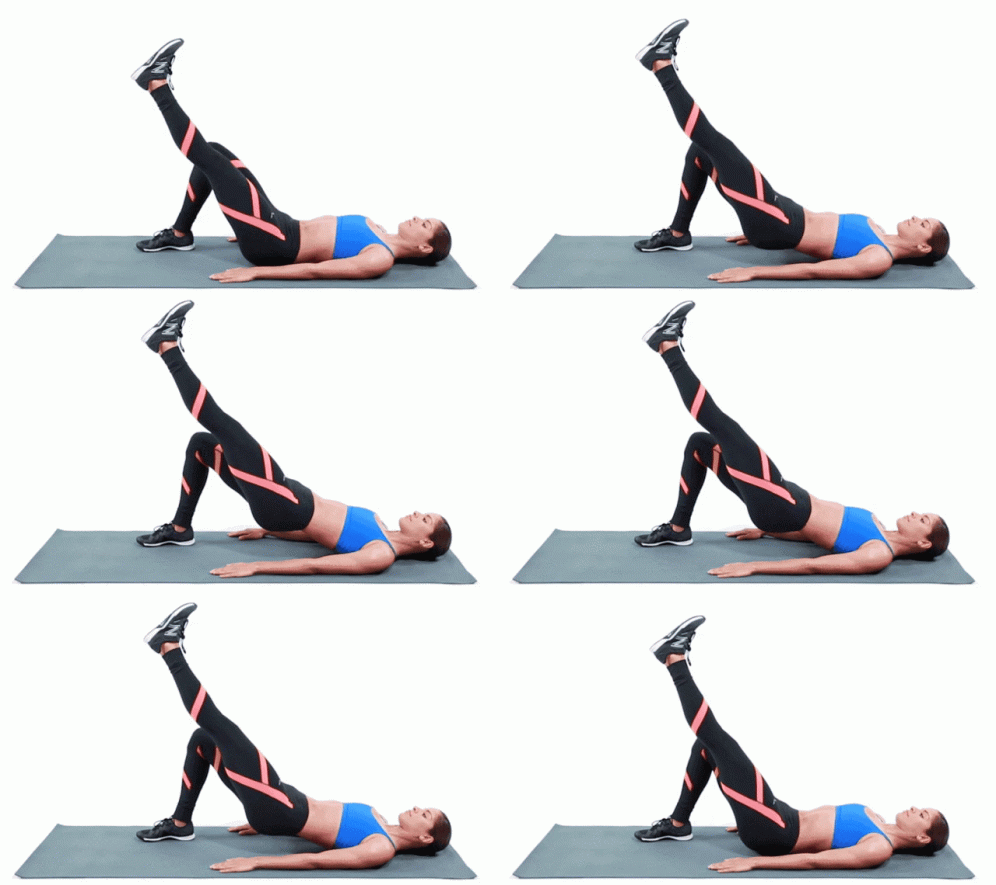
- Single-Leg Bridge: This exercise primarily targets the glutes and hamstrings, with a strong emphasis on core stability and hip extension. Lying on your back with one leg extended and the other bent with the foot on the floor, lift your hips off the ground until your body forms a straight line from shoulder to knee. This unilateral movement also helps identify and correct muscular imbalances.
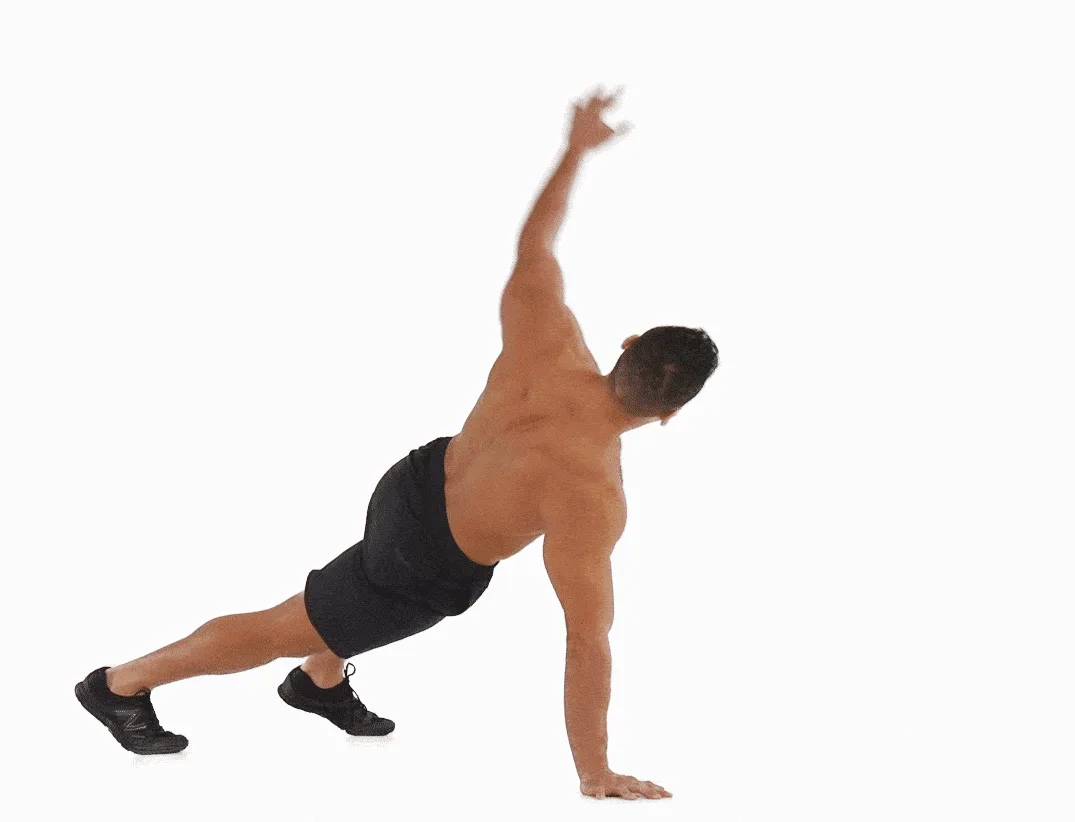
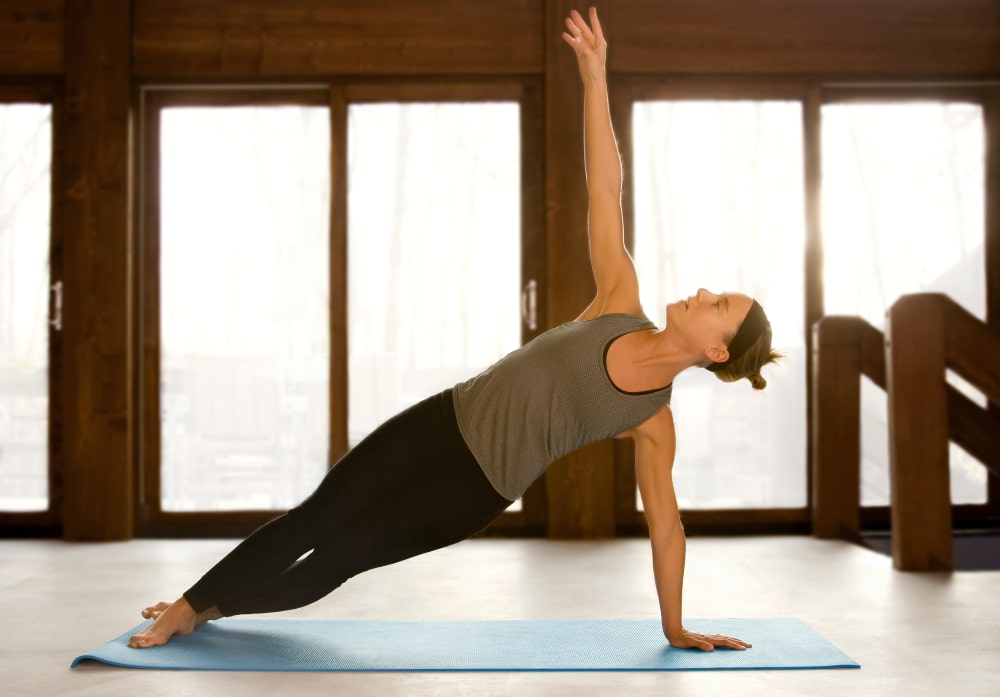
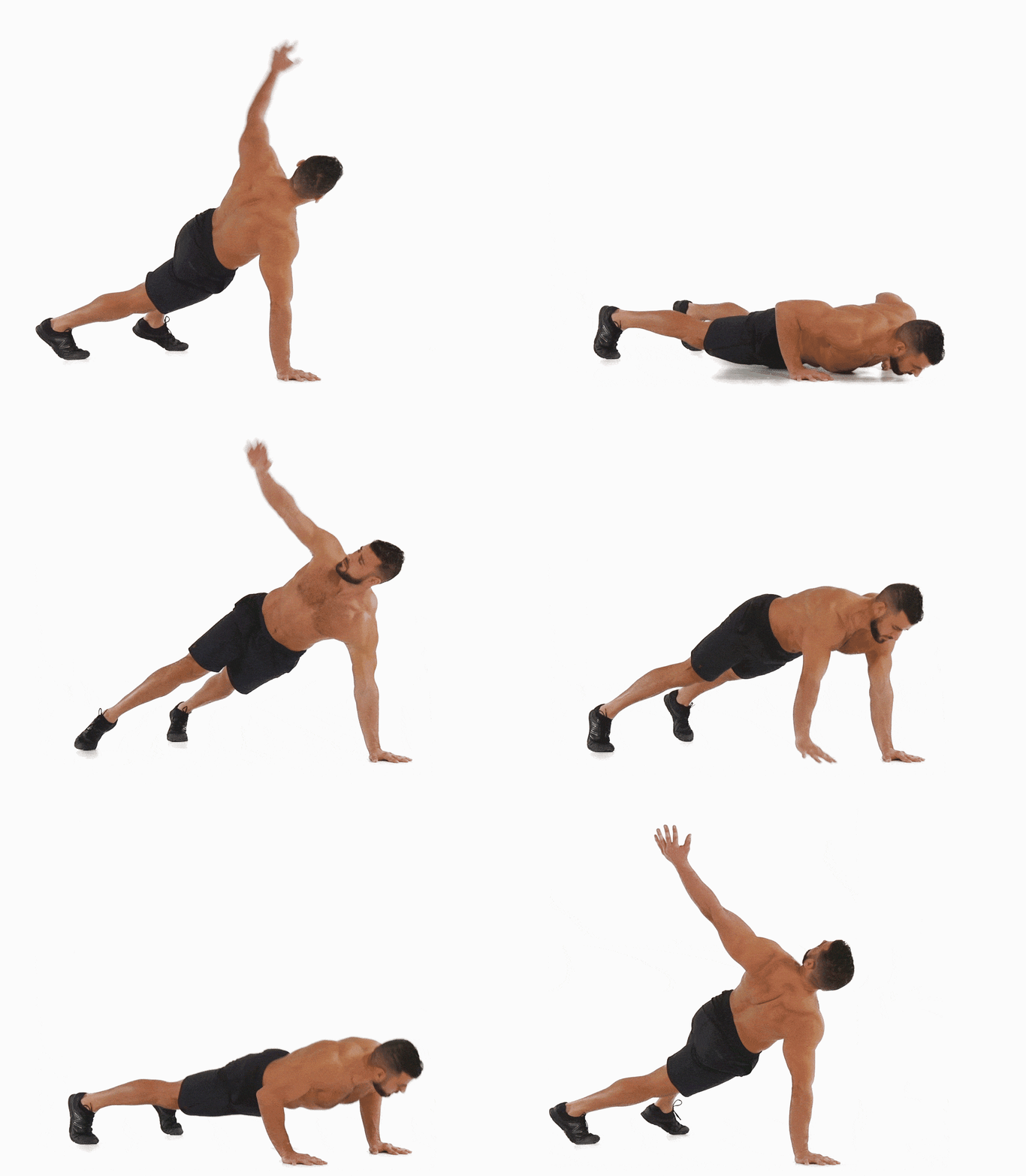
- Push-Up And Rotate: This variation of the classic push-up elevates its compound nature by adding a rotational element, engaging the obliques and improving thoracic mobility. After performing a push-up, rotate your body, extending one arm towards the ceiling in a side plank position. This move powerfully works the chest, shoulders, triceps, and entire core.
- Air Squat: A foundational movement, the air squat is a highly effective compound exercise for the lower body and core. It recruits the quadriceps, hamstrings, glutes, and lower back muscles. Proper form involves descending as if sitting into a chair, keeping the chest up and back straight, ideally until thighs are parallel to the ground. This exercise significantly improves leg strength, power, and cardiovascular endurance.
These movements, when performed correctly and progressively, offer a comprehensive and highly effective workout that can rival or surpass traditional gym routines focused on isolation exercises.
Integrating and Optimizing Your Compound Exercise Routine
To maximize the benefits of compound exercises, consider these practical integration and optimization strategies:
- Structured Programming: Incorporate these exercises into a circuit training format, moving from one exercise to the next with minimal rest, to maintain an elevated heart rate and maximize caloric burn.
- Progressive Overload: As strength improves, continuously challenge the muscles. For bodyweight exercises, this can involve increasing repetitions, adding sets, reducing rest times, or advancing to more difficult variations (e.g., elevated push-ups, jump squats).
- Consistency: Regularity is key. Aim for 3-4 sessions per week to allow for adequate recovery and adaptation.
- Warm-up and Cool-down: Always begin with a dynamic warm-up (e.g., arm circles, leg swings) to prepare muscles and joints, and conclude with a static cool-down to aid flexibility and recovery.
Safety Protocols and Expert Guidance
While highly beneficial, the multi-joint nature of compound exercises means proper form is paramount to prevent injury. Engaging multiple muscle groups can also mask deficiencies or improper mechanics if not performed with care.
- Prioritize Form Over Reps/Weight: It is crucial to master the technique for each exercise before increasing intensity or adding resistance. Poor form not only diminishes effectiveness but significantly elevates injury risk.
- Seek Professional Instruction: Especially for beginners, working with a certified personal trainer or exercise physiologist is highly recommended. These professionals can observe form, provide real-time feedback, teach correct techniques, and identify potential movement dysfunctions. They can also offer guidance on appropriate starting weights or resistance levels and design a progressive program tailored to individual needs.
- Listen to Your Body: Pay close attention to any pain or discomfort. Differentiate between muscle fatigue and joint pain. Rest and recovery are as vital as the workout itself.
- Gradual Progression: Start with a manageable number of repetitions (e.g., 10-15 per exercise) and sets, gradually increasing as strength and technique improve. Avoid the temptation to do too much too soon.
Broader Implications for Public Health and the Fitness Industry
The scientific validation of compound exercises as a superior and efficient fitness strategy carries significant implications. For public health, promoting these accessible and time-efficient movements offers a powerful tool to combat sedentary lifestyles and the rising prevalence of chronic diseases. Public health campaigns can leverage this information to encourage broader participation in physical activity, even among individuals who perceive themselves as "too busy."
Within the fitness industry, the emphasis on compound and functional training continues to grow. Gyms are increasingly featuring functional training zones, and personal trainers are shifting their focus from isolated muscle groups to integrated movement patterns. This trend reflects a broader understanding that true fitness extends beyond aesthetic appeal to encompass functional strength, mobility, and overall well-being. The rise of efficient home workout programs and online coaching also underscores the demand for effective, time-saving solutions that compound exercises inherently provide.
Addressing Frequent Questions
What Are The Best Compound Exercises For Weight Loss?
For weight loss, compound exercises are unparalleled due to their high caloric expenditure and metabolic boosting effects. The exercises highlighted in this article, such as burpees, squats, and lunges, are excellent choices. Their ability to engage large muscle groups and elevate heart rate means more calories are burned during and after the workout. Furthermore, building muscle mass through strength training, which compound exercises are highly effective at, increases resting metabolism, leading to sustained calorie burning even at rest.
What Are The Best Compound Exercises For The Legs?
Legs benefit immensely from compound movements. Squats, in all their variations (air squats, jump squats, weighted squats), are foundational, working the quadriceps, hamstrings, glutes, and core. Lunges (forward, reverse, lateral) are equally effective for targeting these same muscle groups while also improving balance and unilateral strength. Deadlifts (bodyweight or with light weights, focusing on form) are another powerful posterior chain exercise, engaging the glutes, hamstrings, and lower back. Step-ups are also excellent for building leg and glute strength.
What Are The Best Compound Exercises For Back Pain?
Strengthening the core and posterior chain through compound exercises can significantly alleviate and prevent back pain. Squats, when performed with proper form, strengthen the lower back and core stabilizers, improving posture. Bodyweight deadlifts or Romanian deadlifts with very light weights focus on the hamstrings and glutes, taking pressure off the lower back while strengthening supporting musculature. The single-leg bridge is excellent for glute activation and lumbar stability. Additionally, exercises like bird-dog and planks are crucial for core stabilization, which is fundamental to a healthy back. It is imperative to perform these exercises with meticulous attention to form, consulting a professional if there is pre-existing back pain, to avoid exacerbation.
In conclusion, the scientific community’s consistent endorsement of compound exercises as a highly efficient and effective training modality offers a compelling pathway for individuals to achieve their fitness aspirations, even within the confines of a busy modern lifestyle. By understanding their principles, embracing their benefits, and adhering to safety guidelines, anyone can leverage these powerful movements to build a stronger, healthier, and more functionally capable body.
Sources: Andrews E. (2015), Garber CE, et al. (2011), Hwang-Bo Kak, et al. (2013). Additional principles based on general consensus from leading exercise physiology and sports medicine organizations (e.g., ACSM, NASM).

