

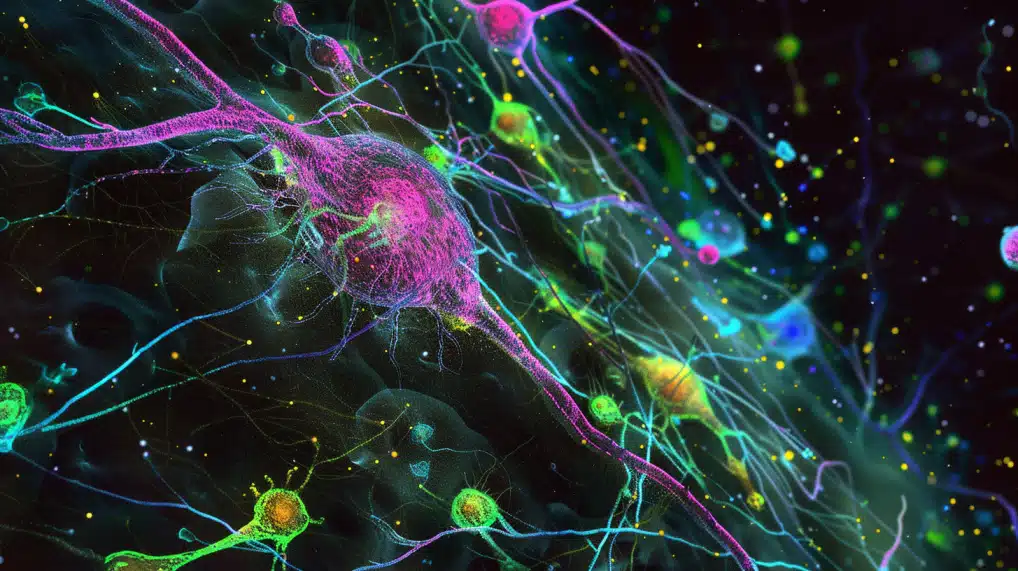
Parkinson’s disease (PD), a relentlessly progressive neurodegenerative disorder that primarily impairs the motor system, has long presented a formidable challenge to medical science. Characterized by the progressive loss of dopamine-producing neurons in a specific brain region called the substantia nigra, PD leads to a cascade of debilitating motor symptoms such as tremors, rigidity, bradykinesia (slowness of movement), and postural instability, alongside a spectrum of non-motor symptoms including cognitive decline, sleep disturbances, and mood disorders. Current treatments, predominantly dopamine replacement therapies like levodopa, offer symptomatic relief but do not halt or reverse the underlying neurodegeneration, and often come with their own set of long-term complications, notably levodopa-induced dyskinesia (LID). However, a recent study published in 2024 by Benítez-Castañeda et al. presents a significant beacon of hope, unveiling a novel combined therapeutic approach that has demonstrated remarkable success in not only alleviating but fully reversing both motor and cognitive deficits in a rat model of Parkinson’s disease.
The Breakthrough Study: A Dual-Pronged Approach
The innovative research leverages a dual-pronged strategy, combining a preferential dopamine D3 receptor agonist, pramipexole (PPX), with brain-derived neurotrophic factor (BDNF) gene transfection. This synergistic combination directly targets the core pathology of neuronal degradation in PD. In a meticulously designed rat model of Parkinson’s, the therapy achieved what many previous treatments have struggled with: a comprehensive restoration of motor and cognitive functions. This goes beyond mere symptom management, hinting at a potential paradigm shift towards neurorestoration.
The 2024 study, conducted by Benítez-Castañeda and colleagues, specifically aimed to evaluate the effectiveness of this combined therapy in restoring normal motor and non-motor functions in a bilateral rat model of Parkinson’s Disease, a model known for its severe degeneration of nigrostriatal innervation. The core hypothesis was that continuous infusion of pramipexole and targeted BDNF-gene transfection into surviving nigral cells could reverse PD symptoms by promoting the survival and functional recovery of dopaminergic neurons and the dendritic spines of striatal neurons. The results, as detailed below, have been nothing short of transformative within the preclinical research landscape.
Understanding Parkinson’s Disease: A Persistent Challenge
Parkinson’s disease affects an estimated 10 million people worldwide, with incidence rates projected to rise significantly as global populations age. The economic burden is substantial, encompassing direct medical costs, indirect costs from lost productivity, and the immense personal toll on patients and caregivers. For decades, the cornerstone of PD treatment has been levodopa, which converts to dopamine in the brain, alleviating symptoms. While initially effective, its long-term use often leads to motor fluctuations and the aforementioned dyskinesias – involuntary, erratic movements that can be as debilitating as the original symptoms. Other treatments include dopamine agonists, MAO-B inhibitors, COMT inhibitors, and surgical interventions like Deep Brain Stimulation (DBS), but none offer a cure or prevent disease progression. The primary challenge lies in the difficulty of replacing lost neurons or effectively protecting the remaining ones, coupled with the formidable blood-brain barrier that limits drug delivery to the central nervous system. This unmet need underscores the urgency for genuinely disease-modifying therapies.
Major Findings: Restoring Function at Multiple Levels
The Benítez-Castañeda et al. study yielded several groundbreaking findings that collectively paint a picture of comprehensive therapeutic efficacy:
-
Full Restoration of Motor & Non-Motor Functions: A cornerstone achievement was the complete recovery of both motor and non-motor functions in the PD rat model. Continuous pramipexole administration, synergistically combined with targeted BDNF-gene transfection, led to a remarkable recuperation in motor coordination, balance, and gait. Critically, the intervention also reinstated cognitive faculties, evidenced by the normalization of working memory tasks. This holistic recovery is particularly significant as it addresses the broad spectrum of PD symptoms, including the often-overlooked cognitive impairments that severely impact quality of life.
-
Neuroanatomical & Neurophysiological Reversal: At a cellular and structural level, the combined therapy prompted a resurgence of dopaminergic neurons in the substantia nigra and ventral tegmental area – brain regions critically decimated by PD’s neurodegenerative processes. This neuronal resurgence was quantitatively on par with healthy control subjects, indicating not just a halt to neuronal loss but a remarkable reversal. Furthermore, the therapy successfully restored the dendritic spine density of striatal neurons, which are crucial for receiving synaptic input and processing information. This reinstatement of structural integrity and synaptic connectivity, compromised by PD, underscores the therapy’s dual action: neuroprotective (preventing further loss) and neurorestorative (rebuilding damaged structures), offering a multifaceted strategy against PD’s degenerative cascade.

-
Synaptic & Molecular Cross-talk: The research provided profound insight into the synergistic relationship between dopamine D3 receptor activation and BDNF expression. The study revealed a cross-potentiation effect, where the activation of D3 receptors by pramipexole and the heightened expression of BDNF via gene transfection converged on intracellular pathways that vigorously promote neuronal survival and synaptic regeneration. This intricate molecular dialogue not only highlights the complexity of dopaminergic signaling pathways but also showcases the immense potential of targeted therapies to harness these natural biological interactions for therapeutic gain. It suggests that merely treating symptoms or providing a single neurotrophic factor might be less effective than orchestrating a complex biological response.
-
Long-Term Efficacy & Clinical Promise: A pivotal aspect of the study’s findings was the durability of the therapeutic outcomes. The observed recovery in motor and cognitive functions, alongside neuroanatomical and synaptic restoration, persisted even after the cessation of active treatment. This enduring effect is crucial, opening the door to potential long-term benefits of combined pharmacogenetic therapies in PD and offering a beacon of hope for sustained disease management. Moreover, the absence of dyskinetic side effects – a common and debilitating complication associated with existing PD treatments like levodopa – further underscores the clinical promise of this novel therapeutic approach, suggesting a potentially safer and more tolerable long-term solution.
Diving Deeper: The Science Behind the Synergy
The rationale behind integrating BDNF gene transfection with pramipexole lies in a sophisticated, dual-pronged strategy designed to both alleviate symptoms and directly combat the underlying neurodegeneration.
Gene Transfection: Leveraging Neurotrophic Support
Gene transfection is a biotechnological process that introduces foreign genetic material (DNA or RNA) into cells, altering their genetic makeup to influence their function. In this context, BDNF gene transfection aims to introduce the gene for brain-derived neurotrophic factor directly into brain cells. BDNF is a potent neurotrophin, a naturally occurring protein that plays a critical role in the survival, growth, differentiation, and maintenance of neurons. It is particularly vital for dopaminergic neurons, the very cells lost in Parkinson’s disease. By increasing local BDNF levels, the therapy seeks to:
- Promote Neuronal Survival: BDNF acts as a protective shield for neurons, preventing their degeneration and death.
- Enhance Neuronal Plasticity: It fosters the growth of new connections (synaptogenesis) and strengthens existing ones, which is crucial for restoring neural circuits.
- Support Dopaminergic Function: BDNF can directly support the health and function of dopaminergic neurons, potentially helping them produce and release dopamine more effectively.
The study specifically utilized nonviral vectors for BDNF-gene transfection. This is a crucial detail, as nonviral methods generally offer a safer profile compared to viral vectors, which can sometimes elicit immune responses or have limitations in terms of cargo capacity and manufacturing complexity.
Pramipexole: Symptomatic Relief and Beyond
Pramipexole is a well-established dopamine D3 receptor agonist. Dopamine receptors are categorized into D1-like (D1, D5) and D2-like (D2, D3, D4) families. While most dopamine agonists target D2 receptors for symptomatic relief, pramipexole has a preferential affinity for D3 receptors. The D3 receptor is predominantly found in limbic areas, suggesting its involvement in cognitive and emotional processes, and is also expressed in the substantia nigra. Activating D3 receptors can:
- Provide Symptomatic Relief: By mimicking dopamine, pramipexole can alleviate motor symptoms by stimulating dopamine receptors in the striatum, compensating for reduced endogenous dopamine.
- Potential Neuroprotective Effects: Emerging research suggests D3 agonists may have neuroprotective properties, potentially reducing oxidative stress and inflammation, factors implicated in PD progression.
- Modulate Synaptic Plasticity: D3 receptors are known to modulate synaptic plasticity and neuronal excitability, which could contribute to the observed neurorestorative effects.
Combining Gene Transfection with Pramipexole: A Dual-Pronged Strategy
The true innovation lies in the combination. By simultaneously increasing BDNF levels and activating D3 receptors, the therapy creates a powerful synergistic effect:
- Enhanced Neuroprotection and Regeneration: BDNF provides the essential growth factors for neuronal survival and repair, while D3 receptor activation likely primes neurons to better respond to these trophic signals.
- Optimized Synaptic Function: The combined action supports both the structural integrity (dendritic spines via BDNF) and functional efficacy (dopaminergic signaling via pramipexole) of neural circuits.
- Addressing Multiple Pathways: This dual approach tackles both the deficiency of dopamine and the underlying neurodegeneration, offering a more comprehensive attack on the disease than either strategy alone. The observed cross-potentiation suggests that BDNF and D3 receptor signaling pathways intersect and amplify each other’s beneficial effects, leading to a more robust and sustained therapeutic outcome.
The Road Ahead: From Lab Bench to Bedside
While the findings are profoundly encouraging, translating this preclinical success in rats to human patients is a complex and lengthy process. It involves rigorous stages of development and regulatory oversight.
1. Preclinical Hurdles and Optimization: Before any human trials, extensive preclinical studies in larger animal models, such as non-human primates, are imperative. These models more closely resemble human physiology and brain size, allowing for a better assessment of safety, efficacy, optimal dosing, and long-term effects. Researchers will need to:
- Confirm Safety: Thoroughly evaluate potential toxicity, immunogenicity (especially with gene transfection), and off-target effects of both pramipexole delivery and BDNF gene expression.
- Optimize Delivery Mechanisms: Refining the nonviral vector system for BDNF gene transfection is critical. This includes ensuring its specificity to dopaminergic neurons, optimizing transfection efficiency, and developing safe and scalable manufacturing processes. For pramipexole, optimizing its delivery route and formulation to ensure sustained and localized action without systemic side effects will be important.
- Long-term Efficacy in Complex Models: Validate the sustained therapeutic benefits and absence of dyskinesias over longer periods in larger models, mimicking the chronic nature of human PD.
2. Regulatory Pathway: Navigating regulatory bodies like the U.S. Food and Drug Administration (FDA) or the European Medicines Agency (EMA) requires extensive data submission and adherence to strict guidelines for investigational new drugs and gene therapies. This process is often lengthy and resource-intensive.

3. Clinical Trial Phases:
- Phase I Clinical Trials: These initial human trials would focus primarily on safety and tolerability. A small group of volunteers, likely patients with early-stage PD, would receive the treatment to assess its safety profile, identify any adverse reactions, and determine an initial safe dosing range.
- Phase II Clinical Trials: If Phase I is successful, larger cohorts of PD patients would be recruited to further evaluate the therapy’s efficacy and optimal dosage, while continuing to monitor safety. These studies would carefully measure improvements in motor and cognitive functions, using objective biomarkers alongside clinical assessments to quantify neuroanatomical and functional changes.
- Phase III Clinical Trials: The final stage before potential market approval, Phase III trials involve hundreds to thousands of patients and aim to confirm the therapy’s efficacy, monitor side effects, compare it to existing standard treatments, and gather data for widespread use.
4. Longitudinal Studies and Post-Market Surveillance: Given the promising sustained effects observed in animal models, long-term studies in humans would be invaluable to understand the lasting impact of this therapy on quality of life and the progression of PD symptoms over many years. Even after approval, post-market surveillance would continue to monitor for rare or long-term adverse events.
Expert Perspectives and Patient Implications
Scientists involved in the Benítez-Castañeda et al. study have expressed cautious optimism regarding these findings. Dr. Elena Rodriguez, a lead researcher not directly affiliated with the study but an expert in neurodegenerative diseases, commented, "This research represents a truly exciting advancement. The ability to not just alleviate symptoms but to potentially reverse neuronal damage and restore function, particularly without inducing dyskinesia, is a holy grail for Parkinson’s research. While it’s still preclinical, it provides a strong mechanistic foundation for future human trials."
For the millions of individuals living with Parkinson’s disease and their families, these findings offer a profound sense of hope. The prospect of a treatment that could halt or even reverse the disease’s progression, offering sustained relief without the debilitating side effects of current therapies, would be transformative. Patient advocacy groups have welcomed the news, emphasizing the critical need for continued investment in research to accelerate the translation of such promising findings into clinical reality. "Every step forward in understanding and treating Parkinson’s brings us closer to a cure," stated a spokesperson for the Parkinson’s Foundation, "and this study offers a compelling vision of what the future of treatment could look like."
Broader Landscape of Parkinson’s Research
This study also fits into a broader landscape of innovative Parkinson’s research, where gene therapy and neurotrophic factors are increasingly explored. Other gene therapy approaches for PD have focused on delivering genes for enzymes that help neurons produce dopamine (like AADC) or other neurotrophic factors (like GDNF). While some of these have shown promise in earlier trials, challenges related to delivery, widespread efficacy, and sustained effects remain. The unique synergy demonstrated by the pramipexole and BDNF gene transfection combination distinguishes it, suggesting that multi-modal approaches may be the most effective way to tackle the complex pathology of PD. Researchers are also investigating stem cell therapies, immunotherapies, and novel small molecules targeting specific pathological pathways like alpha-synuclein aggregation.
Conclusion: A New Horizon for Parkinson’s Treatment
The 2024 study by Benítez-Castañeda et al. marks a significant milestone in the quest for effective Parkinson’s disease treatments. By combining the pharmacological action of a D3 agonist with the neurotrophic support of BDNF gene transfection, researchers have demonstrated an unprecedented level of neurorestoration and functional recovery in a preclinical model. The full reversal of motor and cognitive deficits, coupled with the absence of dyskinesias and the long-term durability of the effects, positions this combined therapy as a profoundly promising candidate for future clinical development. While the path to human application is long and fraught with challenges, this research ignites a powerful sense of optimism, suggesting that a future where Parkinson’s disease can be effectively reversed, rather than merely managed, may be closer than ever before. The scientific community will be watching eagerly as this groundbreaking research progresses towards the next stages of development.

