

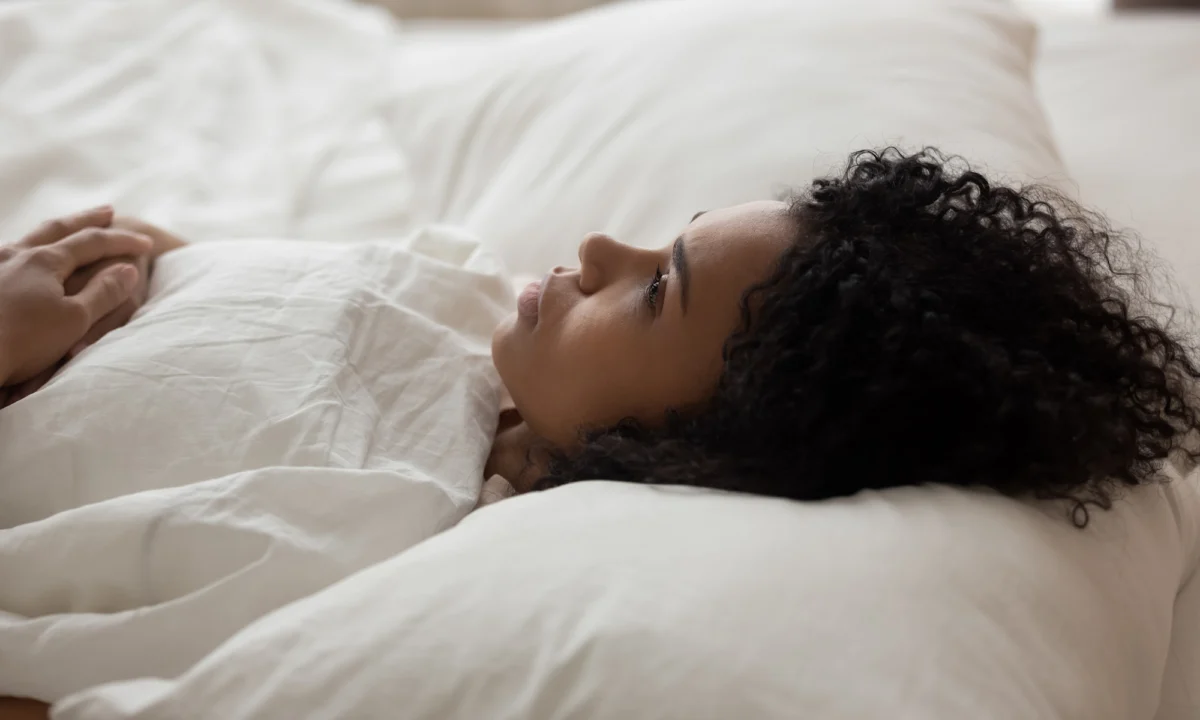
The common experience of waking in the dead of night, drenched in sweat, is a familiar discomfort for many. For women navigating the hormonal shifts of perimenopause and menopause, this symptom, known as night sweats, can become a recurring and unwelcome interruption to their sleep. While often grouped with hot flashes due to their shared hormonal origins, a recent study published in the journal Menopause suggests that night sweats may have a more profound and detrimental impact on sleep quality and daytime energy levels than their counterpart, hot flashes. This research delves into the nuanced differences between these two prevalent menopausal symptoms and their distinct effects on a woman’s well-being.
Understanding the Nuance: Hot Flashes vs. Night Sweats
Hot flashes and night sweats are hallmarks of the menopausal transition, a period characterized by fluctuating estrogen levels that can trigger a cascade of physiological responses. A hot flash is typically described as a sudden sensation of intense heat, often accompanied by flushing of the skin, particularly on the face and chest, and sometimes punctuated by sweating. These episodes can vary in intensity and duration, from mild warmth to overwhelming heat that can leave individuals feeling flustered and uncomfortable.
Night sweats, on the other hand, are essentially hot flashes that occur during sleep. The defining characteristic of a night sweat is the profuse perspiration that can saturate sleepwear and bedding, leading to significant discomfort and often a complete awakening. This disruption can be particularly jarring, as it forcefully pulls individuals out of a state of rest and into a heightened state of awareness, requiring time to cool down and regain a comfortable sleeping environment.
While both symptoms stem from the same underlying hormonal changes, their manifestation during sleep introduces a critical distinction in their potential to disrupt rest. The new research aimed to quantify this difference, exploring whether the subjective experience and objective impact of night sweats on sleep and energy differed significantly from that of hot flashes.
The Research Unpacked: Methodology and Findings
The study, conducted by researchers focused on menopausal health, sought to precisely delineate the relationship between hot flashes, night sweats, and their impact on sleep quality and daily energy levels. The investigation involved a cohort of 841 women, aged between 40 and 60 years, a demographic that typically encompasses the perimenopausal and menopausal stages.
To establish a clear baseline and comparative analysis, participants were categorized into four distinct groups based on their reported experiences:
- No Symptoms: Women who reported neither hot flashes nor night sweats.
- Hot Flashes Only: Women who experienced hot flashes but not night sweats.
- Night Sweats Only: Women who experienced night sweats but not hot flashes.
- Both Symptoms: Women who reported experiencing both hot flashes and night sweats.
The researchers employed a comprehensive approach to data collection, utilizing self-reported questionnaires to gauge participants’ experiences. Women were asked to report on the presence and severity of sleep disturbances and feelings of low energy. Furthermore, they completed standardized instruments designed to measure sleep habits and assess the degree of daytime sleepiness. This multi-faceted approach allowed for a nuanced understanding of the subjective and objective consequences of these symptoms.
Crucially, the study’s design incorporated statistical controls for a range of confounding variables that could potentially influence sleep and energy levels. These included factors such as age, menopausal status (e.g., premenopausal, perimenopausal, postmenopausal), mood, and the presence of joint discomfort, conditions that are common during this life stage and can independently affect sleep. By accounting for these variables, the researchers aimed to isolate the specific impact of hot flashes and night sweats on sleep quality and energy, thereby strengthening the validity of their findings.
The results of this rigorous investigation revealed a significant and compelling distinction. Women who reported experiencing night sweats, even in the absence of hot flashes, exhibited a markedly higher likelihood of reporting sleep difficulties. Specifically, they were nearly twice as likely to describe trouble sleeping compared to women who experienced neither symptom. This group also demonstrated a significantly elevated risk of reporting low energy, being more than twice as likely to experience this debilitating symptom.
In contrast, women who reported experiencing only hot flashes did not show a statistically significant association with increased sleep trouble or low energy levels when compared to the control group. This suggests that the mere sensation of heat, when it doesn’t lead to a full awakening and drenching sweat, may not carry the same disruptive weight on sleep architecture.
Interestingly, women who experienced both hot flashes and night sweats did report poorer sleep habits overall compared to those without symptoms. However, the study noted that the levels of daytime sleepiness were relatively consistent across all four groups, a finding that warrants further investigation.
It is important to acknowledge a key limitation of this study: its observational nature. The findings are based on self-reported data, meaning that while a strong correlation between night sweats, sleep trouble, and low energy was identified, direct causation cannot be definitively established. Future research, potentially employing objective sleep monitoring techniques, could further elucidate the direct physiological pathways through which night sweats impact sleep.

Why Night Sweats May Be the Greater Culprit
The study’s findings underscore a practical distinction between the experience of a hot flash and a night sweat. While a hot flash can be an uncomfortable, albeit transient, sensation that might not necessarily interrupt sleep entirely, a night sweat is inherently disruptive. The sudden onset of profuse perspiration can lead to immediate physical discomfort – damp pajamas, a cold, clammy feeling, and wet bedding. This level of physical disruption is far more likely to trigger a full awakening.
Once awakened by a night sweat, the process of returning to sleep can be arduous. The body needs to cool down, dry off, and re-establish a comfortable sleeping environment. This often involves changing clothes, adjusting bedding, and trying to find a comfortable position, all of which can take considerable time and mental effort. The cumulative effect of these frequent awakenings, even if they are relatively short, can significantly degrade the overall quality of sleep. This fragmented sleep can lead to a deficit in restorative sleep stages, leaving individuals feeling fatigued, irritable, and cognitively impaired the following day.
The link between night sweats and low energy, as observed in the study, can be directly attributed to this sleep fragmentation. Even if a woman spends adequate hours in bed, the repeated interruptions prevent the body from achieving deep, uninterrupted sleep cycles essential for physical and mental rejuvenation. This chronic sleep deprivation, even if not consciously perceived as a full night of sleeplessness, can manifest as persistent fatigue, reduced concentration, and diminished overall vitality.
Addressing the Impact: Strategies for Managing Night Sweats
For women experiencing frequent night sweats that disrupt their sleep and impact their daily lives, several strategies can be employed to mitigate their effects and improve sleep quality. These recommendations focus on both environmental adjustments and lifestyle modifications:
-
Optimize the Sleep Environment:
- Cooler Bedroom Temperatures: Maintaining a cool sleeping environment is paramount. Lowering the thermostat, using fans, or employing air conditioning can significantly reduce the likelihood of overheating.
- Breathable Bedding and Sleepwear: Opting for natural, breathable fabrics such as cotton, linen, or moisture-wicking materials like bamboo or Tencel for bedding and sleepwear can help manage perspiration. Avoid synthetic materials that trap heat.
- Layered Bedding: Using multiple lighter blankets or duvets allows for easy adjustment during the night. If a night sweat occurs, one or more layers can be quickly removed.
- Cooling Pillows and Mattress Toppers: Specialized cooling pillows and mattress toppers designed to dissipate heat can provide additional comfort and temperature regulation.
-
Lifestyle Adjustments:
- Dietary Considerations: Certain foods and beverages can trigger or exacerbate hot flashes and night sweats in some individuals. Common triggers include spicy foods, caffeine, alcohol, and hot drinks, particularly when consumed close to bedtime. Identifying and limiting these triggers can be beneficial.
- Stress Management: Stress and anxiety can often worsen menopausal symptoms. Incorporating stress-reducing activities such as yoga, meditation, deep breathing exercises, or mindfulness practices into a daily routine may help alleviate symptom severity.
- Regular Exercise: While intense exercise close to bedtime can sometimes be disruptive, regular physical activity during the day can improve sleep quality and overall well-being.
- Hydration: Staying adequately hydrated is important for overall health, but consuming large amounts of fluids close to bedtime might increase the need for nighttime bathroom trips, further disrupting sleep.
-
When to Seek Professional Help:
If night sweats are occurring frequently, are significantly impacting sleep quality, or are leading to persistent daytime fatigue and distress, it is crucial to consult with a healthcare provider. A medical professional can:- Confirm Diagnosis: Rule out other potential medical conditions that might be causing excessive sweating.
- Discuss Treatment Options: Explore various treatment modalities, including hormone replacement therapy (HRT) or non-hormonal medications, which can effectively manage hot flashes and night sweats for many women.
- Provide Personalized Advice: Offer tailored recommendations based on an individual’s medical history, symptom severity, and personal preferences.
Broader Implications and Future Research
The findings of this study carry significant implications for how healthcare professionals and individuals understand and manage the menopausal transition. It highlights the importance of distinguishing between hot flashes and night sweats, recognizing that they may not be interchangeable in terms of their impact on a woman’s life. By identifying night sweats as a potentially more potent disruptor of sleep and energy, the research underscores the need for targeted interventions and greater attention to this specific symptom.
The implications extend to public health messaging and patient education. Women experiencing menopausal symptoms should be empowered with knowledge about the distinct effects of different symptoms. This allows for more informed conversations with healthcare providers and the adoption of more effective self-management strategies.
Furthermore, the study’s observational nature points towards areas for future research. Longitudinal studies that track women over extended periods, utilizing objective measures of sleep architecture (such as polysomnography), could provide definitive evidence of the causal link between night sweats and sleep disturbances. Investigating the underlying physiological mechanisms that make night sweats more disruptive than hot flashes, such as differences in thermoregulatory responses or their impact on specific sleep stages, would also be highly valuable. Understanding these mechanisms could pave the way for more targeted and effective therapeutic interventions.
In conclusion, while hot flashes and night sweats are often discussed in tandem, the latest research suggests a critical divergence in their impact on sleep and daytime functioning. Night sweats, with their capacity to fully awaken and disrupt the restorative process of sleep, appear to be a more significant contributor to sleep trouble and low energy during menopause. Recognizing this distinction is a vital step toward improving the quality of life for millions of women navigating this significant life transition.

