


The history of diabetes treatment is marked by a pivotal shift, moving from rudimentary dietary interventions to the life-saving discovery of insulin. Long before the advent of modern pharmacological solutions, a groundbreaking dietary regimen centered on oatmeal, championed by German physician Carl von Noorden, offered a lifeline to individuals diagnosed with diabetes. Published in 1903, von Noorden’s findings, detailing the remarkable efficacy of an oatmeal-centric diet, were initially met with widespread skepticism. However, over the subsequent years, mounting clinical evidence systematically dismantled the initial doubts, solidifying oatmeal’s place as a crucial component in early diabetes management.
The skepticism surrounding von Noorden’s "oatmeal cure" was understandable. In an era predating the understanding of insulin’s role and mechanism, any dietary intervention that could demonstrably improve patient outcomes was bound to face scrutiny. Yet, the results were too compelling to ignore. Acclaimed physician James B. Herrick, a leading medical figure of his time, began to implement the oatmeal diet in his own practice. Initially a skeptic himself, Herrick was astonished by the profound positive effects he observed in his patients. This personal conversion led to a significant medical endorsement in 1909, with Herrick proclaiming that no child or adolescent diagnosed with diabetes should be denied the potential benefits of this dietary approach. This declaration marked a significant turning point, signaling a growing acceptance of dietary interventions in a field still grappling with the fundamental understanding of the disease.
The influence of the oatmeal diet extended to other prominent medical figures. Dr. Elliott Joslin, the visionary founder of what is now the world’s oldest and largest diabetes clinic, described the impact of oatmeal on patients as "sometimes magical." He characterized the oatmeal cure as an "unsolved mystery," a "great puzzle in diabetes" that baffled the medical community of his era. Despite the enigma surrounding its precise mechanism, physicians observed crucial clues. A consistent finding was the absolute necessity of strictly excluding animal protein from the diet. The presence of animal protein was observed to actively counteract and "annihilate" the beneficial effects of the oatmeal-based regimens. This observation, though not fully understood at the time, foreshadowed modern scientific understanding of insulin resistance.
Over a century later, this early clinical observation has been validated by robust scientific research. We now understand that elevated intake of animal protein demonstrably intensifies insulin resistance, the primary underlying cause of prediabetes and type 2 diabetes. Conversely, a diet rich in plant-based foods has been shown to enhance insulin sensitivity, effectively reversing the problematic physiological state. This stark contrast underscores the prescient nature of the early pioneers’ dietary recommendations.
The Enduring Power of Oats in Diabetes Management
The recognition of whole grains, particularly oats, as a cornerstone of diabetes prevention and management has solidified over decades. Extensive research, including more than a dozen randomized controlled trials, has consistently demonstrated that oats significantly improve both short-term and long-term glycemic control in individuals with diabetes. Beyond blood sugar regulation, these studies have also reported notable reductions in cholesterol levels.
The therapeutic benefits of oats are largely attributed to a specific type of fermentable fiber known as beta-glucan. This soluble fiber is believed to play a crucial role in the observed improvements. One of the key mechanisms by which oatmeal contributes to lower cholesterol levels is its capacity to modulate the gut microbiome. By favorably influencing the composition and activity of intestinal bacteria, beta-glucan appears to exert a beneficial systemic effect.
The Unsung Hero: Fiber in Oatmeal
The significance of dietary fiber, especially the type found in oats and legumes, cannot be overstated in its impact on metabolic health. Even modest amounts of fiber can yield substantial benefits. Beneficial gut bacteria, often referred to as the gut flora, ferment dietary fiber, producing short-chain fatty acids (SCFAs). These SCFAs possess potent anti-inflammatory properties, which are crucial for mitigating the chronic low-grade inflammation often associated with diabetes.

Dozens of randomized controlled trials have provided compelling evidence that the fiber content in oats and beans can lead to significant improvements in long-term blood sugar control for individuals with diabetes. The underlying reason is that dietary fiber selectively promotes the growth of specific types of gut bacteria that are instrumental in alleviating the mechanisms driving type 2 diabetes.
Oat fiber, in particular, has been identified as a potent prebiotic. Prebiotics are substances that selectively stimulate the growth and activity of beneficial bacteria, such as Lactobacillus and Bifidobacteria. This synergistic interplay—a diet devoid of animal protein and fat, coupled with an abundance of prebiotic fiber—explains why oatmeal-based diets became an integral part of clinical practice for diabetes management in the early 20th century. The observed efficacy, even without a full understanding of the underlying biology, made it a cornerstone of treatment.
Rapid and Lasting Benefits: The Oatmeal Intervention
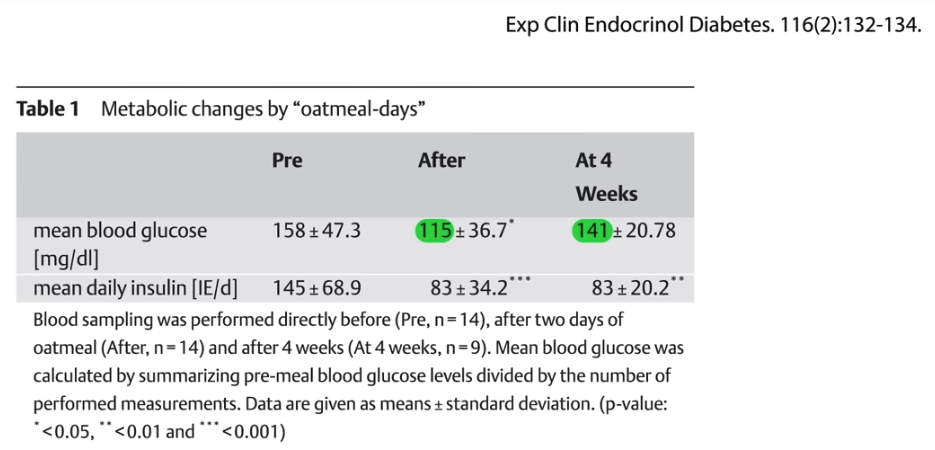
The speed at which individuals can experience benefits from an oatmeal-rich diet is remarkable. Several studies have indicated that even a few days of incorporating oats into the diet can lead to sustained positive effects for up to a month. A notable randomized, controlled, crossover trial provided striking evidence. Participants who consumed oatmeal experienced a dramatic reduction in their insulin needs, dropping by approximately 40% within just two days. This was achieved in comparison to a control group that followed a calorie-restricted diabetic diet, highlighting the specific impact of oatmeal beyond simple caloric reduction.
Crucially, the benefits were not fleeting. Measures of long-term blood sugar control, assessed four weeks after the intervention, continued to reflect the positive impact of the short-term oatmeal consumption. This suggests a lasting physiological adaptation or a significant shift in metabolic markers.
Further research has corroborated these findings. Studies have shown that just two days of an oatmeal-focused diet significantly reduced the required insulin dosage and improved blood sugar levels, with beneficial effects persisting for up to four weeks. In one study, patients with uncontrolled type 2 diabetes who adhered to a two-day oatmeal diet experienced a remarkable 40% reduction in their insulin dose. This was accompanied by a near-normalization of their average blood sugar levels. Even after participants resumed their regular diets, researchers observed a significant and lasting reduction in insulin dosage and ameliorated mean blood sugar levels for weeks following their dismissal from the study.
The broader implications of these findings are substantial. When individuals adopt a diet rich in oats, beans, fruits, vegetables, and nuts, the population of fiber-feeding gut microbes that produce beneficial SCFAs increases significantly. This dietary shift has been linked to a substantial drop in fasting blood sugars, often around 25% within a month. Furthermore, the degree of improvement in blood sugar control appears to be directly correlated with the fostering of these fiber-promoting microbes. When the diversity and abundance of SCFA-producing bacteria are enhanced, individuals exhibit better improvement in their hemoglobin A1c levels, a key indicator of long-term blood sugar control.
Navigating the Potential Downsides and Glycemic Index Considerations
While the benefits of an oatmeal diet are profound, it is imperative to acknowledge potential risks and implement appropriate precautions. The potency of oatmeal interventions, particularly in individuals already on blood sugar-lowering medications, necessitates close medical supervision. Physicians must be prepared to rapidly adjust or "deprescribe" these medications to prevent dangerous hypoglycemia, or dangerously low blood sugar. This is especially critical for patients who may have difficulty recognizing or reporting symptoms of low blood sugar. The primary "downside" of adopting an oatmeal-focused diet is that it may be too effective, underscoring the need for careful monitoring and medical guidance.
The form of oatmeal consumed also plays a role in its glycemic impact. While whole grains are generally beneficial, intact whole grains tend to be superior. Oat groats, which are whole oats with their inedible outer husks removed, offer the most intact form. These groats can be processed into steel-cut oats (also known as pinhead or Irish oats), which are considered a low-glycemic-index (GI) food, typically scoring below 55.
Oat groats can also be coarsely ground to produce Scottish oatmeal or steamed and flattened into "old-fashioned" rolled oats. These varieties generally have a glycemic index of around 55, still within the moderate range. Instant oats, however, undergo more extensive processing, including longer steaming and thinner rolling. This results in a higher glycemic index, scoring around 79. While this is still less impactful than many highly processed breakfast cereals, which can range into the 80s and 90s, it highlights the importance of choosing less processed oat varieties for optimal glycemic control.
Enhancing the Oatmeal Experience
Oatmeal, a classic whole-grain breakfast staple, offers remarkable versatility for culinary enjoyment. Beyond its inherent health benefits, it can be prepared in a multitude of delicious ways. A foundational approach involves a base of oats, beans, rice, and lentils (BROL), which provides a robust blend of complex carbohydrates and fiber.
For those with a preference for sweetness, creative topping combinations can transform a simple bowl of oatmeal into a decadent treat. For instance, a "chocolate-covered-cherry sensation" can be crafted using frozen dark red cherries, cocoa powder, dates, and a sprinkle of walnuts or pumpkin seeds. This not only adds flavor but also introduces antioxidants and healthy fats.
The savory potential of oatmeal is equally vast. By incorporating sautéed greens, mushrooms, herbs, curry spices, or roasted vegetables, oatmeal can be reimagined as a hearty and nutritious savory meal. Exploring recipes for "savory oatmeal" reveals a global array of innovative dishes that showcase the adaptability of this humble grain.
Broader Implications and Future Perspectives
The historical journey of the oatmeal diet underscores a fundamental truth in nutrition: the power of whole, plant-based foods. The early successes of Carl von Noorden and his contemporaries, though initially met with skepticism, laid the groundwork for a paradigm shift in understanding diabetes management. Their reliance on dietary intervention, particularly the exclusion of animal products and the emphasis on oats, was remarkably prescient, anticipating modern scientific revelations about insulin resistance and the gut microbiome.
The implications of this historical perspective are far-reaching. It suggests that a return to, or at least a greater integration of, whole-food, plant-based dietary principles could play a significant role in addressing the escalating global diabetes epidemic. The evidence is clear: a diet rich in fiber, particularly from sources like oats, not only improves glycemic control but also positively influences the gut microbiome, reduces inflammation, and enhances insulin sensitivity.
As research continues to unravel the intricate connections between diet, gut health, and metabolic well-being, the humble oat stands as a testament to the enduring power of nature’s pharmacy. The lessons learned from the early days of diabetes treatment, centered around this unassuming grain, offer a valuable roadmap for contemporary approaches to health and wellness, reminding us that sometimes, the oldest solutions hold the most profound answers.

