


In an exploration of dietary interventions for male sexual health, a recent scientific inquiry has placed walnuts, almonds, and hazelnuts under scrutiny, examining their potential impact on erectile function, sperm count, and overall semen quality. This investigation builds upon prior research that suggested the benefits of nuts for male reproductive health, though it also highlights the complexities and sometimes unexpected findings encountered when delving into medical literature.
A History of Nuts and Male Health
The connection between nuts and male sexual function is not entirely new. As far back as 2013, a study garnered attention for its findings regarding pistachios and erectile dysfunction. The research indicated that men experiencing erectile difficulties who consumed approximately 100 grams of pistachios daily for three weeks reported a "significant improvement in erectile function." This observation underscored the potential of whole-food interventions in addressing clinical issues, prompting further investigation into other common nuts.
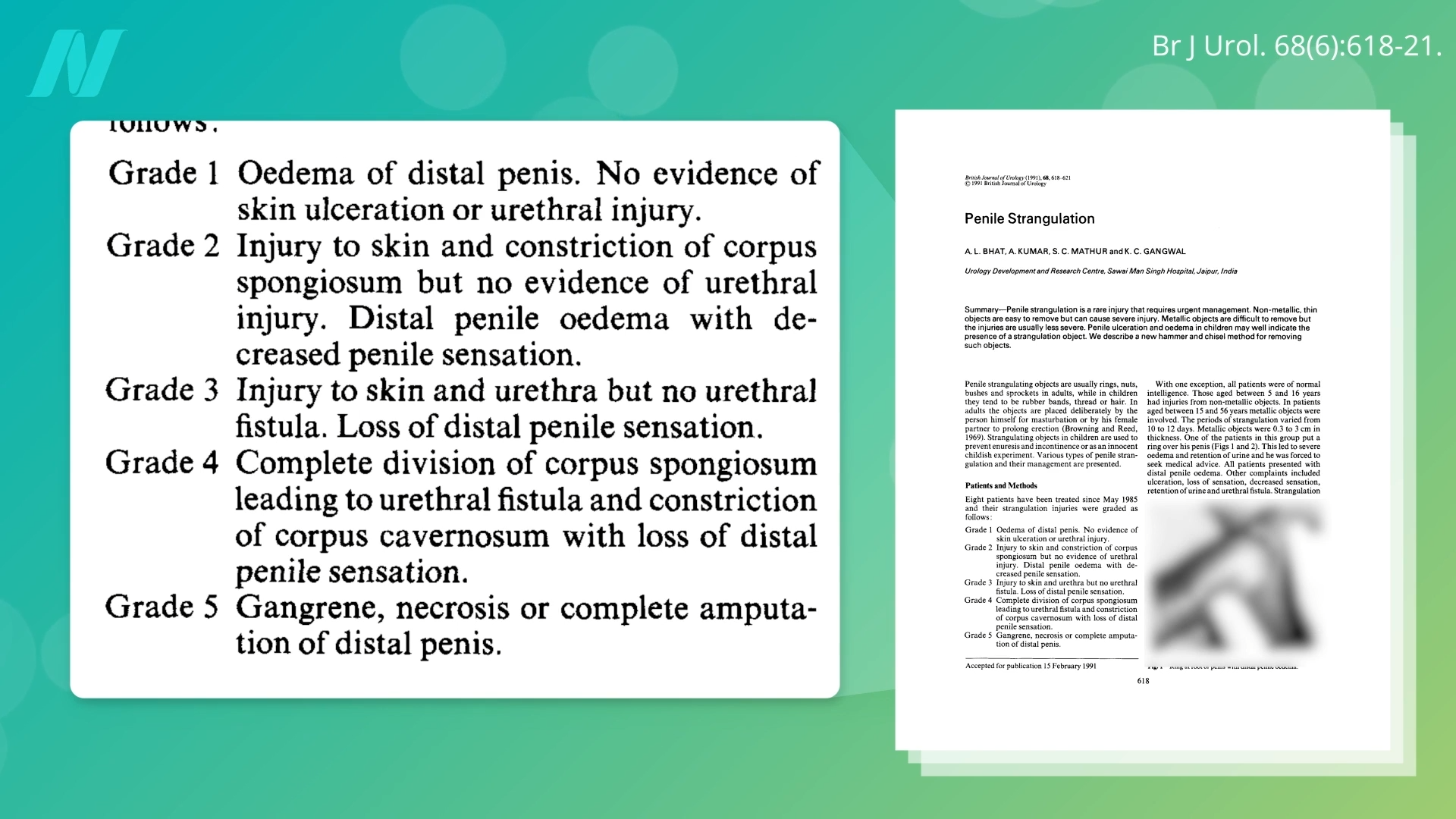
However, the landscape of medical research concerning nuts and sexual health is not without its peculiar turns. While laboratory animal studies, such as one investigating hazelnut consumption in rats, have demonstrated positive effects on testicular antioxidant function and semen quality, human studies have occasionally yielded more startling results. One documented case involved a man who experienced penile strangulation with a metal hex nut, reportedly used for sexual pleasure, which he was unable to remove. The subsequent medical intervention, involving specialized tools and procedures to safely extract the object, served as a stark reminder that not all "nut"-related incidents have positive outcomes. This particular case, documented in the medical literature, highlighted the existence of penile entrapment as a recognized medical concern, even leading to the development of grading systems for emergency room physicians to assess such situations. The need for specialized equipment, including drills and even hammers and chisels in extreme cases, to address these severe entrapments, underscores the critical role of medical expertise and preparedness in managing such unusual incidents.
The Search for Evidence: From Observation to Intervention
Beyond these anecdotal extremes, a more systematic approach to understanding the role of nuts in male sexual health has emerged. Observational studies have provided intriguing correlations. For instance, one cross-sectional study indicated that men who consumed at least one serving of vegetables daily and more than two servings of nuts weekly experienced a more than 50% reduction in the likelihood of erectile dysfunction (ED). While such findings are suggestive, it is crucial to recognize their limitations. Observational data, by its nature, cannot establish a definitive cause-and-effect relationship. It is plausible that men who adopt healthier dietary habits, including nut consumption, may also engage in other beneficial lifestyle practices, such as regular exercise, which could independently contribute to improved sexual health. This underscores the need for rigorous scientific methodologies, specifically interventional trials, to confirm causal links.

The Mixed Nut Intervention Trial
To address the need for interventional evidence, a randomized controlled trial was conducted to specifically evaluate the "effect of nut consumption on semen quality and functionality." This study involved healthy male participants who were divided into two groups. One group followed a standard American diet, while the other group’s diet was supplemented with a mixture of nuts: 30 grams of walnuts and 15 grams each of almonds and hazelnuts daily.
The results from this trial offered significant insights into the impact of nut consumption on male reproductive health. Participants in the nut-consuming group demonstrated notable improvements across several key metrics of semen quality. These included a significant increase in total sperm count, enhanced sperm vitality, improved motility (the ability of sperm to move effectively), and a better sperm morphology (shape). A particularly encouraging finding was the significant reduction in sperm DNA fragmentation (SDF) among those who consumed nuts. This suggests that the nuts acted as a protective agent for sperm DNA, a factor known to be crucial for successful fertilization and the development of healthy offspring.
Examining Erectile and Sexual Function
While the study provided robust data on semen quality, the researchers also extended their investigation to include measures of erectile and sexual function. The findings in this domain revealed a more nuanced picture. The group that consumed nuts reported a significant increase in orgasmic function and sexual desire. However, when it came to erectile function, the improvements were less pronounced. The study authors noted a "marginal increase" in orgasmic function and sexual desire, but there was no significant improvement in erectile function, intercourse satisfaction, or overall sexual satisfaction.
This selective reporting of positive outcomes, particularly the emphasis on orgasmic function and sexual desire while downplaying the lack of improvement in erectile function, has raised questions. Such reporting patterns can sometimes be influenced by external funding, and in this instance, the study received partial funding from the International Nut and Dried Fruit Council. This raises the possibility of a vested interest in highlighting statistically significant, albeit potentially clinically minor, positive findings, while de-emphasizing areas where no significant improvement was observed. It is crucial for consumers and healthcare professionals to critically evaluate such research, considering the source of funding and the full spectrum of reported outcomes.
Explaining the Discrepancies: Pistachios vs. Mixed Nuts
The divergence in findings between the 2013 pistachio study and the more recent mixed nut trial warrants examination. A key factor contributing to this difference likely lies in the participant demographics and baseline health status of the individuals involved. The original study on pistachios primarily included men in their 40s and 50s who had been experiencing chronic erectile dysfunction for at least one year. These individuals likely had pre-existing circulatory issues that could be more readily addressed by dietary interventions.
In contrast, the participants in the mixed nut trial were considerably younger, with an average age of 24. This demographic likely started with optimal or near-optimal circulatory function, leaving less room for observable improvement from dietary changes. In essence, when the system is already functioning at a high level, the impact of a dietary supplement may be less dramatic or even undetectable by current measurement methods. This highlights the importance of considering the target population when interpreting the results of health-related studies.
Broader Implications and Future Directions
The ongoing research into the effects of nuts on male sexual health is an important area of study, given the prevalence of issues like erectile dysfunction and declining fertility rates. While the mixed nut trial did not demonstrate a significant improvement in erectile function for healthy young men, its findings on semen quality are compelling. The protective effect of nuts on sperm DNA fragmentation, in particular, has significant implications for male fertility and reproductive outcomes.
The medical literature, as exemplified by the unusual cases of penile entrapment, also serves as a reminder of the diverse and sometimes unexpected challenges faced in urological care. The ingenuity and resourcefulness of medical professionals in addressing these extreme situations, employing tools ranging from dental drills to heavy-duty grinders, underscore the commitment to patient safety and the need for a comprehensive understanding of available interventions.
Future research could benefit from larger, more diverse study populations, including individuals with varying degrees of sexual dysfunction and fertility concerns. Further investigation into the specific nut compounds responsible for these effects, and their mechanisms of action at a cellular and physiological level, would also be valuable. Understanding the interplay between diet, lifestyle, and male sexual health remains a critical endeavor, with the potential to inform public health recommendations and improve the lives of countless individuals.
Doctor’s Note
The exploration of medical literature can indeed lead down unexpected paths, as demonstrated by the digressions into penile strangulation and the specialized tools used in urological emergencies. While these anecdotes provide a vivid glimpse into the breadth of medical challenges, the core scientific inquiry into the role of nuts in male sexual health offers more direct guidance. The 2013 study on pistachios for erectile dysfunction, and further research on walnuts and artery function, continue to provide valuable insights. As the field progresses, a comprehensive understanding of diet’s impact on male fertility and sexual function will undoubtedly continue to evolve.

