

The pervasive presence of fungal mycotoxins in a significant portion of the world’s food supply poses a growing concern for public health, with certain food categories exhibiting higher contamination levels than others. While the exact global prevalence is subject to ongoing debate and evolving detection methods, scientific consensus points to a widespread issue affecting staple crops and processed foods alike. This article delves into the complexities of mycotoxin contamination, examining its sources, potential health impacts, and the evolving strategies for mitigation, with a particular focus on common dietary items like oats, spices, herbs, and wine.
The Ubiquitous Nature of Mycotoxins
Mycotoxins are toxic compounds produced by molds, which can contaminate food crops during cultivation, harvesting, storage, and processing. These invisible threats can have a range of adverse health effects, from acute poisoning to chronic issues such as immune suppression, liver and kidney damage, and even cancer. The Food and Agriculture Organization of the United Nations (FAO) has previously estimated that up to 25% of the world’s food crops are affected by mycotoxins. However, more recent analyses, incorporating advancements in analytical testing, suggest that this figure may be significantly higher, potentially ranging from 60% to 80% of global crops. This increased prevalence is attributed to a confluence of factors, including improved detection sensitivities and the intensifying impact of climate change, which creates more favorable conditions for mold growth.
Oats: A Double-Edged Sword in the Diet
Oats are often lauded for their nutritional profile, particularly their role as a source of prebiotics. These beneficial compounds foster the growth of healthy gut bacteria, contributing to improved digestive health and overall well-being. The spectrum of oat products available to consumers varies widely, from whole oat groats, considered the least processed form, to steel-cut oats, and further down to highly processed breakfast cereals like Honey Nut Cheerios.
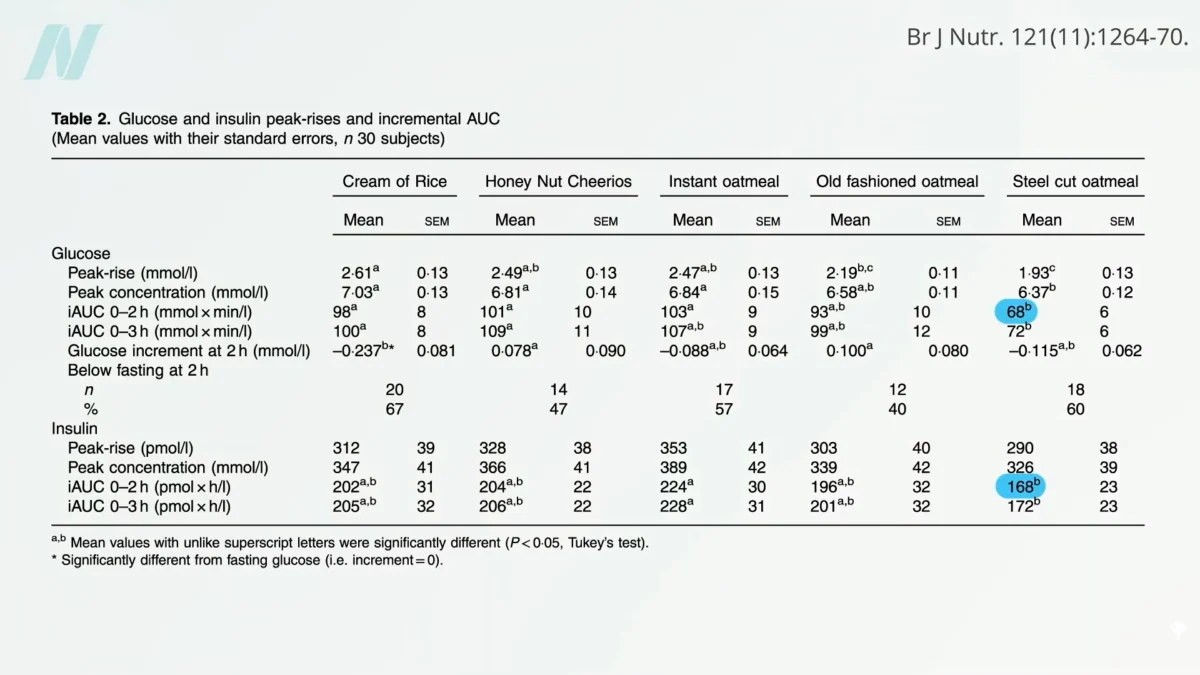
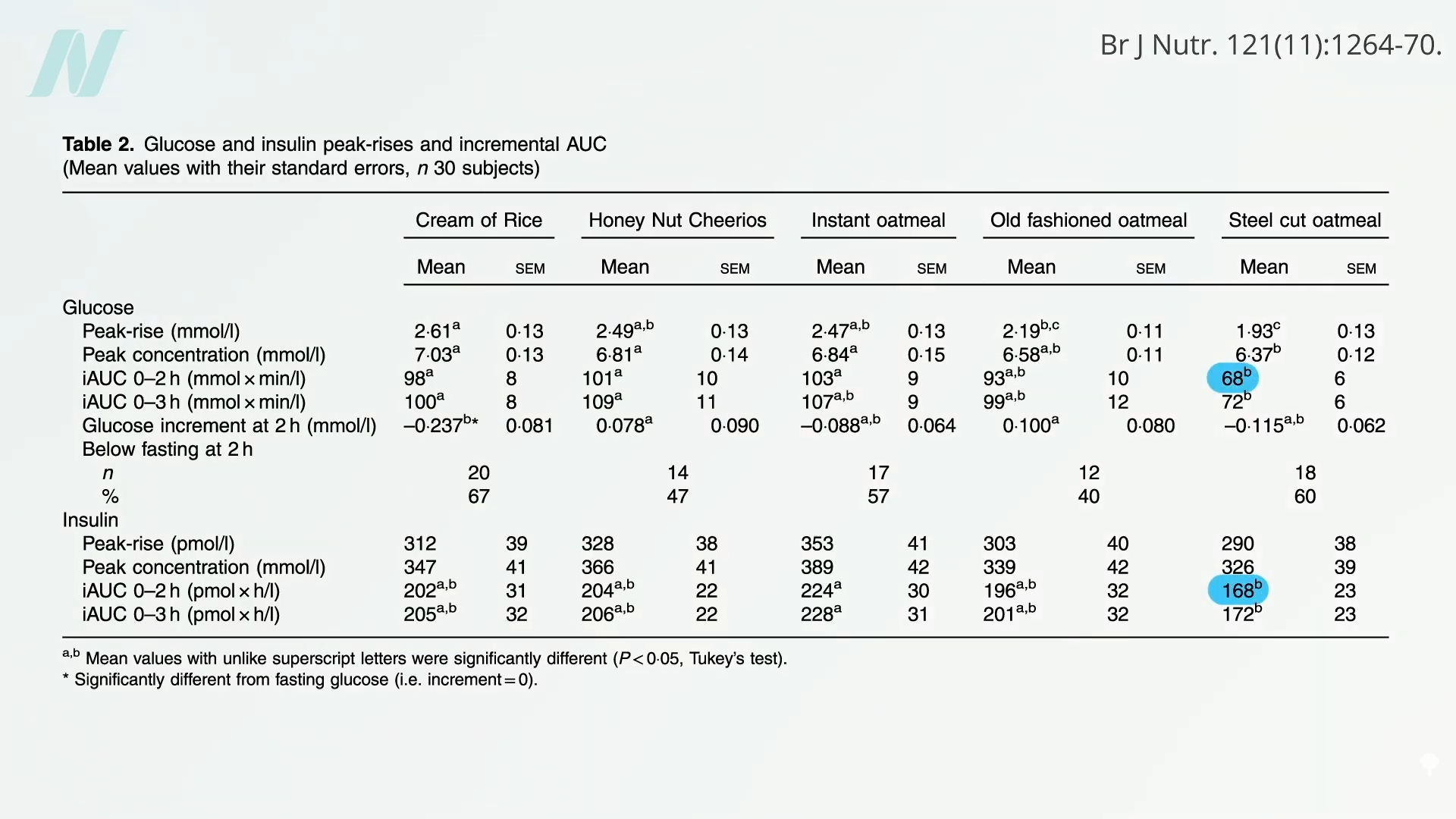
The processing of oats significantly influences their impact on human health, particularly concerning blood sugar and insulin responses. Rolling oats, a common practice, crushes the grain. While this may increase the availability of starch for digestion, it can disrupt the beneficial slow-release mechanism of complex carbohydrates. This disruption is problematic because it allows starch to be rapidly digested, leading to quicker absorption of glucose into the bloodstream. This, in turn, can result in sharper spikes in blood sugar and insulin levels. The process of grinding oats into flour for breakfast cereals exacerbates this effect. Research, visualized through comparative blood sugar and insulin response charts, demonstrates that more intact forms of oats, such as steel-cut oats, elicit significantly lower glycemic responses compared to their highly processed counterparts. This suggests that the more the oat grain is manipulated, the less beneficial it becomes for maintaining stable blood sugar levels, a critical factor in preventing metabolic disorders.

Beyond glycemic impact, oats also present a significant source of exposure to ochratoxin, a particularly concerning mycotoxin. Studies have identified oats as the leading dietary contributor to ochratoxin intake for many populations. Ochratoxin A (OA) is a potent nephrotoxin, meaning it is toxic to the kidneys. It also possesses immunosuppressive, teratogenic (causing birth defects), and carcinogenic properties. While oats are a primary source, they are not the sole contributor to dietary ochratoxin exposure.
Other Notable Sources of Mycotoxin Contamination
Spices: While spices are often found to contain high concentrations of mycotoxins, their impact as a significant source of dietary exposure is generally considered limited. This is primarily due to the small quantities in which they are typically consumed. Nevertheless, maintaining proper storage conditions after opening sealed containers can help minimize further mold growth and potential contamination.
Dried Herbs and Supplements: Dried herbs, particularly those used in plant-based dietary supplements, have also been identified as potential reservoirs for mycotoxins. Research has highlighted milk thistle-based supplements as having particularly high mycotoxin concentrations. The cultivation of milk thistle often requires humid and wet weather conditions during harvest, which can inadvertently create an environment conducive to mold proliferation. This is a cause for concern, as milk thistle preparations are frequently used by individuals with liver conditions, and introducing additional liver-toxic compounds could exacerbate their existing health issues.
Wine: Wine, especially that produced in the United States, has been found to exhibit notably high levels of mycotoxins. In fact, some of the highest ochratoxin levels recorded globally have been detected in U.S. wines. The consistent presence of mycotoxins in wine has led some researchers to hypothesize that it may contribute to the sustained levels observed in individuals’ bloodstreams, particularly among regular wine drinkers. This raises questions about the potential long-term health implications for frequent wine consumers.
The Evolving Landscape of Mycotoxin Detection and Mitigation
The challenge of mycotoxin contamination is compounded by the difficulty in completely eliminating it from the food chain. While preventative measures, such as optimizing agricultural practices and ensuring proper storage, are crucial, they are not always sufficient. This has led to an increased focus on developing effective methods for detoxifying mycotoxins already present in foods.
One promising avenue for mycotoxin detoxification involves the use of yeast. Mycotoxins, including ochratoxin, have a propensity to bind to the cell walls of certain yeast strains. The concept is that by incorporating yeast into food production or consumption, the mycotoxins can be sequestered and then removed, either through filtration processes or by passing through the gastrointestinal tract. Research has shown that yeast can bind to significant percentages of mycotoxins in laboratory settings.
Yeast as a Detoxifying Agent:
Studies conducted on animal models, such as chickens, have demonstrated that supplementing their diet with yeast alongside aflatoxin (another mycotoxin) can reduce the severity of associated diseases. This suggests a potential for similar applications in human food systems. The efficacy of using yeast as a mycotoxin binder in humans hinges on the stability of the yeast-mycotoxin complex throughout the digestive process. While studies have indicated that yeast can remove ochratoxin from foods, the actual effectiveness within the human gut remained unclear until more recent research emerged. Findings suggest that while yeast can bind a substantial portion of ochratoxin, the stability of this binding can vary. Even with the binding capabilities of yeast, it is possible for individuals to exceed the maximum daily intake of ochratoxin from a single serving of contaminated food, such as a glass of wine, especially if not coupled with effective binding or sequestration strategies.
Broader Implications and Future Directions:
The widespread nature of mycotoxin contamination underscores the need for continued research and public awareness. Understanding the specific health risks associated with different mycotoxins, such as the kidney toxicity, immunosuppression, and carcinogenic potential of ochratoxin, is paramount. Furthermore, the development and implementation of cost-effective and scalable detoxification technologies are essential for safeguarding public health.
The ongoing battle against mycotoxins requires a multi-pronged approach. This includes:
- Enhanced Surveillance: Continued monitoring of food supplies for mycotoxin levels.
- Improved Agricultural Practices: Implementing strategies to reduce mold growth during cultivation and harvesting.
- Advanced Storage and Processing: Developing better methods for preventing mycotoxin formation during storage and food manufacturing.
- Innovative Detoxification Methods: Investing in research and development of safe and effective ways to neutralize or remove mycotoxins from food products.
- Consumer Education: Empowering consumers with knowledge about potential risks and how to make informed food choices.
The journey to understanding and mitigating the threat of mycotoxins is an evolving one. As analytical techniques become more sophisticated and our understanding of the complex interactions between molds, food, and human health deepens, so too will our ability to protect ourselves from these hidden contaminants. The scientific community, regulatory bodies, and the food industry must collaborate to address this significant public health challenge, ensuring that the foods we rely on for nourishment do not inadvertently pose a risk to our well-being. The continued exploration of solutions, from optimizing grain processing to harnessing the binding properties of natural agents like yeast, offers hope for a safer food future.

