

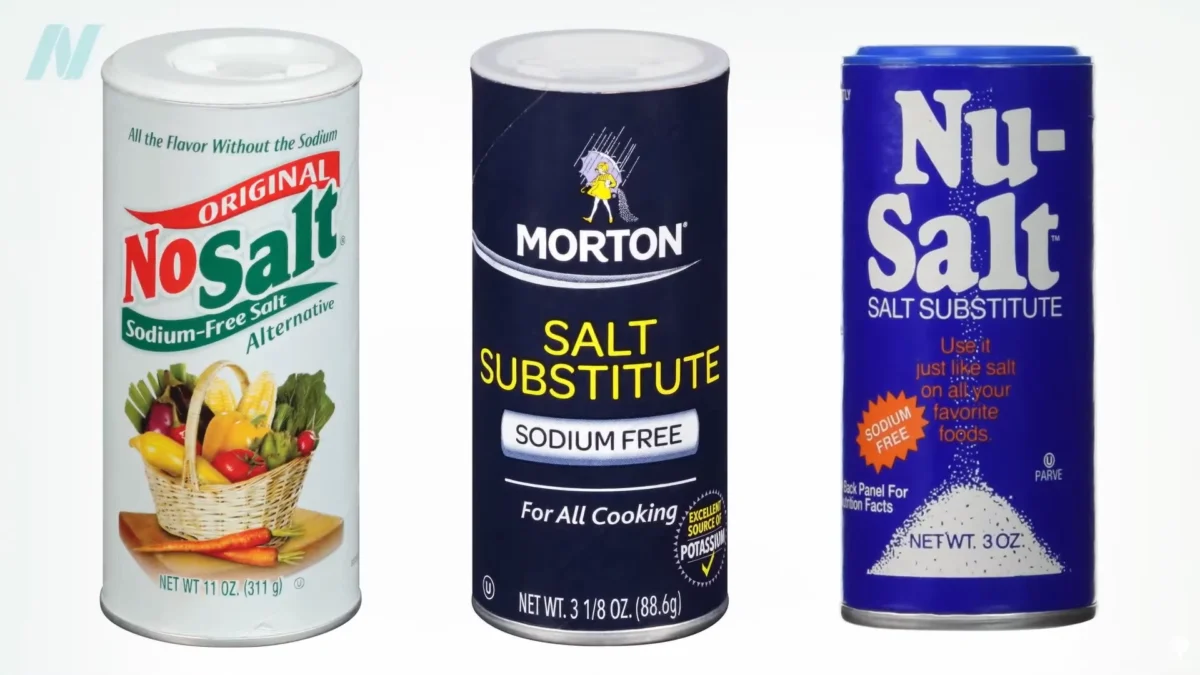
Among the myriad dietary challenges facing global populations, none looms larger than the detrimental impact of excessive sodium consumption. Often referred to colloquially as "salt intake," high dietary sodium has been identified as the leading modifiable risk factor for a cascade of serious health conditions. Scientific consensus, supported by extensive epidemiological data and clinical trials, points to its role in millions of premature deaths annually. The primary mechanisms through which sodium exerts its harmful effects are through adverse impacts on blood pressure regulation and a significantly increased risk of cardiovascular and cerebrovascular events, including stroke, heart attack, and kidney damage. Hypertension, or high blood pressure, remains a particularly insidious threat, earning it the grim moniker of the "silent and invisible killer." Its danger lies in its often asymptomatic nature, masking underlying physiological stress until irreversible damage occurs. Despite its lack of overt symptoms, hypertension is a powerful independent predictor of many leading causes of mortality worldwide.
The human body’s physiological equilibrium evolved over millennia on a dietary pattern characterized by abundant potassium and minimal sodium. This ancestral nutritional landscape, rich in whole, unprocessed foods, contrasts sharply with the modern Western diet, which has seen a complete reversal of this ratio. This dietary inversion is a direct consequence of a societal shift away from traditional plant-based diets, historically a primary source of potassium and a natural constraint on sodium intake. These diets, replete with fruits, leafy greens, root vegetables, and tubers, provided a balanced mineral profile. In contrast, the contemporary food environment is dominated by processed and ultra-processed foods, which are often stripped of their natural potassium content and heavily fortified with sodium for flavor enhancement and preservation. This shift has led to potassium being classified as a "nutrient of public health concern," with an alarming statistic indicating that approximately 98% of the U.S. population fails to meet the recommended minimum daily intake.
The implications of this potassium deficiency are profound. Beyond its role in maintaining fluid balance and nerve function, low potassium intake has been independently linked to elevated blood pressure and an increased incidence of cardiovascular disease. Despite this well-established connection, the proactive recommendation of potassium-rich foods, such as fruits and vegetables, for blood pressure management by healthcare professionals remains surprisingly infrequent. This oversight persists even though numerous meta-analyses have provided robust evidence that higher potassium intake is associated with a reduced risk of stroke.
Furthermore, the protective effects of potassium extend beyond its impact on blood pressure. Research indicates a reduction in stroke risk that is independent of blood pressure modulation, suggesting other beneficial actions. These include mitigating the formation of blood clots, reducing arterial stiffness, and attenuating the generation of harmful free radicals within the body. The stark contrast in mortality risks associated with sodium and potassium intake is compelling: higher sodium consumption has been linked to a 20% increased risk of premature death, while a commensurate increase in potassium intake is associated with a 20% reduction in the same risk.
This correlation naturally prompts an inquiry: could the observed benefits of low sodium and high potassium intake be merely a marker for a healthier overall dietary pattern, characterized by a greater consumption of plant-based foods and a reduction in processed "junk" food? The causal relationship between sodium and adverse health outcomes is, however, firmly established through rigorous scientific methodology. Randomized controlled trials (RCTs) have unequivocally demonstrated that sodium reduction interventions lead to a measurable decrease in blood pressure. Concurrently, other RCTs have shown that supplementing with potassium can also effectively lower blood pressure. This dual evidence base raises a critical question regarding alternative strategies for achieving these beneficial outcomes.
The Potential of Potassium Chloride as a Salt Substitute
In light of these findings, a compelling question arises: could the use of potassium chloride as a salt substitute, replacing traditional sodium chloride, offer a synergistic solution? Potassium chloride is a naturally occurring mineral salt, sourced and processed in a manner analogous to common table salt. Given the widespread deficiency in potassium and the excess consumption of sodium, the prospect of potassium chloride emerges as a seemingly "win-win" proposition.
While whole, unprocessed plant foods remain the gold standard for increasing potassium intake, due to their comprehensive nutritional profiles and the synergistic effects of their constituent micronutrients, the practicalities of dietary modification can be challenging. However, a growing body of scientific evidence, comprising over 10 studies and encompassing 11 randomized controlled trials, now supports the efficacy of potassium chloride-based salt substitutes. These studies consistently demonstrate significant reductions in blood pressure among individuals with hypertension. This suggests that such salt substitutes may also play a role in the prevention of hypertension. The ability of salt substitutes to lower blood pressure is well-documented, but the critical next step is to ascertain whether this translates into a decreased incidence of hypertension and, more importantly, a reduction in severe disease endpoints such as stroke and overall mortality.

Clinical Evidence Supporting Salt Substitution
A pivotal randomized controlled trial provided compelling evidence for the preventative effects of even moderate sodium reduction through salt substitution. In this study, participating households had their regular salt supply replaced with a mixture containing one-quarter potassium chloride. Remarkably, at this concentration, the majority of participants either could not discern the difference in taste or even expressed a preference for the modified salt. The impact of this simple dietary alteration was profound: the use of this quarter-potassium chloride salt substitute was associated with a halving of the risk of developing hypertension.
The implications for long-term cardiovascular health were further illuminated by a study that tracked individuals over an extended period. In this research, five kitchens within a veterans’ retirement home were randomized. For approximately two and a half years, meals were prepared using either regular salt or, unbeknownst to the kitchen staff and residents, a 50/50 blend of potassium chloride and sodium chloride. The results were striking: individuals in the group consuming the half-potassium salt blend experienced an approximate 40% reduction in their risk of dying from cardiovascular disease. This intervention also contributed to an increased lifespan, with individuals living up to nearly a year longer. The study’s authors noted that the difference in life expectancy at age 70 was "equivalent to that which would have naturally occurred in 14 [years]," suggesting that the adoption of half-potassium salt effectively conferred a more than decade-long "reversal" in mortality risk.
More recently, a large-scale randomized controlled trial conducted in China, involving over 20,000 participants across 600 villages and spanning five years, provided further robust evidence. Participants were assigned to receive either a salt substitute composed of one-quarter potassium chloride or regular salt. The findings were significant: the salt substitute not only reduced the incidence of strokes and cardiovascular events but also demonstrably lowered the risk of death from all causes.
Contextualizing the Chinese Study
China represents an ideal setting for such a large-scale intervention due to its dietary habits. It is estimated that up to 75% of the population’s sodium intake originates from salt added during home cooking or dining. This contrasts with the American diet, where a substantial proportion of sodium intake is derived from pre-packaged and processed foods. However, the potential for food manufacturers to voluntarily transition to potassium-based salt substitutes remains a significant factor in broader public health strategies.
Addressing Adoption and Safety Concerns
The question then arises: why has the adoption of these seemingly effective and palatable salt substitutes not been more widespread? This query is echoed in commentaries, such as the Mayo Clinic review titled "Achieving the Benefits of a High-Potassium, Paleolithic Diet, Without the Toxicity," which explores the potential of salt substitution. A related commentary, "Is Salt Substitution Ready for Prime Time?," delves into the practicalities and readiness of these alternatives for mainstream use.
While the benefits of salt substitution are increasingly well-substantiated, concerns regarding potential risks warrant careful consideration. Discussions surrounding the "inclusion of potentially fatal salt substitutes in the food supply" highlight a critical area of ongoing debate and research. The potential downsides, particularly for specific vulnerable populations, necessitate a thorough examination.
A Multifaceted Approach to Mineral Balance
This article is the second in a three-part series dedicated to exploring the complex relationship between salt and potassium in human health. The initial installment, "The Mineral Intake Recommendations Only 1 in 6,000 U.S. Adults Meet," provided a foundational understanding of the widespread mineral imbalances prevalent in modern diets. The concluding article in this series, "Are Potassium Chloride Salt Substitutes Safe and Effective?," will offer a comprehensive analysis of the safety profile and continued efficacy of these dietary interventions.
Further exploration of the evidence base for sodium’s impact on blood pressure can be found in the video "The Evidence That Salt Raises Blood Pressure." This body of research underscores the critical need for informed dietary choices and strategic interventions to mitigate the global burden of cardiovascular disease. The ongoing scientific inquiry into salt substitutes represents a promising frontier in public health, offering potential solutions to one of the most pressing dietary challenges of our time.

