

Androgenic alopecia, a pervasive condition affecting millions globally, is increasingly being investigated for dietary interventions. Commonly known as male or female pattern hair loss, this chronic dermatological issue is characterized by a progressive thinning of hair, primarily on the central scalp. While pharmaceutical treatments and supplements have long been the focus of medical attention, emerging research suggests that specific dietary components may play a significant role in its management. This exploration delves into the scientific evidence surrounding hot peppers, soy foods, and pumpkin seeds as potential natural allies against hair loss, examining their mechanisms, efficacy, and practical application.
Understanding Androgenic Alopecia and the Gut-Microbiome Connection
Androgenic alopecia is the most prevalent form of hair loss encountered by dermatologists. In men, it manifests as male pattern baldness, while in women, it is referred to as female pattern hair loss. The underlying cause is a complex interplay of genetics and hormones, specifically androgens, which can shrink hair follicles over time, leading to reduced hair growth and eventual cessation.
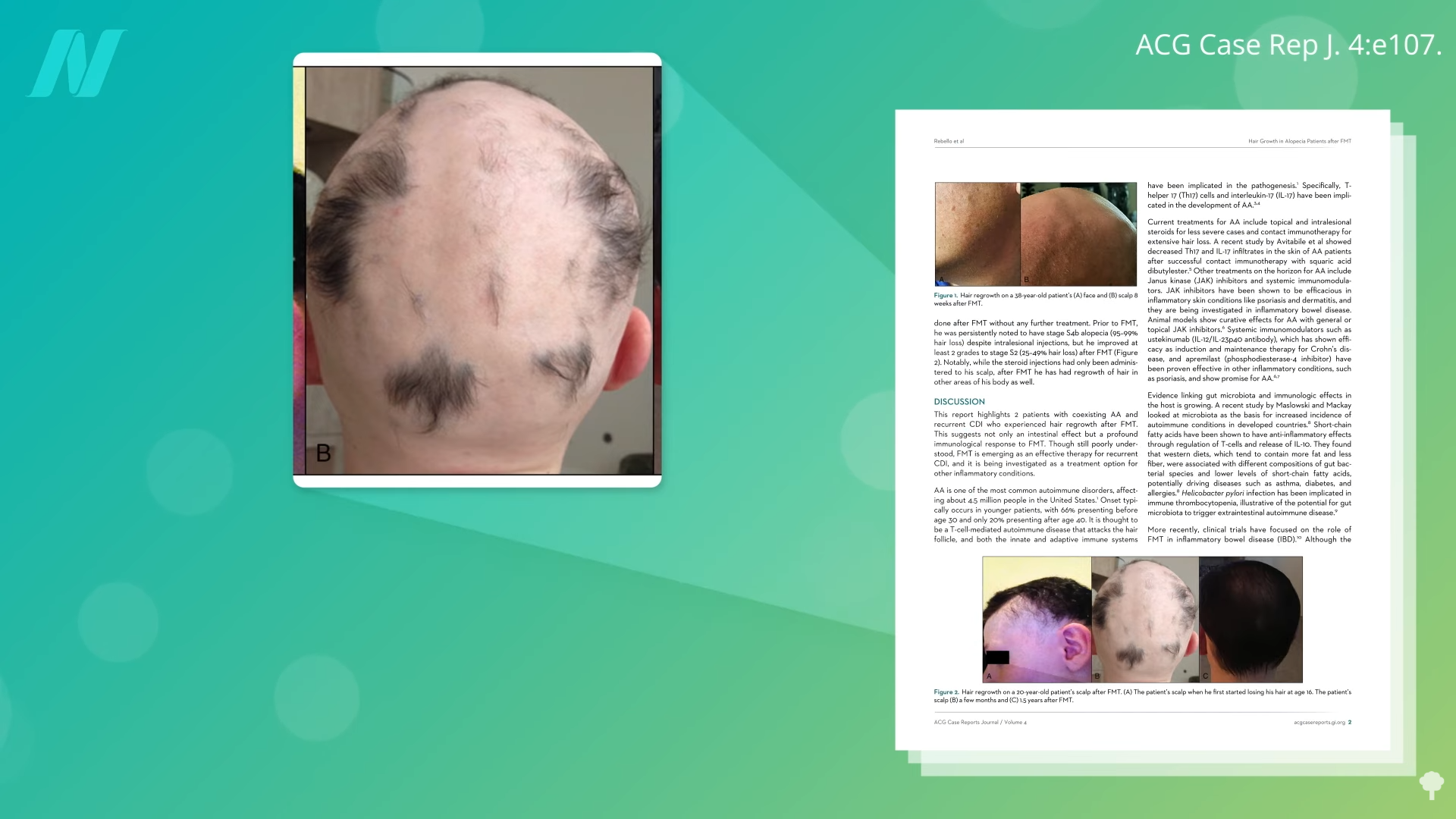
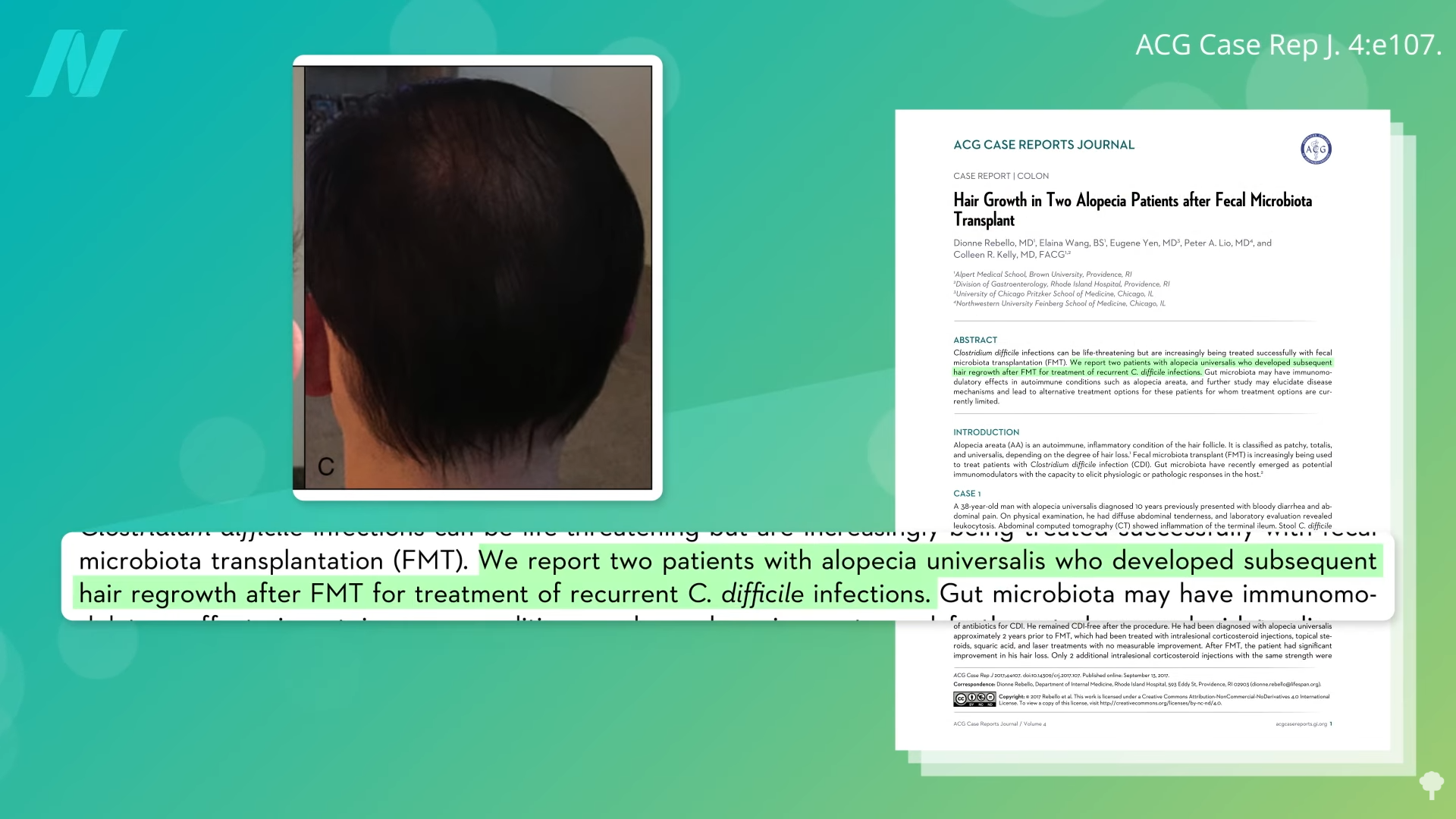
Recent scientific endeavors have illuminated the profound influence of the gut microbiome on various bodily functions, including hair health. Groundbreaking human experiments involving fecal microbiota transplantation (FMT) have offered compelling insights. Studies have reported significant improvements in hair loss following FMT, with one notable case illustrating a dramatic regrowth of hair in a completely bald individual a few months after the procedure. This phenomenon underscores the critical role of a balanced and healthy gut ecosystem in potentially influencing hair follicle activity and growth cycles. The implication is that nurturing beneficial gut bacteria may be a foundational step in addressing hair loss concerns, moving beyond conventional topical or systemic treatments.
Dietary Associations and Protective Plant Compounds
Population-based studies have begun to identify dietary patterns associated with androgenic alopecia. Research has indicated a correlation between male pattern baldness and less-than-optimal lifestyle factors, including poor sleep quality and the consumption of processed meats and "junk food." Conversely, protective associations have been observed with diets rich in raw vegetables, fresh herbs, and notably, soymilk.
A significant finding from one study revealed that individuals consuming soy beverages on a weekly basis exhibited a 62% lower likelihood of experiencing moderate to severe hair loss. This observation fuels the hypothesis that certain plant-derived compounds possess inherent protective qualities that can mitigate the progression of androgenetic alopecia. This suggests a paradigm shift towards dietary strategies, where specific plant-based foods are not merely supplementary but potentially integral to a hair health regimen.
Evaluating Complementary and Alternative Medicine Claims
The market for complementary and alternative medicine (CAM) treatments for hair loss is extensive, often boasting "miraculous" cures with minimal side effects. However, a critical review of the scientific literature is paramount to discern efficacy from marketing hype. Many CAM studies have historically relied on data derived from animal models, specifically shaved rodents, which may not accurately translate to human physiological responses. Furthermore, even when human trials are conducted, the absence of placebo controls can render the findings inconclusive, making it difficult to attribute observed results solely to the intervention.
Scientific Validation: Hot Peppers and Soy Isoflavones
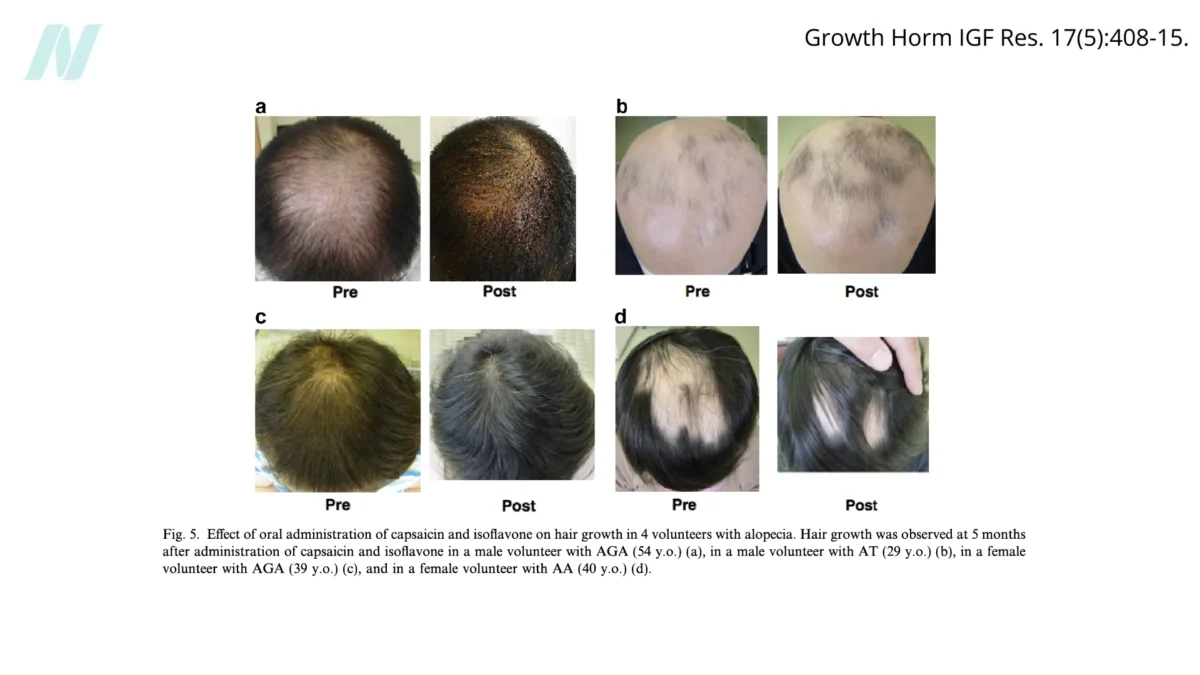
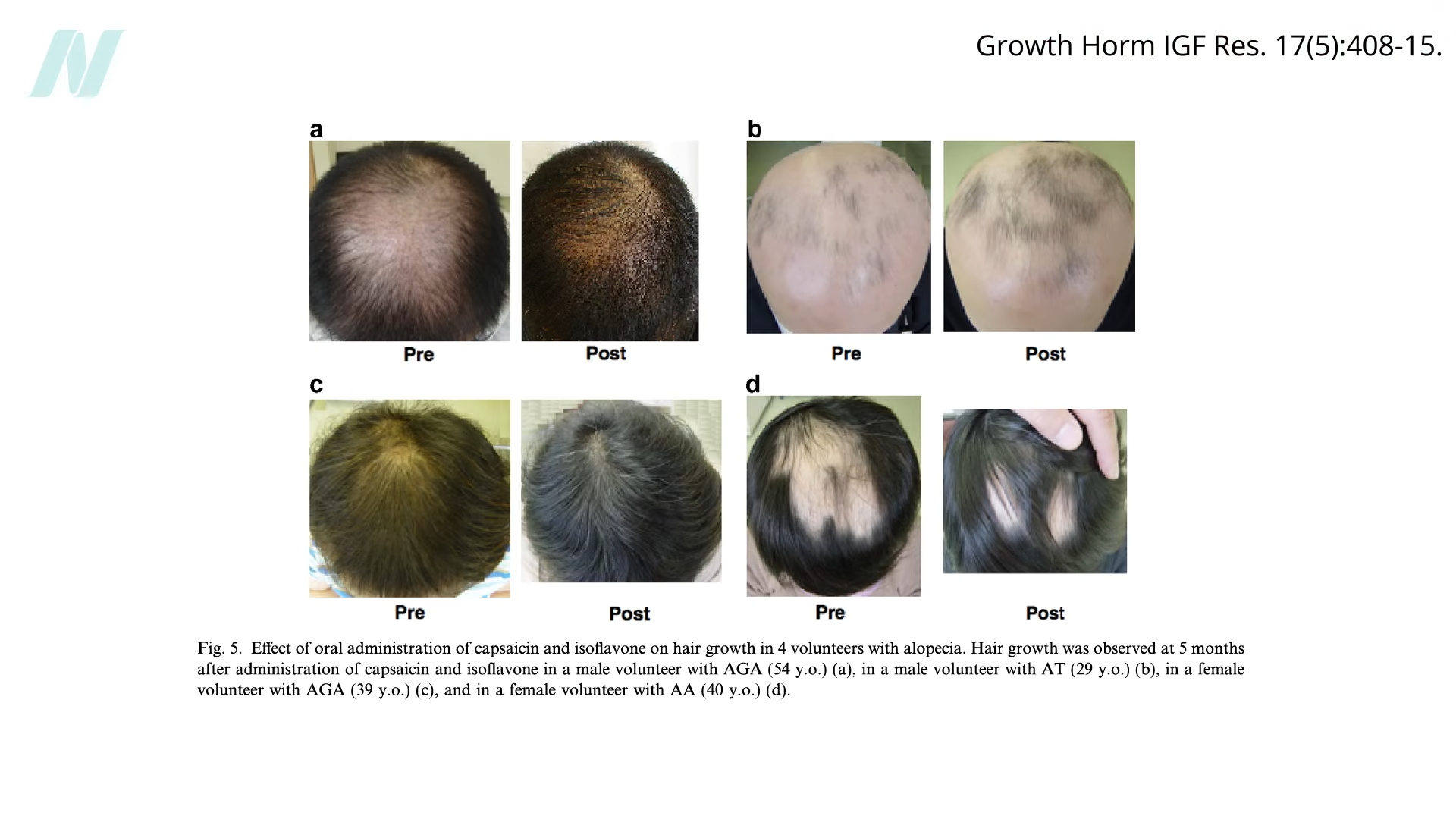
Rigorous scientific investigation has begun to provide empirical support for the role of specific dietary components in hair growth. A randomized, double-blind, placebo-controlled study examined the effects of compounds found in hot peppers and soy, demonstrating a statistically significant promotion of hair growth. This type of study design, employing a placebo control and blinding participants and researchers to the treatment, is considered the gold standard for establishing causality.
The study investigated specific dosages: 6 milligrams of capsaicin daily and 75 milligrams of isoflavones. These amounts are readily achievable through dietary means. For instance, 6 milligrams of capsaicin can be obtained from approximately a quarter of a fresh jalapeño pepper. Similarly, 75 milligrams of isoflavones can be consumed by eating about three-quarters of a cup of tempeh or a serving of soybeans. Soy nuts, while more concentrated, should be consumed with consideration for preparation methods, as high-temperature cooking of high-fat, high-protein foods can lead to the formation of advanced glycation end-products, which may not be ideal for overall health.
Pumpkin Seeds: An Emerging Natural Remedy
Another promising area of research focuses on pumpkin seeds and their oil. The interest in pumpkin seeds stems from a 2009 South Korean study that observed a correlation between pumpkin seed oil consumption and improved urinary flow rates in men with benign prostatic hyperplasia (BPH). The study found that a daily intake of 320 milligrams of pumpkin seed oil, equivalent to a mere sixteenth of a teaspoon or just a few drops, led to significant improvements. This effect was attributed to a potential anti-androgen mechanism, suggesting that pumpkin seed oil might counteract the hormonal influences that contribute to hair loss.
While topical application of pumpkin seed oil has shown efficacy in mice, the crucial question remained: could oral consumption of pumpkin seeds yield similar benefits in humans? This question was addressed by a subsequent randomized, double-blind, placebo-controlled trial specifically investigating the effects of pumpkin seed oil on male pattern baldness.
The Pumpkin Seed Oil Trial
The trial involved 76 men diagnosed with male pattern baldness. Participants were administered either 400 milligrams of pumpkin seed oil daily, disguised within capsules, or placebo capsules for a period of several months. The dosage of 400 milligrams of pumpkin seed oil is roughly equivalent to consuming the oil from two to two and a half pumpkin seeds daily.
Researchers employed a comprehensive array of objective and subjective measures to assess scalp hair growth. After 24 weeks of treatment, the results were compelling. Participants in the pumpkin seed oil group reported significantly higher self-rated improvement and satisfaction scores compared to the placebo group. Objectively, the pumpkin seed oil group experienced a 40% increase in hair counts, a marked improvement over the 10% increase observed in the placebo group.
Further analysis involved blinded investigators assessing photographic evidence of hair growth. These independent evaluations corroborated the self-reported findings, with the placebo group showing a slight worsening of hair loss over time, while the pumpkin seed oil group demonstrated significant improvement. Specifically, 95% of participants in the pumpkin seed oil group were rated as either unchanged or improved, whereas over 90% in the placebo group were classified as unchanged or having experienced worsening hair loss. Importantly, the study also monitored for potential adverse effects, including sexual side effects, by using an index of erectile dysfunction before and after the trial. No evidence of adverse effects was found in the pumpkin seed oil group, alleviating concerns about potential negative impacts on sexual health.
Implications for Dietary Strategies and Future Research
The findings from these studies suggest that incorporating specific foods into one’s diet could represent a viable, natural approach to managing hair loss. The scientific backing for hot peppers, soy foods, and pumpkin seeds, particularly through rigorous clinical trials, moves these dietary interventions from anecdotal evidence to potentially evidence-based recommendations.
The implication of the fecal transplant studies, in particular, is that maintaining a healthy gut microbiome is fundamental. This could involve a diet rich in fiber, fermented foods, and prebiotics, all of which contribute to a thriving gut ecosystem. The link between diet and the microbiome’s influence on hair growth is an area ripe for further exploration, potentially uncovering more dietary strategies.
For individuals experiencing hair loss, these findings offer a hopeful outlook, suggesting that dietary adjustments can be a complementary or even primary strategy. A balanced diet that includes a variety of nutrient-dense plant foods, such as leafy greens, fruits, legumes, nuts, and seeds, is generally beneficial for overall health and may contribute to healthier hair. The specific inclusion of hot peppers, soy products, and pumpkin seeds, in appropriate quantities, could offer targeted benefits.
A Holistic Approach to Hair Health
This comprehensive exploration into dietary interventions for hair loss, encompassing the powerful influence of the gut microbiome, the protective properties of plant compounds, and the validated efficacy of specific foods like hot peppers, soy, and pumpkin seeds, marks a significant advancement in understanding hair health from a nutritional perspective.
As this research continues to evolve, it underscores the importance of a holistic approach to hair care, integrating scientific understanding of nutrition with personalized health strategies. The journey from identifying potential dietary allies to integrating them into effective management plans requires ongoing scientific inquiry and consumer education. The prospect of naturally promoting hair growth through everyday foods offers a compelling and accessible avenue for many seeking solutions to hair loss.
This series has aimed to provide a science-based perspective on hair loss and growth. Previous discussions have delved into the efficacy and risks associated with hair growth supplements and pharmaceutical hair loss drugs, providing a comprehensive overview of available interventions. The Daily Dozen checklist, a tool developed by Dr. Greger, can serve as a practical guide for incorporating nutrient-rich foods, including nuts and seeds like pumpkin seeds, into one’s daily diet, thus aligning dietary choices with broader health and wellness goals.

